

Unraveling the Impact of Seasons on Your Skin
The changing seasons do more than shape the landscape; they also significantly influence your skin’s moisture balance. With each transition—whether it’s the biting cold of winter or the humid warmth of summer—your skin responds, often requiring adjustments to your skincare routine. Understanding how different seasons affect your skin can unveil crucial insights that help you maintain a healthy glow year-round.
Winter: The cold air is notorious for dehydrating the skin. As temperatures drop, the humidity levels typically follow suit, leading to dry air that strips your skin of its natural moisture. This can result in conditions such as eczema or psoriasis flaring up due to the increased sensitivity. A typical sign of winter’s impact is the appearance of dry, flaky patches, particularly on the hands, feet, and face. To combat this, incorporating a thicker moisturizer and using a humidifier in your home environment can help retain moisture in the skin.
Spring: As flowers bloom, so do allergens. Pollen and other irritants can exacerbate skin conditions, causing redness, irritation, and breakouts. For many people, the shift to warmer weather can trigger seasonal allergies, resulting in itchiness and swelling. In spring, it’s beneficial to switch to a lighter moisturizer and consider products with anti-inflammatory ingredients, such as aloe vera or chamomile, to quell irritation and maintain balance.
Summer: The increase in humidity often leads to excess oil production, which can in turn clog pores and result in breakouts. The hot sun can also accelerate skin aging, creating fine lines and pigmentation or, in some cases, sunburn. During this season, prioritizing SPF and utilizing lightweight, non-comedogenic products can help protect your skin. Water-based moisturizers and gel formulas can provide hydration without the heaviness that creams may impose, allowing your skin to breathe.
Fall: As the temperatures cool, the transition can often lead to an unfortunate resurgence of dryness. This season serves as a prelude to winter, and many people find themselves battling moisture depletion in their skin. The change in the air can be quite stark, which necessitates a shift in skincare once again. Adding hydrators—such as serums infused with hyaluronic acid—can enhance moisture retention as the days grow shorter and the air becomes crisper.
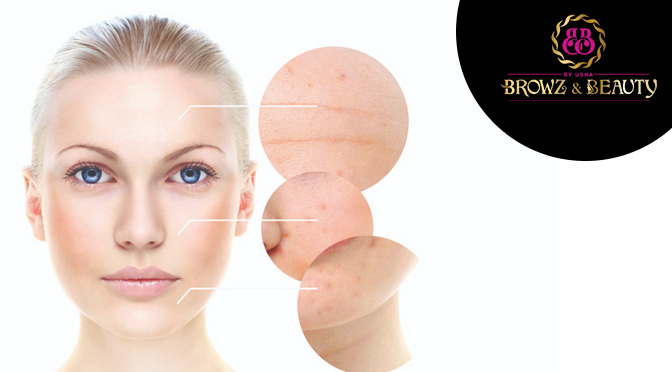
Adapting your skincare routine to these seasonal challenges is essential for maintaining a healthy complexion. Discovering the right products and techniques tailored to each season will help keep your skin hydrated and resilient. For instance, incorporating antioxidants in your routine during summer can help fight free radicals caused by sun exposure. Additionally, adopting a weekly exfoliation practice in spring may prevent the buildup of dead skin cells caused by seasonal changes.
In this article, we will explore effective strategies to adjust your skincare routine and tips for maintaining optimal skin moisture throughout the year. By understanding how seasonal changes affect your skin, you can tailor your skincare regimen to ensure your skin remains radiant and healthy, irrespective of the weather. With this awareness, not only can you adapt your products, but you may also begin to appreciate the unique beauty and challenges that each season brings to your skincare journey.
DISCOVER MORE: Click here to enhance your skincare routine
Understanding Seasonal Impacts on Skin Moisture
The link between skin health and seasonal changes is an intricate dance that many individuals may not fully comprehend. As the heart of winter brings frigid temperatures and biting winds, your skin may begin to feel parched and irritated. Contrastingly, the warmth of summer can introduce challenges of its own, notably heightened oil production and the risk of sun damage. To navigate these seasonal skin challenges effectively, it’s essential to *recognize the signs of skin distress* as the seasons shift and equip yourself with a tailored skincare strategy.
The Science Behind Skin Dehydration
During winter months, the air is not only cold but also significantly less humid. Studies suggest that lower humidity levels can cause the outermost layer of the skin, known as the stratum corneum, to lose its moisture retention capability. Consequently, skin may become dry, flaky, and more susceptible to irritation. In fact, many dermatologists recommend using products containing occlusives, such as petrolatum or dimethicone, which form a protective barrier on the skin’s surface—crucial when trying to combat winter’s drying effects.
In spring, while temperatures rise and days lengthen, you may notice an increase in allergens like pollen, which can trigger skin sensitivities. When the body perceives an allergen, the immune response can wreak havoc on your skin, leading to conditions like contact dermatitis. Switching to more breathable skincare products during this season can maintain moisture while allowing your skin to recover from irritation.
The hot, humid summer months present their own unique challenges. As temperatures soar, the skin may respond with increased oil production. This natural defense mechanism can lead to clogged pores and breakouts—an unfortunate reality for many. Dermatologists often suggest incorporating gentle exfoliation techniques and water-based moisturizers during summer months to balance oiliness without sacrificing hydration.
Adapting Your Skincare Routine
Each seasonal shift calls for adjustments in your skincare arsenal. Below is a list of essential tips to keep your skin glowing and hydrated all year long:
- Winter: Invest in a rich, nourishing moisturizer and consider daily use of a humidifier in your home.
- Spring: Opt for lightweight products with calming ingredients like chamomile to address irritation while maintaining hydration.
- Summer: Use gel-based moisturizers and ensure daily application of broad-spectrum SPF to protect against UV damage.
- Fall: Incorporate hydrating serums containing hyaluronic acid to counteract the onset of winter dryness.
Adjusting your routine based on current environmental conditions is paramount for maintaining skin moisture balance. By understanding how seasonal transitions affect your skin and applying these strategies, you can not only cherish your natural beauty but also promote resilience against the ever-changing elements.
| Category | Description |
|---|---|
| Humidity Levels | Humidity fluctuates with the seasons, impacting skin moisture directly, leading to either dryness or oiliness. |
| Moisturizing Routine Adjustments | Adapting your skincare routine seasonally can help maintain optimal hydration, using lighter products in summer and thicker creams in winter. |
As seasons shift, the interaction between temperature and humidity can create a complex impact on your skin’s moisture retention. For instance, cold winter air is often dry, which can lead to dryness and flakiness, while summer heat can stimulate sweat and oil production, causing congestion and breakouts. Thus, it becomes critical to assess how these elements uniquely shape your skin’s needs throughout the year.In winter, incorporating richer, more emollient moisturizers can help lock in hydration, while during hotter months, opting for lightweight, non-comedogenic lotions can prevent excess oiliness. Including hydrating agents such as hyaluronic acid or glycerin in your products can help maintain the skin’s moisture balance, especially when faced with seasonal transitions.Understanding these dynamics will enable you to customize your skincare effectively, ensuring your skin not only looks its best but also feels comfortable regardless of the season. The key is to remain observant, continually adjusting your routine to what your skin requires at any given time.
DIVE DEEPER: Click here to uncover the truth about skincare ingredients
Season-Specific Ingredients and Their Benefits
As the seasons transition, so too should the ingredients in your skincare lineup. Each season beckons its own heroes, tailored to address the unique challenges your skin faces. By understanding these ingredients, you can ensure your skin remains balanced and thriving.
Winter Wonders: Hydration-Boosting Ingredients
In the midst of winter’s chill, ceramides and glycerin are two essential ingredients that can work wonders for your skin. Ceramides help restore the skin barrier, locking in moisture and preventing transepidermal water loss. Meanwhile, glycerin acts as a humectant, drawing water from the air into the skin. Incorporating a product like a ceramide-rich cream or a glycerin-based serum can dramatically improve skin texture and hydration during these dry months.
Additionally, look for products enriched with squalane, a natural oil that mimics the skin’s own sebum. Its lightweight nature makes it perfect for layering underneath thicker creams without feeling heavy or greasy.
Spring Refresh: Calming and Clarifying Agents
As you step into spring, skin may feel irritated due to allergens in the air. This is the ideal time to harness the power of aloe vera and niacinamide. Aloe vera is renowned for its soothing properties, while niacinamide helps improve skin barrier function and reduce redness. Formulations that include these ingredients can provide relief from environmental stressors as well as keep your skin hydrated and luminous. Additionally, consider integrating essential oils like lavender, which not only soothes the skin but also has calming effects on the mind—an indispensable ally during allergy season.
Summer Solutions: Light and Effective Moisturizers
When summer arrives, it’s crucial to switch gears and focus on lightweight formulations. Hyaluronic acid, a well-known moisture magnet, should become your go-to. It holds up to 1000 times its weight in water, ensuring skin feels plump and hydrated without adding excess oil. Furthermore, consider products with salicylic acid, known for its ability to deeply cleanse pores and reduce breakouts—an ideal solution for the hot, humid months.
Mineral-based sunscreens containing zinc oxide or titanium dioxide offer broad-spectrum protection while being gentle for sensitive skin. These minerals sit on the skin’s surface, reflecting harmful UV rays, so you can enjoy the sun without the worry of clogged pores or irritations.
Fall Preparations: Transitioning into Hydration
As the leaves turn and autumn approaches, your skin anticipates the dryness that comes with winter. Look for products infused with beta-glucan—a natural polymer that helps to prevent moisture loss while providing anti-inflammatory benefits. Incorporating a $beta-glucan$ serum into your routine can prepare and fortify your skin against the impending cold.
Also, consider introducing antioxidants such as vitamin C or E to combat oxidative stress from environmental factors. These not only help repair skin but also shield it from damage caused by free radicals, ensuring a smooth transition into winter months.
As the environmental factors shift throughout the year, evolving your skincare routine with season-specific ingredients can make a world of difference. By understanding how to harness the benefits of these components and applying them at the right time, you empower your skin to maintain its moisture balance and overall health all year long.
DISCOVER MORE: Click here to learn how to safeguard your skin
Conclusion
In the dance between nature and our skin, understanding the impact of seasonal changes on skin moisture balance is crucial for maintaining a healthy glow year-round. Each season presents unique challenges, from winter’s biting cold that requires deep hydration strategies to summer’s heat calling for lightweight formulations. Adapting your skincare routine accordingly not only addresses these challenges but also ensures your skin remains resilient and vibrant.
By integrating season-specific ingredients, such as ceramides in winter or hyaluronic acid in summer, you can effectively combat dry patches, soothe irritation, and prevent breakouts. Moreover, keeping an eye on environmental factors—such as humidity levels in spring or pollution in fall—enables you to make informed choices about your products and ingredients. Utilizing antioxidants and calming agents like niacinamide and aloe vera can further support your skin’s health during seasonal transitions.
As you tailor your routine to suit seasonal changes, remember that hydration is not just about what you apply on your skin; it’s also about how you nourish your body from within. Staying hydrated, consuming a balanced diet, and protecting your skin from the elements are all essential aspects of effective skincare. By embracing these practices, you can achieve not only a harmonious balance in moisture levels but also overall skin health that radiates through every season.
Ultimately, the more knowledgeable you are about your skin’s needs, the easier it becomes to navigate the ebbs and flows of seasonal changes—leading to a more resilient and thriving complexion.