

The Importance of Sunscreen in Your Daily Routine
Did you know that over 90% of skin aging is caused by sun exposure? In the United States, skin cancer is one of the most prevalent forms of cancer, emphasizing why incorporating sunscreen into your daily skincare regimen is essential. Despite this knowledge, many individuals neglect this critical step, often leading to detrimental consequences for their skin health.
The right sunscreen serves as a shield against harmful UV rays that can lead to skin damage. Moreover, it plays a vital role in mitigating premature aging, including fine lines, wrinkles, and dark spots. To effectively navigate the myriad of options available in the market, consider the following pivotal factors that can guide you toward choosing a sunscreen that perfectly suits your needs:
- Skin Type: Identifying your skin type is crucial as it influences the formulation of sunscreen that will work best for you. For instance, individuals with oily skin may benefit from gel-based or matte finish sunscreens, while those with dry skin should opt for creams that provide hydration. Sensitive skin can react adversely to certain chemicals; hence, physical sunscreens containing zinc oxide or titanium dioxide are often recommended.
- SPF Level: The Sun Protection Factor (SPF) indicates the level of protection offered against UVB rays, which are primarily responsible for sunburn and skin cancer. For daily use, dermatologists recommend a broad-spectrum sunscreen with at least SPF 30. This means that it blocks about 97% of UVB rays. For prolonged outdoor activities, higher SPF levels may be necessary.
- Ingredients: Beyond SPF, scrutinizing the ingredient list is essential. Physical sunscreen blockers like zinc oxide and titanium dioxide scatter and reflect UV radiation, making them suitable for all skin types, particularly sensitive skin. Conversely, chemical sunscreens typically absorb UV radiation; some popular ingredients include avobenzone and octisalate, but they may not be well-tolerated by everyone. Choosing the right formulation based on your skin’s sensitivity and preference can make a significant difference.
Understanding the importance of sunscreen goes beyond mere prevention—it’s about empowerment. By equipping yourself with knowledge about what works for your unique skin type and lifestyle, you can maintain healthy skin and significantly diminish the risk of developing skin issues, including lesions and melanoma. As you delve deeper into the world of sunscreens, consider your personal activities, the climate in your region, and your skin’s reactions to various products. All these factors can guide you toward making informed choices that align with your skin’s health and well-being.
In conclusion, don’t just make sunscreen a part of your skincare routine—embrace it as an essential act of self-care. In a country where summer means sunshine and outdoor activities, protecting your skin should be a priority year-round.
DISCOVER MORE: Click here to learn how pollution affects your skin
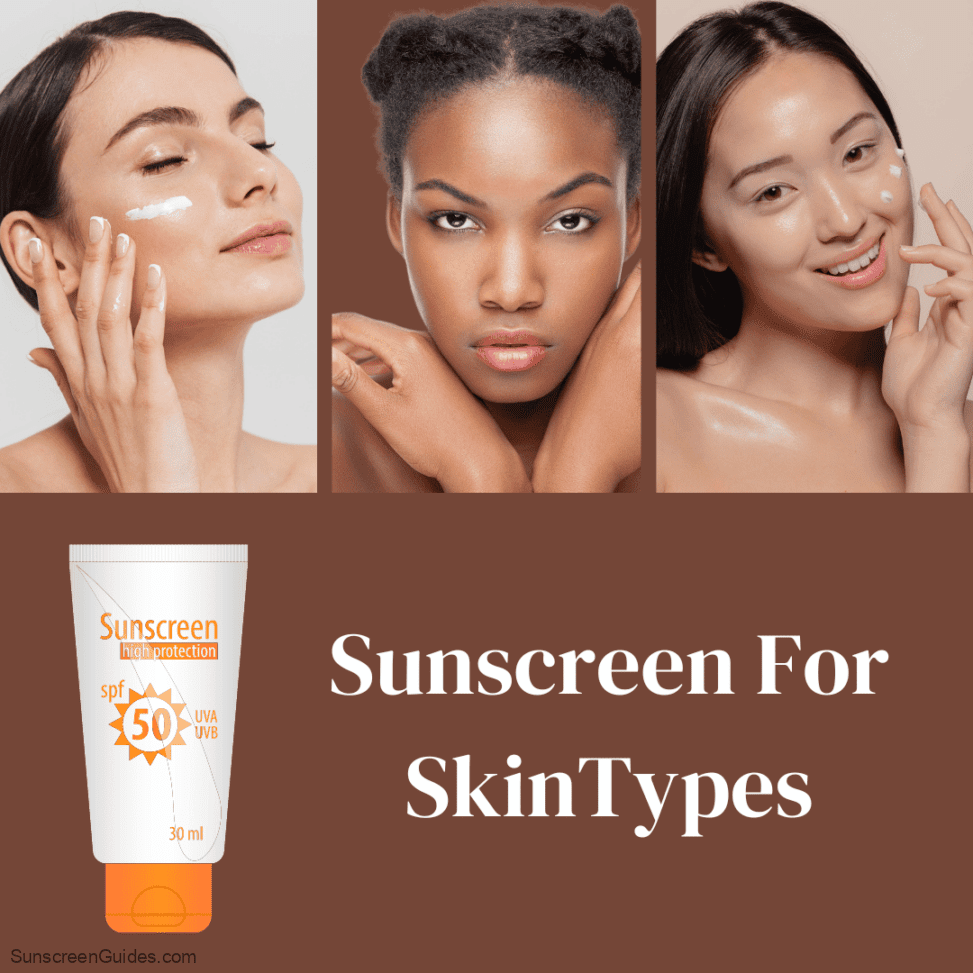
Understanding Different Skin Types and Their Sunscreen Needs
Selecting the perfect sunscreen is not a one-size-fits-all endeavor. Each skin type has unique characteristics that influence how it reacts to sun exposure and, consequently, how it responds to different sunscreen formulations. Knowing your skin type is the first step toward making an informed choice. Below are the main categories of skin types, along with recommendations for the best sunscreen options:
- Oily Skin: If you often find your skin shiny or greasy, you likely have oily skin. Look for sunscreens that are labeled as “oil-free” or “non-comedogenic.” Gel-based formulas are often ideal as they absorb quickly and don’t leave a heavy residue on the skin. Some products even offer a matte finish that can help control shine throughout the day.
- Dry Skin: If your skin feels tight or flaky, hydrating ingredients should be your main focus. Cream-based sunscreens enriched with moisturizing agents such as hyaluronic acid and glycerin are excellent choices, as they not only protect against UV rays but also keep the skin hydrated. A nourishing formula can prevent further dryness caused by sun exposure.
- Sensitive Skin: Those with sensitive skin may experience irritation and redness from certain chemicals in sunscreens. Therefore, selecting a physical sunscreen with active ingredients like zinc oxide or titanium dioxide is often recommended. These ingredients act as reflective barriers against UV rays, providing protection without the harsh side effects common to chemical sunscreens.
- Combination Skin: If you notice varying skin areas—some dry and others oily—you have combination skin. For this skin type, consider a lightweight, hybrid sunscreen that combines the benefits of both gel and cream formulas. A broad-spectrum product that is versatile and suitable for all areas of the face will balance protection while accounting for different skin needs.
- Normal Skin: Individuals with normal skin can enjoy a variety of sunscreen options. A broad-spectrum sunscreen with SPF 30 or higher will suffice. You can choose formulas that hydrate or control oil based on your personal preferences.
Determining your skin type is critical not only for sunscreen selection but also for enhancing your overall skincare routine. As you begin to explore sunscreen options, consider your daily activities and environmental factors such as climate and UV index. Remember, sunscreen should be applied generously, and ideally, reapplied every two hours, especially if you’re swimming or sweating.
Moreover, always be vigilant in reading the labels on sunscreen products, as some brands offer formulations specifically designed for various activities, such as sports, or even for specific seasonal needs. For instance, if you’re heading to the beach, a water-resistant sunscreen is essential. This level of consideration is paramount in ensuring maximum protection from the sun’s harmful rays.
In the quest for healthy skin, armed with the right knowledge about your skin type and the vast array of sunscreen products available, you can defend your skin against aging and damaging effects resulting from sun exposure. Remember, sunscreen is not merely an accessory to your skincare routine; it’s a fundamental element that should never be overlooked.
The Importance of Sunscreen in Skincare Routine: How to Choose the Ideal Product for Your Skin Type
When it comes to protecting your skin from harmful ultraviolet (UV) rays, sunscreen is a non-negotiable item in any skincare routine. The benefits of using sunscreen extend far beyond mere sunburn prevention; they encompass anti-aging, skin cancer prevention, and maintaining an even skin tone. Understanding the myriad options available is essential for choosing the right product for your specific skin type. Below, we delve into how to navigate this crucial aspect of skincare.
Understanding SPF and Broad-Spectrum Protection
One of the most critical features to consider when selecting a sunscreen is the Sun Protection Factor (SPF). SPF measures the level of protection against UVB rays, which are primarily responsible for sunburn. A broad-spectrum sunscreen defends against both UVB and UVA rays, thus offering comprehensive skin protection. When selecting a product, look for an SPF of 30 or higher for adequate defense.
Identifying Your Skin Type
Another significant factor in choosing the right sunscreen is understanding your skin type. Oily, dry, combination, and sensitive skin each have unique needs that can greatly influence product choice. For oily skin, a lightweight, non-comedogenic sunscreen is advisable, while those with dry skin may benefit from a hydrating formula containing moisturizing ingredients like hyaluronic acid. Sensitive skin types should seek out mineral-based sunscreens, as they are less likely to cause irritation.
Additionally, consider formulations that contain antioxidants, such as vitamin C, which can help combat free radicals generated by UV exposure. This dual-action benefit not only protects the skin from sun damage but also supports overall skin health.
Incorporating Sunscreen into Your Daily Routine
To maximize effectiveness, it’s essential to apply sunscreen daily, even on overcast days or when indoors, as UV rays can penetrate windows. A good rule of thumb is to use about one ounce, or a shot glass full, of sunscreen for full-body coverage. Reapply every two hours, or more frequently if swimming or sweating. Don’t forget commonly overlooked areas such as the ears, neck, and even the tops of your feet.
Ultimately, the right sunscreen is an integral part of your skincare arsenal. By understanding how to choose a product tailored to your skin type, you can maintain a healthy, radiant complexion and effectively ward off skin damage.
| Category | Details |
|---|---|
| SPF Level | Look for SPF 30 or higher for effective protection. |
| Skin Type Suitability | Choose formulas designed for oily, dry, or sensitive skin. |
DISCOVER MORE: Click here to learn about innovative skin treatments
Understanding Sunscreen Ingredients: Chemical vs. Physical
When selecting the ideal sunscreen, grasping the distinctions between chemical and physical (or mineral) sunscreens is essential. Each type offers a different mode of action and ingredient profile, making them suitable for different preferences and skin types.
- Chemical Sunscreens: These sunscreens contain organic (carbon-based) compounds like avobenzone, octisalate, octocrylene, and homosalate, which absorb UV radiation and transform it into heat, preventing skin damage. Chemical sunscreens are typically lighter in texture, making them more suitable for daily wear, especially in humid climates. However, some individuals with sensitive skin may find these formulations irritating. Moreover, with growing awareness regarding the environmental impact, particularly on coral reefs, several states, including Hawaii, have passed laws to restrict certain chemical sunscreen ingredients like oxybenzone and octinoxate.
- Physical (Mineral) Sunscreens: Utilizing active mineral ingredients, such as zinc oxide and titanium dioxide, these sunscreens act as a barrier that physically deflects UV radiation from the skin. Because of their gentle nature, they are often recommended for sensitive skin types or for children. Additionally, they offer immediate protection once applied and typically have a longer shelf life. However, they may leave a white cast on the skin, which some users find unappealing. When searching for a mineral sunscreen, options with micronized or tinted formulations can mitigate this effect.
The Role of Broad-Spectrum Protection
Broad-spectrum protection is a crucial feature to look for in any sunscreen, as it indicates that the product safeguards against both UVA and UVB rays. UVB rays are primarily responsible for sunburn, while UVA rays penetrate deeper into the skin, contributing to premature aging and skin cancer. Data from the American Academy of Dermatology indicates that 1 in 5 Americans will be diagnosed with skin cancer in their lifetime, making it imperative to shield the skin from both types of UV radiation. When reading the label, ensure the sunscreen states “broad-spectrum” to guarantee comprehensive coverage.
SPF: What You Really Need to Know
The Sun Protection Factor (SPF) is another integral aspect of sunscreen selection. The SPF number indicates the level of protection against UVB rays but can be misleading without context. For example, while SPF 30 blocks approximately 97% of UVB rays, SPF 50 filters about 98%. This marginal difference in protection is often a source of confusion for consumers.
However, it’s crucial to note that higher SPF levels may not equate to significantly better protection. According to dermatological experts, an SPF of at least 30 is optimal for daily use. Individuals with fair or sensitive skin, or those who spend extensive time outdoors, should consider SPF 50 or above. Regardless of the SPF, the consistent application and reapplication every two hours—or after swimming or sweating—are imperative for effective sun protection.
Lifestyle Considerations in Sunscreen Selection
Another key element to consider when choosing a sunscreen is your lifestyle and daily activities. People with active lifestyles or those who participate in outdoor sports should seek out sweat-resistant or water-resistant formulas, capable of enduring the elements. For those who commute daily or live in urban areas, a sunscreen that includes antioxidants can provide added defense against pollution and environmental stressors.
Lastly, personalized options like tinted sunscreens can offer additional benefits, such as light coverage while protecting against harmful rays. This crossover between makeup and skincare not only enhances one’s complexion but also ensures you are meeting your sun protection needs effectively.
DISCOVER MORE: Click here for essential skincare tips
Conclusion: Embracing the Need for Sunscreen in Your Skincare Routine
In an era where skin health is paramount, understanding the importance of sunscreen in your skincare routine is essential. Protecting your skin from harmful UV rays is not merely a seasonal habit but a year-round necessity. With alarming statistics indicating that 1 in 5 Americans will face a skin cancer diagnosis, it is critical to prioritize sun protection as a fundamental part of daily skincare.
Choosing the ideal sunscreen involves more than just picking a product off the shelf; it requires a keen understanding of your skin type, lifestyle, and personal preferences. Whether you opt for chemical or physical sunscreen, ensure it offers broad-spectrum protection and an appropriate SPF level for your unique needs. Remember, formulations that suit an active lifestyle or offer additional benefits like antioxidants can further enhance your skin’s defense against environmental aggressors.
Moreover, consistent application and reapplication of sunscreen are paramount for ensuring effective protection against UV damage. As you embrace skincare techniques that focus on long-term health, make sunscreen an unwavering part of your daily regimen. With the right product tailored to your skin’s requirements, you can enjoy the outdoors confidently while safeguarding your skin for years to come.
Ultimately, your skin deserves the best protection possible. Dive deeper into understanding the various options available, and don’t hesitate to consult with skincare professionals to find the best sunscreen solution for you. By making informed choices, you can protect your skin’s future health today.