
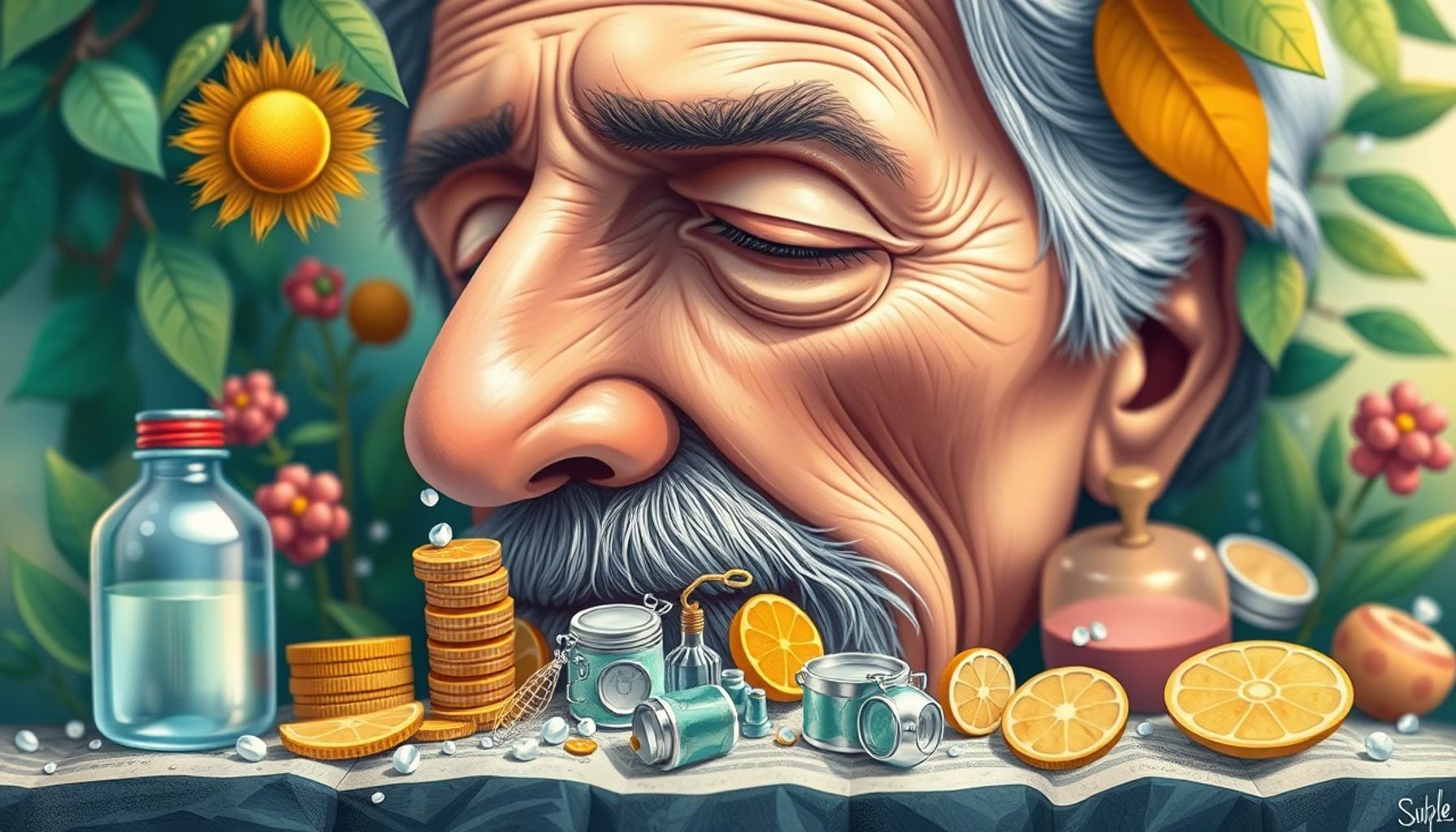
The Hidden Cost of Pollution on Our Skin Health
Every day, we wake up in a world where pollution is an inescapable part of life, especially in urban environments across the United States. While many of us are aware of the dangers that air quality poses to our lungs and overall health, the impact on our skin often goes unnoticed. The skin, being the body’s largest organ, faces constant assault from pollutants like dust, smoke, and chemicals. These elements not only compromise its appearance but also accelerate the aging process.
Understanding the Damage: How Pollution Affects Our Skin
The effects of pollution on skin health can be attributed primarily to three main mechanisms: oxidative stress, inflammation, and barrier disruption. Each of these processes contributes uniquely to premature aging and various skin conditions.
- Oxidative Stress: Environmental pollutants such as car exhaust, particulate matter, and UV radiation generate free radicals in the skin. Free radicals are unstable molecules that can damage cellular structures, including skin cells and collagen. Studies indicate that constant exposure to high levels of pollutants can reduce collagen production, leading to sagging and wrinkles. For instance, a study published in the Journal of Investigative Dermatology found a direct correlation between increased air pollution levels in urban areas and the rate of skin aging.
- Inflammation: When our skin comes into contact with harmful substances, it can trigger an inflammatory response. This often manifests as redness, irritation, and conditions like eczema or contact dermatitis. A prominent example is the city of Los Angeles, where residents frequently complain of skin irritation due to high smog levels. Prolonged inflammation not only affects the skin’s texture but can also lead to a more resilient aging process.
- Barrier Disruption: Pollutants can weaken the skin’s natural barrier, allowing moisture to escape and leaving it vulnerable to the elements. This can result in dryness, increased sensitivity, and a decreased ability to fight off harmful bacteria. The consequences are often seen in winter months when pollution levels can spike, exacerbating skin issues for many.
Protecting Your Skin in a Polluted World
As we navigate through bustling cities and industrial landscapes, understanding how to protect ourselves becomes ever more vital. Skin aging is not purely a matter of time; it can be accelerated by our environment. Simple yet effective precautions can greatly enhance the skin’s resilience. Incorporating antioxidants into your skincare routine, such as vitamin C and E, can help combat oxidative stress. Additionally, using physical sunscreens not only protects against UV rays but also creates a barrier against environmental pollutants.
Furthermore, regular cleansing is essential to remove pollutant build-up. Opt for gentle, non-irritating cleansers that maintain the skin’s barrier while thoroughly cleansing the surface. Consider using products with ingredients like niacinamide, which help soothe inflammation and improve the skin’s overall appearance.
In conclusion, the battle against environmental pollution is not only fought in the air or on our streets but also on our skin. By becoming more aware of the risks and implementing protective measures, we can empower ourselves to maintain healthier, more resilient skin in an increasingly polluted world.
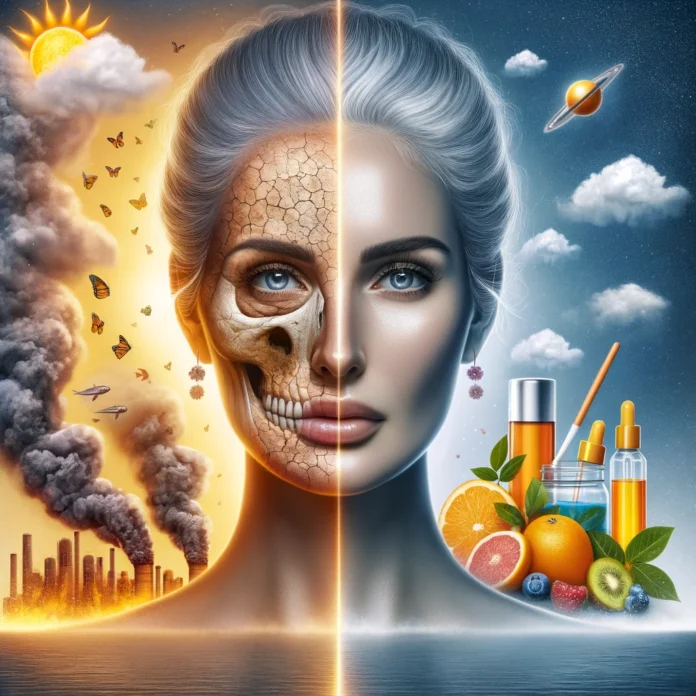
DISCOVER MORE: Click here to learn how climate impacts skincare
The Science Behind Skin Aging and Pollution
Understanding the intricate relationship between environmental pollution and skin aging entails delving into the biological processes affected by various toxins present in our surroundings. Urban environments, characterized by heavy traffic, industrial discharge, and diminishing green spaces, introduce numerous pollutants that can have detrimental effects on our skin’s health. This ongoing exposure is not merely an aesthetic concern; it represents a significant challenge to our dermatological well-being.
Oxidative Stress: The Aging Catalyst
One of the primary ways pollution accelerates skin aging is through oxidative stress. When our skin encounters pollutants like carbon monoxide, heavy metals, and particulate matter, it ignites a cascade of free radical production. These unstable molecules wreak havoc by damaging cells and collagen, leading to visible signs of aging such as fine lines and wrinkles. Research indicates that living in areas with high pollution levels can lead to a severe increase in oxidative markers in the skin. For instance, a study published in the Journal of Dermatological Science revealed that participants from highly polluted urban areas exhibited up to 20% faster aging of the skin compared to their rural counterparts.
Inflammation: A Silent Saboteur
Beyond oxidative stress, pollution triggers inflammation—a process that can have lasting repercussions on the skin. Chronic exposure to airborne irritants, such as soot and industrial fumes, can produce inflammatory responses that manifest as persistent redness, sensitivity, and even conditions like acne and eczema. For example, residents in cities with higher air pollution rates have reported frequent skin irritations that often require dermatological treatment. This inflammation not only deteriorates skin texture but may also compromise its elasticity, deepening the onset of wrinkles and sagging.
Disrupted Skin Barrier: The Vulnerable Shield
The skin’s natural barrier is crucial for maintaining hydration and protecting against external aggressors. Pollution can significantly impair this barrier function, making skin drier and more susceptible to damage. As harmful particles penetrate more easily into the skin, moisture loss becomes prevalent, leading to conditions such as dermatitis and exacerbated skin aging. Studies suggest that individuals in metropolitan areas experience a heightened risk of skin barrier disruption, leading to increased fragility and clogginess in pores, further complicating skincare regimes.
Prevalence of Skin Conditions and Psychological Impact
The impacts of pollution on skin health extend beyond visible aging. Increasing cases of conditions like rosacea, eczema, and other allergic reactions have been documented in highly contaminated areas. A survey conducted by the American Academy of Dermatology found a striking connection between local pollution levels and the prevalence of skin disorders among community members. This rise is not solely a physical issue; it can also lead to psychological burdens, as individuals become increasingly self-conscious about their skin, possibly affecting their quality of life.
In essence, the intricate dance between environmental pollution and skin aging emphasizes the necessity for proactive care. Acknowledging the detrimental effects of pollution on our skin can empower individuals to adopt preventive measures tailored to combat these environmental threats.
| Category | Details |
|---|---|
| Pollution Types | Airborne pollutants such as smog, particulate matter, and heavy metals |
| Impact on Skin | Increased signs of premature aging, wrinkles, and pigmentation issues |
| Protective Measures | Use of antioxidant-rich skincare products and sun protection |
| Research Insights | Studies link urban pollution with accelerated aging processes |
Environmental pollution poses a significant challenge to skin health and accelerates the aging process. Research shows that various types of pollutants, including smog, particulate matter, and heavy metals, can penetrate the skin’s barrier, leading to inflammation and oxidative stress. These pollutants contribute to an increase in signs of premature aging, particularly in urban environments where exposure is high.To protect yourself from these harmful effects, incorporating antioxidant-rich skincare products into your routine can be beneficial. Ingredients like vitamin C, E, and ferulic acid combat oxidative damage and support skin repair. Furthermore, consistent use of a broad-spectrum sunscreen is essential, as pollution damage may exacerbate the harmful effects of UV rays, further contributing to skin aging.A growing body of research indicates that individuals living in heavily polluted areas show pronounced signs of skin aging compared to those in cleaner environments. It is crucial to remain informed about the protective strategies available to mitigate these effects and maintain healthy, youthful skin in an increasingly polluted world.
DISCOVER MORE: Click here to learn about natural ways to keep your skin moisturized
Strategies to Combat Pollution-Induced Skin Aging
Given the alarming implications of environmental pollution on skin aging, it becomes imperative to explore effective strategies for protecting our skin. While complete avoidance of pollution is unrealistic in urban settings, implementing preventive measures can significantly mitigate damage and promote healthier skin. Understanding these protective strategies empowers individuals to take charge of their skin health despite external factors.
Skincare Essentials: Building a Protective Regimen
The foundation of skin protection lies in a well-structured skincare routine tailored to combat pollution’s effects. Starting with a quality cleanser that can eliminate pollutants and impurities is vital. Ingredients such as charcoal and clay are renowned for their detoxifying properties and can effectively draw out toxins from the skin.
Next, incorporating antioxidants into your daily regimen can enhance skin resilience against oxidative stress. Look for serums rich in vitamin C, vitamin E, and green tea extracts, all of which help neutralize free radicals. The right moisturizer can also create a barrier against pollution, sealing in hydration while guarding against environmental aggressors. Products containing hyaluronic acid and ceramides are excellent choices for maintaining skin’s moisture balance.
Sun Protection: A Must-Have Shield
Although the sun plays a role in skin aging, it acts synergistically with pollution to exacerbate its effects. Using a broad-spectrum sunscreen with an SPF of 30 or higher is essential, as this will not only protect against harmful UV rays but also reduce the likelihood of pollution-induced skin damage. Research from the Skin Cancer Foundation emphasizes that daily sunscreen application is critical for preventing premature aging, particularly in urban environments where pollution is prevalent.
Lifestyle Modifications: Internal and External Care
Beyond topical solutions, adapting lifestyle habits can further bolster skin health. Ensuring a diet rich in antioxidants helps combat the effects of pollution internally. Foods such as berries, dark leafy greens, and nuts can bolster the skin’s defense mechanisms. Additionally, drinking adequate water is paramount for maintaining hydration and supporting overall skin function.
Moreover, quitting smoking and minimizing alcohol consumption play crucial roles in skin health. Tobacco smoke contains numerous carcinogens that accelerate skin aging, while excessive alcohol dehydrates the skin, leading to a dull appearance and decreased elasticity.
Innovative Treatments: Professional Interventions
For individuals concerned about existing damage or looking to enhance their skincare routine, professional treatments offer solutions to counter the adverse effects of pollution. Chemical peels, microdermabrasion, and laser therapy can help rejuvenate the skin by promoting cell turnover and improving texture. These treatments remove damaged layers, revealing healthier, more radiant skin beneath. As urban pollution continues to pose challenges, seeking the guidance of a dermatologist can be an effective way to personalize treatment based on specific skin concerns.
Finally, creating a sanctuary away from environmental pollutants is a key aspect of prevention. Spending time in nature—surrounded by green spaces—can improve overall well-being and allow for a necessary reprieve from urban pollutants. Incorporating indoor plants, which naturally filter toxins, can also enhance the air quality within your living space, further supporting skin health.
In sum, while the influences of pollution on skin aging are undeniable, adopting a multifaceted approach through skincare, lifestyle choices, and professional treatments can significantly protect and rejuvenate the skin. Empowering oneself with knowledge and actionable steps paves the way for healthier skin—even in the face of environmental adversity.
DISCOVER MORE: Click here to uncover the connection
Conclusion
As the relationship between environmental pollution and skin aging becomes increasingly evident, the pressing need for protective measures cannot be overstated. Pollution accelerates the aging process and contributes to various skin concerns, making awareness and proactive strategies essential for maintaining skin health. While it may be impossible to escape pollution entirely, adopting a comprehensive skincare regimen that includes deep cleansing, antioxidant-rich products, and reliable sun protection lays the groundwork for safeguarding your skin.
Moreover, lifestyle modifications are equally significant. A balanced diet infused with antioxidant-rich foods, hydration, and avoiding harmful habits like smoking can bolster skin resilience from the inside out. Additionally, seeking professional interventions can address existing damage while empowering individuals to embrace healthier skin. The pursuit of healthier skin does not end at topical solutions; creating a pollution-free sanctuary in our homes and spending time in nature further brightens our path toward rejuvenation.
In conclusion, the battle against pollution-induced skin aging requires a multifaceted commitment to personal care. By equipping ourselves with knowledge and developing effective strategies, we can reclaim control over our skin’s destiny. As the conversation surrounding environmental issues continues to grow, prioritizing skincare becomes a vital step in enhancing both our appearance and our overall well-being, paving the way for a more vibrant future amidst the challenges that external factors present.