

The Hidden Dangers of Urban Environments
In our increasingly urbanized world, pollution poses serious challenges not just for our environment but also for our health, particularly our skin. As we navigate daily life in cities rife with smog, industrial waste, and chemical emissions, many may not realize the profound effects these pollutants can have on skin health. For many residents of densely populated areas, the air may seem clear enough, but invisible contaminants can lead to long-term consequences.
Types of Pollutants and Their Effects
- Air pollutants like particulate matter and ozone can lead to inflammation. Research indicates that fine particulate matter can penetrate the skin and contribute to oxidative stress, leading to an increase in signs of aging such as fine lines and loss of elasticity.
- Exposure to heavy metals found in the air, such as lead and mercury, can disrupt skin function, promote oxidative damage, and contribute to premature aging. Studies have shown that individuals exposed to high levels of these metals often exhibit an accelerated aging process.
- Chemical exposures, including common household products and industry byproducts, can disrupt the skin’s natural barrier. This disruption can lead to irritation and dryness, causing conditions like contact dermatitis and exacerbating existing issues like eczema.
Skin Conditions Linked to Pollution
Research shows that skin conditions such as eczema, acne, and even melasma can be aggravated by continuous exposure to environmental toxins. For instance, studies have indicated a correlation between increased acne flare-ups and elevated environmental pollution levels, particularly in urban settings. This makes understanding and mitigating these risks crucial for maintaining healthy skin.
Moreover, visible signs of skin damage can manifest in the form of pigmentation changes, dullness, and an uneven skin tone, which are often misattributed to aging or inadequate skincare. The reality is that these conditions might very well stem from the pollution that permeates our air.
Practical Solutions for Skin Protection
While the challenges are significant, there are effective strategies to protect your skin. Simple lifestyle changes—such as reducing outdoor activities on high-pollution days, investing in air purifiers for your home, and adopting a consistent skincare routine—can go a long way in shielding yourself from these harmful effects. Incorporating antioxidants into your diet and skincare products can be particularly beneficial, as they help combat oxidative stress.
The goal of this article is to unveil the intricate relationship between pollution and skin health, offering practical solutions to safeguard your skin against environmental stressors. Awareness of these factors is the first step towards a healthier skin future. Understanding how to identify and mitigate these impacts can empower individuals to take charge of their skin health and improve their quality of life amidst the urban hustle and bustle.
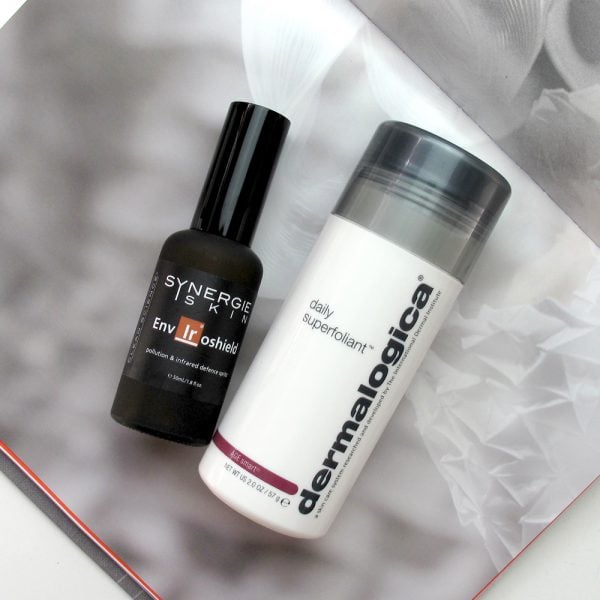
DISCOVER MORE: Click here to learn how to improve your skin texture
Understanding Pollution-Related Skin Damage
The relationship between pollution and skin health is complex, yet increasingly evident as researchers delve deeper into the impacts of environmental factors on our largest organ. One of the primary concerns is the infiltration of particulate matter through the skin, which can trigger inflammatory responses and impair the skin’s natural barrier. This barrier is critical for preventing moisture loss and defending against external irritants, and when compromised, it can lead to various skin conditions.
Urban environments are particularly hazardous due to the higher concentrations of pollutants. For instance, a study conducted in metropolitan areas revealed that residents living in proximity to heavy traffic exhibited greater instances of acne and skin irritation. The acrid air, filled with diesel emissions and exhaust fumes, does not simply evaporate after inhalation; it settles onto the skin, exposing individuals to a cocktail of harmful substances daily.
Pollutants with a Toll on Skin Health
- Particulate Matter (PM2.5 and PM10): These tiny particles can penetrate deeply into the skin, leading to oxidative stress and exacerbating conditions such as rosacea and eczema.
- Ozone: Ground-level ozone can damage skin cells and lead to premature aging. Individuals exposed to elevated ozone levels often report increased dryness and irritation.
- Volatile Organic Compounds (VOCs): Found in various household products, VOCs can disrupt the skin’s lipid barrier, causing issues such as redness and flaky skin.
Moreover, the effects of pollution extend beyond surface level. As these harmful particles infiltrate the skin and contribute to systemic issues, they may also exacerbate conditions such as melasma, a condition marked by dark patches of skin, often triggered by hormonal changes but further influenced by environmental stressors. Understanding these factors is pivotal for urban dwellers striving for healthy skin amidst pollution’s relentless assault.
Demystifying the Signs of Pollution-Related Damage
The visible effects of pollution on the skin may not always be immediately apparent. Over time, exposure can result in myriad symptoms including dullness, an uneven skin tone, and heightened sensitivity. These signs may initially be mistaken for simply the aging process or lifestyle factors, yet they often have roots in pollution.
Individuals might notice a persistent sallow complexion, or ongoing breakouts that seem unresponsive to topical treatments. Such conditions signal that the skin is struggling to recover from the onslaught of pollutants. Furthermore, many skincare products may fail to address these deeper issues if they do not contain the right protective ingredients. This reality ignites a call to action: recognizing and responding to the skin’s needs amidst the urban landscape is essential for maintaining a healthy glow.
In navigating this complex relationship, awareness is the first step in formulating an effective game plan. By identifying the harmful components prevalent in urban environments, individuals can begin to tailor their skincare strategies to combat these negative influences.
The Impact of Pollution on Skin Health
Pollution has emerged as a significant factor affecting skin health, manifesting in various detrimental ways. Urban dwellers often experience skin problems linked to poor air quality, such as increased incidences of acne, eczema, and premature aging. The fine particulate matter and toxins present in urban areas can penetrate the skin barrier, leading to oxidative stress and inflammation. Recent studies have shown a direct correlation between air pollutants and conditions like dermatitis and pigmentation disorders, necessitating awareness and preventive measures.One of the most alarming impacts of pollution is its role in accelerating skin aging. Pollutants can degrade collagen and elastin, essential proteins that maintain skin’s elasticity and firmness. This degradation can manifest as wrinkles and sagging skin, emphasizing the need for protective skincare routines. The interaction between UV rays and pollution compounds the effects on the skin, making proper sun protection crucial.
How to Protect Yourself
Understanding how to protect your skin from the harmful effects of pollution is vital. First and foremost, adopting a consistent skincare regimen that includes a gentle cleanser can help to remove pollutants accumulated on the skin’s surface. Incorporating active ingredients such as antioxidants—like Vitamin C or E—can provide an additional layer of defense against oxidative damage. Moreover, wearing sunscreen daily is non-negotiable. Even on cloudy days, harmful UV rays can penetrate the atmosphere, exacerbating the effects of pollution on the skin. It’s equally important to choose products that form a barrier against environmental aggressors. Look for formulations that include ingredients like niacinamide and hyaluronic acid, which not only fortify the skin but also improve hydration levels.Hydration plays a crucial role in maintaining skin health. Drinking plenty of water and using moisturizing products can help strengthen the skin’s barrier and enhance its resilience against pollutants. Furthermore, lifestyle choices such as a balanced diet rich in antioxidants and omega fatty acids can support overall skin health, showcasing the interconnectedness of lifestyle and skincare.Utilizing physical barriers, such as hats or sunglasses, during high pollution days can also mitigate direct exposure. With these insights, readers will be empowered to take proactive steps in their skincare journey against the backdrop of environmental adversities.
DIVE DEEPER: Click here to learn how stress impacts your skin
Strategies to Combat Pollution-Related Skin Damage
Given the profound effects pollution can have on skin health, it is imperative to adopt proactive measures that can help mitigate these risks. A tailored skincare regimen can serve as a powerful line of defense against the exposure to environmental toxins. Incorporating specific ingredients and practices can significantly enhance the skin’s resilience amid urban landscapes.
Essential Skincare Ingredients
Choosing products that specifically target pollutants is critical for maintaining skin health. Antioxidants are particularly effective as they neutralize free radicals, minimizing oxidative stress caused by pollution. Ingredients such as vitamin C and green tea extract can rejuvenate and protect the skin by promoting its natural repair processes. For instance, a study published in a dermatological journal illustrated that topical application of vitamin C not only boosts collagen production but also diminishes pigmentation, acting against irregularities exacerbated by pollution.
Moreover, hyaluronic acid plays a vital role by helping to retain moisture, thereby fortifying the skin’s barrier function. As pollution can lead to increased dryness, adding such hydrating agents to one’s skincare routine can prevent the skin from becoming vulnerable to irritants.
Daily Protective Measures
In addition to choosing the right products, maintaining a consistent daily skincare routine is essential. Begin with a gentle cleanser designed to remove pollutants without stripping the skin of its natural oils. Foaming cleansers or those containing charcoal can be beneficial in drawing out impurities. After cleansing, it’s advisable to apply a serum enriched with antioxidants, followed by a moisturizer to seal in hydration. This layering effect is crucial for creating a protective barrier against pollution.
Applying sunscreen is another paramount step in this defense strategy. Exposure to UV rays, in conjunction with pollutants, can lead to accelerated skin aging. A broad-spectrum sunscreen with at least SPF 30 should be applied daily, even on overcast days, as UV rays can penetrate through clouds and worsen skin damage.
Diet and Lifestyle Considerations
Beyond topical treatments, attention to diet can play a significant role in maintaining skin health. Consuming a balanced diet rich in antioxidants such as fruits and vegetables can help bolster the skin’s defenses. Foods high in omega-3 fatty acids, like salmon and walnuts, can combat inflammation, often triggered by environmental pollutants. Furthermore, staying hydrated by drinking sufficient water aids in maintaining skin elasticity and moisture, crucial for combatting dryness caused by pollution.
Adopting a healthier lifestyle through regular exercise also has positive repercussions for skin health. Physical activity encourages circulation, helping to flush out toxins and promote a clearer complexion. Aiming for at least 30 minutes of moderate exercise several times a week can enhance overall well-being.
Protective Measures Beyond Skincare
Lastly, considering air quality is essential, especially in urban settings. Utilizing air purifiers within living spaces can significantly improve indoor air quality, thereby reducing overall exposure to pollutants. Additionally, wearing protective clothing and accessories, such as hats and sunglasses, can shield the skin from direct exposure to harsh environmental elements.
By integrating these strategies into daily life, individuals can arm their skin against the persistent threat of pollution, promoting a healthier complexion that withstands the urban environment’s challenges.
DIVE DEEPER: Click here to uncover more
Conclusion
The intricate relationship between pollution and skin health cannot be overstated. As urban environments continue to burgeon, the debilitating effects of environmental toxins on our skin become increasingly evident. From increased signs of aging to heightened sensitivity, the toll pollution takes on our skin necessitates a proactive approach to skincare and overall wellness. By integrating protective measures, such as using products rich in antioxidants, maintaining daily routines that include gentle cleansers, and staying hydrated with a nutrient-rich diet, individuals can bolster their skin’s defenses.
Moreover, understanding the importance of air quality and taking steps to improve it within our personal spaces can play a significant role in mitigating environmental impacts. Small changes, such as incorporating air purifiers or regularly monitoring local pollution levels, can help create a healthier atmosphere for our skin. It is essential to recognize that the quest for skin health goes beyond topical treatments; adopting a holistic lifestyle that includes regular exercise and protective behaviors is equally vital.
As we advance into an era where pollution continues to pose risks, educating ourselves and remaining vigilant are our best allies. We encourage readers to explore further, stay informed about ongoing research, and adjust their skincare regimens to combat the harmful effects of pollution effectively. By taking these steps, we not only enhance our skin’s health but also promote a broader awareness of environmental issues affecting our well-being.