

Introduction to Deep Hydration Techniques
Maintaining proper moisture balance in our skin is essential for a radiant and healthy appearance. However, environmental factors, lifestyle choices, and even seasonal changes can disrupt this balance, leading to dryness and discomfort. Understanding how to effectively restore and protect your skin’s moisture can make all the difference in achieving a glowing complexion.
The skin serves as a barrier against external elements, and when it becomes compromised due to lack of moisture, it can result in a myriad of issues such as flakiness, tightness, and accelerated aging. Factors such as cold weather, heating systems, and even the harsh summer sun can strip the skin of its natural oils, making it crucial to adopt effective hydration strategies. Incorporating deep hydration techniques not only remedies dryness but enhances overall skin texture and tone.
In this guide, we will explore some essential methods to rejuvenate your skin and keep it looking its best. Below, you will find key techniques that can transform your skincare routine:
- Hydrating Ingredients: Familiarize yourself with the incredible benefits of ingredients like hyaluronic acid, known for its ability to hold up to 1,000 times its weight in water. Glycerin is another powerhouse that draws moisture from the environment to the skin, while natural oils such as jojoba or argan oil help replenish lost fats.
- Moisture Locking Techniques: Occlusive agents like petrolatum and lanolin create a physical barrier on the skin’s surface, locking in hydration and preventing moisture loss. On the other hand, emollients such as shea butter and squalane soften and smooth the skin, enhancing its texture.
- Hydration Boosting Routines: Regularly incorporating masks, serums, and overnight treatments can significantly amplify skin hydration levels. For example, hydrating sheet masks can provide an instant moisture boost, while a well-formulated serum can penetrate deeply for lasting effects.
- Dietary Considerations: It’s important to remember that hydration starts from within. Consuming a balanced diet rich in water-dense fruits and vegetables, omega-3 fatty acids, and antioxidants can profoundly influence skin health. Consider foods like avocados, salmon, and berries that not only nourish but also help maintain skin hydration.
With the right understanding of these profound techniques and ingredients, you can take proactive steps to combat dryness and bolster your skin’s barrier. Each method presents an opportunity to tailor your skincare routine according to your specific needs and lifestyle. Let’s dive deeper into these deep hydration methods and unlock the secrets to achieving a well-hydrated and youthful complexion.
DISCOVER MORE: Click here to learn about the influence of natural ingredients
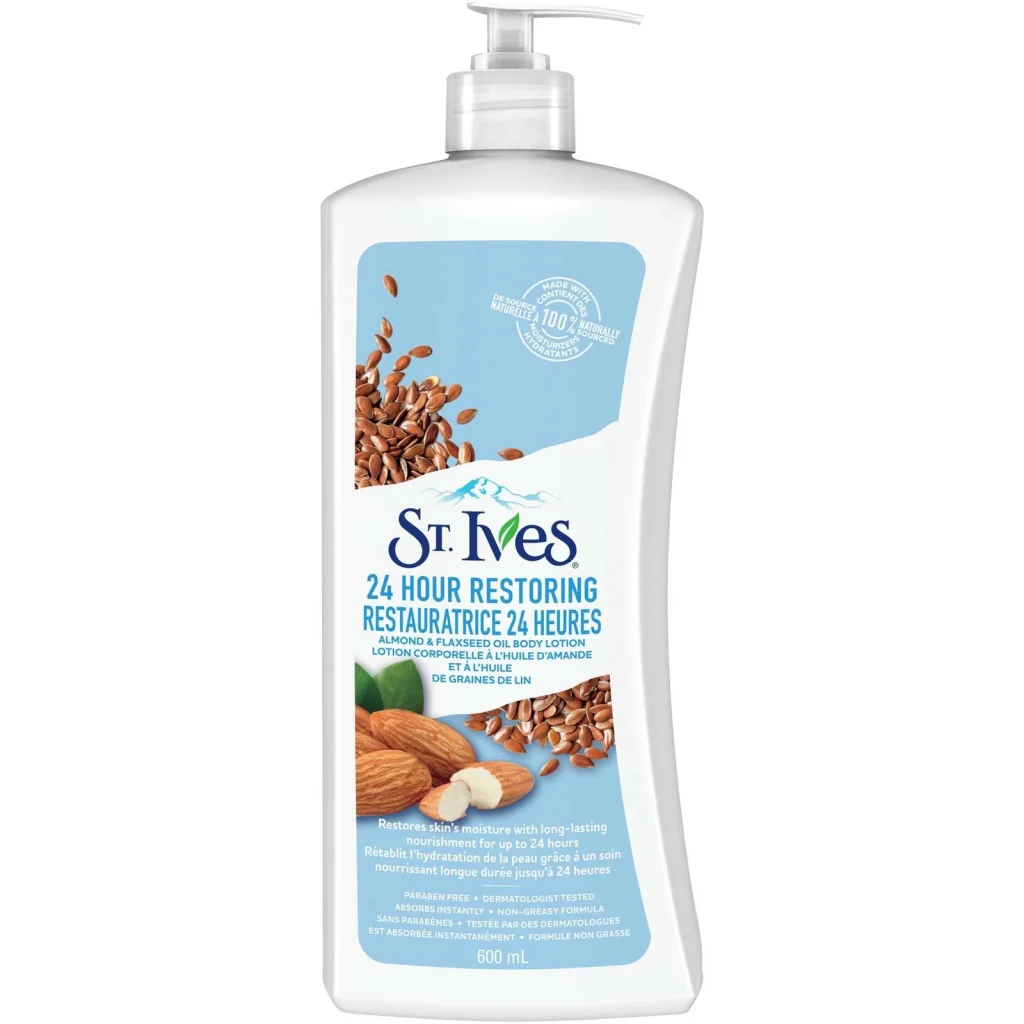
Understanding Hydration Ingredients for Optimal Skin Care
When it comes to deep hydration techniques, the foundation lies in understanding which ingredients are most effective at attracting, retaining, and locking in moisture. Ingredients like hyaluronic acid are widely celebrated for their incredible moisture-binding properties. This gelatinous substance, naturally found in the skin, can hold up to 1,000 times its weight in water, making it a cornerstone for any hydration-focused skincare regimen. It works by drawing moisture from the environment, allowing the skin to appear plump and youthful. Incorporating products infused with hyaluronic acid can bring immediate relief to dehydrated skin.
In addition to hyaluronic acid, another essential ingredient to consider is glycerin. This humectant not only helps draw moisture into the skin but also prevents evaporation, ensuring prolonged hydration. When combined with occlusive agents, such as petrolatum or lanolin, glycerin forms a barrier that locks in hydration, preventing dryness from taking hold.
Exploring Natural Oils and Emollients
Natural oils, such as jojoba and argan oil, also play a vital role in restoring moisture balance. Unlike heavy oils, jojoba mimics the skin’s natural sebum, making it an excellent choice for all skin types, including oily skin. Not only does it hydrate, but it also helps regulate oil production, providing a dual benefit. On the other hand, argan oil is rich in essential fatty acids and vitamin E, which aids in repairing the skin barrier and enhancing overall texture while imparting a subtle glow.
- Shea Butter: Known for its deep moisturizing properties, shea butter is packed with vitamins A and E and offers an emollient quality that smooths the skin while sealing in moisture.
- Squalane: A lightweight, non-comedogenic oil that mimics the skin’s natural oils, squalane is excellent for both hydration and barrier repair.
- Avocado Oil: This nutrient-dense oil is not only hydrating but also loaded with antioxidants and phytochemicals, offering anti-inflammatory properties that help soothe dry skin.
The Power of Moisture Locking
Once you’ve hydrated your skin with these potent ingredients, the next step in your deep hydration routine is to prevent moisture loss through moisture-locking techniques. Applying occlusive agents forms a protective layer over the skin’s surface, significantly reducing transepidermal water loss (TEWL). Regular adherence to moisture-locking practices can lead to softer, more supple skin, drastically enhancing its appearance.
Understanding and incorporating these vital hydration ingredients and techniques into your skincare routine can significantly improve your skin’s moisture balance. By targeting dryness with powerful, science-backed ingredients, you can pave the way towards achieving a plump, youthful complexion. With the right knowledge, the journey to well-hydrated skin is within reach.
| Hydration Technique | Description and Benefits |
|---|---|
| Layering Products | Using multiple hydrating products in a specific order enhances moisture retention. Serums, oils, and moisturizers work synergistically to lock in hydration. |
| Humectants | Ingredients like glycerin and hyaluronic acid draw moisture from the air into your skin, making it feel plump and rejuvenated. Incorporating humectants ensures lasting hydration throughout the day. |
| Occlusives | Products containing occlusive agents, such as petrolatum or beeswax, form a barrier on the skin to prevent water loss. Using occlusives after hydration is key for maintaining moisture balance. |
| Facial Misting | Regular facial mists, especially those with floral waters, can give an instant moisture boost. Misting throughout the day refreshes and hydrates, making it perfect for dry environments. |
| Hydrating Masks | Weekly applications of hydrating masks can drastically enhance moisture levels. Look for masks with natural oils and antioxidants to revive and protect the skin. |
DON’T MISS: Click here to uncover the truth about hydration and skin texture
Utilizing Advanced Hydration Techniques
As we dive deeper into the world of deep hydration techniques, it’s essential to explore advanced methods that not only replenish moisture but also enhance skin health. In recent years, *transdermal delivery systems* and *hydration boosters* have gained traction in the skincare industry. These innovative solutions enable deeper penetration of hydration ingredients into the skin layers, optimizing moisture retention and overall skin texture.
The Role of Humectants in Hydration
Humectants are a category of ingredients that attract moisture from the environment and the deeper layers of the skin, making them vital players in hydration strategies. If you’re seeking potent sources of hydration, look for products that feature urea and sodium PCA. Urea not only helps to attract water but also provides exfoliating benefits, improving skin texture. Meanwhile, sodium PCA is a naturally occurring component of human skin, effectively binding moisture to the skin cells and ensuring long-lasting hydration.
Integrating Hydration Tools
Beyond topical products, hydration tools can significantly enhance your moisture retention strategies. Devices like *facial misters* or *humidifiers* can replenish moisture levels in the air, promoting a hydrated environment. For those who favor advanced skincare technologies, consider investing in *microcurrent devices* or *LED light therapy*. These tools increase blood circulation and enhance product absorption, allowing hydrating ingredients to penetrate deeper and work more efficiently.
- Facial Misters: These convenient tools disperse a fine mist of hydrating ingredients, providing instant relief, especially during dry seasons or after long hours in air-conditioned spaces.
- Hydration Masks: Sheet masks or creamy overnight masks are perfect to introduce a burst of hydration. Look for those rich in marine extracts or botanical ingredients that lock in moisture.
- Cool Towel Technique: A chilled damp towel, applied to the face, can provide immediate soothing relief while enhancing blood flow and promoting hydration.
Maintaining a Holistic Approach to Skin Hydration
Deep hydration isn’t solely dependent on the products you apply; it’s crucial to adopt a comprehensive approach. Drinking adequate water is paramount, with a guideline suggesting *at least eight 8-ounce glasses* daily to maintain inner hydration. Additionally, integrating foods rich in omega-3 fatty acids—such as salmon, walnuts, and flaxseeds—can bolster the skin barrier and protect against moisture loss.
Furthermore, understanding your skin type is essential for tailoring your hydration routine. For instance, those with oily skin may benefit from lighter formulations with gel-based textures, while individuals with dry skin may find richer creams or oils more effective. Personalization in your approach can lead to remarkable differences in your skin’s moisture balance.
Educating Yourself on Seasonal Changes
Hydration needs can vary by season, making it important to adapt your routine accordingly. In winter, a heavier moisturizer may be required to combat the dry, indoor heating, while summer may call for lighter formulations that provide hydration without heaviness. By staying attuned to seasonal changes and your skin’s responses, you can optimize hydration efforts throughout the year.
Understanding and applying these advanced deep hydration techniques, while taking a holistic and adaptive approach, can transform your skincare regimen into a powerhouse of moisture. With a wealth of options at your disposal, achieving and maintaining optimal skin hydration is no longer a distant dream but an achievable goal.
DISCOVER MORE: Click here to learn about the impact of makeup on your skin texture
Conclusion
In summary, adopting deep hydration techniques is essential for restoring and maintaining optimal moisture balance in your skin. By incorporating advanced methods such as *transdermal delivery systems* and powerful *humectants* like urea and sodium PCA, you can significantly enhance your skin’s ability to retain moisture. Furthermore, utilizing hydration tools such as facial misters and hydration masks adds an extra layer of hydration, making your skincare routine more effective.
It is crucial to remember that hydration goes beyond external applications. A holistic approach that includes adequate water intake and a diet rich in omega-3 fatty acids can dramatically improve your skin’s barrier function. Additionally, being aware of seasonal changes allows you to adapt your skincare regimen, ensuring your skin receives the right nourishment it needs throughout the year.
By personalizing your hydration strategies based on skin type and environmental factors, you empower yourself to make informed choices that lead to healthier, more radiant skin. Remember, achieving and maintaining moisture balance is not merely about the products you choose; it’s about developing a comprehensive, adaptable skincare routine that evolves with your lifestyle. As you embark on this journey to deep hydration, the key is consistency and mindfulness in your approach. With diligence, your skin will thank you, revealing a rejuvenated and luminous complexion.