
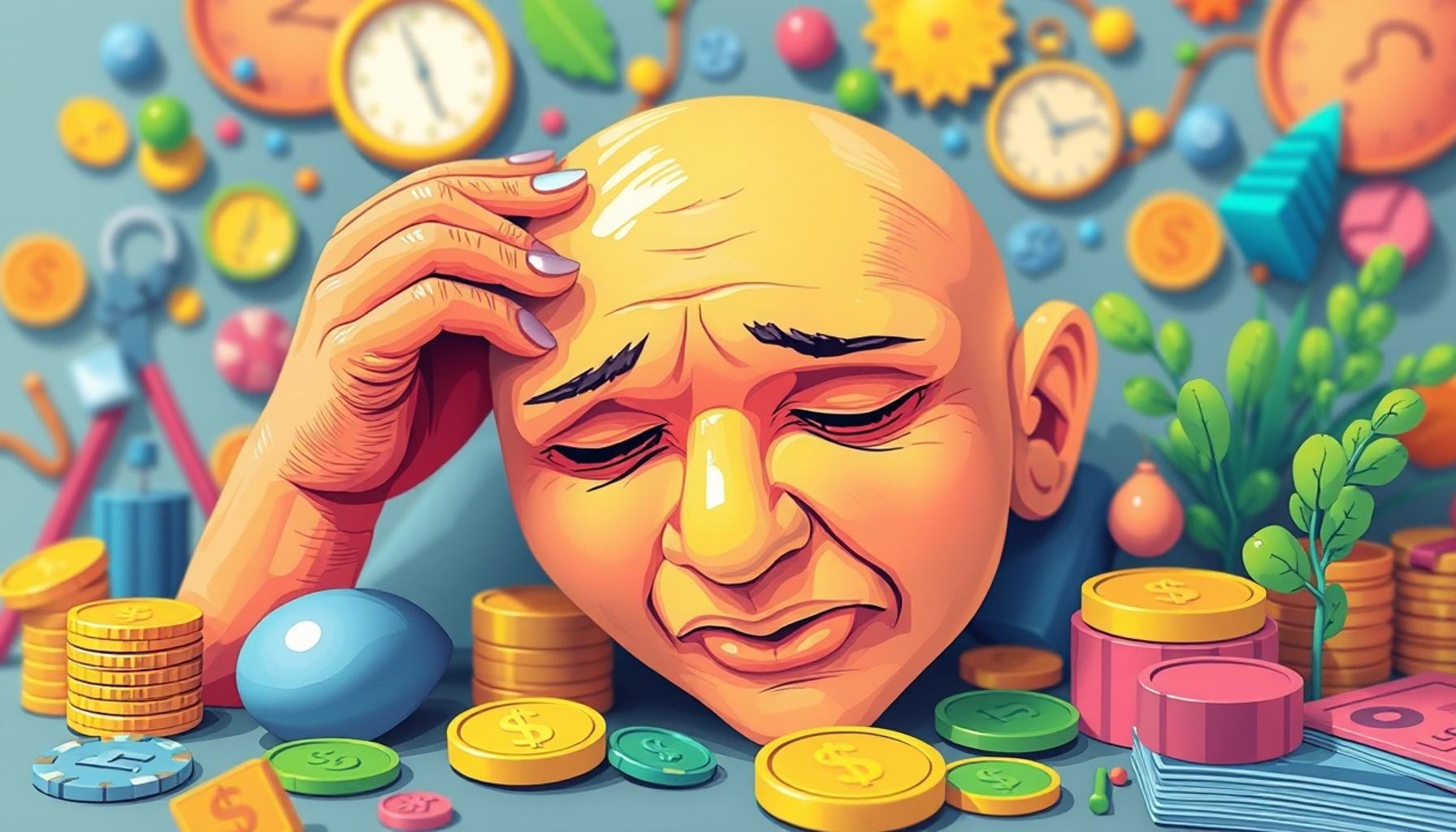
Understanding the Effects of Stress on Skin Health
Many people overlook the profound impact that stress can have on our skin’s appearance. Daily pressures related to work, family, and social expectations often go hand-in-hand with skin problems that can progress unnoticed. Research indicates that stress can not only accelerate the skin aging process but also spur the development of various skin conditions. The link between stress and skin health is particularly important for those who aspire to maintain a youthful and vibrant complexion.
Exploring the Mechanisms at Play
To fully grasp how stress affects our skin, it’s important to understand a few biological mechanisms:
- Cortisol Release: When faced with stress, our body releases cortisol, a hormone that prepares us for a ‘fight or flight’ response. While crucial for survival, elevated cortisol levels over prolonged periods can trigger inflammation. This inflammation manifests as redness, puffiness, and even acne, disrupting the skin’s natural barrier and leading to long-term damage.
- Collagen Breakdown: Collagen is a protein that plays a significant role in maintaining skin firmness and elasticity. Stress can disrupt collagen production, leading to premature wrinkles and sagging skin. Recent studies suggest that managing stress can help maintain collagen levels, leading to a more youthful appearance.
- Exacerbation of Skin Conditions: For individuals suffering from conditions like eczema, acne, or psoriasis, stress can be a major trigger. It may not only aggravate these existing issues but also make the skin more susceptible to infections and irritations, further complicating treatment and management.
Protective Measures to Consider
Given the significant effects of stress on skin health, adopting effective strategies to mitigate these impacts becomes critical. Here are some essential tips to consider:
- Practice mindfulness and relaxation techniques such as yoga, meditation, or deep-breathing exercises. Engaging in these practices can lower cortisol levels and promote overall mental well-being, thereby benefiting your skin.
- Maintain a balanced diet rich in antioxidants and vitamins A, C, and E. Foods like berries, nuts, and leafy greens can provide the nutrients necessary to combat oxidative stress and support skin repair.
- Stay hydrated to support skin moisture and elasticity. Drinking adequate amounts of water not only helps in maintaining hydration levels within the skin but also aids in flushing out toxins that can lead to further skin issues.
By delving deeper into how stress affects your skin, you can gain valuable insights that help you make informed lifestyle adjustments. Understanding this relationship empowers individuals to embrace proactive skincare techniques, ultimately leading to radiant and resilient skin. This journey into skin health necessitates a fusion of knowledge and practice, paving the way for lasting glow and vitality while also emphasizing the necessity of self-care in today’s fast-paced world.
DIVE DEEPER: Click here to uncover the truths about hydration and skin texture

Uncovering the Impact of Stress on Skin Aging
As the hustle and bustle of modern life continually pressures individuals, an often unrecognized consequence lurks beneath the surface: the gradual aging of our skin. In a world where stressors are ubiquitous, understanding their impact on skin health is crucial. Recent studies have illuminated the intricate relationship between stress and skin aging, revealing that prolonged stress not only affects our mental health but also significantly accelerates the aging process of our skin.
The Science Behind Stress and Skin Aging
To appreciate the extent to which stress can influence skin aging, it is vital to delve into some key scientific findings:
- Telomere Shortening: One of the most alarming aspects of stress is its role in the shortening of telomeres, the protective caps at the ends of chromosomes. Shorter telomeres are associated with aging and can lead to a decrease in skin cell regeneration. This biological change can cause skin to look more tired and wrinkled over time.
- Free Radical Production: Stress is known to generate an increase in free radicals—unstable molecules that can damage skin cells and accelerate the aging process. This oxidative stress can manifest as fine lines, uneven skin tone, and loss of elasticity, making it essential to find strategies to counteract these detrimental effects.
- Reduced Sleep Quality: High-stress levels are often correlated with poor sleep, which can lead to a host of skin issues, including dark circles and dullness. Sleep is when the body undergoes repair, including skin regeneration. Therefore, inadequate rest can further amplify signs of aging.
Integrating Stress Management into Your Skincare Routine
Understanding how stress fundamentally alters skin conditions is only half the battle; the other half lies in implementing effective measures to protect and nurture your skin. By integrating stress management techniques into your daily routine, you can not only improve your overall well-being but also help maintain a youthful appearance. Consider these actionable protection tips:
- Engage in Regular Physical Activity: Exercise is a powerful tool for managing stress. It promotes the release of endorphins, which can elevate mood and reduce stress levels. Furthermore, the increased blood flow during exercise can enhance skin health by delivering more oxygen and nutrients.
- Utilize Skin-Nourishing Products: Look for skincare products that contain anti-aging ingredients such as retinol, hyaluronic acid, and peptides. These ingredients can help combat fine lines and improve overall skin texture, delivering visible results over time.
- Establish a Consistent Skincare Routine: Create a daily skincare regimen that includes cleansing, moisturizing, and sun protection. Regularly caring for your skin not only addresses the visible effects of aging but also serves as a form of self-care that can alleviate stress.
By understanding the dynamics between stress and skin aging, individuals can take proactive measures to counteract the effects of stress on their skin’s appearance. Embracing stress management and protective skincare techniques can pave the way to a healthier, more youthful complexion.
The Relationship Between Stress and Skin Aging: Protection Tips
Understanding how stress impacts skin aging is crucial for maintaining a youthful appearance. Elevated levels of stress have been scientifically linked to increased oxidative stress in the body, leading to a breakdown of collagen and elastin—two essential proteins that keep the skin firm and elastic. Studies show that those under chronic stress may age faster, not just physically but also at a cellular level. The skin can start displaying signs such as wrinkles, fine lines, and even changes in tone, which may become more pronounced if stress continues to be a factor.
Moreover, when the body is stressed, it produces higher amounts of cortisol, a hormone that can lead to inflammation and a decrease in skin barrier function. This results in conditions like acne, eczema, and psoriasis, further impacting one’s aesthetic. Therefore, managing stress effectively is essential not just for mental well-being but also for skin health.
To combat the negative effects of stress on your skin, incorporating various protection tips can be highly beneficial. Techniques such as mindfulness meditation, regular exercise, and a balanced diet rich in antioxidants can play a significant role. Additionally, practicing skincare routines that include moisturization and sun protection will help shield the skin from environmental aggressors. To foster a protective barrier, consider products that are rich in vitamins C and E, known to combat oxidative stress.
| Category 1 | Category 2 |
|---|---|
| Stress Management Techniques | Mindfulness meditation and yoga |
| Nutrition | Antioxidant-rich foods for skin health |
| Skincare Products | Vitamins C and E for protection |
In-depth exploration of these aspects can lead to valuable insights into how enhancing your overall lifestyle may prolong the youthful qualities of your skin. As we delve deeper into the complexities of stress and skin aging, it becomes clear that taking proactive steps is vital for defense against premature aging.
DON’T MISS: Click here to learn why sun protection is essential
Adopting a Holistic Approach to Skin Health
In addition to integrating stress management techniques into your skincare routine, embracing a holistic approach can further amplify your skin’s resilience against aging. The relationship between stress and skin aging emphasizes the importance of not only treating the external signs but also addressing internal health factors that contribute to skin vitality.
Nutrition and Hydration: The Foundation of Healthy Skin
The adage “you are what you eat” rings particularly true when considering skin health. Nutritional choices significantly impact how your skin ages over time. A well-balanced diet rich in antioxidants, vitamins, and healthy fats can combat the effects of stress on your skin. Vitamin C, for instance, plays a pivotal role in collagen production, helping to maintain skin elasticity and firmness. Citrus fruits, berries, and leafy greens should be staples in your diet.
Incorporating omega-3 fatty acids, found in fish like salmon and walnuts, can also reduce inflammation, which is exacerbated by stress. Furthermore, staying adequately hydrated by drinking plenty of water can improve skin’s overall texture and elasticity. Aim for at least eight glasses of water a day to keep your skin plump and youthful.
The Role of Mindfulness and Relaxation Techniques
Mindfulness and relaxation techniques have gained recognition for their role in managing stress and promoting overall well-being. Practices such as meditation, yoga, and deep-breathing exercises can significantly reduce stress levels and, in turn, diminish its negative impact on skin aging. For example, a study by the American Psychological Association found that individuals who practiced mindfulness reported lower levels of perceived stress, which translated to fewer skin issues.
Setting aside just a few minutes each day for mindfulness meditation can help you cultivate a tranquil mindset. Engaging in yoga not only promotes flexibility and strength but also enhances blood circulation, which can result in a healthier complexion. Perhaps consider attending a local class or using one of the numerous online platforms to find a practice that resonates with you.
Regular Facial Treatments: A Boost for Your Skin
Incorporating regular facial treatments into your skincare routine can provide targeted relief from stress-induced skin concerns. Facials that include calming ingredients like chamomile and aloe vera can soothe irritated skin and refresh a tired appearance. Additionally, microdermabrasion and chemical peels can help remove dead skin cells, promote cell turnover, and combat signs of aging by revealing healthier skin beneath the surface.
Consulting with a dermatologist can also offer personalized treatment options tailored to your specific skin type and concerns. Professional advice can help you identify strategies that align best with your skin goals, enabling you to effectively counteract the aging effects of stress.
Creating a Stress-Free Environment
The environment in which you live can tremendously influence your stress levels and, consequently, your skin’s appearance. Creating a serene and organized living space can help reduce daily stressors. Simple changes, such as decluttering your home, utilizing calming scents through aromatherapy, or incorporating natural elements like plants, can enhance your overall sense of tranquility.
Moreover, setting boundaries on work and personal commitments can prevent burnout and foster a more balanced lifestyle. Engaging in hobbies or activities that spark joy can serve as a wonderful outlet for stress relief and keep your skin looking youthful by minimizing the toll that stress takes on your health.
By broadening your approach to skin care and considering factors that affect overall health, you can effectively mitigate the aging impacts of stress and preserve a radiant, youthful complexion.
DON’T MISS: Click here to learn how nutrition affects your skin health
Conclusion: Nurturing Your Skin from Within
Understanding the profound relationship between stress and skin aging opens new avenues for maintaining a youthful appearance. By acknowledging that stress does not merely impact our mental health but also directly affects our skin’s vitality, we can take proactive steps to mitigate its effects. A holistic approach—combining stress management techniques, balanced nutrition, mindfulness practices, and regular skincare treatments—serves as an empowering strategy for promoting lasting skin health.
Prioritizing nutrient-rich diets, such as providing your skin with antioxidants and essential fatty acids, can strengthen its defenses against stress-induced damage. Adequate hydration plays an equally critical role, reinforcing your skin’s elasticity and resilience. Moreover, incorporating mindfulness practices like meditation and yoga can create a sense of peace that not only enriches your mind but also translates to tangible benefits for your skin.
Furthermore, don’t underestimate the power of environmental factors in shaping both your stress levels and skin health. A harmonious living space can significantly enhance your well-being. By nurturing your external surroundings alongside your internal balance, you stand to gain not just a youthful glow, but also a rejuvenated spirit.
Ultimately, prioritizing stress management as part of your skincare strategy can pave the way for a luminous and resilient complexion. Understanding that your skin’s health is interconnected with your mental state empowers you to take charge and embrace a lifestyle that celebrates both beauty and well-being.