
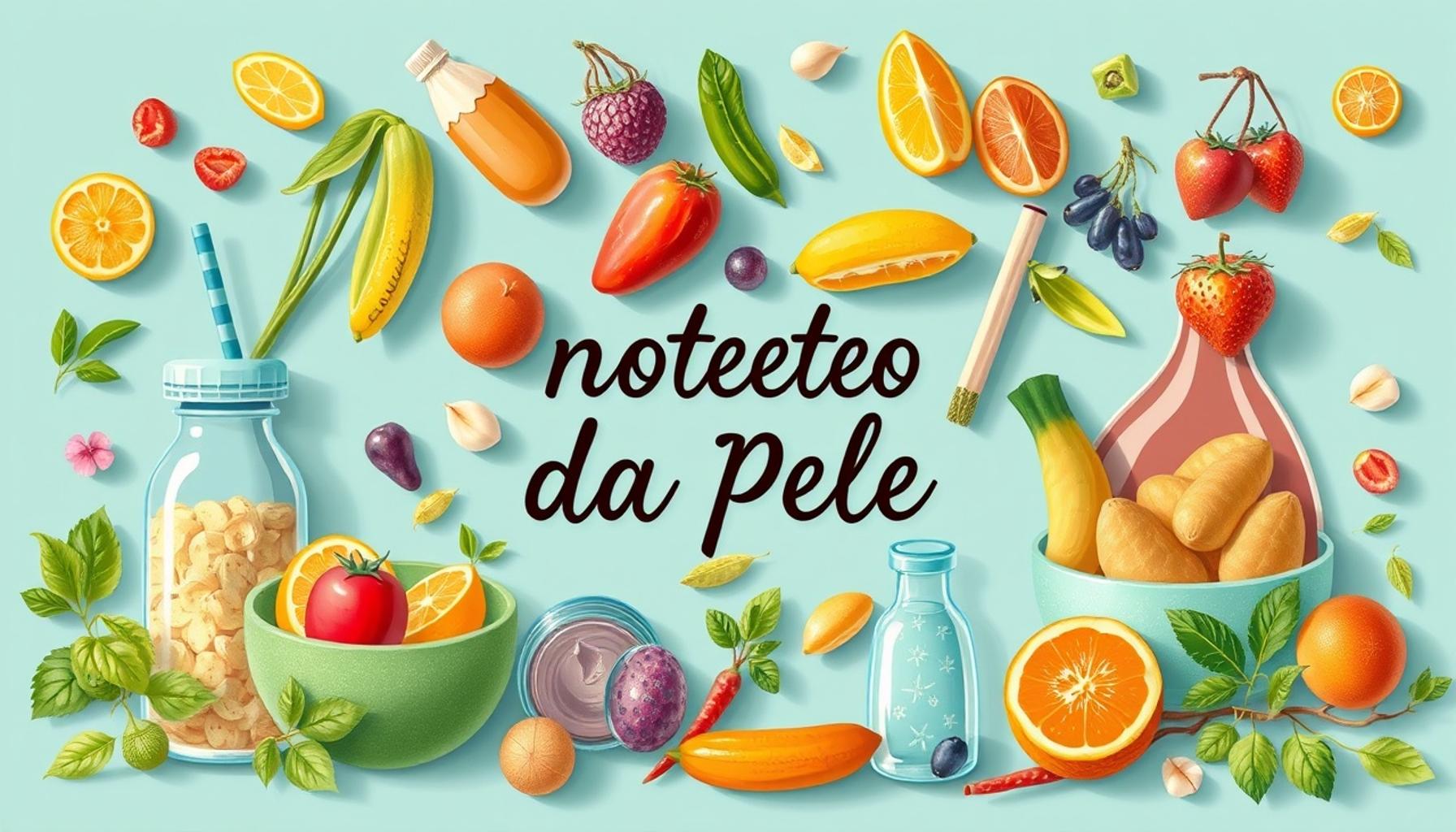
The Crucial Role of Nutrition in Skin Health
The skin is a dynamic organ, constantly interacting with our environment while serving as a protective barrier for our internal systems. It’s often said that our skin is a reflection of our overall health, and emerging research increasingly supports this notion. While many individuals turn to topical regimens for skin care, the underlying truth is that nutrition plays a paramount role in upholding a healthy skin barrier. A well-nourished body can significantly enhance skin resilience against various environmental stressors, leading to a radiant appearance.
Different essential nutrients can directly impact skin integrity and function. Key components to consider include:
- Vitamins: Notably, Vitamin C and E serve as vital antioxidants. Vitamin C aids in collagen production, necessary for maintaining skin structure and preventing sagging. Foods rich in Vitamin C, such as oranges, strawberries, and bell peppers, can promote a youthful glow. Vitamin E, found in nuts and spinach, helps in combating oxidative stress, thus guarding the skin from damage caused by UV exposure.
- Fatty Acids: Omega-3 and Omega-6 fatty acids are critical for maintaining skin hydration and elasticity. These healthy fats, prevalent in fish, flaxseeds, and walnuts, help to lock in moisture and provide essential nutrients to skin cells, which can counteract dryness and promote elasticity.
- Minerals: Selenium and Zinc are two minerals that underpin skin repair and protection. Zinc is instrumental in collagen synthesis and has anti-inflammatory properties that can help soothe skin irritations. Sources of zinc include pumpkin seeds, meat, and legumes. Selenium, found in Brazil nuts and seafood, provides a defensive barrier against the harmful effects of UV radiation.
The connection between diet and skin health empowers individuals to make well-informed choices about what they consume. Studies show that a diet abundant in whole foods, particularly fruits, vegetables, nuts, and seeds, not only nourishes the body but also cultivates a robust skin barrier. Antioxidant-rich foods can specifically help mitigate the signs of aging and improve skin texture, making them an essential part of any skin-care strategy.
As scientific research continues to unveil the intricate relationship between nutrition and skin health, staying informed is more important than ever. Discussing these necessary nutrients can lead to long-term benefits for both skin and overall health. By engaging in proactive dietary habits, individuals can not only enhance their skin’s appearance but also foster their general well-being. It is a journey worth embarking on, one bite at a time.
DISCOVER MORE: Click here to learn about the latest innovations

The Power of Essential Nutrients for Your Skin Barrier
As we delve deeper into the science of skin and nutrition, it becomes clear that the health of our skin barrier is intricately linked to the foods we consume. The skin barrier plays an essential role in preserving moisture and preventing the penetration of harmful substances. A well-functioning barrier ensures that the skin remains hydrated, resilient, and capable of defending against external aggressors like pollution and UV rays.
Among the myriad of nutrients, several stand out in their ability to bolster skin protection:
- Vitamin A: This vitamin is crucial for skin cell production and regeneration. It aids in maintaining skin health and has been shown to diminish the appearance of fine lines. Foods like sweet potatoes, carrots, and dark leafy greens are excellent sources of this vital nutrient.
- Vitamin D: Often referred to as the “sunshine vitamin,” Vitamin D is synthesized when skin is exposed to sunlight. It plays a significant role in skin hydration and repair. For those who may not get enough sun exposure, foods such as salmon, fortified milk, and egg yolks can help in meeting the body’s needs for this essential vitamin.
- Antioxidants: Beyond Vitamins C and E, other antioxidants like flavonoids and polyphenols found in berries, green tea, and dark chocolate can also protect the skin from oxidative stress. These compounds counteract free radicals, which can damage skin cells and accelerate aging.
- Polyunsaturated Fatty Acids: In addition to Omega-3 and Omega-6, other forms of polyunsaturated fatty acids are vital for skin health. These fats help in healing skin conditions such as eczema and psoriasis, reducing inflammation, and maintaining the skin’s moisture balance. Incorporating sources like chia seeds, walnuts, and algae can enhance skin vitality.
Moreover, the foods we choose can also affect the overall microbiome of our skin—an often-overlooked aspect of skin health. The skin’s microbiome serves as a first line of defense, protecting against harmful microbes and supporting cellular health. Diets rich in fermented foods such as yogurt, kimchi, and sauerkraut can promote a balanced skin microbiome, creating an environment conducive to healthy skin.
Engaging with nutrient-dense foods not only nourishes the skin from the inside out but also enhances its ability to recover from daily challenges. In a world where pollutants and environmental stressors abound, understanding the role of these essential nutrients provides a strategic advantage in the pursuit of healthier skin. As ongoing research continues to clarify the remarkable synergy between nutrition and skin health, integrating knowledge about specific nutrient sources into daily routines can lead to improved skin barrier function and overall wellness.
The Relationship Between Nutrition and Skin Protection
The skin serves as a vital barrier between the body and the external environment, protecting us from harmful microorganisms and chemical substances. However, this defense mechanism can be compromised. Therefore, understanding how nutrition impacts skin health is paramount for maintaining a robust skin barrier. One of the key players in skin protection is a well-balanced diet rich in essential nutrients. Vitamins, particularly Vitamin E and Vitamin C, act as antioxidants that help combat oxidative stress, a factor that can lead to skin aging and damage. Vitamin E can be found in nuts, seeds, and green leafy vegetables, while Vitamin C is abundant in citrus fruits, strawberries, and bell peppers. Including these foods not only supports overall health but also contributes to the resilience of your skin.Another critical group of essential nutrients includes fatty acids, particularly omega-3 and omega-6. These fatty acids play a crucial role in maintaining the skin membrane’s integrity. They help to retain moisture, making the skin appear plump and youthful. Sources of omega-3 fatty acids include fatty fish like salmon and flaxseeds, while omega-6 can be found in vegetable oils and nuts. Incorporating a variety of minerals such as zinc, selenium, and copper in your diet can also bolster skin health. Zinc helps with skin repair and regeneration, while selenium acts as another antioxidant, protecting skin cells from damage. Copper promotes collagen production, essential for skin elasticity.Hydration is another neglected aspect of skin protection. Water intake is paramount in ensuring skin remains hydrated and supple. The skin barrier relies on moisture retention, and when the body is hydrated, the skin reflects this healthfulness.This interconnection posits that a nutrient-rich diet is indispensable for maintaining a healthy skin barrier. By focusing on what you eat, you not only enhance your skin’s appearance but also fortify its function as a protective barrier. To delve deeper into how specific diets can further optimize skin health, consider exploring various culinary traditions that emphasize local, nutrient-dense foods. In summary, the broader understanding of nutrition’s impact on skin health illuminates the importance of dietary choices in paving the way for both aesthetic beauty and functional skin protection.
DIVE DEEPER: Click here to learn more about essential nutrients for radiant skin
Building Resilience: More Nutrients for Skin Health
While we have explored several critical nutrients that foster skin protection, it’s essential to widen our lens to include other key players in this dynamic relationship between nutrition and skin health. Among them, minerals such as zinc and selenium stand out for their vital roles in maintaining skin barrier integrity and preventing skin disorders.
- Zinc: Often referred to as the “mineral of immunity,” zinc is fundamental in cellular repair and regeneration. It helps maintain structural integrity within the skin and protects against UV radiation. Furthermore, zinc’s anti-inflammatory properties make it especially beneficial for individuals dealing with acne or other inflammatory skin conditions. Foods rich in zinc include oysters, beef, pumpkin seeds, and lentils, making it relatively easy to incorporate into a balanced diet.
- Selenium: This powerhouse antioxidant helps combat oxidative stress and prevents cellular damage by neutralizing free radicals. Selenium plays a role in maintaining skin elasticity and may protect against skin cancers. Brazil nuts are famously high in selenium, while fish, eggs, and whole grains are also excellent sources that can easily fit into your weekly meal plan.
In addition to vitamins and minerals, it’s imperative to understand the significance of hydration in building a robust skin barrier. Adequate water intake is crucial, as it helps maintain skin moisture levels and supports overall skin function. While drinking water is pivotal, consuming hydrating foods like cucumbers, watermelon, and celery can also contribute effectively to hydration. Foods rich in water not only keep the body hydrated but also provide essential vitamins and antioxidants that work synergistically to improve skin texture and appearance.
The Impact of Dietary Patterns on Skin Health
Beyond individual nutrients, recent studies suggest that overall dietary patterns play a critical role in skin health. The Mediterranean diet, characterized by high consumption of fruits, vegetables, whole grains, nuts, and healthy fats, has been associated with improved skin appearance and reduced signs of aging. This diet’s rich array of nutrients helps combat oxidative stress and inflammation, promoting a healthier skin microbiome and barrier.
Moreover, navigating the world of supplements can also be an avenue for enhancing skin health. For those unable to meet their nutritional needs through diet alone, specific supplements containing a blend of micronutrients such as Vitamin C, collagen peptides, and hyaluronic acid can support skin texture and hydration. However, it’s recommended to consult with a healthcare provider before starting any new supplement regimen, as the body’s reactions to supplements can vary.
As we continue to unravel the connections between nutrition and skin protection, it’s essential for individuals to cultivate an awareness of how their lifestyle choices influence skin health. Adopting a diet rich in vital nutrients not only benefits the skin barrier but also promotes overall well-being, establishing a well-rounded approach to health that begins on the plate.
LEARN MORE: Click here for tips on choosing skincare for sensitive skin
Conclusion: Nourishing Your Skin from Within
In today’s fast-paced world, where the quest for flawless skin often leads to an overwhelming skincare market, it is vital to recognize the profound role that nutrition plays in skin protection. The intricate relationship between diets rich in essential nutrients and a healthy skin barrier underscores the importance of fostering well-rounded eating habits. Key nutrients such as vitamins A, C, and E, essential fatty acids, and minerals like zinc and selenium serve as the building blocks for effective skin defense mechanisms.
Moreover, understanding the impact of hydration, both through water intake and hydrating foods, adds another layer to maintaining optimal skin health. The Mediterranean diet exemplifies an effective dietary pattern that promotes not only skin vitality but overall health, emphasizing the connection between what we eat and how we look.
As we embrace a holistic approach to skincare, it becomes increasingly clear that the solutions for healthier skin begin from within. By prioritizing a diverse array of nutrient-dense foods and being mindful of our dietary choices, we can empower ourselves to enhance our skin’s natural resilience. Taking a proactive stance in nutrition not only augments our skin barrier but also uplifts our overall well-being, leading to not just better skin, but a more vibrant life. Consequently, those looking to improve their skin health should consider the profound implications of their dietary habits, transforming their plates into powerful tools for skincare.