
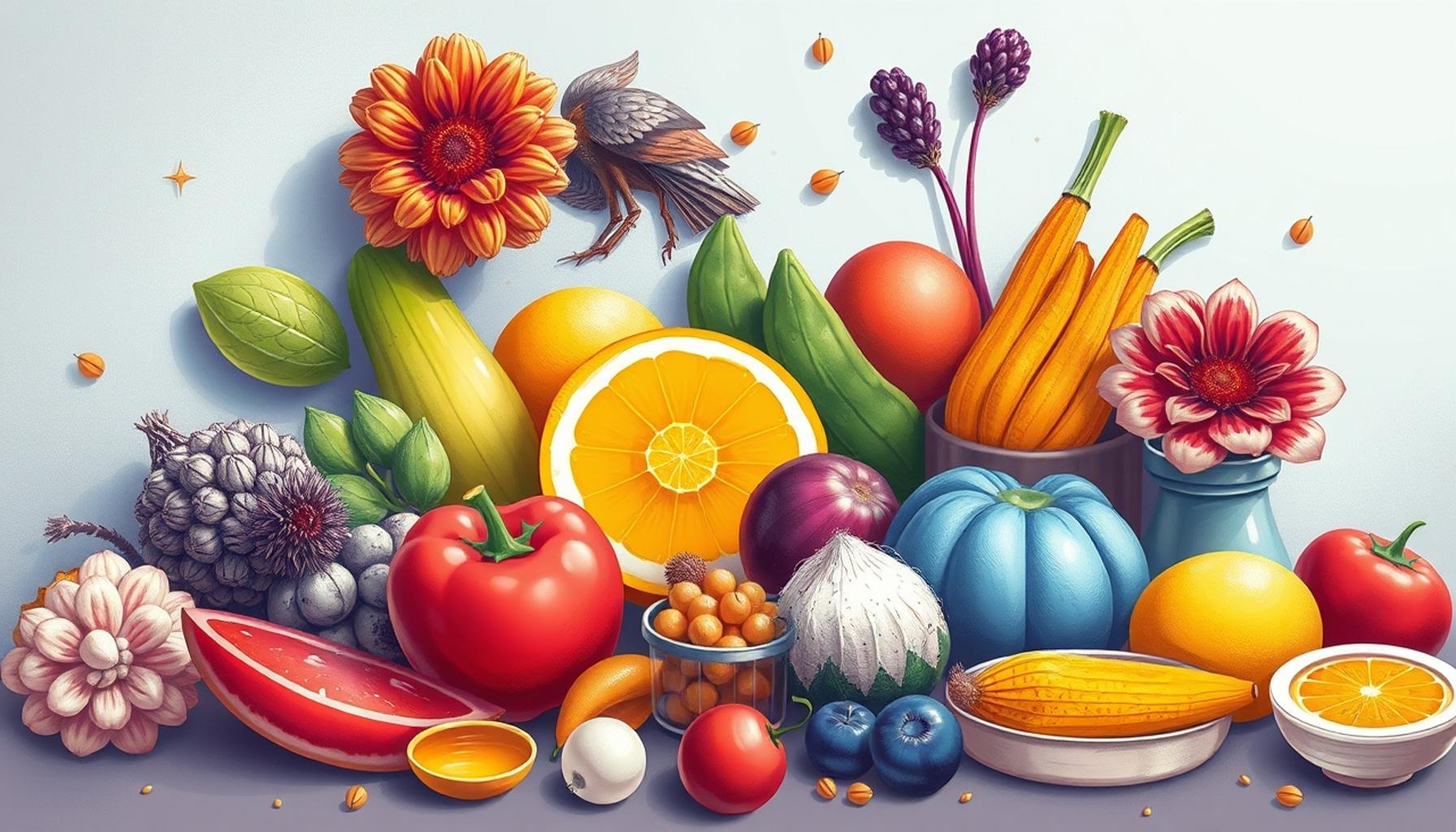
The Role of Nutrition in Achieving Radiant Skin
Your skin is more than just an outer layer; it serves as a visible indicator of your overall health and well-being. The saying “you are what you eat” rings particularly true when it comes to skin health. The foods you consume significantly influence the texture, appearance, and vitality of your skin. By understanding how nutrition affects skin texture, you can revolutionize your beauty routine and unveil a more vibrant complexion.
Several key nutrients have been identified as crucial for maintaining healthy skin. Here are some essential ones you should definitely pay attention to:
- Vitamins: Vitamins A, C, and E are especially beneficial. Vitamin A helps reduce fine lines and wrinkles while also assisting in skin cell turnover. Meanwhile, Vitamin C is known for its role in collagen synthesis and brightening skin tone, and Vitamin E works as a powerful antioxidant, guarding against sun damage.
- Minerals: Essential minerals like zinc and selenium play a vital role in skin health. Zinc aids in healing damaged skin and can alleviate acne-related inflammation, while selenium helps protect your skin from oxidative stress.
- Essential Fatty Acids: Omega-3 and Omega-6 fatty acids are indispensable for maintaining skin hydration. They help restore the skin barrier, ensuring that moisture stays locked in, which leads to a plumper and healthier-looking complexion.
- Antioxidants: Foods rich in antioxidants help combat free radicals, the damaging molecules that contribute to premature aging. Berries, dark chocolate, and leafy greens are excellent sources that can be effortlessly incorporated into your daily diet.
Integrating these nutrients into your meals can yield significant benefits for your skin’s overall appearance. But how do you know if you’re getting enough of them? Investigating the intricate connection between nutrition and skin texture not only reveals what to put on your plate but also explains why certain foods are quintessential for a vibrant complexion.
For example, consider adding food staples like wild-caught salmon, which is rich in Omega-3 fatty acids, or sweet potatoes, packed with beta-carotene, which converts to Vitamin A in the body. Don’t overlook the potent capabilities of kale, a powerhouse of vitamins and antioxidants, or avocados, which provide healthy fats conducive to skin hydration.
The journey into the world of nutrition offers a treasure trove of knowledge that could significantly enhance your skin’s appearance and texture. As you explore these foods, you may discover that your pantry holds the secret not just to better skin, but to overall health and wellness as well. This makes not only for clear skin but a more fulfilled and energized you.
DISCOVER MORE: Click here to uncover the effects of stress on your skin
Unlocking the Secrets of Essential Nutrients for Skin Health
As we dive deeper into the relationship between nutrition and skin texture, it becomes evident that certain nutrients are fundamental in promoting a radiant complexion. By focusing on these essential nutrients, you can transform not only your skin’s appearance but also improve its overall health.
Vitamins: The Cornerstone of Skin Vitality
Among the most crucial allies in the quest for beautiful skin are vitamins. Each type plays an impactful role in maintaining skin texture:
- Vitamin A: Often referred to as the skin vitamin, Vitamin A boosts skin cell production and rejuvenation. Found in foods like carrots and dark leafy greens, it helps in minimizing fine lines and improving overall skin tone.
- Vitamin C: This powerful vitamin is instrumental in collagen synthesis, which is vital for skin elasticity and firmness. Foods abundant in Vitamin C, such as citrus fruits and strawberries, not only benefit your skin but also enhance your immune system.
- Vitamin E: Acting as a potent antioxidant, Vitamin E protects your skin from environmental damage. Including nuts, seeds, and avocados in your diet can significantly help in retaining moisture in the skin.
These vitamins are not merely supplements; integrating them through whole foods provides a holistic approach to skincare, ensuring that your body derives maximum benefits while maintaining balance.
The Importance of Minerals
While vitamins receive much attention, it’s essential to highlight the role of minerals in achieving stellar skin. Minerals like zinc and selenium contribute to the body’s ability to repair skin and combat damage from free radicals:
- Zinc: This powerhouse mineral aids in healing wounds and manages acne by regulating oil production. Foods like chickpeas, pumpkin seeds, and shellfish are fantastic sources of zinc.
- Selenium: A lesser-known but vital mineral, selenium protects the skin from oxidative stress. Eating Brazil nuts and fish can help ensure you’re getting an adequate amount of this important mineral.
Essential Fatty Acids: The Hydration Heroes
A diet rich in Omega-3 and Omega-6 fatty acids can significantly influence hydration levels in the skin. These essential fatty acids play a crucial role in maintaining the integrity of the skin barrier:
- Omega-3 fatty acids: Found in fatty fish, walnuts, and flaxseeds, these acids reduce inflammation and promote skin hydration. They are key for maintaining a smooth texture and minimizing conditions like eczema.
- Omega-6 fatty acids: Present in oils such as sunflower and evening primrose, these fatty acids nourish the skin and contribute to its repair process.
By incorporating these essential fatty acids into your diet, you’ll be taking significant strides towards a more supple and youthful complexion.
Understanding how these nutrients work together opens the door to intentional food choices that can lead to remarkable improvements in skin texture. As you explore various dietary options, consider how these vitamins, minerals, and essential fatty acids play unique but interconnected roles in nurturing your skin from the inside out.
Essential Nutrients for Radiant Skin
The quest for radiant skin often begins with understanding the profound impact of nutrition. A well-balanced diet can significantly improve skin texture, reducing imperfections and imparting a healthy glow. Here, we explore the essential nutrients that play pivotal roles in achieving beautiful skin.
Vitamins and Their Benefits
Vitamins are crucial for skin health, particularly vitamins A, C, and E. Vitamin A promotes cell turnover, helping to keep skin smooth and firm. Foods rich in vitamin A include carrots, sweet potatoes, and leafy greens. On the other hand, vitamin C is a powerful antioxidant that combats free radicals, aiding in collagen production and minimizing signs of aging. Citrus fruits, strawberries, and bell peppers are excellent sources. Lastly, vitamin E helps to maintain skin moisture and elasticity; you’ll find this nutrient in nuts, seeds, and avocados.
Minerals That Matter
Minerals such as zinc and selenium are vital for skin repair and combating inflammation. Zinc, found in foods like oysters, pumpkin seeds, and chickpeas, supports the healing of acne scars and reduces skin irritation. Selenium, present in Brazil nuts, fish, and whole grains, protects the skin from UV damage and promotes elasticity.
Healthy Fats for Hydration
Incorporating healthy fats, particularly omega-3 fatty acids, can greatly benefit skin hydration and flexibility. Sources like fatty fish, walnuts, and flaxseeds not only hydrate the skin but can also reduce the incidence of acne and dermatitis. These fats help maintain skin barrier function, ensuring optimal moisture retention.
Hydration and Skin Texture
Finally, adequate hydration cannot be overlooked. Staying well-hydrated ensures that skin cells function optimally, aiding in detoxification and maintaining a youthful appearance. Drinking enough water and consuming water-rich foods, such as cucumbers and watermelon, supports overall skin health.The interplay of these nutrients illuminates the path towards enhanced skin texture and a vibrant complexion. Understanding how different elements contribute can empower individuals to make informed dietary choices for superior skin health.
DISCOVER MORE: Click here to learn about lifestyle and nutrition’s impact on skin aging
The Role of Hydration and Antioxidants in Skin Health
While vitamins and minerals are the backbone of skin nutrition, hydration and antioxidants play indispensable roles in enhancing skin texture and appearance. Understanding these elements can provide insightful strategies to achieve that coveted, radiant glow.
Hydration: The Key to Skin Plumpness
Water is often overlooked in discussions about nutrition and skin health, yet it is a vital component in the quest for a smooth complexion. Staying properly hydrated can significantly influence skin texture:
- Hydration and Elasticity: When the body is well-hydrated, skin retains its elasticity and plumpness. Dehydrated skin, on the other hand, becomes dry and lacks resilience, leading to the appearance of fine lines and rough patches. Aim for at least eight 8-ounce glasses of water daily to support your skin’s hydration levels.
- Beverages That Hydrate: While water is the gold standard, other beverages can also contribute to hydration. Herbal teas, coconut water, and even fruits with high water content like watermelon and cucumbers can be refreshing alternatives to keep your skin looking fresh.
Additionally, exceeding your daily intake of caffeine and alcohol can lead to dehydration, negatively impacting your skin’s overall appearance. Moderation is key.
Antioxidants: The Skin’s Defense System
Antioxidants are another crucial category of nutrients that work to defend the skin from oxidative stress caused by environmental pollutants and UV rays. They play a significant role in preventing premature aging and maintaining flawless skin:
- Flavonoids: Found in colorful fruits and vegetables—think blueberries, apples, and spinach—flavonoids exhibit antioxidant properties that help protect skin cells from damage. Including a rainbow of produce in your diet can maximize your skin’s protective capabilities.
- Polyphenols: Present in foods like green tea, red wine, and dark chocolate, polyphenols boost skin health by combating inflammation and assisting in improved blood circulation. These compounds contribute not only to healthier skin but also overall wellness.
Integrating a variety of food sources rich in antioxidants can improve complexion and help stave off premature signs of aging. Opt for colorful salads, smoothies, and snacks that feature these powerful nutrients.
Gut Health: The Overlooked Connection
The gut-skin connection has garnered increasing attention, revealing how a healthy digestive system can translate into healthier skin. A balanced gut microbiome can enhance skin function and texture:
- Probiotics: Foods such as yogurt, kefir, and fermented vegetables are rich in probiotics. These live bacteria support digestive health, which may help clear acne and enhance the skin’s natural barrier function.
- Prebiotics: On the other side, prebiotics, found in foods like garlic, onions, and bananas, nourish probiotics and aid in maintaining a balanced gut microbiome, benefiting skin health.
By understanding the intricate relationships between hydration, antioxidants, and gut health, you can make informed dietary choices that pave the way for improved skin texture. Each nutrient discussed plays a vital role in the complex architecture of skin health, reaffirming the old adage that you truly are what you eat. So, engage with these nutrient-rich foods and watch your skin flourish as a result.
DISCOVER MORE: Click here for insights on gel serums
Conclusion: Nourishing Your Skin from Within
In the journey towards achieving radiant skin, it is essential to recognize that nutrition plays a pivotal role. From the hydration that keeps skin plump to the antioxidants that shield it from damage, the interconnectedness of various nutrients highlights the importance of a balanced approach to diet.
The insights on hydration reveal that without sufficient water intake, even the most expensive skincare products may fall short in achieving that desired glow. Coupled with this, incorporating antioxidant-rich foods can empower the skin’s natural defenses, combating the rigors of daily environmental stressors. Fruits and vegetables bursting with flavonoids and polyphenols act as warriors against aging and skin issues, solidifying the notion that you truly are what you eat. Furthermore, understanding the gut-skin connection invites a holistic perspective, underscoring how a healthy digestive system fosters enhanced skin health.
Ultimately, adopting a diet that is diverse and rich in essential nutrients can not only elevate your skin texture but also improve overall well-being. As you embark on this nutritional journey, remember that each choice reflects in your skin—a canvas that mirrors the care you give yourself from the inside out. Embrace these changes, and allow your skin to thrive, revealing the natural beauty that lies beneath.