

Understanding Humectants and Their Impact on Skin Hydration
In the quest for healthy, glowing skin, maintaining optimal moisture balance is essential. One of the key players in this process are humectants. These powerful ingredients can attract and retain water, ensuring your skin remains hydrated and youthful.
What Are Humectants?
Humectants are substances that can draw moisture from the environment or from deeper layers of the skin, playing a crucial role in skincare formulations. When applied, they bind water molecules to skin cells, effectively delivering hydration where it’s needed most. The result? Improved skin elasticity and a more supple appearance.
Common Types of Humectants
Among the myriad of humectants, some stand out due to their effectiveness and widespread use. Here are a few key examples:
- Glycerin – This natural compound is frequently found in moisturizers and serums. It not only helps in retaining moisture but also enhances the absorption of other beneficial ingredients in skincare products.
- Hyaluronic Acid – Renowned for its remarkable ability to hold up to 1,000 times its weight in water, hyaluronic acid is a powerhouse for hydration. Many brands, like Neutrogena and The Ordinary, incorporate this ingredient into their formulations to help plump and hydrate the skin.
- Aloe Vera – Known both for its moisturizing and soothing properties, aloe vera is commonly used in gels and creams. Its natural anti-inflammatory benefits also make it an excellent choice for calming irritated skin.
The Benefits of Humectants in Skincare
Incorporating humectants into your skincare routine can lead to remarkable benefits. Regular use can:
- Enhance skin hydration – By increasing moisture levels, humectants help keep the skin barrier healthy and functioning properly.
- Reduce fine lines and wrinkles – As the skin becomes more hydrated, it appears plumper, filling in the gaps where age-related lines form.
- Improve overall skin texture – With constant hydration, skin feels softer and looks more radiant.
The Climate Factor
As the climate varies across different regions in the United States, understanding how humidity affects your skin becomes crucial. For example, during the winter months in places like Chicago or Denver, lower humidity levels can lead to dry, parched skin. In such conditions, humectants play a particularly important role in preventing moisture loss, making them invaluable allies for every skin type.
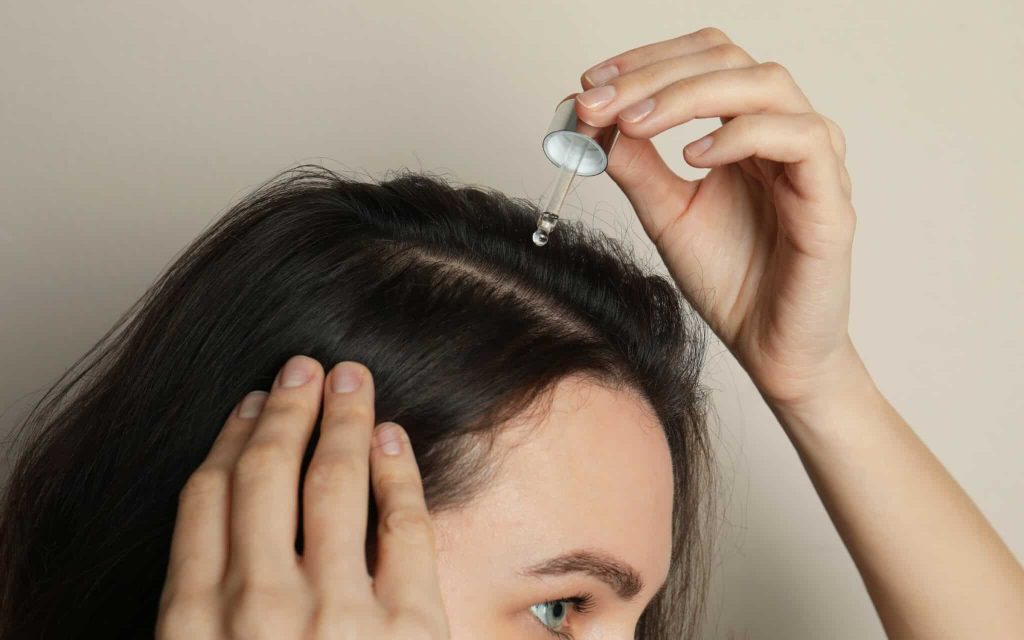
In contrast, regions with higher humidity levels, such as the Gulf Coast, may experience different skincare needs, where lighter formulations can keep skin hydrated without feeling greasy. Hence, adjusting your use of humectants based on your local climate can optimize their effectiveness.
Conclusion
Diving deeper into the world of humectants reveals their diverse functionalities and benefits. From enhancing hydration to improving skin texture, leveraging these ingredients in your skincare routine can transform your approach to achieving healthy, radiant skin. Whether you’re a skincare novice or a seasoned enthusiast, understanding the role of humectants is key to unlocking your skin’s hydration potential.
LEARN MORE: Click here to discover how pollution impacts your skin
The Science Behind Humectants: How They Work
To truly appreciate the role of humectants in skincare, it’s essential to understand the science behind how they function. At the molecular level, humectants possess hygroscopic properties, allowing them to attract water molecules from both the surrounding environment and deeper layers of the skin. This ability makes them indispensable in maintaining skin hydration, especially in conditions where moisture may be scarce.
Mechanism of Action
Humectants operate through a simple yet effective mechanism. When applied to the skin, they form a protective barrier that locks in moisture. As they absorb water, they create a plumping effect that fills the skin cells, which in turn enhances overall skin appearance. This process helps to mitigate the appearance of dryness, fine lines, and uneven texture, leading to a more youthful and vibrant complexion.
Moreover, humectants can function synergistically with other skincare ingredients. For example, when combined with occlusives—ingredients that form a sealing barrier on the skin’s surface—humectants can significantly improve moisture retention. This collaborative action is vital to maintaining hydration levels, especially in harsher climates or during seasonal transitions.
Choosing the Right Humectants for Your Skin Type
While humectants are generally beneficial for all skin types, selecting the right one for your specific needs is crucial. Below are some tips for maximizing the effectiveness of humectants based on your skin type:
- Oily Skin: Opt for lightweight humectants like glycerin or aloe vera that hydrate without adding excess oil.
- Dry Skin: Look for heavier humectants, such as hyaluronic acid or sodium PCA, that can hold substantial moisture and provide longer-lasting hydration.
- Combination Skin: Choose a balanced formulation that includes a mix of lightweight and heavier humectants to cater to both oily and dry areas.
Frequency of Use
Integrating humectants into your skincare routine is not just about the right product; it’s also about the frequency of application. Many skincare experts recommend using humectants at least twice daily—once in the morning and once before bed. This routine helps maintain a consistent hydration level throughout the day and night, ensuring your skin remains moisturized in various environmental conditions.
As sunscreen and makeup can sometimes trap moisture away from your skin, it’s advisable to layer humectants beneath these products. This leaves the skin well-hydrated and ready to face the day, without compromising on comfort or texture.
Understanding the intricacies of humectants empowers consumers to make informed choices that enhance skin hydration. As we delve deeper into how they interact with other skincare components and factors like climate, the benefits of incorporating these powerful ingredients become increasingly clear.
The Importance of Humectants in Skincare
Humectants play a crucial role in skincare, particularly in maintaining skin moisture balance. They are compounds that attract water from the environment and draw it into the skin, ensuring that the skin remains hydrated and plump. Common examples of humectants include glycerin, hyaluronic acid, and urea. These ingredients are often included in moisturizers and serums, making them pivotal in any skincare routine.
Mechanism of Action
When applied to the skin, humectants bind moisture to the skin surface, forming a protective layer that prevents water loss. This moisture retention is essential for maintaining elasticity and softness in the skin. Without adequate moisture, the skin can become dry, flaky, and may even lead to premature aging. Therefore, incorporating humectants in daily skincare can significantly enhance the overall appearance and health of the skin.
Humectants vs. Other Moisturizers
Unlike occlusive agents that create a barrier on the skin, humectants work by pulling moisture in. This unique property makes them ideal for all skin types, even oily and acne-prone skin, as they do not clog pores while still providing necessary hydration. Understanding how humectants function can help consumers make informed choices when selecting moisturizers and serums for their specific skin needs.
Building the Perfect Skincare Routine
To fully leverage the benefits of humectants, they should be applied on slightly damp skin to optimize moisture absorption. Layering products correctly—starting with humectants, followed by emollients and occlusives—creates a comprehensive moisture network that keeps the skin balanced and resilient against environmental stressors. Exploring various formulations that contain humectants can lead to discoveries of advanced skincare solutions tailored to individual concerns. As the beauty industry continues to innovate, staying informed about the latest humectant-rich products will pave the way for healthier, hydrated skin.
DISCOVER MORE: Click here to learn about the best moisturizing ingredients
The Benefits of Incorporating Humectants into Your Skincare Routine
Understanding the myriad benefits of humectants can significantly enhance your skincare regime. Beyond their hydrating properties, humectants offer a multitude of advantages that support overall skin health, improve product efficacy, and adapt to various lifestyle needs.
Enhanced Absorption of Active Ingredients
One of the key benefits of humectants is their ability to enhance the absorption of other active ingredients in your skincare products. When you apply a humectant first, it helps create an optimal environment for the skin to absorb subsequent layers of treatment, such as serums and lotions. This means that your skin not only retains moisture but also reaps the benefits of additional nutrients from other ingredients, leading to improved skin health.
For example, when using formulations that include vitamin C or other antioxidants, layering them over a humectant can maximize their penetrative ability, leading to a brighter and more even complexion. Utilizing humectants as your initial skincare layer can therefore be a game changer in the quest for youthful skin.
Age-Defying Properties
As we age, our skin naturally loses its moisture-retaining capabilities, leading to dryness and the appearance of fine lines. Humectants serve as essential allies in combating these age-related changes. Their ability to maintain moisture levels not only plumps the skin but also promotes elasticity, thereby reducing the likelihood of sagging.
Research has shown that specific humectants, such as hyaluronic acid, can hold up to 1000 times their weight in water, offering a powerful hydration boost. Incorporating these ingredients into your daily routine can result in a more resilient and youthful appearance, making humectants a staple for anyone looking to defy the effects of aging.
Environmental Adaptability
Another noteworthy aspect of humectants is their ability to adapt to varying environmental conditions. In humid climates, they can draw water from the air to keep skin hydrated. Conversely, in dry, arid situations, they pull moisture from the deeper skin layers, which can be beneficial but requires attention to ensure that the skin doesn’t become dehydrated.
This dual function highlights the importance of moisturizers that contain humectants, particularly in the U.S. regions with drastic weather changes. For instance, during winter months in northern states, moisture levels in the air plummet, making it crucial to layer humectants to retain skin hydration. Conversely, in warmer months, those same humectants can help manage excess oils while maintaining adequate hydration.
Common Humectants to Look For
To reap the benefits discussed, it is helpful to know which humectants to search for in product labels. Here’s a list of popular humectants you can incorporate into your skincare routine:
- Glycerin: Known for its cleansing properties and ability to attract moisture.
- Aloe Vera: Offers soothing, anti-inflammatory benefits alongside hydration.
- Urea: Not only hydrates but also helps exfoliate and enhance skin barrier function.
- Sodium PCA: Naturally occurring in human skin, it retains moisture and keeps the skin supple.
Adding these humectants into your skincare lineup can lead to significant transformations in skin hydration and overall texture. Understanding their function and benefits can empower you to make conscious choices that best suit your skin’s unique needs.
LEARN MORE: Click here to discover how makeup affects your skin
Conclusion: Embracing Humectants for Optimal Skin Health
In the quest for radiant and hydrated skin, the inclusion of humectants in your skincare routine emerges as a vital strategy in enhancing moisture balance. By attracting water from both the environment and deeper skin layers, humectants not only combat dryness but also promote a plump, youthful appearance, effectively warding off the visible signs of aging. Products enriched with humectants such as glycerin, hyaluronic acid, and aloe vera can significantly elevate your skincare game, paving the way for better absorption of active ingredients and optimal nutrient delivery.
The environmental adaptability of humectants also plays a significant role, helping your skin adjust to varying climates—from the harsh, dry winters in the northern U.S. to the humid summers in the South. Understanding how these ingredients function allows you to tailor your skincare routine to suit your specific needs and environmental conditions. As you explore and discover the remarkable benefits that humectants offer, you will find that not only does your skin maintain its moisture balance, but it also thrives, exhibiting improved texture and resilience.
Ultimately, prioritizing humectants can be an empowering step toward achieving the healthy, hydrated skin that many strive for. So, whether you’re battling dryness or aiming to enhance your overall skin health, make sure humectants play a central role in your daily skincare regimen. The journey to optimal hydration starts with conscious and informed choices—part of which involves embracing the unparalleled benefits of humectants.