

Understanding Skin Aggressors
Our skin is our body’s first line of defense against external threats, and each day it stands against a myriad of environmental aggressors. Everyday factors such as pollution, which includes particulate matter from vehicles and industrial emissions, can clog pores and lead to breakouts. Additionally, ultraviolet (UV) rays from the sun can cause lasting damage, hastening the visible signs of aging while increasing the risk of skin cancer. Furthermore, extreme weather conditions—whether excessively dry winters or humid summers—can exacerbate skin sensitivity and irritation.
The Natural Ingredients Advantage
In light of these challenges, the movement toward utilizing natural ingredients in skincare has gained momentum. These ingredients not only offer an eco-friendly alternative but also provide distinctive benefits that can rejuvenate and protect the skin, making them a favorite among consumers seeking health-conscious products.
- Antioxidant properties: Discover the power of ingredients like vitamin C, found in citrus fruits, and green tea, known for its polyphenol content, which work tirelessly to neutralize free radicals that accelerate skin aging.
- Moisture retention: Oils such as jojoba and argan oil, celebrated for their ability to mimic skin’s natural sebum, help to lock in moisture, preventing dryness and flakiness. These oils are particularly beneficial for individuals living in arid climates or those frequently exposed to air conditioning.
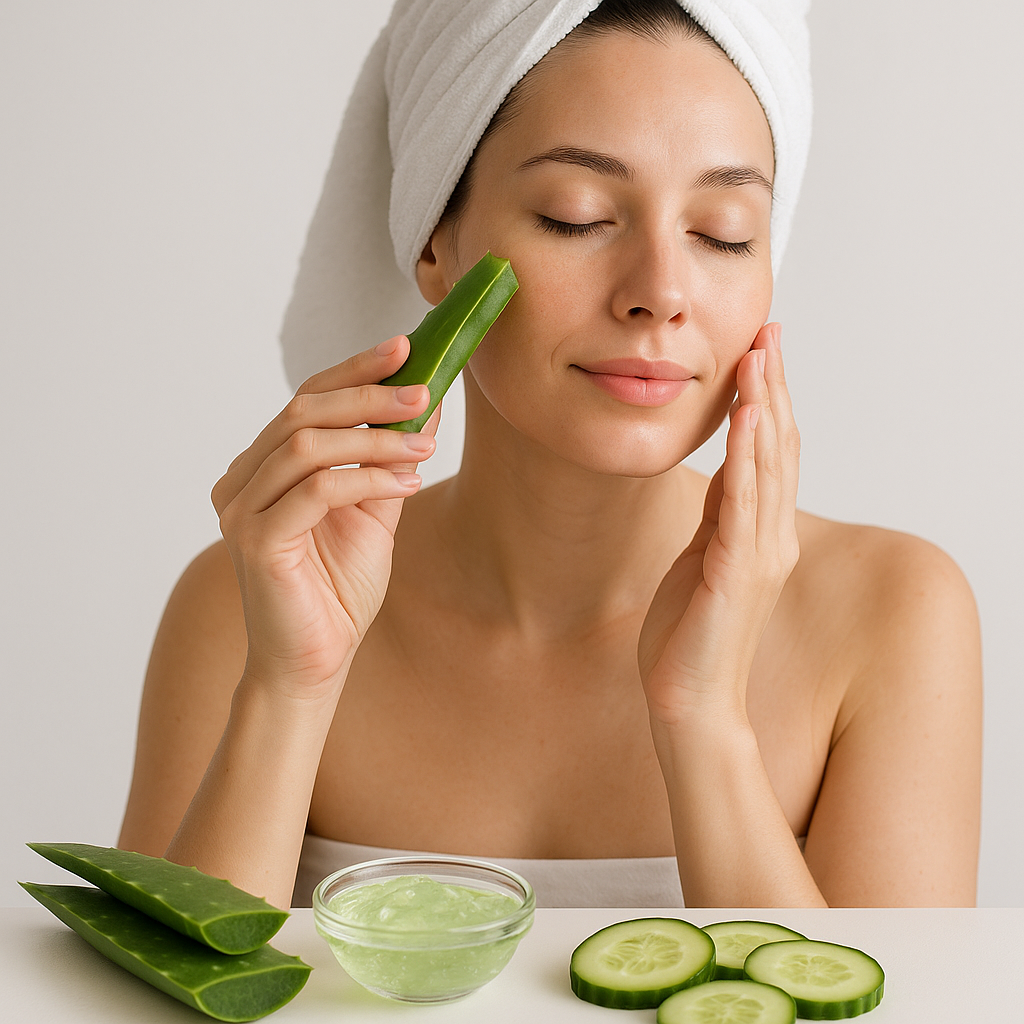
- Anti-inflammatory effects: Soothing ingredients like aloe vera, often referred to as a skin miracle plant, and chamomile, prevalent in many herbal teas, are known for their healing properties that calm redness and irritation, making them ideal for sensitive skin types.
Embracing Holistic Skincare
The benefits of natural ingredients are not just rooted in their efficacy; they promote a holistic approach to beauty. By integrating plant-based ingredients into our skincare routines, individuals may experience overall well-being, complementing physical health with mental serenity. Skincare products designed with earth-friendly ingredients often come with sustainable packaging, appealing to environmentally conscious consumers.
This shift is particularly apparent in the United States, where a significant portion of the population is increasingly aware of the ingredients in their beauty products. As more people turn to brands that prioritize sustainability and ingredient transparency, the demand for natural skincare continues to soar, leading companies to innovate and expand their offerings to meet consumer preferences.
Rethinking Your Skincare Routine
With an overwhelming variety of synthetic chemicals saturating the beauty industry, it is essential to rethink our skincare approaches. By exploring the extensive range of benefits that natural ingredients provide, individuals can uncover effective, gentle alternatives that cater to their skin concerns. Whether it’s enhancing moisture, fighting free radicals, or soothing irritation, turning to nature may very well be the key to achieving a healthier, more resilient complexion.
DISCOVER MORE: Click here to learn about the latest innovations in sun care
Harnessing Nature’s Power
When it comes to protecting our skin from environmental damage, natural ingredients offer a unique advantage that many synthetic alternatives cannot match. These ingredients, derived from plants and natural sources, are laden with powerful properties that work in harmony with our skin’s own biology. By exploring the benefits of these natural ingredients, we can uncover effective solutions to combat the harsh effects of pollution, UV exposure, and unpredictable weather.
Many natural ingredients are rich in antioxidants, which are crucial in the battle against free radicals—unstable molecules that can lead to cellular damage and accelerate aging. For example, vitamin C, commonly found in fruits such as oranges and strawberries, is celebrated for its ability to brighten skin and provide protection against these damaging agents. It promotes collagen production, ensuring that skin retains its firmness and elasticity. Similarly, green tea is packed with polyphenols, which are known to reduce inflammation and protect against sun damage, making it an essential ingredient in skincare aimed at enhancing resilience against environmental aggressors.
Additionally, moisture retention is vital for maintaining a healthy skin barrier, particularly for those exposed to harsh elements. Natural oils such as jojoba oil and argan oil are exceptional in this regard. These oils mimic the skin’s natural sebum, offering unparalleled hydration without clogging pores. In a climate where air conditioning can lead to excessive drying, incorporating these oils can profoundly benefit skin health by locking in moisture and maintaining a balanced complexion.
- Aloe Vera: Known for its soothing and healing properties, aloe vera is a go-to for repairing sun-damaged skin and hydrating dry patches. Its gel-like consistency makes it an excellent remedy for soothing irritations.
- Chamomile: Often found in various skincare products, chamomile reduces redness and inflammation, making it suitable for sensitive skin types that may react poorly to synthetic additives.
- Shea Butter: Rich in fatty acids and vitamins, shea butter provides intense moisture, creating a protective barrier that keeps skin hydrated and soft, especially during the winter months.
Not only do these natural ingredients possess protective qualities, but they also bring an experience of well-being and tranquility that aligns with a holistic approach to skincare. By opting for products enriched with natural elements, individuals are not only caring for their skin but also embracing a lifestyle that values sustainable and gentle practices. This is especially evident among consumers in the United States, where a growing segment prioritizes ingredient transparency and the avoidance of harmful chemicals.
The journey toward healthier skin through natural ingredients is not just about aesthetics; it is about understanding the intimate connection between nature and skincare. As consumers continue to demand products that align with their values and skin health needs, it is clear that the trend toward natural ingredients is not just a passing fad—it’s a sustainable choice for the future.
| Natural Ingredients | Benefits for Skin Protection |
|---|---|
| Aloe Vera | Soothes and hydrates the skin, reducing irritation from UV rays and pollutants. |
| Green Tea Extract | Rich in antioxidants, it neutralizes free radicals that contribute to skin aging. |
| Argan Oil | Provides essential fatty acids, promoting skin elasticity and moisture retention. |
| Shea Butter | Deeply nourishes the skin while creating a barrier against harsh environmental factors. |
| Chamomile | Calms irritation and reduces redness, effectively protecting against environmental stressors. |
Natural ingredients such as Aloe Vera and Green Tea Extract are becoming increasingly popular in skincare for their remarkable benefits. Aloe Vera not only hydrates the skin but also has soothing properties that counteract damage from UV exposure. Green Tea Extract is a powerhouse of antioxidants, known for its ability to combat free radicals and slow down the skin aging process. The inclusion of argan oil provides essential fatty acids that enhance skin elasticity, ensuring a youthful appearance while defending against environmental stressors.Moreover, shea butter serves as an effective barrier against harmful elements, deeply nourishing the skin to maintain its health. Chamomile, with its calming effects, effectively reduces redness and irritation, making it an excellent choice for sensitive skin exposed to pollution and harsh climates. Integrating these natural ingredients into your skincare routine could lead to a significant enhancement in your skin’s resilience against environmental damage. Exploring these options will undoubtedly expand your knowledge on how to better protect your skin naturally.
DISCOVER MORE: Click here to learn about how pollution affects your skin
Nature’s Emollients: The Role of Oils and Extracts
The benefits of utilizing natural ingredients extend beyond antioxidants and hydrating oils; they also include a variety of emollients and extracts that fortify and protect the skin against environmental damage. Emollients derived from botanical sources not only soothe irritation but also contribute to skin barrier function, offering an essential layer of protection from external stressors. One standout example is coconut oil, which is celebrated not only for its hydrating properties but also for its ability to act as a barrier against harmful bacteria and fungi.
Moreover, the inclusion of essential oils in skincare formulations has gained popularity due to their antimicrobial and anti-inflammatory properties. For instance, tea tree oil and lavender oil are commonly used for their soothing and calming effects on the skin. They can provide a natural remedy for conditions worsened by environmental factors, such as acne and eczema. Tea tree oil, in particular, has shown efficacy in reducing blemishes and preventing breakouts by targeting the bacteria that cause acne.
The skin’s microbiome, which plays a critical role in maintaining skin health, can also be supported by natural ingredients. Probiotic skincare, for example, employs beneficial bacteria derived from natural sources to enhance the skin’s barrier and resilience to external damage. These formulations can stabilize the skin’s pH levels and promote healing, providing a significant advantage when battling pollutants and irritants often found in urban environments.
- Rosehip Oil: Hailed for its regenerative properties, rosehip oil contains essential fatty acids and vitamins, particularly vitamin A, known for its anti-aging benefits. It helps repair damaged skin while also providing hydration and protection from environmental stress.
- Olive Oil: Beyond its culinary uses, olive oil is a powerful natural moisturizer that nourishes the skin while offering protection against UV damage. The polyphenols found in olive oil help fend off free radicals, making it a preferred ingredient in both skincare and sun protection.
- Grapeseed Oil: Known for its light texture, grapeseed oil is packed with linoleic acid, which strengthens the skin’s barrier. Its antioxidant properties protect against oxidative stress caused by environmental factors.
In addition to these oils, botanical extracts from plants such as centella asiatica have risen to prominence in skincare regimens, proving beneficial for individuals exposed to environmental pollutants. Known for its healing properties, centella asiatica supports skin regeneration and counteracts oxidative stress, promoting a healthier, more resilient skin barrier.
The synergy between these natural ingredients and technology has also paved the way for innovative skincare formulations. With advancements in extraction techniques that maximize active ingredient potency, products are more effective than ever at delivering the protective benefits nature has to offer. This blend of tradition and modern science allows consumers in the United States to have access to skincare solutions that are not only effective but also in line with a more conscious approach to beauty.
Ultimately, the growing trend towards natural ingredients in skincare reflects an evolving understanding of what the skin needs to thrive amidst environmental challenges. As people become more educated about the repercussions of pollution, UV rays, and climate variability on skin health, the embrace of natural and sustainable products only continues to gain momentum, encouraging further exploration into the bounty of nature for skin protection.
DISCOVER MORE: Click here to learn about nutrition’s impact on skin health
Conclusion
As we navigate an increasingly polluted world, the importance of natural ingredients in skincare has never been more apparent. From essential oils like tea tree and lavender to nourishing emollients such as coconut and olive oil, each natural element plays a pivotal role in enhancing skin resilience and combatting environmental damage. These ingredients not only provide hydration and soothing effects but also strengthen the skin’s barrier against harmful pollutants and UV rays.
Crucially, embracing botanical extracts like centella asiatica and innovative probiotic formulations offers a holistic approach to skincare. This enables consumers to actively support their skin’s microbiome and promote a balanced, healthy complexion. The blend of tradition and cutting-edge technology ensures that natural products are not only appealing but also scientifically sound and effective in their protective capabilities.
The growing trend towards adopting a more sustainable skincare routine allows individuals to take control of their skin health. With increased awareness regarding the adverse effects of environmental stressors, the global market is shifting towards solutions that are as kind to the planet as they are to our skin. As you explore the range of natural skincare products available, consider how incorporating these powerful ingredients into your daily routine can provide long-lasting protection while aligning with a more conscious lifestyle.
In conclusion, the journey to resilient skin amid environmental challenges is anchored in the wisdom of nature. As consumers in the United States continue to seek out products that prioritize both skin health and environmental responsibility, the role of natural ingredients in skincare will undoubtedly expand, promising a future of radiant, protected skin.