
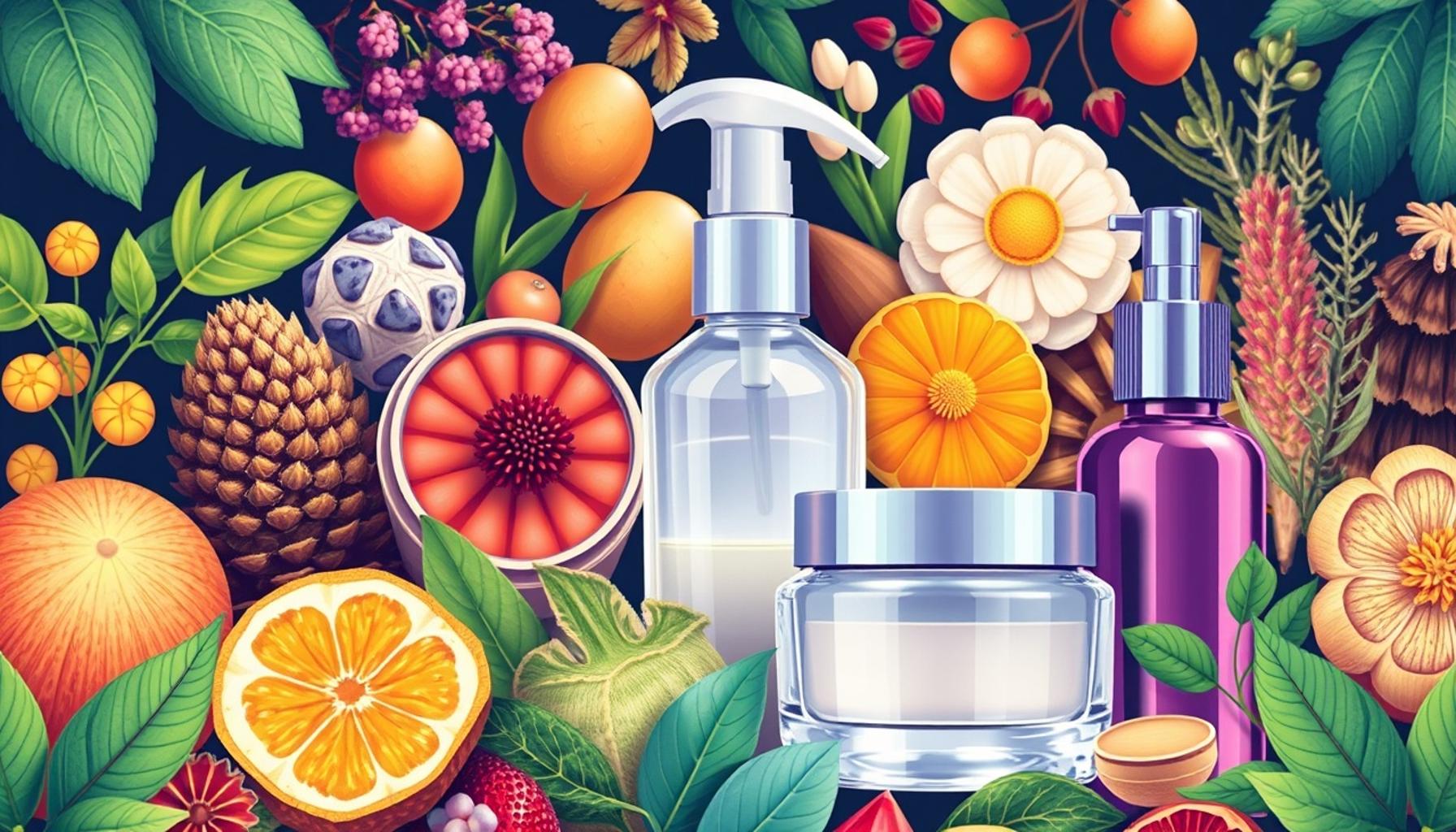
The Shift Towards Natural Anti-Aging Skincare
In recent years, there has been a significant shift in the beauty industry as consumers seek more sustainable and effective skincare solutions. The demand for natural ingredients in anti-aging products is on the rise, driven by a health-conscious public eager to avoid harmful chemicals. This trend highlights a departure from traditional formulations dominated by synthetic compounds and reflects a broader cultural movement towards holistic health.
As consumers become more educated about cosmetic ingredients, increased awareness plays a pivotal role in their purchasing decisions. Today’s shoppers are not only searching for products that promise youthful skin but are also demanding transparency regarding the origins and effects of those ingredients. This knowledge empowers them to make informed choices, seeking out labels that tout natural composition over those filled with complex chemical names.
The Environmental Impact and Consumer Choices
Along with personal health concerns, the environmental considerations have significantly influenced consumer behavior. Eco-friendly products are appealing to a growing demographic that prioritizes sustainability. Many brands are now adopting practices such as sourcing organic ingredients, utilizing environmentally-friendly packaging, and pledging against animal testing. This aligns with the values of a conscientious consumer base that cares about the planet as much as their personal beauty regime.
Innovation in product formulations is another driving force in this evolution. Brands are creatively integrating natural ingredients known for their anti-aging benefits, often resulting in formulations that are not only safe but also potent. For instance, the incorporation of plant-based alternatives to traditional cosmetic ingredients is a perfect example of this trend.
Popular Natural Ingredients in Anti-Aging Products
- Retinol Alternatives: Plant-based retinoids like bakuchiol are celebrated for their gentle yet effective properties, offering similar benefits to retinol with fewer side effects, making them suitable for sensitive skin types.
- Antioxidants: Ingredients like vitamin C and green tea extract protect the skin from free radicals, which contribute to skin aging. They not only help in brightening the complexion but also promote elasticity and smoothness at the cellular level.
- Moisturizing Agents: Oils such as jojoba and rosehip nourish and rejuvenate the skin. Jojoba oil mimics the skin’s natural sebum, making it great for hydration without clogging pores, while rosehip oil is packed with essential fatty acids that promote skin regeneration.
As this trend continues to evolve, it raises critical questions about the efficacy of natural versus synthetic ingredients. Is the promise of younger-looking skin achievable through nature alone? The answer is subjective and can depend on individual skin types and specific concerns.
In this exploration, we delve deeper into the rise of natural ingredients in anti-aging skincare products. This dynamic shift in consumer preferences not only influences purchasing decisions but also pushes the beauty industry towards more ethical practices, prompting both brands and consumers to rethink what it means to care for their skin sustainably while achieving visible results.
DIVE DEEPER: Click here to uncover the science behind skincare ingredients
Exploring the Benefits of Natural Ingredients
The growing interest in natural ingredients has led to a remarkable transformation in anti-aging skincare products, creating a buzz among both consumers and manufacturers alike. With an increasing number of studies highlighting the benefits of botanical extracts, essential oils, and organic compounds, natural ingredients are no longer viewed merely as a trend; they have become essential players in the quest for youthful skin.
One of the most compelling advantages of natural ingredients is their ability to promote skin health without the adverse effects often associated with synthetic compounds. Consumers are increasingly concerned about harmful chemicals found in traditional skincare products, such as parabens, sulfates, and artificial fragrances. The rise of toxic-free beauty is compelling manufacturers to reevaluate their ingredient lists and consider the long-term impacts of their formulations on consumer health.
Consumer Demands for Transparency and Safety
Today’s consumers are more informed and vocal about their preferences than ever before. With a wealth of information available at their fingertips, they demand transparency in labeling and safe alternatives to harsher ingredients. This shift is evident in the popularity of products highlighted as “clean” or “natural,” which often prioritize ingredients derived from nature over synthetics. The popularity of online platforms and social media has also allowed discussions about skincare safety and efficacy to flourish, giving rise to a community of well-informed buyers dedicated to their skincare regimens.
Furthermore, several reports indicate that brands embracing natural formulations are experiencing a surge in sales. According to market research, the global market for natural and organic beauty products is projected to grow significantly in the coming years, showing no signs of slowing down. This indicates a strong demand for eco-conscious beauty solutions that resonate with a broader audience.
Nature’s Potent Offerings for Aging Skin
As the skincare industry pivots toward natural anti-aging solutions, specific ingredients have surged to prominence for their efficacy. Each of these components is celebrated for harnessing nature’s power to combat signs of aging:
- Peptides: These short chains of amino acids stimulate collagen production, improving skin elasticity and firmness, while being gentle on the skin.
- Hyaluronic Acid: Naturally occurring in the body, this humectant can hold up to 1,000 times its weight in water, providing superior hydration and plumping the skin.
- Cacay Oil: Rich in vitamins A and E, this oil offers nourishing properties that help repair skin while providing heightened moisture levels.
- Licorice Root Extract: Known for its ability to brighten the skin and reduce inflammation, licorice root can also help combat hyperpigmentation and uneven skin tone.
This combination of understanding consumer demands, the benefits of natural ingredients, and the innovative ingredient formulations has ignited a change in how anti-aging skincare products are developed and marketed. The ongoing exploration of nature’s potential continues to expand the horizons of skincare, leading to increased efficacy and holistic care that aligns with a broader commitment to sustainability. Understanding these nuances not only enhances consumer knowledge but also fuels an evolving narrative in the beauty industry.
The Emergence of Natural Ingredients in Anti-Aging Skincare
The skincare industry is witnessing a radical transformation as consumers become increasingly aware of the ingredients in their beauty products. The emphasis on natural ingredients has gained momentum, with more brands shifting their focus towards botanical and organic components that promise to provide anti-aging benefits without compromising skin health. Natural ingredients such as hyaluronic acid, derived from plant sources, and cocoa butter are emerging as powerful alternatives to synthetics, attracting consumers who prefer clean beauty.
Ingredient Transparency and Health Benefits
The rise of natural anti-aging ingredients comes not only from a demand for efficacy but also from a desire for ingredient transparency. Shoppers today seek products that back up their claims with scientifically supported results. Ingredients like vitamin C, known for its antioxidant properties, work to enhance skin brightness and reduce fine lines, attracting a growing audience looking for restorative skincare solutions. Furthermore, the use of natural extracts such as aloe vera and green tea not only nourishes the skin but can also help combat premature aging.
Innovation in Natural Formulations
Innovations in formulation processes are enabling brands to extract potent compounds from nature effectively. For instance, the incorporation of peptides from plants is becoming a focal point, creating serums that mimic the skin’s natural regeneration processes without harsh chemicals. Consumers who prioritize eco-friendliness and sustainability are more inclined to support brands that utilize responsibly sourced ingredients and minimize their environmental impact. As the dialogue around sustainability continues to evolve, more companies are focusing on ethically sourced natural ingredients that not only benefit the skin but also support environmental conservation. This trend is reflected in the surge of brands that provide certified organic options that cater to conscious consumers, driving a powerful shift in the anti-aging skincare landscape.
Table: Benefits of Natural Ingredients in Anti-Aging Skincare
| Natural Ingredients | Benefits |
|---|---|
| Plant-Based Retinoids | Provides similar benefits as synthetic retinoids but is gentler on the skin. |
| Antioxidant Botanicals | Helps protect skin from oxidative stress, promoting a youthful appearance. |
As the beauty industry shifts to prioritize natural elements, the movement towards clean, effective, and sustainable anti-aging skincare will likely continue to reshape consumer habits for years to come.
DISCOVER MORE: Click here to unveil the magic of natural ingredients in your skincare routine.
The Science Behind Natural Ingredients
As consumers increasingly seek out anti-aging skincare products infused with natural ingredients, the scientific community is stepping up to support these preferences with evidence-backed research. Many plant-based ingredients exhibit remarkable properties, aligning with modern dermatological findings while offering a rich history of traditional use. This intersection of ancient wisdom and contemporary science is paving the way for more effective and safer skincare solutions.
A prime example is the use of botanical antioxidants, such as resveratrol and green tea extract, both of which have demonstrated impressive protective benefits against environmental damage. Resveratrol, often derived from grape skins, acts as an antioxidant that helps neutralize free radicals capable of accelerating skin aging. Studies indicate that resveratrol can also enhance skin barrier function and stimulate cell regeneration, making it an increasingly popular choice among consumers looking for effective anti-aging solutions.
The Role of Essential Oils
Additionally, essential oils have gained recognition in the anti-aging domain, not just for their aromatic properties but for their therapeutic benefits. For instance, frankincense oil is renowned for its skin rejuvenation capabilities, promoting cellular regeneration and helping reduce the appearance of fine lines and wrinkles. Meanwhile, the calendula oil is noted for its soothing properties and ability to promote healing, particularly beneficial for sensitive or aging skin.
The incorporation of essential fatty acids sourced from natural oils is another example of how these ingredients are revolutionizing the anti-aging landscape. Oils like rosehip and argan are packed with omega fatty acids, which are vital for maintaining the skin’s lipid barrier and promoting youthful, supple skin. They have shown potential in improving skin texture, hydration, and elasticity, all key markers of youthful skin.
Sustainability and Ethical Sourcing
The rise of natural ingredients in anti-aging products also intertwines with a growing demand for sustainability and ethical sourcing. Consumers are becoming more discerning about the environmental impact of their purchases, leading brands to prioritize eco-friendly practices. For instance, many companies are adopting sustainable farming methods and prioritizing the use of wildcrafted ingredients—those harvested from their natural habitats in a manner that ensures biodiversity and ecosystem health.
This commitment to sustainability is resonating particularly well within the millennial and Gen Z demographics, who are empowered to make choices that reflect their values. Recent studies indicate that up to 75% of younger consumers are willing to pay more for beauty products that align with environmentally-friendly practices, signifying a shift in consumer behavior that brands can no longer afford to ignore.
Research continues to support the efficacy of natural ingredients, highlighting their role in anti-aging formulations. Brands leveraging these scientific insights are not only enhancing product efficacy but are also delivering a powerful narrative that resonates with today’s conscious consumers concerned about the health of their skin and the planet.
As the skincare landscape evolves, the convergence of efficacy, safety, and sustainability paints a promising picture for the future of anti-aging products. It invites curiosity and exploration for those interested in harnessing the power of nature in their pursuit of longevity and beauty.
DISCOVER MORE: Click here for insights on botanical extracts
Conclusion: Embracing Nature in Anti-Aging Skincare
The surge in the popularity of natural ingredients in anti-aging skincare products signifies a transformative shift in consumer behavior and industry standards. As individuals become more aware of the ingredients in their beauty regimes, they are gravitating towards options that prioritize sustainability, efficacy, and ethical sourcing. The scientific backing for many natural components—ranging from potent botanical antioxidants to nourishing essential oils—provides a robust rationale for their inclusion in anti-aging formulations.
Moreover, the alignment of natural ingredients with consumer values, particularly regarding environmental sustainability and wellness, cannot be overstated. Today’s consumers, especially among younger demographics, are not just purchasing products; they are investing in brands that echo their commitment to social responsibility and ethical practices. This trend is reshaping the landscape of anti-aging skincare, encouraging brands to innovate and adapt in ways that honor both their clientele and the planet.
As research continues to unveil the powerful properties of various botanicals and natural extracts, the future of skincare appears bright. It invites further exploration into how these ingredients can be harnessed to enhance beauty while promoting a holistic approach to skin health. The journey toward embracing nature’s bounty in anti-aging skincare reflects not only a preference for gentler alternatives but also a collective aspiration towards sustainability and mindful consumption.
As this exciting evolution unfolds, consumers are encouraged to educate themselves and remain curious about the products they choose. By championing the rise of natural ingredients, individuals can not only support their skin’s vitality but also contribute to a more sustainable beauty industry.