

Understanding Your Skin’s Needs
Every individual’s skin is as unique as their fingerprint. What works wonders for one person may not yield the same results for another. Recognizing your skin type is crucial for developing an effective skincare routine that maintains moisture balance. The myriad of environmental factors, from climate to pollution, alongside personal habits such as diet and stress levels, all play a role in how your skin looks and feels. This highlights the necessity to not only identify your skin type but to also understand its specific needs for a tailored approach.
Types of Skin
Skin types generally fall into four main categories:
- Oily: This skin type is characterized by excess shine, particularly in the T-zone (forehead, nose, and chin). Those with oily skin may often experience breakouts due to clogged pores. This skin type benefits from lightweight, oil-free moisturizers and products containing salicylic acid that can help control oil production.
- Dry: Often appearing flaky and feeling tight, dry skin can be uncomfortable and prone to irritation. Conditions like eczema can worsen the dryness, leading to increased sensitivity. Individuals with dry skin should look for rich, hydrating creams and avoid harsh cleansers that strip the skin’s natural oils.
- Combination: This skin type displays characteristics of both oily and dry skin, usually with an oily T-zone and dry cheeks. Customized approaches are ideal, such as using different products in varying areas of the face or multi-masking techniques to address the specific needs of each zone.
- Sensitive: Sensitive skin can react adversely to various products, resulting in redness, stinging, or breakouts. It’s essential to use fragrance-free, hypoallergenic products and conduct patch tests before introducing new items to your routine.
Importance of Moisture Balance
Maintaining proper moisture balance is essential for healthy skin. This balance helps to:
- Prevent dryness and irritation: Well-moisturized skin can better withstand the rigors of daily life, from air conditioning to pollution. A good moisturizer acts as a barrier to help lock in hydration and protect the skin.
- Combat acne and excess oil: Ironically, oily skin can also be dehydrated. When skin lacks moisture, it may overcompensate by producing more oil, leading to breakouts. Finding a balance through appropriate hydration is key.
- Ensure resilience against environmental stressors: Well-hydrated skin is better equipped to deal with environmental challenges such as UV rays and dry air, which can cause premature aging and other skin concerns.
In the quest for vibrant skin, understanding how to tailor your routine according to your skin type can transform your approach to skincare. By exploring specialized products and techniques designed to optimize moisture, you can achieve not just a healthy appearance but also lasting confidence in your skin’s capabilities. From serums designed for hydration to specific oils that lock in moisture, a careful curation of products that match your skin’s needs will undoubtedly enhance your skincare experience. Dive deep into this journey, and unlock the secrets to achieving spectacular results.
DIVE DEEPER: Click here to discover the link between mental health and skin texture
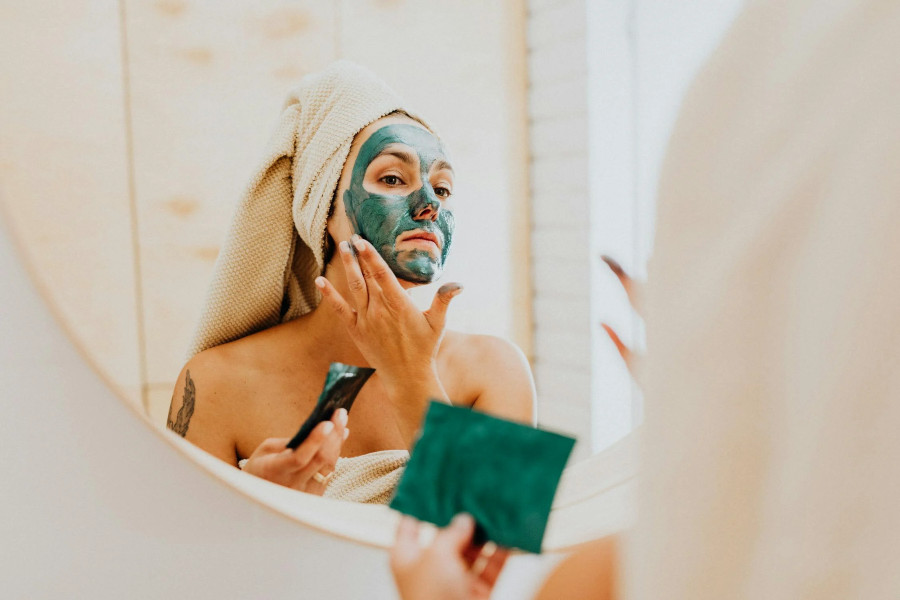
Crafting a Skincare Routine for Oily Skin
For those with oily skin, developing a skincare routine that maintains moisture balance requires a blend of careful product selection and consistent application. The goal is to hydrate without my extracting excess oil, which can lead to breakouts and dullness. Start with a gentle foaming cleanser containing salicylic acid or benzoyl peroxide to help control sebum production. Follow up with a lightweight, oil-free moisturizer that hydrates without clogging pores. Look for ingredients like hyaluronic acid that can hydrate without the heaviness of traditional creams.
It’s essential to incorporate exfoliation into your routine, ideally two to three times a week. This step removes dead skin cells that clog pores and promotes skin turnover. Opt for chemical exfoliants like alpha hydroxy acids (AHAs) or beta hydroxy acids (BHAs) which provide effective results without the harshness of physical scrubs. Lastly, don’t forget sunscreen; a mineral-based option can provide protection without increasing oiliness.
Building a Routine for Dry Skin
Those grappling with dry skin need to focus on hydration and moisture retention. A creamy, hydrating cleanser is the first step, as it should cleanse without stripping the skin of its natural oils. Ingredients like glycerin or ceramides are beneficial here, as they nurture and replenish the skin barrier.
After cleansing, applying a rich moisturizer packed with ingredients like shea butter or jojoba oil is crucial for locking in moisture. A thick moisturizer at night can amplify results while you sleep. Additionally, incorporating a facial oil is a great strategy, as oils help seal in layers of hydration and offer a dewy finish. For added benefit, consider using a hyaluronic acid serum as a base to draw moisture into the skin before applying your cream.
Navigating a Skincare Routine for Combination Skin
For those with combination skin, the challenge lies in addressing varying areas of oiliness and dryness. A dual approach is effective—use a mild foaming cleanser that works well for both zones without over-drying the cheeks or adding excess oil to the T-zone.
As hydration is the key, a lightweight moisturizer with a gel-like consistency can provide necessary moisture without heaviness. Apply a richer cream on the drier parts of the face. Consider the technique of multi-masking, where different masks target specific areas—clay masks can help absorb oil in the T-zone while creamy, hydrating masks can nourish the dry areas. Always finish with sunscreen to maintain protection and hydration throughout the day.
Skincare Essentials for Sensitive Skin
When it comes to sensitive skin, the priority is gentle care. Start with a mild, sulfate-free cleanser that won’t strip the skin. It’s recommended to choose fragrance-free products that reduce the risk of irritation. Look for soothing ingredients such as aloe vera or calendula, which can calm inflammation and provide hydration.
Moisturization is vital, and using a moisturizer rich in antioxidants can help mitigate environmental stressors. Options containing niacinamide or panthenol can enhance skin barrier function, offering hydration while promoting resilience. Always patch-test new products, and don’t forget to apply broad-spectrum sunscreen suitable for sensitive skin to protect against UV damage.
Finding the right products and establishing a consistent skincare routine according to your skin type can greatly enhance moisture balance, ultimately leading to healthier skin and improved confidence. Understanding your skin’s specific needs is the first step toward a tailored routine that delivers results.
| Skin Type | Routine Highlights |
|---|---|
| Oily Skin | Focus on lightweight moisturizers and products with salicylic acid to manage excess oil. |
| Dry Skin | Utilize rich creams and hydrating ingredients like hyaluronic acid to restore moisture balance. |
| Combination Skin | Adopt a routine using balancing toners and targeted treatments for dry and oily zones. |
| Sensitive Skin | Prioritize gentle, fragrance-free moisturizers and soothing ingredients like aloe vera for irritation. |
Maintaining moisture balance in skincare routines is essential for all skin types. For oily skin, integrating lightweight moisturizers can effectively manage sebum production while ensuring the skin remains hydrated. On the other hand, dry skin necessitates richer formulations to combat flakiness and restore moisture levels. For those with combination skin, focusing on balancing toners helps to harmoniously address both oily and dry areas. Lastly, sensitive skin benefits most from gentle and hypoallergenic products that soothe irritations and maintain hydration without the risk of adverse reactions. By customizing your skincare routine according to your specific skin type, you can achieve optimal hydration and maintain a healthy, radiant complexion. Each regimen highlights the importance of targeted ingredients that align with the unique needs of the skin, making it easier for individuals to choose effective products. This knowledge not only empowers consumers but also enables them to build a more effective approach to their daily skincare routine.
DIVE DEEPER: Click here to discover more
Emphasizing a Routine for Normal Skin
Individuals with normal skin often find themselves at a distinct advantage in the world of skincare, thanks to their balanced complexion. However, this does not mean a regimen should be neglected. The focus should remain on maintaining that equilibrium and enhancing the skin’s natural glow. Start the routine with a gentle, hydrating cleanser that retains moisture while effectively removing impurities. Cleansers infused with vitamin E or aloe vera can promote a soft, supple feel after each wash.
When it comes to moisturization, a well-rounded product that offers balanced hydration is ideal. Look for lightweight creams or gels that contain hyaluronic acid to draw moisture into the skin and maintain hydration throughout the day. It’s beneficial to include a multivitamin serum to boost skin’s radiance and contribute to overall health. Sunscreen is a non-negotiable – a broad-spectrum SPF 30 or higher will shield the skin from harmful UV rays, which can disrupt moisture balance and lead to premature aging.
Exploring Techniques for Acne-Prone Skin
Mainly affecting individuals with oily skin, acne-prone skin requires a carefully crafted routine that both treats existing blemishes and prevents future outbreaks while maintaining hydration. Start with a non-comedogenic cleanser that incorporates ingredients like salicylic acid or tea tree oil to help control acne without excessively drying the skin. Follow this with a lightweight gel moisturizer that won’t clog pores but will still provide necessary hydration.
For added treatment, consider integrating a targeted spot treatment containing benzoyl peroxide or sulfur for those occasional breakouts. Additionally, a salicylic acid toner can eliminate impurities while preparing the skin for deeper absorption of subsequent products. Finally, ensure broad-spectrum sunscreen is used daily; a tinted mineral SPF can act as both protection and a foundation base, avoiding the heavy feel of makeup.
Hydration for Aging Skin
As skin ages, it often loses moisture and elasticity, necessitating a specific skincare routine for aging skin. Begin with a hydrating cream cleanser rich in peptides to support collagen production while gently cleansing. Incorporating an exfoliating serum with lactic acid can promote cell turnover and smooth the skin’s texture.
After cleansing, opt for a deeply hydrating moisturizer or a nourishing cream that contains retinol, which not only combats fine lines but also draws moisture into the skin. Adding a facial oil as the final layer can lock in hydration and provide that coveted glow. Moreover, integrating an overnight mask or treatment can further support moisture retention while you sleep, ensuring skin is plump and revitalized come morning. Lastly, never skim on sunscreen—UV exposure can accelerate the aging process, making daily application crucial.
By tailoring your skincare routine to your specific skin type, you enhance your skin’s ability to maintain moisture balance naturally. Recognizing the unique requirements of different skin types and utilizing the appropriate products is the key to achieving healthy, radiant skin actively.
DISCOVER MORE: Click here to dive deeper
Conclusion: Embracing Personalized Skincare Routines
In the realm of skincare, one size does not fit all. Understanding your unique skin type is fundamental to maintaining a healthy complexion and achieving optimal moisture balance. Whether you have normal skin, acne-prone skin, or aging skin, tailoring your skincare routine to your specific needs can make a significant difference in the overall appearance and health of your skin. By incorporating targeted ingredients such as hyaluronic acid, salicylic acid, and peptides, you can address your skin’s particular concerns while ensuring it remains hydrated and nourished.
Moreover, the journey to healthy skin encompasses more than merely applying products; it involves understanding the importance of consistency and daily sun protection. Utilizing a broad-spectrum sunscreen is essential for preventing moisture depletion and protecting against environmental aggressors. As you cultivate your regimen, consider that climate changes, hormonal fluctuations, and lifestyle choices can also impact your skin’s moisture levels. Therefore, staying vigilant and adjusting your routine as necessary is crucial.
In conclusion, take the time to explore what works best for you, and don’t hesitate to seek professional advice if needed. With the right approach, you can unlock the secret to maintaining a perfect moisture balance, keeping your skin radiant and healthy for years to come. Your journey to flawless skin is just a tailored routine away!