

Your Guide to Hydration for Youthful Skin
As we advance in age, our skin naturally undergoes various changes, which can significantly affect its appearance, texture, and an essential characteristic—elasticity. Many skincare enthusiasts focus on creams and serums, yet one critical aspect that often gets overlooked is hydration. Proper hydration is vital not only for promoting overall health but also plays a crucial role in conserving the youthfulness of our skin.
The Importance of Staying Hydrated
The relationship between hydration and skin health cannot be overstated. Consider these essential points that emphasize how maintaining optimal hydration can effectively counteract signs of aging:
- Moisture retention: When the skin is well-hydrated, it can trap moisture more effectively, leading to a noticeable decline in the appearance of fine lines and wrinkles. For instance, using a facial moisturizer with hyaluronic acid can draw water to the skin’s surface, amplifying its ability to retain moisture.
- Natural barrier: Hydration strengthens the skin’s barrier function, shielding it from harmful environmental stressors such as pollution and UV radiation. This protective layer is essential as it prevents trans-epidermal water loss, crucial for maintaining skin integrity.
- Radiant complexion: Consuming adequate fluids not only promotes a plump appearance but also enhances blood circulation, which helps deliver oxygen and vital nutrients to skin cells, contributing to a healthy, vibrant glow that epitomizes youth.
The Detrimental Effects of Dehydration
On the flip side, the consequences of dehydration can be alarming, manifesting in various ways:
- Dullness: Insufficient water intake can leave your skin looking lackluster and lifeless. A simple solution is to ensure you drink at least eight 8-ounce glasses of water daily, as recommended by health experts.
- Flakiness: Dry skin often leads to irritations and peeling, making skincare regimens less effective. Incorporating hydrating ingredients such as glycerin or aloe vera in your products can help combat this issue.
- Accelerated aging: Chronic dehydration can hasten the aging process, contributing to premature wrinkles and sagging skin. Aging gracefully often hinges on the little things, and ensuring that you remain hydrated is one of them.
Incorporating Hydration into Your Daily Routine
In today’s fast-paced world, many people often forget to drink enough water. However, enhancing your hydration is effortless and can be integrated into your daily routine seamlessly. Carrying a reusable water bottle, setting reminders to drink water throughout the day, or consuming water-rich foods like cucumbers, oranges, or watermelon are practical steps to take.
It’s essential to understand that the journey to youthful skin doesn’t just stem from topical solutions; proper hydration is foundational. With these conscious changes toward boosting hydration, you can significantly enhance your skin’s appearance and fight the inevitable signs of aging. Take steps today to unlock the secret to glowing, resilient skin.
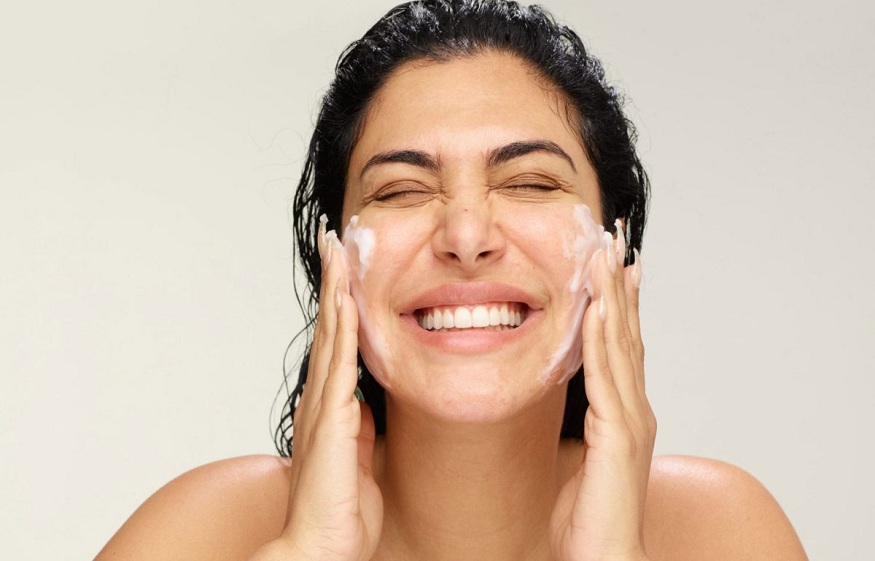
DISCOVER MORE: Click here to learn about stress and skin aging
Understanding the Connection Between Hydration and Skin Health
The skin, often referred to as the body’s largest organ, requires a delicate balance of moisture for optimal performance. As we age, our skin loses its ability to retain moisture, which can accentuate signs of aging such as fine lines, wrinkles, and sagging. According to dermatologists, regular hydration ensures that the skin remains supple and elastic, effectively mitigating these unwanted issues.
Moreover, hydrating the skin from the inside out enhances its ability to renew itself. Hydration is not merely about drinking water; it’s also about the foods we consume. Foods rich in antioxidants, such as berries, spinach, and nuts, can significantly contribute to skin hydration by maintaining the moisture levels within skin cells. This is essential, as skin cells that are well-hydrated are better at repairing themselves and fighting off environmental stressors.
Key Benefits of Hydration for Skin Aging
When discussing the importance of hydration in combating skin aging, several benefits stand out:
- Plumpness and Firmness: Adequate moisture helps to maintain the skin’s volume, which is critical for a youthful appearance. Hydrated skin preserves connective tissues, ensuring that the skin remains firm and well-structured.
- Reduced Inflammation: Dry skin can lead to irritation and inflammation, which can further accelerate aging. Staying hydrated keeps the skin more resilient and less prone to redness and skin disorders.
- Improved Skin Texture: Hydration plays a vital role in maintaining the outer layer of the skin, contributing to a smoother texture and reducing the occurrence of rough patches.
- Enhanced Cell Turnover: Well-hydrated skin is more capable of shedding dead skin cells and promoting new cell growth, leading to a brighter and more vibrant complexion.
Furthermore, external factors, such as climate and lifestyle choices, can influence hydration levels. For instance, exposure to air conditioning during hot summer months or central heating in winter can deplete the skin’s moisture. Incorporating moisturizers containing humectants, emollients, and occlusives is vital to combat these drying effects. Ingredients like ceramides and glycerin can help seal in moisture and create an effective barrier against environmental stressors.
The link between hydration and sustainable skin health is both clear and critical. By focusing on proper hydration techniques and incorporating them into your daily life, you are not merely fighting signs of aging but also investing in the long-term quality of your skin. Embracing this approach can lead to a more youthful, radiant complexion while staving off the inevitable passage of time.
| Advantages of Hydration | Impact on Skin Aging |
|---|---|
| Enhanced Elasticity | Proper hydration helps maintain skin elasticity, which is essential in combating wrinkles and fine lines. |
| Improved Complexion | Hydrated skin appears more radiant and youthful, avoiding the dullness that often precedes visible aging signs. |
| Reduced Inflammation | Adequate water intake can mitigate inflammation, soothing conditions such as dryness and irritation, which can accelerate aging. |
| Detoxification | Hydration aids in the removal of toxins from the body, preventing premature aging caused by environmental stressors. |
Understanding the key role of hydration in maintaining youthful skin is crucial. As we age, our skin’s ability to retain moisture declines, which can lead to visible signs of aging. By prioritizing hydration, we aren’t just quenching thirst; we are actively taking steps to preserve our skin’s health and vitality. Hydration through adequate water intake and hydrating foods can be a game-changer in your skincare routine, challenging the biological clock and promoting a vibrant complexion. Embracing this knowledge allows individuals to explore further ways to enhance their skin’s health and beauty.
DISCOVER MORE: Click here for essential winter skin care tips
Hydration Strategies for Youthful Skin
While the impact of hydration on skin aging is evident, implementing effective hydration strategies is crucial for achieving the best results. It starts with understanding the body’s needs and aligning them with daily routines. One of the most effective approaches involves prioritizing consistent water intake. The general recommendation is to aim for eight 8-ounce glasses of water a day; however, individual needs may vary based on factors such as age, activity level, and climate. Engaging in regular exercise can also enhance circulation and promote better hydration, thus benefiting skin health.
Moreover, incorporating hydrating skincare products into your beauty regimen is essential. Look for serums and creams that contain ingredients specifically known for their moisture-retaining properties. For instance, hyaluronic acid is renowned for its ability to hold up to 1,000 times its weight in water, making it a powerhouse in dermal hydration. Utilizing products enriched with this ingredient can create a plumping effect, filling in fine lines and enhancing the skin’s overall texture.
Dietary Hydration and Its Effects
Dietary choices play a pivotal role in sustaining hydration levels. In addition to drinking water, foods such as cucumbers, watermelon, and oranges can significantly contribute to overall hydration. A study conducted by the National Institutes of Health points out that consuming water-rich fruits and vegetables can bolster skin’s moisture levels, leading to better elasticity and fewer visible signs of aging. Foods high in omega-3 fatty acids, such as salmon and walnuts, also help to lock in moisture, providing a double benefit for skin health.
Furthermore, avoid excessive consumption of dehydrating beverages like coffee and alcohol, which can have adverse effects on skin hydration. Instead, herbal teas, coconut water, and infused water with fruits and herbs can provide delicious alternatives that promote hydration.
Environmental Considerations
Environmental factors play a significant role in skin hydration, especially for those residing in climates with fluctuations. Low humidity levels can sap moisture from the skin, making it necessary to adjust your skincare routine accordingly. Using a humidifier in your home can help reintroduce moisture to the air, which is particularly beneficial during the colder months when indoor heating systems tend to dry out the skin. Additionally, regular exfoliation can aid in removing dead skin cells and allow for better absorption of hydrating products.
Staying aware of these environmental influences can empower individuals to take proactive measures against skin aging. Establishing a comprehensive hydration plan that includes proper water intake, a balanced diet rich in moisture-rich foods, and targeted skincare can significantly improve skin health and vitality.
It’s important to remember that hydration is a year-round endeavor. As we age, our ability to maintain moisture slows down, necessitating a more intentional approach. By making hydration a priority, not only can one fight against aging, but they can also cultivate a radiant complexion that defies the years.
DISCOVER MORE: Click here to learn how your diet can transform your skin
Conclusion: Embracing Hydration for Ageless Beauty
In the quest for maintaining youthful skin, the emphasis on hydration cannot be overstated. As we have explored throughout this article, hydration plays a pivotal role in combating the signs of aging, from enhancing skin elasticity to reducing the visibility of fine lines and wrinkles. It is not simply about drinking adequate amounts of water; it’s about adopting a comprehensive approach that includes nourishing the skin through hydrating skincare products, consuming water-rich fruits and vegetables, and being mindful of the environmental factors that can contribute to dryness.
Prioritizing hydration in your daily routine is essential for achieving and preserving a radiant complexion. As a reminder, the average recommendation of eight 8-ounce glasses of water serves as a baseline; personal needs will vary and should be adjusted based on lifestyle and environmental conditions. Furthermore, integrating moisture-rich foods and understanding how external elements impact skin health can significantly enhance your anti-aging efforts.
Ultimately, hydration is a lifelong commitment. With age, our skin’s natural moisture retention diminishes, making it essential to adapt our habits. By consciously incorporating hydration strategies into our lives, we can not only fight against aging but also enjoy the confidence that comes with vibrant, healthy skin. Therefore, take charge of your skin’s health today—because the best defense against aging starts with a simple, yet powerful source: water.