
Changing Landscape of Beauty
The beauty industry is undergoing a seismic shift towards sustainability, influenced strongly by a growing consumer base that prioritizes ecological considerations. This movement is not just a passive response to environmental challenges; it reflects a conscious choice among consumers who demand products that are both effective and environmentally responsible. As awareness of the environmental impact of beauty products rises, brands are increasingly turning to natural ingredients that promise efficacy while also minimizing harm to the planet.
Consumer Awareness and Clean Beauty
One notable trend is the rise of clean beauty, where consumers are becoming more informed and cautious about the ingredients in their beauty products. They are actively seeking formulations free from harmful chemicals and toxins. This shift is evidenced by the growing market for ‘clean’ certifications and the increasing number of brands that prominently display ingredient transparency on their labels. For instance, brands like Beautycounter and Ilia Beauty have gained serious traction for their commitment to offering products formulated with safety and sustainability in mind.
Exploration of Plant-Based Formulations
Moreover, the trend towards plant-based formulations is gaining momentum, featuring innovative botanical ingredients such as hemp, aloe vera, and jojoba oil that are increasingly recognized for their beneficial properties. Hemp, for instance, is lauded for its moisturizing benefits and anti-inflammatory properties, making it a popular choice in skincare. Similarly, aloe vera has been used for centuries for its soothing effects on the skin, and its use is expanding beyond traditional applications into more contemporary beauty products, including makeup and hair care.
Eco-Friendly Packaging Endeavors
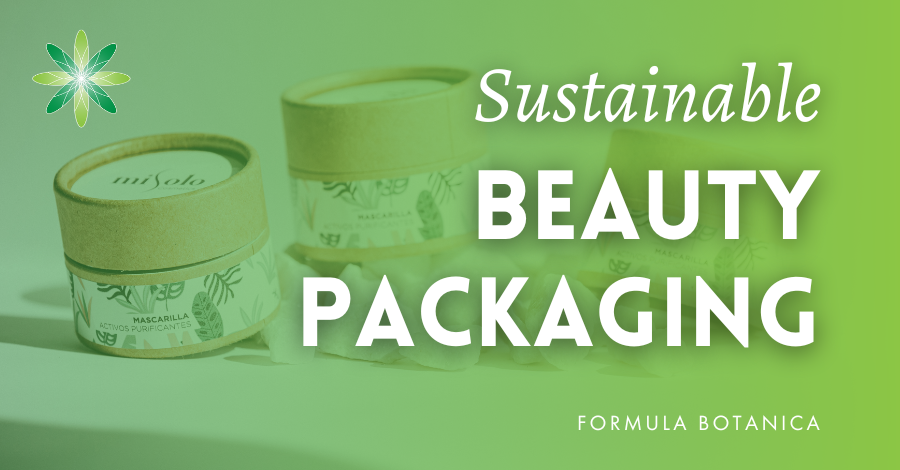
Additionally, the commitment to sustainability extends beyond product ingredients to eco-friendly packaging. Brands are investing heavily in biodegradable and recyclable materials in order to minimize waste in a world grappling with the consequences of plastic pollution. For example, companies like Lush and Ethique are leading the charge by offering products with minimal to zero packaging, illustrating that beauty can be achievable without compromising nature.
Benefits of Sustainable Practices
The incorporation of sustainable practices in the beauty industry brings forth a multitude of benefits. These practices can lead to:
- A significantly reduced carbon footprint during production, as many brands are now employing renewable energy sources and efficient manufacturing processes.
- Support for local communities through ethical sourcing, ensuring that farmers are paid fair wages for their natural ingredient crops.
- Enhanced health benefits for consumers who prefer to limit their exposure to harsh chemicals, ultimately leading to a more holistic approach to beauty.
As these transformative changes continue to unfold, an intriguing question remains: how will the partnership between sustainability and beauty evolve in the coming years? This article seeks to explore these pressing questions and shine a light on the brands that are making remarkable advances in reshaping traditional beauty paradigms. With sustainability at the forefront, the future of the beauty industry is indeed promising, inviting the public to participate in a movement that values both beauty and the planet.
DISCOVER MORE: Click here to learn about the science behind natural ingredients
Innovative Ingredients Driving Change
At the heart of the sustainable beauty revolution lies a profound innovation in natural ingredients. Beauty brands are increasingly tapping into the power of nature, leaning on centuries-old wisdom and modern scientific advancement to create formulations that are gentle on the skin and the planet. Ingredients like argan oil, sheabutter, and seaweed are not just trend-driven; they are being embraced for their proven efficacy and their ability to provide clean alternatives to synthetic materials.
Harnessing Nature’s Power
Argan oil, extracted from the nuts of the argan tree native to Morocco, is an excellent example of such transformative ingredients. Known for its rich fatty acids and vitamin E, argan oil has been touted for its abilities to hydrate and nourish both skin and hair. As it rises in popularity, many brands are choosing to source this ingredient ethically, creating a sustainable livelihood for local communities while protecting biodiversity. Likewise, sheabutter, derived from the nuts of the shea tree, is celebrated for its moisturizing qualities. Rich in vitamins and antioxidants, it serves as a versatile ingredient in various products, from creams to lip balms, reinforcing the idea that sustainable beauty can indeed deliver effective results.
Embracing Marine Ingredients
Another frontier in the sustainable beauty movement involves marine ingredients. Seaweed extracts are increasingly recognized for their hydrating and nourishing properties, making them staples in the formulations of several skincare and haircare brands. Rich in minerals and vitamins, seaweed is not only a boon for skin health but also presents a renewable resource since it requires no freshwater for cultivation and grows rapidly. Brands like Algenist and La Mer have successfully integrated marine botanicals into their offerings, highlighting not only the potential of these ingredients but also their dedication to preserving marine ecosystems through responsible sourcing practices.
Local Sourcing and Biodiversity Conservation
In addition to using innovative ingredients, many sustainable beauty brands are prioritizing local sourcing to support biodiversity and reduce carbon footprints associated with transportation. This strategy often involves working with local farmers who practice sustainable agriculture, thereby ensuring that the communities benefit economically while simultaneously maintaining environmental health. By reducing reliance on imported ingredients, these brands can also foster resilience in local ecosystems and promote sustainable farming practices.
The integration of natural ingredients and sustainable sourcing practices offers numerous advantages, which include:
- Enhanced product effectiveness thanks to the bioactive compounds found in natural ingredients.
- Reduction of environmental impact through sustainable harvesting practices and promoting biodiversity.
- Promotion of ethical labor practices, benefiting farmers and communities involved in the beauty supply chain.
As the beauty industry continues to evolve, it becomes increasingly evident that natural ingredients do more than just beautify; they represent a pathway to a more sustainable future. This burgeoning focus on sustainability is not merely a passing phase, but rather a revelation that could drive the beauty industry towards healthier, more ethical practices. In this intricate dance between nature and beauty, consumers have the unique opportunity to partake in a movement that champions both ecological consciousness and self-expression.
| Category | Characteristics |
|---|---|
| Ingredient Sourcing | Focus on ethically sourced, organic materials |
| Health Benefits | Natural ingredients minimize skin irritation and allergies |
| Environmental Impact | Reduction in chemical runoff and pollution |
| Consumer Awareness | Increasing demand for transparency in product ingredients |
As the beauty industry shifts towards sustainability, the emphasis on ethically sourced ingredients is becoming increasingly significant. Consumers are not only looking for effective products but are also concerned about the origins of the ingredients. Brands that prioritize organic materials ensure a safer choice for both the skin and the environment.Another essential aspect is the health benefits associated with natural ingredients. They tend to reduce the likelihood of allergic reactions and skin irritations, leading to a more positive experience for users. Ingredients derived from plants, minerals, and other organic sources offer nourishment without harsh chemicals.Moreover, the environmental impact of conventional beauty products cannot be overlooked. Sustainable beauty practices reduce chemical runoff and pollution, making them a much greener option. This shift not only benefits the user’s health but also contributes positively to the planet.With the rise of the eco-conscious consumer, there is a growing demand for transparency in product formulation. As customers become more informed, brands must adapt by providing clear and comprehensive ingredient lists, thereby gaining consumer trust. This transformation in the industry reflects a larger movement towards sustainability and responsible beauty choices, fundamentally changing how beauty products are perceived and utilized.
DIVE DEEPER: Click here to uncover the science
The Rise of Transparent Formulations
As consumers become increasingly conscious of what they apply to their skin, the demand for transparency in beauty products has soared. This growing awareness has led brands to not only disclose their ingredient lists but also to educate their customers about the benefits and sourcing of their natural ingredients. Transparency is now recognized as a fundamental pillar of sustainable beauty, as it fosters trust and encourages informed choices among consumers.
From Chemical to Natural: Shifting Values
The shift from synthetic components to natural formulations is emblematic of changing consumer values. Studies show that 75% of consumers are more likely to choose brands that support sustainable practices. This shift is reflected in the vast array of products available, from organic foundation made with plant-based pigments to haircare infused with botanical oils like coconut and jojoba. Brands such as Burt’s Bees and 100% Pure have effectively capitalized on this trend, offering products that not only prioritize natural ingredients but also promote environmental stewardship, with cruelty-free and biodegradable elements.
Innovative Packaging Solutions
Beyond ingredients, sustainable beauty is also about packaging. With the cosmetics industry producing an estimated 120 billion units of packaging each year, the call for eco-friendly packages has never been louder. Brands are responding by innovating in areas such as biodegradable materials, refillable containers, and minimalistic designs that reduce waste. For instance, companies like Lush have taken bold steps by introducing naked packaging—products without any packaging at all—and encouraging customers to bring back used containers for refills. This redefined approach not only minimizes waste but also resonates with environmentally conscious consumers who seek to reduce their ecological footprint.
Health-Conscious Trends in Beauty
The intersection of wellness and beauty has further contributed to the sustainable beauty movement. The burgeoning interest in clean beauty reflects a collective desire for products free from harmful additives, parabens, and artificial preservatives. This trend encourages brands to explore natural preservatives derived from plant extracts or fermented ingredients. For example, brands are increasingly turning to fermented ingredients like sake and kombucha, which not only enhance product longevity but also promote healthy skin through the presence of probiotics and antioxidants.
The Role of Community and Ethical Practices
Another important aspect is the integration of community engagement and ethical practices in sourcing ingredients. Brands are recognizing their responsibility towards farmers, often collaborating with local communities to ensure fair trade practices and equitable compensation. This not only supports local economies but also preserves traditional knowledge in sustainable farming, encouraging biodiversity. Projects like the partnership between SkinCeuticals and local farmers in France for marine collagen sourcing serve as an example of how beauty brands can uplift communities while staying committed to sustainable sourcing.
Across the beauty landscape, innovative ingredient sourcing, transparent formulations, eco-friendly packaging, health-conscious trends, and ethical practices signify a monumental shift in the industry. As these elements converge, the future of sustainable beauty looks bright, emphasizing both consumer choice and environmental sustainability as guiding principles for brands navigating this transformative era. By embracing these changes, consumers not only enhance their personal care routines but also contribute to a collective movement toward a more sustainable planet.
DIVE DEEPER: Click here to discover more
Conclusion: The Future of Sustainable Beauty
The evolution of the beauty industry is undoubtedly being shaped by the growing emphasis on sustainable practices and natural ingredients. As consumers actively seek out products that align with their values, brands are responding with transparent formulations, eco-friendly packaging, and ethical sourcing strategies. This transformation not only addresses the immediate needs of today’s health-conscious shoppers but also signals a profound shift in corporate responsibility towards our planet and communities.
With a staggering 75% of consumers prioritizing brands that commit to sustainability, the market is witnessing a renaissance that intertwines beauty with ethical practices. The adoption of innovative solutions in packaging—which aims to reduce waste and promote reuse—demonstrates how businesses are evolving to meet consumer expectations head-on. Additionally, the movement towards clean beauty focused on eliminating harmful additives is a testament to the prioritization of health alongside aesthetic appeal.
As we look to the future, it is clear that the narrative of beauty is transforming from one of superficiality to one of substance, inclusivity, and environmental stewardship. Brands that embrace sustainable practices will not only thrive in a competitive market but also contribute to a healthier planet. This ongoing journey invites consumers to engage with their beauty choices more meaningfully, empowering them to be part of a movement that champions both personal care and the collective good. As the landscape of sustainable beauty continues to grow, it holds the promise of not just enhancing our beauty routines but also redefining our relationship with the world around us.