
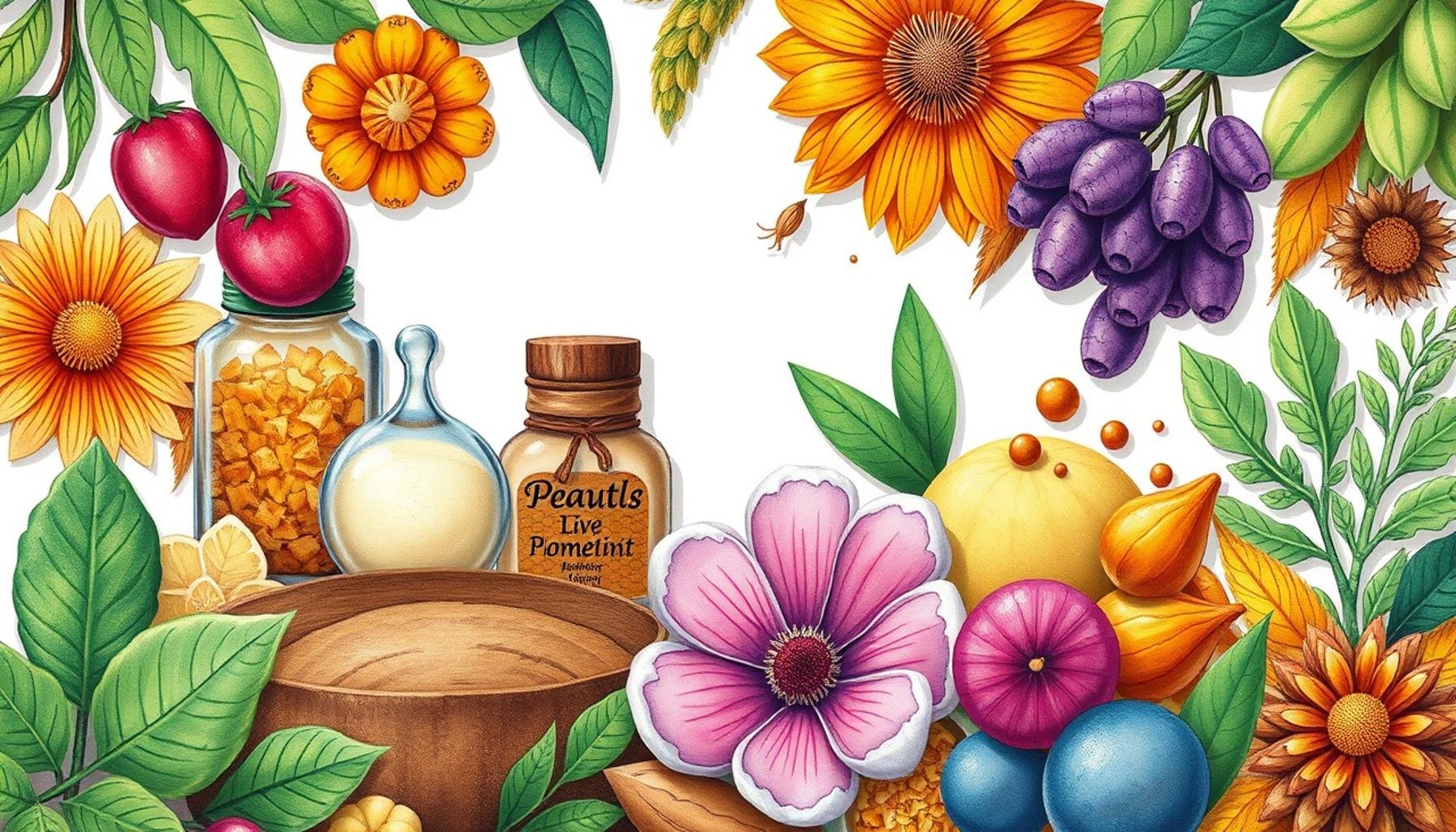
Embracing the Essence of Nature in Beauty Practices
The transformation of the beauty industry has been remarkable in recent years, particularly with the growing emphasis on natural ingredients. This shift is not just a passing trend; it represents a deep-rooted cultural heritage that venerates the practices of our ancestors. As consumers become more mindful of what they apply to their skin and hair, there is an emerging appreciation for the enduring benefits of utilizing native plants and minerals, which have served various cultures for centuries.
Among the plethora of natural components making their way into personal care products, a few stand out for their remarkable effectiveness. Aloe Vera, for instance, has been employed by ancient civilizations for its myriad healing properties. Renowned for its ability to alleviate sunburn and hydrate the skin, this succulent has earned its place as a staple in countless beauty regimes, promoting skin health and vitality.
Olive Oil, with its historical roots in Mediterranean cultures, exemplifies an extraordinary beauty elixir. Highly regarded for its rich moisturizing properties, it is commonly used in various forms, from skincare to hair treatments. In fact, many women in Italy have relied on this golden liquid not only for cooking but also as a direct application for soft, supple skin.
Another natural powerhouse is Shea Butter, a celebrated ingredient for its exceptional nourishing capabilities. Originating from the beautiful shea tree found in West Africa, this natural fat has been used for centuries to protect and hydrate the skin, particularly in regions where hot, dry climates can cause dryness and irritation. Its rich composition of vitamins A and E makes it highly effective, and it remains a trusted remedy against skin ailments.
- Aloe Vera – Valued across ancient cultures for its skin-soothing and healing benefits.
- Olive Oil – A Mediterranean beauty secret, revered for its moisturizing properties.
- Shea Butter – A nourishing treasure from West Africa, cherished for its deeply hydrating qualities.
What is particularly compelling about these natural ingredients is not just their effectiveness, but also the rich tapestry of stories and traditions they carry with them. Each application is a nod to the generations that relied on these elements, providing a sense of connection that transcends time and geography. In integrating these age-old practices into our modern beauty rituals, we honor the diverse cultural histories from which they originate and showcase a profound respect for our planet’s offerings.

As you delve deeper into the world of natural beauty, you will find that every ingredient tells a story. By embracing these potent gifts from nature, you can enhance your beauty routine while fostering an appreciation for the cultures that have championed these practices. Join us on this exciting exploration and celebrate the power of nature in shaping perceptions of beauty today.
Unearthing Traditional Beauty Secrets
The exploration of natural ingredients in beauty practices reveals a treasure trove of wisdom accumulated over generations. Each ingredient emerges from a rich cultural background, reflecting the unique environmental conditions, traditional knowledge, and spiritual beliefs of a community. By understanding the stories behind these ingredients, we can appreciate not only their physical benefits but also their cultural significance.
Take, for example, Honey, often dubbed “nature’s sweetener.” Honey has been utilized in beauty rituals across the globe, from ancient Egypt to modern-day Japan. Known for its natural antibacterial properties, it is commonly used in face masks and hair treatments. Egyptian queens such as Cleopatra were famous for their milk and honey baths, believed to contribute to their radiant skin. Today, many brands incorporate honey into their formulations, tapping into its historical allure and efficacy.
Turmeric, another time-honored ingredient, has been cherished in Ayurvedic practices for centuries. This vibrant yellow spice is renowned for its anti-inflammatory and antioxidant properties, making it a favorite among those seeking a natural glow. In India, turmeric is used in traditional wedding ceremonies as part of the bridal beauty regimen known as “haldi,” symbolizing purity and auspiciousness. As U.S. consumers become more interested in holistic beauty solutions, turmeric is finding a place in everything from skincare to haircare, allowing individuals to connect with its rich cultural heritage.
- Honey – Celebrated for its ancient uses in beauty, honey boasts antibacterial properties and deep moisturizing effects.
- Turmeric – A cornerstone of Ayurvedic beauty rituals, known for its powerful antioxidant and anti-inflammatory benefits.
- Jojoba Oil – Traditionally sourced from the indigenous peoples of the American Southwest, valued for its skin-similar properties and deep hydration.
Jojoba Oil is another remarkable ingredient with a rich history, derived from the seeds of the jojoba plant native to North America. This oil is celebrated for its ability to mimic the skin’s natural sebum, making it an excellent moisturizer suitable for all skin types. Indigenous communities have long used jojoba oil for its healing properties, showcasing its deep ties to cultural identity and sustainable practices. In contemporary American beauty markets, jojoba oil serves not just as a product but as a testament to the importance of preserving indigenous knowledge and sustainability.
As these natural ingredients gain popularity, it’s imperative that we approach them with respect and appreciation for their cultural origins. Understanding the background of these elements allows us to make informed choices that honor the traditions and practices passed down through generations. By integrating these ancient ingredients into our modern beauty routines, we forge a connection with the past while nurturing our present, making every application a meaningful experience.
| Category | Details |
|---|---|
| Ethical Sourcing | Emphasizes sustainable practices, ensuring ingredients are harvested without harming the environment. |
| Cultural Significance | Highlights traditional beauty routines rooted in history, enhancing the narrative behind the products. |
| Health Benefits | Natural ingredients often provide holistic benefits, promoting skin health and overall wellness. |
| Innovation | Combining ancient wisdom with modern technology creates innovative beauty solutions. |
By exploring the cultural heritage of natural ingredients, we are not only preserving history but also revolutionizing the beauty industry. For instance, ethical sourcing practices not only safeguard the environment but also ensure the longevity of traditional practices. Furthermore, each ingredient carries a story of cultural significance—learning about these tales can enhance the consumer’s experience and connection to the product.Moreover, the health benefits associated with natural ingredients can lead to a more sustainable approach to beauty, moving away from chemical-laden alternatives. Today, beauty brands are innovatively blending these traditional ingredients with contemporary formulations to cater to the modern consumer’s needs without compromising on quality or ethics. As you delve deeper into this captivating world, you will uncover layers of meaning and history that enrich your beauty journey.
The Global Tapestry of Natural Ingredients
As we delve deeper into the world of natural ingredients, we discover a vibrant tapestry of beauty practices woven from diverse cultural traditions. From the tropics to the arctic, regions around the globe have cultivated unique practices that utilize readily available natural resources, transforming them into potent beauty treatments.
Aloe Vera, widely recognized for its soothing properties, traces its roots back to ancient Egypt, where it was hailed as the “plant of immortality.” This succulent, rich in vitamins and minerals, plays an essential role in skin healing and hydration. In many indigenous cultures, aloe vera is revered not just for its practical benefits but also for its spiritual significance in health and wellness. Today, it features prominently in skincare products across the United States, appealing to consumers seeking natural remedies for everything from sunburns to acne.
- Aloe Vera – Known for its skin-soothing and healing properties, with a rich history in both beauty and medicinal practices.
- Coconut Oil – A staple in tropical regions, this multi-functional oil is used not only for skin and hair care but also in various culinary traditions.
- Green Tea – Celebrated in Asian cultures for its antioxidant-rich properties, this ingredient is now a favorite in anti-aging skincare formulations.
Coconut Oil is another natural ingredient that has permeated beauty cultures across the world. Primarily found in tropical regions, it has been a staple in the daily rituals of many Southeast Asian communities, mainly for skincare and haircare. Its emollient properties make it an excellent moisturizer, while its fatty acids provide nourishment to the hair. In the U.S., coconut oil has surged in popularity, not only as a culinary tool but also as a beloved ingredient in beauty products. The ongoing fascination with this oil highlights a growing trend where even trendy beauty products find roots in age-old practices.
Moreover, Green Tea has emerged as a key player in the natural beauty landscape, particularly due to its rich supply of antioxidants known for combating skin aging. Originating from East Asia, particularly China and Japan, green tea has been celebrated for centuries not only for its health benefits but also as a key ingredient in skincare. Japanese beauty secrets often incorporate green tea extracts into various formulations, emphasizing its revitalizing effects on the skin. Its incorporation into Western skincare regimens indicates a palpable shift toward embracing practices that foster holistic wellness.
This exploration of natural ingredients underscores the importance of recognizing the cultural frameworks that surround them. These ingredients are not just commodities; they embody stories, traditions, and a deep connection to the land and its people. As American consumers increasingly seek holistic and ethical beauty solutions, acknowledging the origins of these natural products fosters a greater appreciation for both their benefits and their cultural significance.
Celebrating Cultural Heritage in Beauty
The journey through the cultural heritage of natural ingredients in beauty practices reveals a remarkable world where tradition meets modernity. As we examine the rich histories of ingredients like aloe vera, coconut oil, and green tea, it becomes clear that these elements are more than mere additives; they are rooted in the identity and wisdom of diverse cultures. Each ingredient carries with it a narrative that reflects the values and practices of those who use them, weaving a story about their evolution through time.
By embracing these natural resources, we not only enhance our beauty routines but also pay homage to the generations before us who discovered their potential. As the conversation around sustainability and wellness grows in the United States, the demand for natural beauty solutions underscores a collective yearning for authenticity and a connection to something greater. Consumers today are not just craving effectiveness; they are also seeking mindfulness in their choices, encouraging brands to honor ethical sourcing and transparency.
Ultimately, exploring this cultural heritage invites us to expand our understanding of beauty. It encourages a deeper appreciation for the rituals that shape our skincare practices and reminds us that nature’s gifts—celebrated across continents—are integral parts of a global tapestry. As we advocate for ethical beauty, let us not forget the voices behind the ingredients and strive to honor those traditions while moving towards a more inclusive and holistic approach to beauty.