
Understanding the Shift in Consumer Preferences
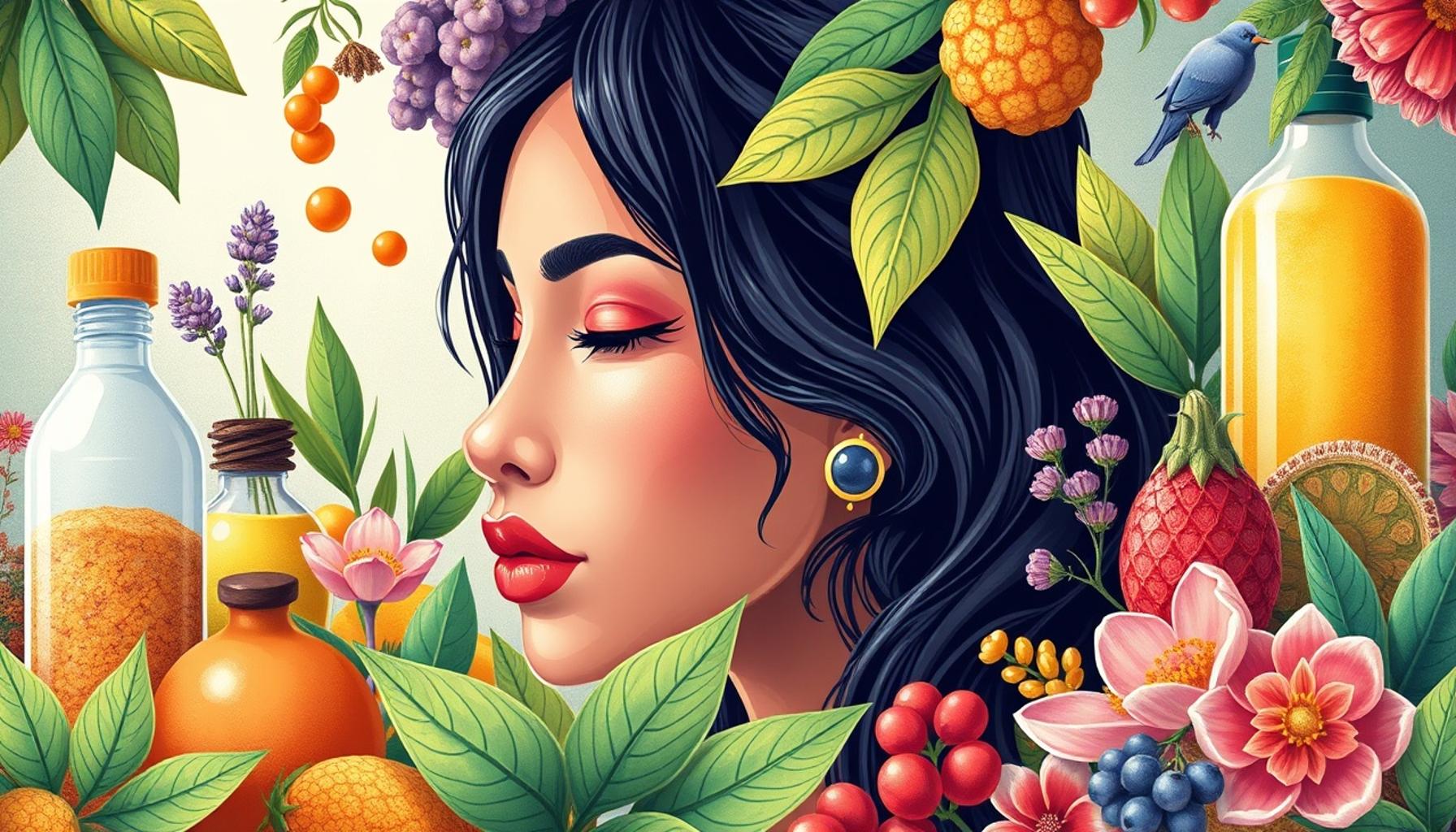
In recent years, there has been a remarkable shift in consumer preferences, with a growing demand for natural ingredients in beauty products. This trend reflects an increasing awareness of the health implications of using synthetic substances on the skin. As consumers become more discerning and informed, they gravitate towards products that not only enhance beauty but also contribute positively to their health and the environment. This movement underscores a broader cultural shift towards wellness and sustainability, prompting beauty brands to adapt and evolve.
Reasons Behind the Rise
- Consumer Awareness: A heightened understanding of ingredient transparency has led customers to seek products free from harmful chemicals. Reports indicate that approximately 60% of consumers actively look for products labeled as “free from parabens and sulfates.” This growing skepticism towards conventional beauty ingredients fuels a shift toward formulations that prioritize safety and naturality. Additionally, the rise of social media has enabled consumers to share and access information about harmful ingredients, creating a chorus for cleaner alternatives.
- Eco-Friendly Practices: With climate change and environmental degradation becoming urgent global issues, many brands are adopting sustainable practices, thereby appealing to environmentally conscious consumers. This includes utilizing packaging made from recycled materials, engaging in fair trade sourcing, and promoting a circular economy. Companies like Lush and Seventh Generation exemplify this ethos, focusing on reducing their carbon footprints while delivering quality products.
- Holistic Wellness: There’s a growing recognition that beauty is interconnected with overall wellness, promoting the use of plant-based and organic components. In this holistic view, inner health significantly influences outer beauty. As a result, more products incorporate ingredients like turmeric and green tea, which not only provide topical benefits but also reveal the brand’s commitment to promoting wellness at every level of consumption.
Innovations in Natural Ingredients
Brands are innovating rapidly, integrating unique natural ingredients that resonate with today’s diverse consumer base. Among the most intriguing innovations are:
- Adaptogenic botanicals like ashwagandha, prized not only in skincare but also in health supplements, are gaining traction for their stress-relieving properties. These herbs help the body adapt to stress and are now commonly found in beauty elixirs aimed at enhancing skin resilience and radiance.
- Vitamin-rich oils such as rosehip and jojoba are celebrated for their nourishing properties. Rosehip oil, rich in essential fatty acids and vitamins A and C, is known for promoting skin regeneration and reducing scars, while jojoba oil mimics the skin’s natural oils, making it an excellent moisturizer for all skin types.
- Cruelty-free formulas have become an ethical standard in beauty consumerism. Brands like Fenty Beauty and Too Faced are pioneers, crafting products that are not only good for you but also kind to animals, helping to propel the movement towards more ethically aware consumer choices.
This convergence of trends not only presents exciting opportunities for consumers—who can feel more empowered and informed about their beauty choices—but it also challenges beauty brands to innovate and rethink their business models. As the market continues to shift, understanding these dynamics will benefit beauty enthusiasts while transforming how industry players operate in a rapidly changing landscape. With each new development, a clearer vision of beauty emerges, one that celebrates authenticity, sustainability, and wellness.
DIVE DEEPER: Click here to discover how nutrition can enhance your skin texture
A Closer Look at Consumer Motivations
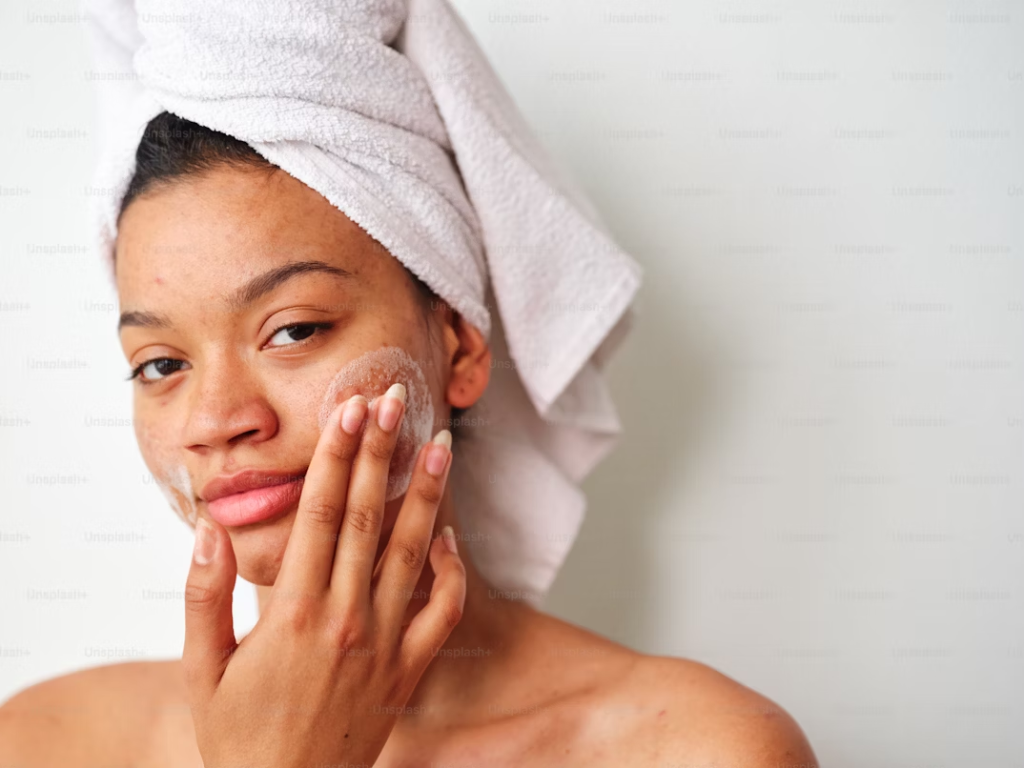
The burgeoning popularity of natural ingredients in the beauty sector is not merely a fleeting trend; it reflects the deeper motivations of today’s consumers. Individuals are increasingly motivated by a desire for transparency in product formulation, mindful consumption, and a holistic approach to beauty that resonates with broader lifestyle choices. As awareness about skincare ingredients grows, consumers are more inclined to read labels, scrutinizing the contents of their products and the implications of those choices on their health and the planet.
Influential Drivers of Change
- Informed Consumerism: Fueled by social media platforms and an extensive range of online resources, modern consumers possess unprecedented access to information about product ingredients. The rise of health-conscious lifestyles has become a catalyst for demanding transparency and accountability from brands. Reports reveal that about 70% of consumers wish to know the origin of products, leading to an increased emphasis on brands that prioritize ingredient sourcing and honesty in their marketing.
- Environmental Consciousness: As discussions on climate change and sustainability gain momentum, consumers are not just seeking beauty solutions but are also placing a premium on products that contribute positively to the environment. Natural beauty brands that emphasize biodegradable packaging, minimalistic design, and local sourcing are thriving. Companies like Beautycounter, which champions both clean beauty and environmental advocacy, exemplify how integrating ecological considerations into business practices can resonate with a growing audience.
- Holistic Health Awareness: The concept of beauty as a reflection of overall well-being is more prevalent than ever. In a world where wellness processes explore the connection between mind, body, and skin, natural ingredients play a pivotal role. Clubs and communities dedicated to health-driven products encourage their members to explore plant-based formulations that promise both beauty and wellness benefits. Ingredients such as hyaluronic acid and aloe vera, celebrated for their hydration properties, have been embraced for their dual role in enhancing beauty and supporting skin health.
In this reshaping landscape, beauty brands are finding themselves urged to innovate continuously, driven by the evolving preferences of a discerning and informed consumer base. The emergence of natural ingredients is paving the way for novel product formulations that harmonize with the ethos of sustainability and personal health. This intersection of beauty and wellness is not just changing what is on store shelves but is also prompting the industry to rethink its fundamental principles. Such a transformation encourages a dialogue around authenticity, encouraging beauty enthusiasts to advocate for their values and seek brands that align closely with their needs and beliefs.
The Rise of Natural Ingredients in the Beauty Industry: Trends and Innovations
As consumers become increasingly conscious of their health and the environmental impact of their purchases, the demand for natural ingredients in beauty products continues to surge. This shift represents not just a trend but a profound innovation in the beauty industry that is transforming how brands formulate their offerings.Many consumers are now favoring products with transparent formulations that include components sourced from nature. Beauty brands are increasingly integrating ingredients like plant extracts, essential oils, and natural preservatives into their products, emphasizing their sustainability and efficacy. For instance, ingredients like hyaluronic acid sourced from plant material and botanical oils are gaining traction due to their skin-loving benefits and minimal environmental footprint.In addition, the rise of clean beauty brands highlights an increased awareness regarding harmful chemicals. This creates a buzz around products that are free from synthetic additives and harsh preservatives, leading to a plethora of new brands offering safer alternatives. Market research indicates that consumers are willing to invest in higher-priced items if they align with their ethical values, pushing established companies to reformulate their products to maintain consumer trust and relevance.With innovation at the forefront, technological advancements are pushing the envelope further. Techniques like biofermentation are evolving, producing active natural ingredients that demonstrate improved stability and efficacy in skincare formulations. This highlights a significant shift in product development strategies, where traditional beauty norms are being redefined by the incorporation of sustainable, naturally sourced components.Furthermore, the innate benefits of natural ingredients are often enhanced through innovative extraction methods, resulting in high-potency formulations. For example, techniques such as cold-pressed extraction preserve the integrity and potency of vital nutrients, ensuring that products deliver optimal performance without relying on synthetic counterparts.As the beauty industry moves forward, the integration of these innovative practices points to a future where natural ingredients not only dominate shelves but also define a new era of beauty standards centered on health and sustainability.
| Category 1 | Category 2 |
|---|---|
| Ingredient Safety | Natural ingredients reduce exposure to harmful chemicals. |
| Environmental Sustainability | Promotes eco-friendly practices and reduces ecological footprints. |
The intersection of natural ingredients with cutting-edge innovations is reshaping consumer expectations and encouraging brands to explore new possibilities, which can only lead to an enriching future for both consumers and the environment.
DISCOVER MORE: Click here to learn about the benefits of natural ingredients
Innovations Driving the Shift Toward Natural Beauty
The increasing reliance on natural ingredients within the beauty industry can also be attributed to outstanding innovations that enhance performance while maintaining a commitment to sustainability. As brands respond to consumer demands, notable advancements are emerging, changing not only the types of ingredients used but also the methods of extraction, production, and application.
Advanced Extraction Techniques
One key area revolutionizing the use of natural ingredients is the development of advanced extraction techniques. Traditional methods sometimes result in the loss of efficacy and beneficial compounds. Now, companies are leveraging technologies like supercritical CO2 extraction, which uses high pressure and low temperatures to preserve the integrity of sensitive botanical compounds. This technique maintains the potency of essential oils and extracts from plants, resulting in highly effective beauty products. For example, brands like Herbivore Botanicals utilize this method to create serums that deliver maximum hydration and nourishment.
Biotechnology in Beauty
Innovations in biotechnology are also playing a pivotal role in the rise of natural ingredients. By employing microbial fermentation and cellular agriculture, beauty brands can create sustainable ingredients that replicate the benefits of traditional botanicals without depleting natural resources. This approach not only reduces the environmental impact but also enhances product formulations. Brands like Juice Beauty are paving the way by utilizing organic plant-based ingredients grown sustainably. Their pioneering use of fermentation processes enhances the potency of antioxidants and vitamins in their skincare lines, making them a favorite among eco-conscious beauty enthusiasts.
Customized Beauty Experiences
Furthermore, personalized beauty is gaining traction, with many consumers seeking products tailored to their unique skin types and preferences. Natural beauty brands are embracing this trend by offering customizable formulations that utilize natural ingredients specifically chosen based on individual skin concerns. Innovations in technology, such as artificial intelligence and skin diagnostics, are enabling brands to recommend personalized product routines. For instance, a company like Function of Beauty allows consumers to create shampoo and conditioner formulas with natural ingredients that are customized for their hair type and goals, showcasing an innovative approach to personal care.
Transparency and Clean Certifications
As consumers champion clean beauty standards, brands are responding with transparency and certifications that validate their use of natural ingredients. Certifications such as USDA Organic, Leaping Bunny, and the Non-GMO Project are becoming increasingly prominent on packaging, signaling a commitment to quality and sustainability. This move towards certification not only builds consumer trust but also holds companies accountable to maintain ethical practices in ingredient sourcing and production. Brands like Drunk Elephant have successfully positioned themselves as leaders in clean beauty by emphasizing transparency around ingredient sourcing, formulation, and environmental practices.
The integration of innovation, sustainability, and customizability within the beauty sector is not just about meeting current consumer demands; it’s about reshaping the future of beauty itself. By understanding these evolving trends and the innovations driving them, stakeholders in the industry can align more closely with the values of a growing base of consumers who prioritize natural ingredients and ethical practices in their beauty products.
DISCOVER MORE: Click here for tips on choosing the right skincare
Conclusion
As the landscape of the beauty industry undergoes a transformative shift, it becomes increasingly evident that natural ingredients have not merely become a trend, but a fundamental paradigm guiding future innovations. The demand for products that align with consumer values of sustainability, efficacy, and ethical practices continues to rise, propelled by advancements in technology and a deeper understanding of the natural world. Companies are leveraging advanced extraction techniques and biotechnology to enhance the benefits of nature’s offerings while minimizing environmental impact, demonstrating that beauty and sustainability can go hand in hand.
The emergence of customized beauty experiences indicates a significant shift towards personalization, allowing consumers to connect more intimately with their skincare routines. This trend not only enhances user engagement but signals a robust market willing to invest in products that cater to personal needs. Moreover, the growing emphasis on transparency and clean certifications reinforces the idea that informed consumers demand accountability from brands. As beauty enthusiasts educate themselves on the ingredients that benefit their bodies and the planet, they are more equipped to make conscious choices.
The rise of natural ingredients is thus a reflection of broader societal values, merging personal care with global responsibility. By embracing these innovations and trends, the beauty industry is poised to redefine standards for efficacy and sustainability, ultimately fostering a future where beauty serves as a beacon of health and environmental stewardship. As consumers and brands alike continue to champion this movement, the journey toward a natural and ethical beauty industry holds promise for generations to come.