Gamification of Productivity: How Apps Turn Tasks into Fun Challenges

Engaging Productivity Through Play
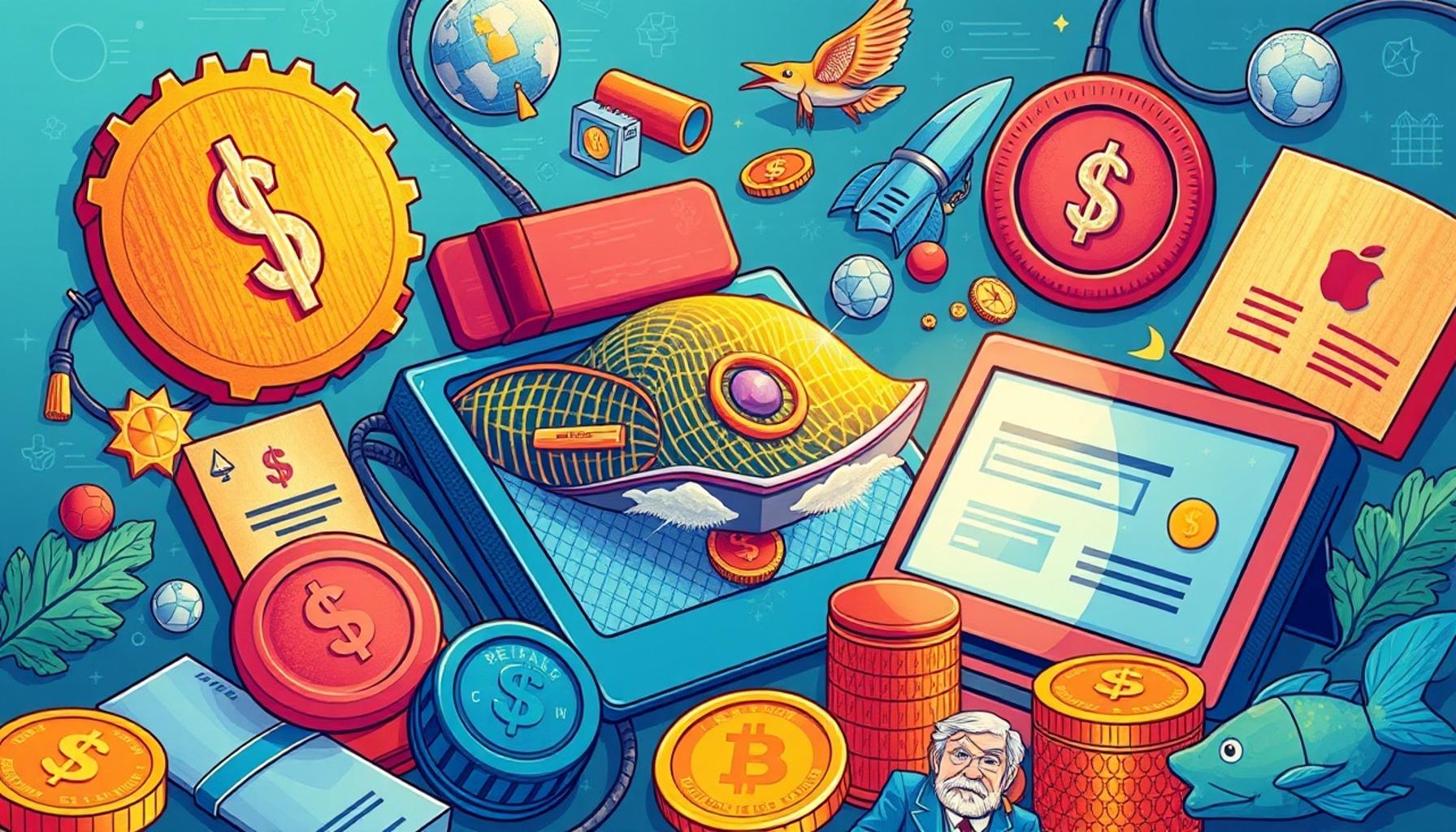
In a world driven by constant distractions, boosting productivity can feel like an uphill battle. Enter gamification, a revolutionary approach where mundane tasks are transformed into exciting challenges that motivate and energize users. More than just a passing trend, these innovative applications are reshaping how we tackle daily responsibilities and enhancing our overall productivity.
Gamified productivity tools seamlessly incorporate elements from game design to make task completion more enticing and enjoyable. Key features often include:
- Rewards and Achievements: Users can earn points, badges, or levels for completing tasks. This not only creates a sense of achievement but also encourages users to take on more challenging goals.
- Competition: Many apps allow users to challenge friends or colleagues through leaderboards, fostering a healthy competitive spirit. This social aspect can drive users to stay on track and become more productive.
- Levels and Progress Bars: Visualization of progress can be incredibly motivating. When users see their accomplishments represented visually, they often feel a greater sense of satisfaction and are more inclined to keep pushing towards their goals.
According to recent studies, incorporating game-like elements can increase engagement by up to 48%. Not only do users complete tasks more frequently, but they also tend to develop healthier work habits that can lead to long-term success. This unique blend of efficiency and enjoyment appeals to a diverse range of individuals, from students tackling assignments to professionals managing projects.
The rise of these applications has made productivity feel less like a chore and more like an adventure. Popular examples include:
- Habitica: This app turns your life into a role-playing game (RPG). Users create a character and gain experience points for completing real-life tasks, making personal growth akin to leveling up in a game.
- Todoist Karma: With this app, users earn karma points for completing tasks, which can motivate them to check off items from their to-do lists. The gamification aspect transforms daily responsibilities into a rewarding experience.
- Forest: This unique app encourages users to stay focused by growing a virtual tree during work sessions. If you abandon your task to check your phone, your tree dies, promoting the cultivation of better focus and concentration.
As we delve deeper into the world of task gamification, it becomes evident that these clever tools are more than just novelties. They represent a fundamental shift in how we approach our to-do lists and personal growth. By leveraging the innate human desire for achievement and connection, gamified productivity tools can help individuals not only manage their time better but also enjoy the process along the way.
DIVE DEEPER: Click here to learn more about making your apps inclusive
Unlocking Motivation with Gamified Techniques
The concept of gamification isn’t new; it has roots in educational methods and behavioral psychology that span decades. However, its recent application to productivity has sparked excitement and interest across various sectors, pushing individuals and teams to optimize their performance while enjoying the process. The effectiveness of this approach can be attributed to several psychological principles that drive motivation and engagement, making daily routines feel less monotonous and more dynamic.
At its core, gamification of productivity taps into the innate human desire for achievement and recognition. By integrating game mechanics into task management, these applications stimulate the brain’s reward center, making users more likely to accomplish their goals. Here are some key psychological factors at play:
- Intrinsic Motivation: Gamified apps encourage participants to engage in tasks for the sheer joy of completing them, rather than solely for external rewards. This leads to a deeper sense of satisfaction and drives long-term habit formation.
- Goal Setting: Setting goals is crucial for motivation. Many gamified productivity tools allow users to define both short-term objectives and long-term aspirations, enhancing clarity and focus.
- Instant Feedback: Immediate feedback through points, levels, or badges allows users to track their performance in real-time, creating a sense of urgency and encouraging them to stay engaged with their tasks.
Moreover, studies indicate that gamification can boost productivity by as much as 30% to 50% in some scenarios. This substantial increase makes it evident why more organizations in the United States are adopting such apps as part of their productivity strategy. As employees and students actively engage in their tasks, they find themselves more likely to complete assignments, meet deadlines, and innovate solutions to problems.
To illustrate this shift, consider the example of Forest, which not only aims to enhance productivity but also addresses distractions caused by smartphones. Users plant virtual trees that grow as long as they remain focused. If they succumb to the temptation of their phone, their tree dies, adding a layer of consequence to the act of distraction. This creative approach successfully encourages users to practice discipline and stay on task, blending productivity with environmental awareness by planting real trees through accumulated rewards.
In addition to Forest, other applications like Habitica and Todoist Karma showcase varying ways to gamify task management. By adopting an RPG format or introducing karma points, they reinforce positive behavior and make mundane responsibilities feel like exciting quests. With every task completed, users feel a sense of progression akin to advancing through levels in a video game, which is as motivating in personal life as it is in professional settings.
As the landscape of productivity continues to evolve, the gamification of tasks remains at the forefront, offering a refreshing perspective on how we can manage our time and responsibilities. By reimagining the way we engage with our to-do lists, these tools not only increase our efficiency but also contribute to a more enjoyable experience, making each completed task a mini celebration rather than a chore.
Unlocking the Power of Gamification
The concept of gamification in productivity apps leverages psychological triggers to make mundane tasks more engaging and enjoyable. By integrating elements like points, levels, and rewards into daily activities, users receive immediate feedback that encourages them to stay on track. This method has proven effective in various contexts, from education to corporate environments. Users are not just ticking tasks off a list; they are embarking on a journey filled with challenges and achievements.
Research confirms that gamified experiences can drastically improve motivation and focus. For instance, a study published in the Journal of Applied Psychology indicated that teams utilizing gamification saw productivity increases of up to 40%. This captivating aspect of productivity apps attracts individuals of all ages, transforming traditionally boring tasks into interactive challenges that ignite competition, creativity, and engagement.
Many popular apps employ unique reward systems. For example, users might earn badges for completing projects, which not only instills a sense of accomplishment but also fosters community sharing as users showcase their achievements. Furthermore, social connectivity inherent in these apps enhances user experience, enabling players to challenge friends or collaborate, creating an ecosystem that thrives on mutual reinforcement.
The role of game mechanics extends beyond mere rewards. Progress trackers visually represent achievements, infusing a sense of urgency and purpose. Incorporating leaderboards adds a competitive twist, elevating engagement levels dramatically. This competitive spirit can ignite individual aspirations, transforming simple to-do lists into exciting quests.
The Future of Productivity
As technology advances, the potential for gamification in productivity is bound to evolve. Future iterations of apps could include augmented reality (AR) or virtual reality (VR) elements, further blurring the lines between work and play. Imagine taking on productivity challenges in digital worlds where your avatar’s progress can unlock real-world rewards. Such advancements not only promise to enhance task completion rates, but they also generate more enjoyable user experiences that bridge the gap between intrinsic and extrinsic motivation.
By embracing gamification, users can turn everyday productivity obstacles into engaging challenges, ultimately altering their view of work. The shift in perspective—seeing tasks as quests rather than chores—could pave the way for a generation that approaches productivity with enthusiasm and creativity. This evolving landscape beckons curiosity among those seeking to maximize their potential.
| Benefits of Gamification | Key Features |
|---|---|
| Increased Engagement | Utilizes points, levels, and leaderboards |
| Motivation & Achievement | Immediate feedback and visual progress tracking |
By investigating the dynamic interplay of gamification and productivity apps, readers are encouraged to delve deeper and discover how these innovative approaches can transform their own task management strategies. The world of productivity is evolving, and embracing these changes could lead to a more enjoyable and fulfilling experience.
DISCOVER MORE: Click here to delve deeper
The Role of Social Interaction in Gamified Productivity
In addition to the individual benefits these gamified applications provide, an equally significant aspect lies in the power of social interaction. Many current productivity apps foster a sense of community and collaboration, allowing users to share achievements, compete with friends, and encourage one another. By intertwining social elements with productivity tasks, these platforms capitalize on another essential psychological principle: the desire for social validation.
For instance, Duolingo, a language-learning platform, brilliantly merges social interaction with gamification. Users can follow their friends, compare progress, and even challenge one another to maintain streaks in their daily exercises. This not only cultivates a healthy sense of competition but also creates accountability, further driving users to engage and complete tasks as a collective rather than in isolation.
Moreover, social unlocks avenues for friendly competition, enhancing motivation through leaderboards, team challenges, or cooperative gameplay. An app like Fitocracy exemplifies this by turning workouts into challenges among friends. Users can gain points and level up by meeting fitness goals, but it’s the interaction, encouragement, and shared victories that elevate the experience even further. This communal vibe not only makes working out pleasurable but can also encourage a healthier lifestyle overall.
Gamified productivity apps often employ another interesting tactic: sharing progress on social media. Applications such as Streaks facilitate this by allowing users to display their accomplishments and milestones on platforms like Instagram or Facebook. This use of public accountability further propels individuals to complete their tasks, as their peers can recognize and celebrate their achievements, reinforcing their efforts in a broader community context.
Furthermore, the integration of social challenges enhances creativity and innovation. Apps like Todoist not only reward users for individual tasks but also prompt them to form groups to tackle collective goals. These collaborations can lead to brainstorming sessions that save time and improve output, essentially transforming productivity from a solitary activity into a shared mission full of diverse ideas and solutions.
While the aspects of competition and accountability can significantly enhance productivity, it is essential for users to find a balance based on their preferences. Some may thrive in competitive environments, while others prefer a more subdued approach. Tailored experiences—where users can customize their level of interaction—are a game-changer. For example, applications like Habitica allow users to either compete against friends or journey through their tasks independently, ensuring that the gamified experience aligns with individual motivation styles.
The gamification of productivity clearly benefits from the inclusion of social elements, providing a dual advantage. Not only do users experience an uptick in motivation due to game mechanics, but the collaborative aspect fosters relationships and a sense of belonging. Whether it’s through friendly competition or shared progress, gamified apps have transformed boring to-do lists into vibrant communities—all while encouraging users to achieve their personal and professional goals.
DISCOVER MORE: Click here to enhance your virtual workspace
Conclusion: Embracing the Future of Productivity
The gamification of productivity has emerged as a transformative force in how we approach our daily tasks, with numerous apps turning mundane chores into engaging challenges. By leveraging principles of game design, these applications motivate users to not only complete tasks but also to enjoy the process. The incorporation of elements such as point systems, leaderboards, and customizable experiences empowers users to tailor their productivity journeys, striking a balance between competition and personal achievement.
As we explored, the role of social interaction amplifies the effects of gamification. Whether through friendly competition or community support, social features provide additional motivation and accountability, thereby transforming solitary productivity into an interactive experience. Apps like Duolingo and Fitocracy create environments where users can celebrate their victories together, encouraging a collective pursuit of goals.
However, it is essential to consider individual preferences in engagement styles. Not everyone thrives in the same competitive atmosphere; thus, customizable options are crucial for maximizing the effectiveness of productivity apps. As more innovators seek to harness gamification strategies, there lies tremendous potential for improving personal and professional productivity nationwide.
In conclusion, embracing the gamified approach to productivity not only enhances task management but also infuses a spirit of excitement into our daily routines. As technology continues to evolve, staying curious about new apps and features will ensure we harness the full potential of gamification, transforming our productivity habits for the better.