Unraveling Enigmas: How Solving Puzzles Stimulates Original Thinking
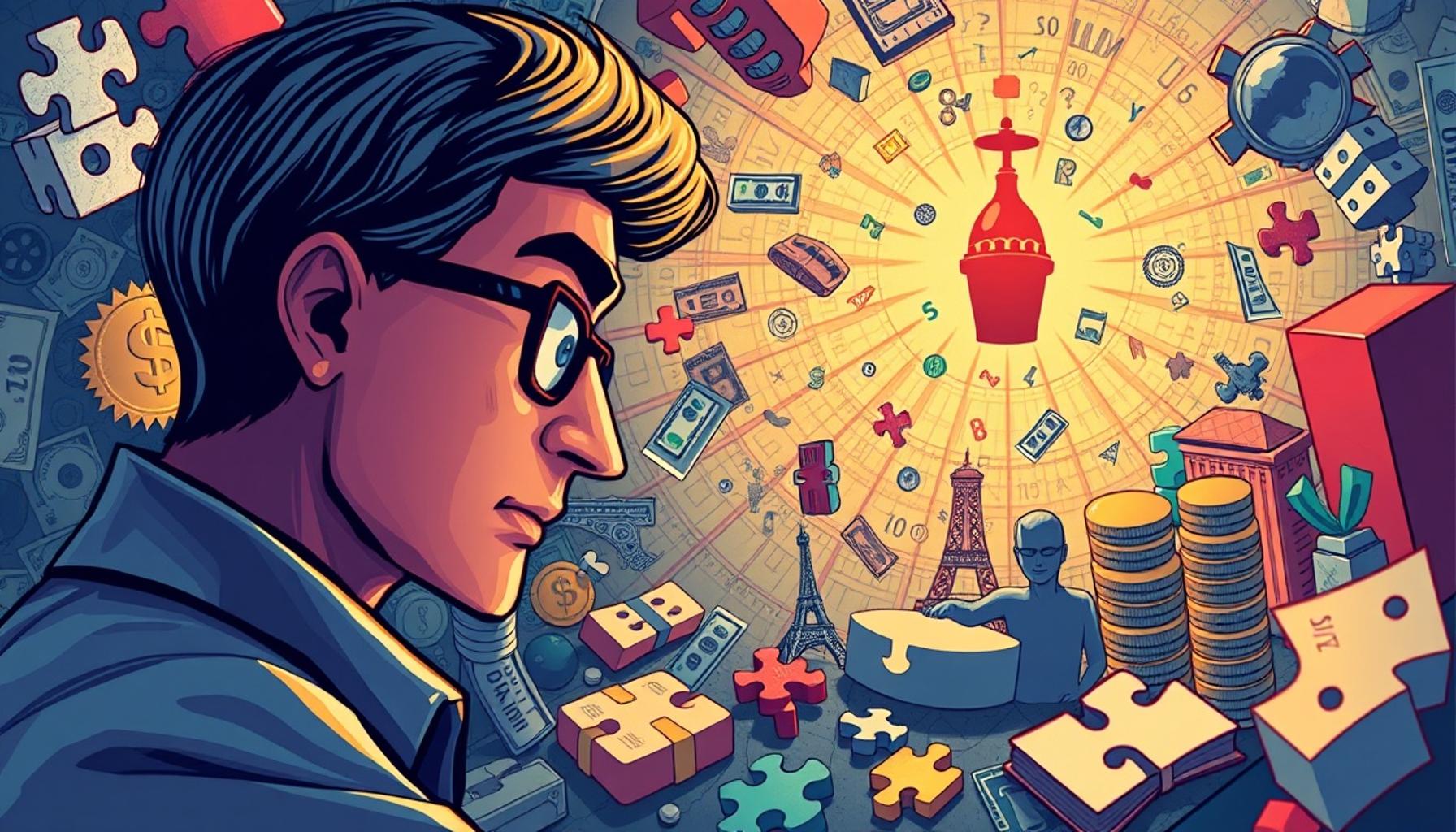
Unlocking the Secrets of Creativity
Puzzles have long been a source of fascination for people around the world, captivating hearts and minds alike. Offering more than mere entertainment, engaging with puzzles serves as a vital tool for enhancing original thinking and boosting cognitive abilities. Every twist and turn in a puzzle leads individuals to explore uncharted territories of the mind, unveiling new strategies for problem-solving and creative expression.
The Impact of Puzzles on the Mind
Delving into puzzles isn’t just a pastime—it leads to numerous cognitive enhancements that can improve both personal and professional life. Here are a few compelling examples of how engaging with puzzles benefits mental faculties:
- Improved Problem-Solving Skills: When faced with a complex puzzle, such as a Rubik’s Cube or a challenging logic grid, players often need to think outside the box. This process encourages them to adopt different perspectives, enhancing their ability to tackle real-life challenges creatively.
- Enhanced Memory: The act of puzzling frequently involves recalling past patterns and recently learned information, paving the way for better memory retention. For instance, in a game of chess, players must remember previous moves and strategies, enhancing both short-term and long-term memory capabilities.
- Increased Focus: Concentrating on intricate puzzles helps train our minds to filter out distractions. This heightened focus can translate into other areas of life, such as work or academic performance, where sustained attention is critical for success.
Varieties of Puzzles for Different Minds
The world of puzzles is diverse, with various forms catering to different mental skills and preferences:
- Crossword puzzles not only challenge vocabulary but also encourage lateral thinking. They capture the essence of wordplay, often requiring solvers to think creatively about language connections.
- Sudoku sharpens logical reasoning and number acuity. This number-placement game requires players to consider patterns and relationships, enhancing their analytical skills.
- Jigsaw puzzles promote spatial awareness and patience. The satisfying experience of fitting pieces together teaches critical thinking and encourages a methodical approach to puzzles and challenges.
As you delve further into the engaging world of puzzles, remember that they are not merely games but instruments for stimulating your creative thought process. The journey of solving a puzzle can unlock deeper connections, inspiring you to think differently and innovate in everyday life.
In a society increasingly reliant on creativity—illustrated by the tech boom and the rise of entrepreneurial ventures—engaging with puzzles may provide the mental workout needed to stay ahead. By exploring various types of puzzles, you open up new pathways for thinking, ensuring your mind remains as flexible and vibrant as ever in the face of modern challenges. So, whether you’re enjoying a quiet evening at home or competing in a puzzle marathon with friends, remember that you are not just having fun; you are strengthening your cognitive abilities for whatever comes next.
DISCOVER MORE: Click here to unlock the mental health benefits of puzzles
How Puzzles Ignite the Creative Spark
Engaging with puzzles goes beyond just a means of entertainment; it acts as a catalyst for original thinking and innovation. When individuals confront challenging puzzles, they undergo a mental transformation, engaging various cognitive processes that stimulate a unique blend of creativity and logic. This dynamic interplay not only fosters problem-solving abilities but also lays the groundwork for a broader understanding of one’s creative potential.
The Science Behind Puzzle Solving
Recent studies in cognitive psychology reveal fascinating insights into how solving puzzles can reshape our thought processes. The brain responds to puzzles similarly to how it processes complex problems in real life. As individuals work through a puzzle’s intricacies, they activate areas of the brain associated with critical thinking, creativity, and memory, ultimately leading to enhanced cognitive flexibility.
One pivotal aspect observed in puzzle solvers is the development of strategies that transcend the initial context of the puzzle itself. Here are key mental benefits attributed to regular engagement with puzzles:
- Strengthened Analytical Skills: Puzzles require systematic analysis and logical reasoning. The ability to deconstruct a puzzle into manageable parts fosters an analytical mindset that is invaluable in academic and workplace settings.
- Increased Resilience: The process of working through the challenges presented by puzzles cultivates resilience. As individuals face trial and error during problem-solving, they learn to manage frustration and adapt their approaches—a skill crucial for tackling hurdles in life.
- Boosted Creativity: The exploration of different solving techniques during puzzles opens the door to creativity. It encourages individuals to look for unconventional solutions and think outside established norms, enriching their overall thought process.
Furthermore, puzzles provide a safe environment for experimenting with ideas. There’s little risk in attempting various approaches to solve a puzzle, allowing individuals to venture into untested waters without fear of failure. This liberating aspect signals a deeper truth about creativity: it thrives in an atmosphere where risks can be taken and mistakes are viewed as stepping stones to innovation.
Connecting Puzzle Types to Skill Development
Diving into different types of puzzles can fine-tune specific cognitive abilities tailored to a person’s interests and goals. For example, crossword puzzles enhance verbal skills, which can be particularly beneficial for writers and communicators. On the other hand, logic puzzles sharpen quantitative reasoning, essential for those in technical fields like engineering or data analysis. By understanding the different puzzle types, individuals can strategically cultivate their skills while indulging their passion for problem-solving.
In conclusion, engaging in puzzles is not solely about finding the final piece or answer. It represents a profound journey into the depths of human creativity and intelligence. With every puzzle, individuals have the opportunity to expand their thinking, innovate their strategies, and ultimately, revolutionize their approach to challenges in everyday life. As we continue to explore the realms of puzzles, it becomes increasingly clear that within these enigmas lies a treasure trove of creative potential waiting to be unlocked.
As we delve deeper into the fascinating relationship between puzzles and original thinking, it becomes evident that engagement with various types of puzzles can significantly enhance cognitive flexibility. This ability allows individuals to adapt their thinking processes and approach problems from different angles. When faced with complex puzzles, the brain actively seeks out strategies and solutions, prompting a mental exercise that sharpens creative thinking skills.
For instance, logic puzzles often require participants to infer information and construct arguments, pushing them to organize their thoughts more systematically. Similarly, word puzzles challenge linguistic skills, facilitating a deeper understanding of language structure and vocabulary, thus expanding one’s ability to articulate thoughts creatively and compellingly. As each puzzle presents a unique set of challenges, the diverse methodologies involved encourage brains to form new neural connections.
This stimulation not only improves problem-solving skills but also fosters greater innovation. Research has shown that individuals who regularly engage in crossword puzzles or Sudoku often display heightened aptitude in generating new ideas and solutions in other pursuits. Furthermore, studies have indicated that solving puzzles can contribute to mental resilience, enabling one to approach challenges with a more robust mindset.
Therefore, the act of puzzling is not merely an entertaining pastime but a profound vehicle for enhancing mental faculties. Whether it’s a jigsaw, cryptic crossword, or a brain teaser, the challenges posed by these enigmas propel us toward greater creativity and enhanced cognitive function, leading to a fuller engagement with the world around us.
| Category 1 | Category 2 |
|---|---|
| Cognitive Flexibility | Engaging with puzzles allows individuals to think outside the box, enhancing their ability to shift perspectives. |
| Problem-Solving Skills | Regular puzzle solvers exhibit improved ability to tackle challenges creatively and effectively. |
| Innovation | Frequent engagement in puzzles correlates with increased originality in generating ideas. |
As we explore further, it’s clear that the benefits of puzzle-solving extend beyond individual improvement; they can cultivate a culture of creativity and curiosity within communities, driving collective problem-solving efforts.
DIVE DEEPER: Click here to uncover more
The Real-World Implications of Puzzle Solving
Puzzle solving extends far beyond recreational activity; it holds significant implications for innovation and original thinking in various professional fields. Individuals equipped with enhanced problem-solving skills are often seen as innovators and leaders, capable of addressing complex challenges with creative solutions. The ability to navigate obstacles with ingenuity can lead to groundbreaking advancements across industries, from technology to healthcare.
Real-World Applications of Enhanced Cognitive Skills
Consider the world of technology. Software developers frequently encounter bugs and design challenges that require innovative thinking to resolve. Incorporating puzzle-like frameworks into their problem-solving processes allows these developers to approach issues from varied angles, leading to more effective solutions. This method of thinking encourages rapid adaptation and creative coding strategies that can significantly enhance product development.
In the realm of healthcare, professionals must think critically and creatively every day. Doctors, nurses, and technicians often face unpredictable scenarios where standard protocols fall short. For instance, a surgeon might need to devise a new surgical approach when faced with unusual anatomical challenges. Engaging with puzzles in their downtime could sharpen their mindset, enabling them to think more flexibly and devise innovative solutions under pressure.
The Link Between Puzzles and Team Collaboration
Moreover, the collaborative aspect of solving puzzles is particularly noteworthy. Whether it’s a group tackling an escape room or collaborating on a complex jigsaw puzzle, people learn to communicate, share diverse viewpoints, and harness collective creativity. This synergy of minds fosters a culture of innovation. In corporate settings, organizations can benefit significantly from incorporating puzzle-solving activities into team-building exercises. Studies suggest that employees who engage in collaborative puzzles report improved communication skills and enhanced ability to generate creative ideas as a team.
Exploring Puzzles in Education
In educational environments, educators are increasingly recognizing the value of puzzles in the curriculum. By integrating logic puzzles, riddles, and brainteasers into lesson plans, teachers help students develop critical thinking and problem-solving skills at an early age. Programs, such as Math Olympiads and STEM challenges, not only challenge students intellectually but also encourage them to embrace creative approaches to mathematics and science.
Furthermore, studies indicate that students who engage in these types of activities demonstrate improved academic performance and greater motivation. The correlation between puzzle-solving experiences and original thinking plays a crucial role in preparing students to face future challenges in a rapidly evolving job market.
- Fostering Leadership Skills: Leaders benefit from enhanced decision-making capabilities. Puzzles encourage leaders to think critically about various scenarios, weighing risks and rewards to arrive at informed choices.
- Enhancing Emotional Intelligence: The social dynamics involved in team puzzles can improve emotional intelligence, helping individuals become more adept at understanding and managing their own emotions and those of others.
- Encouraging Lifelong Learning: Engaging with puzzles prompts a growth mindset, instilling a love for learning and exploration that transcends the puzzle’s confines.
The multifaceted advantages gained from solving puzzles speak to their role as essential tools for personal and professional development. The journey into the world of puzzles reveals a roadmap towards unlocking one’s creative potential while equipping individuals with valuable skills applicable in various aspects of life. Even outside structured environments, this practice opens channels for innovative thought and problem-solving as today’s swiftly changing landscape demands agile thinkers who are comfortable navigating through uncharted waters.
DIVE DEEPER: Click here to uncover how memory games can boost your focus
Conclusion: The Transformative Power of Puzzle Solving
In summary, the art of puzzle solving serves as a significant catalyst for enhancing original thinking and problem-solving skills, impacting individuals and organizations alike. As explored throughout this article, the cognitive benefits of engaging with puzzles—such as improved critical thinking, creativity, and collaborative teamwork—are invaluable in today’s fast-paced environments. From technology to healthcare and even education, the ability to approach challenges with a puzzle-solving mindset enables professionals to devise innovative solutions and adapt swiftly to changing circumstances.
Furthermore, as workplaces increasingly prioritize team synergy and effective communication, incorporating puzzles into corporate training can help to cultivate a culture of creativity and collaboration. Additionally, the integration of puzzle-solving techniques in educational settings not only fosters academic excellence but also inspires students to embrace lifelong learning and curiosity.
As we navigate a world characterized by complexity and uncertainty, the lessons learned from puzzles demonstrate that the most effective solutions often arise from the intersections of creativity, logic, and collaboration. Encouraging puzzle-solving practices in daily routines, whether through recreational games or structured exercises, can indeed unlock new pathways to innovative thinking. Therefore, embracing the challenge of puzzles might just be the key to unleashing latent potential and achieving breakthroughs in both personal and professional domains.
Related posts:
Developing Creativity Through Mental Challenges and Puzzles
The Importance of Puzzles in Stimulating Creative Thinking
Improvisation Games: Stimulating Creativity Through Social Interaction
The Role of Puzzles in Enhancing Cognitive and Creative Flexibility
Creativity in Action: How Word Games Can Stimulate Innovative Thinking
Building Narratives: The Role of Logic Games in Expanding Imagination

Linda Carter is a writer and puzzle expert specializing in mind games, brain teasers, and cognitive challenges. With extensive experience helping individuals enhance their problem-solving skills and think critically, Linda shares her knowledge on our platform. Her goal is to empower readers with practical advice, engaging puzzles, and strategies to sharpen their minds and achieve success in the captivating world of mind games and puzzles.