
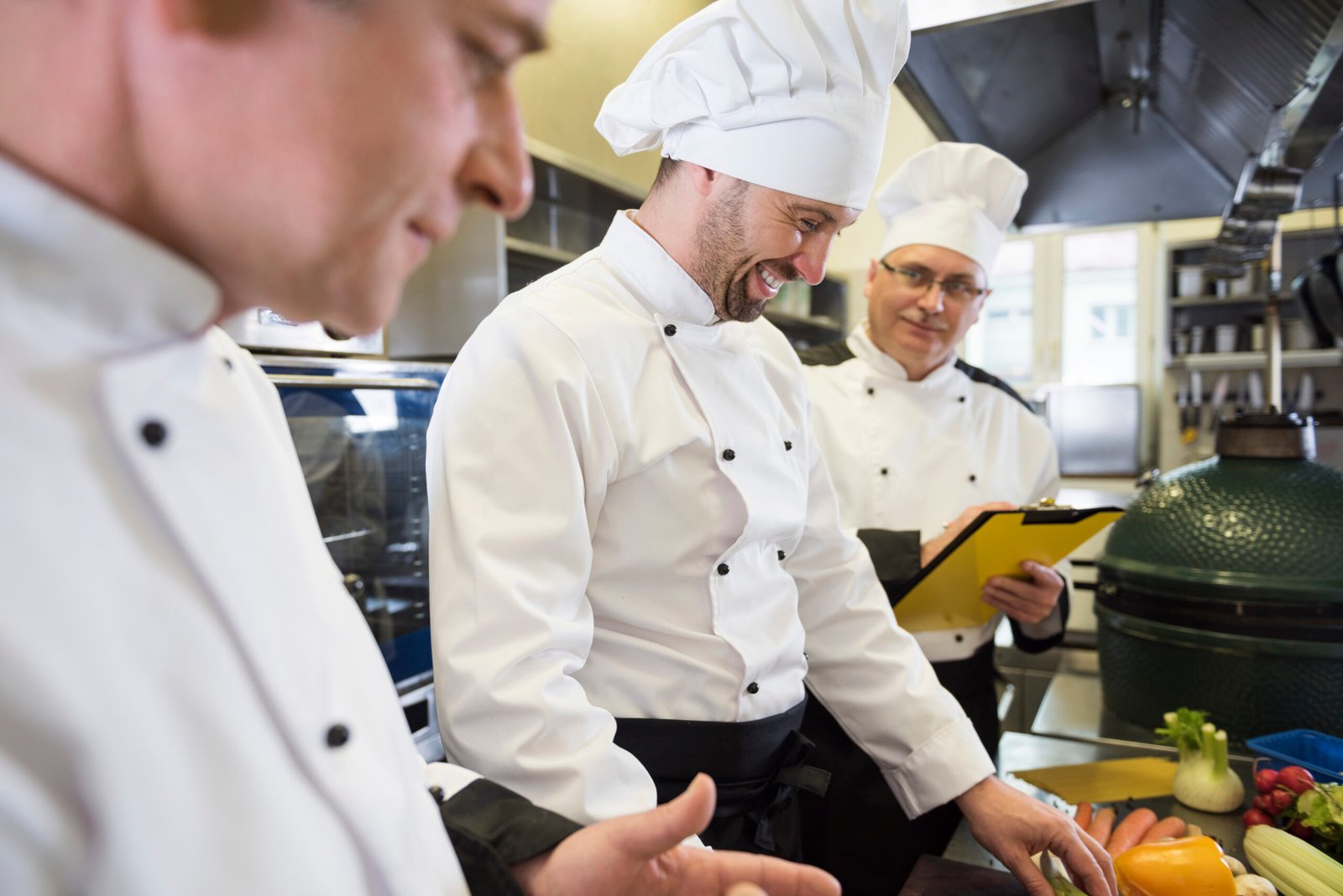
The Intersection of Tradition and Innovation in Cooking
Cooking is an art form shaped by time, culture, and, most importantly, science. As we journey through the ages, a remarkable shift emerges, illustrating a transition from traditional cooking techniques to modern methodologies guided by scientific insights. This evolution not only influences flavors and textures but also transforms our perception of ingredients and their interactions.
Traditional methods have laid the foundation for contemporary culinary practices. These time-honored techniques include essential ingredients preservation methods that have effectively allowed people to enjoy food beyond harvest seasons. For instance, curing meats, a practice dating back centuries, not only enhances flavors but also extends shelf life. Similarly, fermentation, which produces healthful probiotics, grounds many cuisines in the United States, evident in items like sauerkraut and kimchi. Furthermore, the emphasis on local and seasonal ingredients, which remains a staple in traditional cooking, reinforces a deeper connection to the land and its offerings. Many chefs today still celebrate this authenticity by sourcing fresh, regional produce and promoting farm-to-table dining experiences.
While traditional techniques are revered, modern cooking innovations leverage scientific principles, creating a robust culinary landscape. Techniques such as precision cooking with sous-vide technology exemplify this shift. By cooking food in vacuum-sealed bags at precisely controlled temperatures, chefs achieve perfect doneness while preserving moisture and flavor, a feat challenging to attain through conventional cooking methods. Additionally, the concept of food pairing based on flavor science invites cooks to explore combinations that may not seem intuitive at first. For instance, the pairing of strawberries with balsamic vinegar reveals a sweet and savory combination that is surprisingly delightful, rooted in the understanding of how flavor compounds interact.
Moreover, the advent of molecular gastronomy allows chefs to experiment with textures and tastes in extraordinary ways. This practice transforms traditional dishes into innovative culinary experiences—think of dishes where a familiar flavor is encapsulated in a burst of liquid, yielding an unexpected yet delightful surprise to diners. Such creativity challenges our perception and invites us into a dialogue about the future of cooking.
The intersection of modern and traditional techniques prompts essential questions: How has our understanding of chemistry and biology transformed our diets? What profound wisdom can be gleaned from examining both modern and traditional cooking methods? Dissecting this culinary dialogue reveals insights critical to every home chef and food enthusiast alike, encouraging a deeper appreciation for the evolution of cooking.
DISCOVER MORE: Click here to learn about emulsification techniques
The Resurgence of Tradition in Contemporary Cuisine
The foundation of cooking has always been deeply rooted in tradition, with methods passed down through generations shaping the culinary landscape. At the heart of this heritage lies the reliance on natural ingredients and fundamental practices that have withstood the test of time. Traditional cooking techniques, such as roasting, boiling, and baking, not only reflect cultural identities but also demonstrate a profound understanding of food’s intrinsic qualities. These basic methods allow the natural flavors and textures of food to flourish; for instance, roasting brings out the caramelization in vegetables, enhancing their sweetness, while boiling retains certain nutrients that might otherwise be lost in more aggressive cooking styles.
However, as our understanding of food science has evolved, many contemporary cooks have begun to merge these traditional techniques with modern innovations, creating a unique synergy that redefines what we consider to be cuisine. One significant advancement has been the introduction of temperature control in cooking. Sous-vide, for example, is a precise cooking method that enables chefs to retain the moisture and flavor of foods, which can sometimes be compromised by traditional techniques. This method involves sealing food in airtight bags and immersing them in a water bath at a meticulously regulated temperature for extended periods. The result is an unrivaled tenderness and consistent doneness, which traditional methods may struggle to achieve.
To appreciate the transformation in our food practices, it is essential to examine several key areas where science has influenced cooking:
- Flavor Development: By studying the scientific principles behind Maillard reaction and caramelization, cooks are able to manipulate heat to develop deep, complex flavors that would take hours to build using traditional methods.
- Nutritional Enhancement: Advances in food science have led to a better understanding of nutrition, encouraging modern recipes to incorporate ingredients rich in vitamins and other beneficial compounds, often overshadowed by traditional cooking practices that may rely heavily on fats and sugars.
- Texture Manipulation: Techniques such as foaming, spherification, and gelification introduce a playful aspect to dining, allowing chefs to present familiar flavors in exciting, unexpected forms.
As we explore the intersection of these two worlds, we uncover a common goal: to enhance the culinary experience. Traditional cooking techniques offer a sense of identity and connection to our past, while modern innovations driven by science provide tools for experimentation and exploration. This coexistence encourages both home cooks and professional chefs to continually evolve their culinary practices, shaping not just meals, but the entire experience of dining.
The dialogue between traditional and modern cooking techniques continues to inspire culinary artists to thoughtfully consider how best to balance authenticity with creativity, drawing from both sources to enrich our understanding of food’s potential.
Exploring the Shift in Cooking Techniques
The culinary world has witnessed a profound transformation as science has taken a seat at the kitchen table, influencing how we prepare and understand food. Traditional cooking techniques have relied heavily on intuition and experience, favoring time-tested methods passed through generations. In contrast, modern cooking techniques are increasingly grounded in scientific principles, focusing on precision and molecular gastronomy. One of the significant changes is the shift toward sous-vide cooking, where food is vacuum-sealed and cooked in a water bath at precise temperatures. This method retains moisture and flavors, producing consistent results unheard of in traditional boiling or roasting. Similarly, techniques like fermentation are being reconsidered with a scientific lens, revealing the microbiological processes that enhance flavor and nutrition. Even classic dishes are being reimagined through the lens of food science. For instance, the traditional method of making bread has evolved with the understanding of yeast activity and gluten development, leading to improved texture and flavor. Furthermore, cooking appliances that offer precise temperature control, like induction cooktops and precision cookers, are reshaping our kitchens, making it easier to achieve professional-quality results at home.
Continuing the Legacy: Tradition Meets Innovation
The blending of traditional and modern techniques does not signal an end to the former; rather, it enhances the culinary experience. Chefs today often employ a hybrid approach, using modern tools alongside traditional recipes. The precision of modern methods allows for a greater understanding of ingredients, which can lead to innovative interpretations of beloved classics.Food scientists are also working to improve food safety and sustainability. Understanding the chemical reactions behind cooking can lead to better preservation methods, reducing waste, and creating healthier alternatives without sacrificing taste. This dialogue between tradition and modernity fosters a culinary landscape rich in diversity and creativity.As the journey of food continues to evolve with the advancements in science and technology, it becomes increasingly important for cooks at every level to embrace both worlds. Whether a home cook or a professional chef, the integration of scientific methodologies into cooking not only honors the past but also paves the way for future culinary explorations.
| Traditional Cooking | Modern Cooking |
|---|---|
| Emphasis on Experience | Focus on Precision |
| Intuitive Techniques | Scientific Principles |
| Preserved methods & recipes | Innovative tools & methods |
EXPLORE MORE: Click here to discover the art of fermentation
Innovative Methodologies: A New Era of Culinary Exploration
The contemporary culinary scene is increasingly characterized by a fascinating interplay between traditional techniques and modern scientific advancements. These innovative methodologies extend beyond mere cooking methods; they redefine our relationship with food, emphasizing not just sustenance, but also creativity and presentation. The incorporation of science into culinary practices helps chefs and home cooks achieve precision that was previously unattainable, thus transforming both the art and science of cooking.
One notable area where innovation has flourished is in the domain of food preservation. Traditional methods such as pickling and canning have been enhanced by the application of modern technology. For instance, the use of high-pressure processing (HPP) permits the preservation of food while simultaneously maintaining its fresh taste and nutritional value. This cutting-edge technique effectively kills harmful bacteria without the need for additives or heat, aligning perfectly with the trend toward clean eating in the U.S. culinary culture.
Modern cooking also increasingly leans on molecular gastronomy, a movement that celebrates the chemistry of cooking by employing scientific techniques to create unique textures and flavors. Chefs like Ferran Adrià and Heston Blumenthal have popularized techniques such as liquid nitrogen freezing and spherification to revolutionize the way we perceive food. For example, using liquid nitrogen to freeze ingredients rapidly gives them a unique texture that cannot be achieved using conventional methods, allowing chefs to craft dishes that surprise and delight the palate.
Moreover, the infusion of modern technology into cooking can be seen in the increasing availability of smart kitchen gadgets. Devices such as sous-vide precision cookers and smart thermometers have made it easier for anyone—novice or expert—to ensure their food is cooked to perfection. These cutting-edge tools facilitate an effortless execution of advanced culinary techniques that were once relegated to elite restaurants, making gourmet cooking more accessible than ever.
In the realm of flavor pairing, modern science has provided us with insights into the interactions of different taste compounds. Utilizing techniques derived from the field of food chemistry, chefs are now enabled to create flavor profiles that harmonize beautifully, based on our enhanced understanding of what ingredients complement each other. For example, research into the umami flavor has led to the increased use of ingredients like miso and aged cheeses across diverse cuisines, allowing a deeper sensory experience.
Additionally, the acknowledgment of environmental sustainability has influenced modern cooking practices, where traditional resources, such as farm-fresh produce and foraged ingredients, are fused with scientific approaches to reduce food waste. Chefs are increasingly adopting nose-to-tail cooking and zero-waste philosophies, emphasizing the importance of using every part of an ingredient, guided by a growing awareness of sustainability issues within our food systems.
This exploration and adoption of innovative methodologies epitomize the evolving culinary landscape, where chefs and home cooks alike strive to balance techniques that respect culinary traditions while pushing the boundaries of modern cuisine. The evolving dialogue between traditional and modern cooking techniques continually shapes our culinary narratives and asks us to reimagine the way we experience food.
DISCOVER MORE: Click here to learn about the art of fermentation
Conclusion: Bridging the Culinary Divide
The dynamic interplay between traditional and modern cooking techniques illustrates a remarkable evolution in our culinary practices, navigating through time-honored methods while embracing the advancements of science. As chefs and home cooks explore the fusion of legacy and innovation, they are not only preserving cultural heritage but also elevating their culinary creations through precision and creativity. We have witnessed a renaissance in food preservation techniques, such as high-pressure processing, which honors traditional approaches while ensuring safety and freshness. The rise of molecular gastronomy challenges our perceptions of flavor and texture, prompting us to rethink how we interact with our meals.
The advent of smart kitchen gadgets empowers individuals across skill levels to engage in advanced cooking techniques, democratizing gourmet experiences that were once exclusive to elite chefs. Meanwhile, the science of food chemistry enriches our understanding of flavor profiles, allowing for sophisticated pairings and a deeper appreciation for the diversity of culinary arts. Ultimately, this ongoing dialogue between the past and present shapes a culinary landscape that is as much about sustainability and conscious choices as it is about nostalgia and technique.
As we continue to navigate the intricate world of cooking, the challenge lies in striking a balance—preserving the traditions that ground us while embracing the innovations that propel us forward. With an open-minded approach, we can celebrate the union of science and art, continuously redefining what it means to cook and enjoy food in the modern era. The culinary journey is far from over; it invites every one of us to participate in its rich narrative, blending old and new to create a shared experience that is both delicious and meaningful.