
The Hidden Meanings Behind Our Favorite Ingredients
Food goes beyond providing nutrition; it weaves together stories that connect us through cultures and time. Each ingredient in our favorite dishes holds deep significance, often symbolizing the beliefs, traditions, and histories of communities worldwide. Let’s explore some common ingredients and the hidden meanings they carry.
The Significance of Rice
Rice is more than just a staple food; it is often referred to as the “grain of life,” representing fertility, prosperity, and sustenance across various cultures. In countries like Japan and India, rice is served at weddings and festive occasions, symbolizing abundance and the flourishing of relationships. Interestingly, in many Asian cultures, it is customary for families to throw rice at newlyweds—an act that signifies blessings for a fruitful and prosperous marriage. In contrast, in some African cultures, rice is incorporated into communal dishes to foster unity and togetherness, reinforcing the bond within the community.
The Sweet Symbolism of Honey
Honey, revered in many culinary traditions, embodies not just sweetness but also the essence of life itself. In ancient Egypt, honey was known as a gift from the gods, symbolizing nourishment and health. In modern times, many celebrate the Jewish New Year, Rosh Hashanah, by dipping apples into honey, a ritual intended to usher in a sweet year ahead. Honey’s natural properties are not just limited to flavor; it is often associated with health benefits and longevity, deeply integrated into herbal remedies across cultures, from Ayurveda in India to traditional Chinese medicine.
The Fiery Essence of Chilies
Chilies add heat and flavor to various dishes, but their significance transcends the culinary realm. In many Latin American cultures, chilies are seen as symbols of passion and vitality, often used in dishes to reflect the vibrant spirit of the people. Additionally, in some indigenous cultures, chilies are believed to possess protective qualities against negative energies and evil spirits. For instance, in Mexican tradition, it is common to hang dried chilies in homes as a safeguard against harm.
These ingredients do more than enhance the flavors of our meals; they carry powerful messages of hope, love, and communal ties. Traditional recipes serve as a canvas where these symbols come alive, inviting us to explore the rich cultural heritage they represent.
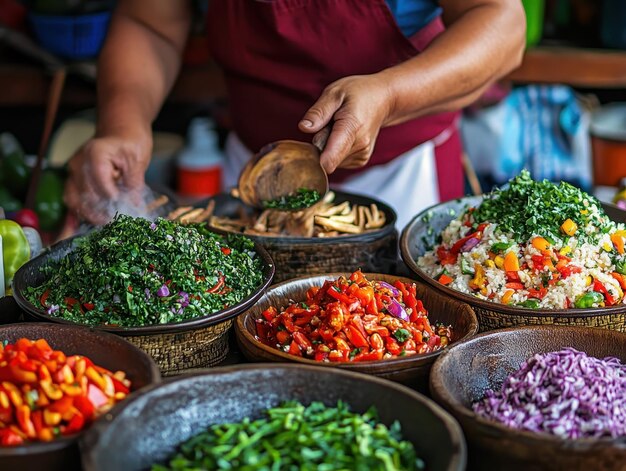
By delving into the symbolism behind these ingredients, we deepen our appreciation for the diverse culinary experiences available to us. This understanding fosters a profound respect for the dishes we enjoy and connects us to the myriad traditions that have shaped societies over millennia. Through food, we can embark on a journey that reflects values, beliefs, and stories that are uniquely human.
Join us as we uncover the fascinating world of ingredient symbolism in traditional recipes from various cultures. Discover how these foods are not only a source of nourishment but also a powerful medium reflecting the collective values and histories that define human experiences across the globe.
DIVE DEEPER: Click here to discover more
The Deep Meaning of Spices
Spices are the heartbeat of culinary traditions worldwide, serving as conduits of flavor, aroma, and history. Their symbolism is often tied to regional geography, cultural practices, and even spiritual beliefs. For instance, cinnamon is cherished in Middle Eastern cuisines not just for its warm, sweet flavor but also for its historical ties to wealth and trade. Once regarded as a precious commodity, cinnamon was a symbol of prosperity and was often reserved for special occasions. In contrast, in many Western cultures, cinnamon finds its way into festive treats like pies and pastries, representing comfort, nostalgia, and the warmth of family gatherings during the holidays.
The Vibrancy of Turmeric
Turmeric holds a prominent place in South Asian cooking, recognized not just for its earthiness but also for its radiant color and health benefits. In India, turmeric is revered for its purifying qualities and is a central ingredient in religious rituals and celebrations. It symbolizes prosperity and good fortune, making it a staple during weddings and other auspicious events. Beyond the culinary aspect, turmeric’s traditional medicinal properties are significant, with many cultures using it to promote healing and longevity. This multifaceted ingredient encourages us to consider the deep connections between food, health, and spiritual well-being.
The Heart of Garlic
Garlic is another ingredient imbued with meaningful symbolism across various cultures. In Mediterranean and Asian cuisines, garlic is exalted not only for its robust flavor but also for its protective characteristics, often associated with warding off evil spirits. This idea can be traced back to ancient civilizations, where garlic was used in both culinary and medicinal applications. In fact, during World War I, soldiers were encouraged to consume garlic to prevent illness and maintain their strength, which speaks to its long-standing reputation as a powerful health booster.
Common Spices and Their Symbolism
- Black Pepper: Known as the “king of spices,” it symbolizes commerce and trade routes, especially during the age of exploration.
- Saffron: Often dubbed the world’s most expensive spice, saffron represents luxury and becomes the centerpiece of celebratory dishes, symbolizing wealth and indulgence.
- Cardamom: This fragrant spice signifies hospitality in Indian culture, frequently offered in homes to guests during special occasions.
These spices are not merely ingredients; they encapsulate stories about the land, the people, and their collective experiences. As we examine the diverse symbolism of these ingredients, it becomes clear that they are inextricably linked to cultural identity and heritage.
By understanding the meanings behind spices in traditional recipes, we gain insights into the values and customs that have shaped societies over centuries. From wealth to health, these ingredients echo the legacies of generations, urging us to appreciate the depth behind what we often take for granted: our food.
| Cultural Ingredient | Symbolism and Significance |
|---|---|
| Rice (Asia) | In many Asian cultures, rice is viewed as a symbol of prosperity and fertility, often essential in rituals marking life’s milestones. |
| Olive Oil (Mediterranean) | Olive oil represents peace and blessing, signifying abundance and the divine in Mediterranean traditions. |
| Chili Peppers (Latin America) | Chili peppers symbolize vitality and the fire of life, often incorporated in dishes to invoke energy and courage. |
| Garlic (Various Cultures) | Garlic is often associated with protection and health, used in many cultures as a means to ward off negative forces. |
Exploring the symbolism of ingredients in traditional recipes reveals not only culinary significance but also cultural beliefs and values. From rice in Asian customs signifying prosperity to olive oil representing peace in Mediterranean traditions, each ingredient narrates a story. Furthermore, the fiery chili pepper holds a deep energy symbolism in Latin American cultures, while garlic is revered globally for its protective qualities. By understanding these connections, we deepen our appreciation for global cuisines, highlighting how food transcends mere consumption to encompass rich cultural expressions. Discovering the layered meanings behind these traditional recipes prompts further investigation into the diverse culinary tapestry woven by various cultures around the world. Each unique ingredient invites us to explore and celebrate their histories and their roles in uniting families and communities through shared meals.
DIVE DEEPER: Click here to discover more
Roots that Ground Us
Roots serve as essential ingredients in various traditional recipes, each carrying a deep cultural significance that extends beyond mere flavor. For example, in African cuisines, yams symbolize prosperity, fertility, and growth. Often featured in ceremonial dishes, yams hold a place of honor during celebrations, representing abundance and a connection to the earth’s bounty. In West African cultures, the harvest of yams is even celebrated with festivals that highlight community, family, and gratitude for nature’s gifts.
The Symbolism of Potatoes
Potatoes, ubiquitous in many cuisines, also bear significant symbolism, especially in Irish culture. Often associated with survival, the potato became a staple crop in Ireland and played a crucial role during the Great Famine in the 19th century. Consequently, recipes that prominently feature potatoes, such as colcannon or boxty, symbolize resilience and the perseverance of the Irish spirit. The potato stands as a testament to how an ingredient can evoke a deep sense of history and identity, encapsulating the struggles and triumphs of a nation.
Grains of Identity
Grains like rice and wheat are central to numerous cultures, each carrying profound meaning rooted in history and tradition. For example, in Japanese culture, rice represents purity, prosperity, and is often seen as a sacred food. During celebrations such as Shichi-Go-San (a festival for children), rice is served to bless the young ones with health and fortune. In contrast, wheat, a staple in Mediterranean diets, symbolizes sustenance and fertility, often featured in bread-making rituals that strengthen community ties and cultural identity.
The Soul of Beans
- Black Beans: In Latin American kitchens, black beans represent nourishment and resilience, often served in dishes that bring families together, bridging gaps between generations.
- Chickpeas: In Middle Eastern culinary traditions, chickpeas symbolize simplicity and resourcefulness, serving as the foundation for beloved dishes like hummus, which has transcended borders to become a global favorite.
- Lentils: In Indian culture, lentils are not only a staple source of protein but also signify harmony and balance, often featured in vegetarian dishes that promote a sustainable lifestyle.
Through these ingredients, we gain a deeper understanding of the values that different cultures cherish. The significance of roots, grains, and legumes reveals insights into societal structures, agricultural practices, and spiritual beliefs that have evolved over centuries. This rich tapestry of symbolism within traditional recipes invites us to explore the profound connections between food and cultural identity.
In recognizing the values encompassed in these ingredients, we open ourselves to a world where cuisine transcends nourishment, becoming a narrative of heritage, history, and community. Exploring the symbolism of these components within traditional recipes leads to a broader comprehension of the food we consume and the cultures they represent.
DIVE DEEPER: Click here to discover more
Conclusion
In the exploration of the symbolism of ingredients in traditional recipes from different cultures, we uncover a rich narrative interwoven with history, identity, and shared values. Each ingredient—from the steadfast potato representing survival in Irish culture to the sacred rice in Japanese traditions—brings forth a tapestry of meanings that transcends its culinary functions. As we approach diverse kitchens around the world, we can appreciate how food serves not only to nourish but also to tell the stories of people and their heritage.
The symbolism behind roots, grains, and legumes illustrates how deeply linked food is to agricultural practices, communal ties, and personal beliefs. Black beans embody resilience in Latin America, while chickpeas reflect the simplicity and resourcefulness of Middle Eastern cultures. Such insights deepen our appreciation for the meals that grace our tables; they remind us that every recipe is a portal to understanding the values and traditions of others.
As we indulge in these traditional recipes, let us approach them with an awareness of their backstories—the stories of communities that rely on these ingredients for sustenance and celebration. By doing so, we foster a greater appreciation for cultural diversity and the culinary arts, paving the way for a richer understanding of the world around us. In embracing the profound connections between ingredients and cultural identity, we not only savor flavors but also share in the global legacy of humanity’s collective journey through food.