
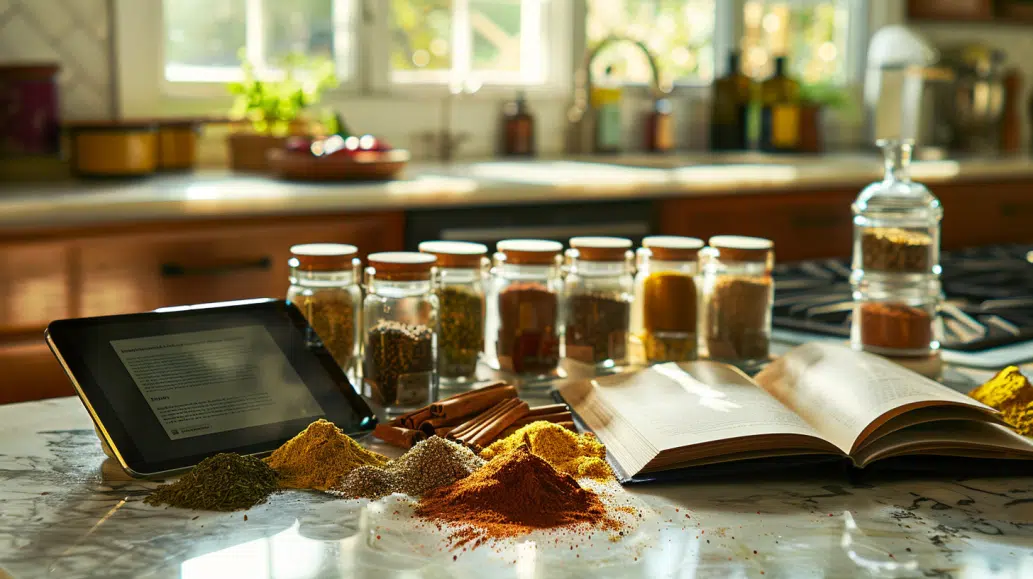
The Rich Tapestry of Spices in Culinary Culture
Spices represent much more than simple flavor enhancers in our foods; they embody a vivid narrative woven through cultural identities, historical transitions, and social customs. Each spice carries the rich stories of the regions they hail from, acting as a bridge connecting those backgrounds to the ways we experience flavor today. This journey—from ancient trade routes to modern American kitchens—illustrates how spices play a vital role in shaping our culinary identities.
Historically, spices have had a transformative impact on diets and social practices worldwide. Their significance can be examined through several key aspects:
- Flavor Diversity: The myriad of spices available offers a spectrum of flavors that profoundly alters the experience of a dish. For instance, the heat of Cayenne pepper can awaken a bland soup, while the sweetness of Cinnamon can contrast beautifully against savory meats. In essence, spices unlock the full potential of ingredients, allowing them to shine in unique ways.
- Cultural Exchange: The movement of spices often coincided with migration and trade, which have been essential in shaping the culinary landscape. Consider the intense historical spice trade that linked Europe, Asia, and Africa. This exchange allowed for the incorporation of spices like Black pepper, Cumin, and Turmeric into American cuisine, transforming traditional dishes and giving rise to new culinary practices.
- Symbolic Meanings: Many spices carry deep cultural and religious significance, which elevates their role beyond mere seasoning. In various cultures, for example, cardamom is revered for its medicinal properties, while in some Asian societies, it is used in ceremonies and celebrations, symbolizing health and prosperity.
In the United States, the confluence of ethnicities creates a vibrant culinary scene filled with diverse flavors. The fusion of spices from different regions and cultures can be observed in dishes such as Cajun jambalaya, which harmonizes the heat of Cayenne and the earthiness of various herbs. Likewise, the popularity of Chili powder in Tex-Mex dishes showcases the infusion of Mexican cuisine into American culture.
The aromatic medley of Indian curry spices has also found its way into American homes, reflecting a long-standing interest in diverse culinary practices. These spices not only season our meals but also foster a sense of community as families gather around tables to share recipes passed down through generations.
By diving into the world of spices, we uncover tales of resilience, adaptation, and unity as they are woven into the grand narrative of culinary expressions. In exploring these connections, we come to appreciate spices not just for their sensory contributions but for their power to enrich our cultural identities and shape our collective culinary destinies.
DIVE DEEPER: Click here to uncover regional flavors</p
The Alchemy of Spices: Transforming Cultural Foundations
In culinary traditions across the world, the incorporation of spices is a testament to the rich histories and cultural identities that define communities. Each spice is not only a key ingredient; it serves as a storyteller, articulating the relationships between people, places, and their culinary practices. As we delve deeper into the role of spices, we uncover a triad of influences: the regional narratives they embody, the socio-economic contexts in which they were traded, and the culinary innovations they inspire, which together shape our collective culinary landscapes.
Regional Narratives: Spices often reflect the geographical heritage of a particular area. For example, regions such as India have developed distinct culinary profiles due to local spices like Asafoetida, Curry leaves, and Garam masala, while the Mediterranean relies on the warmth of Oregano and Rosemary. These locally-sourced spices shape traditional dishes, conveying the unique flavors and tastes associated with each place. In the U.S., the adoption of these flavors speaks volumes about the nation’s melting pot of cultures. The popularity of dishes like Tikka Masala and Tabbouleh in mainstream American cuisine reflects this rich tapestry of influences.
Socio-Economic Contexts: The historical journey of spices is steeped in tales of exploration and commerce. During ancient times, spices were so valuable that they were often referred to as “black gold.” The desire to control the spice trade led to expeditions, colonization, and globalization, significantly impacting culinary identities. The spice trade shaped not only the economic prosperity of nations but also their cuisines. The demand for spices such as Cinnamon and Nutmeg in Europe introduced flavors to European cuisine that would eventually meld into American fare. Spicy dishes like Buffalo wings and Jerk chicken showcase this continued evolution, as Americans infused traditional recipes with various global spices, driving a culinary dialogue that celebrates diversity in flavor profiles.
Culinary Innovations: As cultural interactions deepen, new culinary landscapes emerge. Spices are pivotal in the culinary fusion celebrated in American food culture today. One vivid example is the rise in popularity of Spicy Asian Fusion, which combines the heat of Szechuan peppercorn with traditional Western ingredients, creating unique taste experiences. Moreover, the incorporation of spices like Harissa from North African cuisine into everyday recipes exemplifies how spices can bridge cultural gaps, creating a culinary identity that is dynamic and continuously evolving.
Recognizing the role of spices in constructing culinary identities allows us to appreciate food not only as sustenance but also as a canvas for expression and connection. In weaving together historical narratives and contemporary innovations, we discover a layered understanding of how spices influence our palates and our places in the world.
| Culinary Identity | Spice Influence |
|---|---|
| Cultural Distinction | Spices serve as markers of cultural identity, allowing communities to distinguish their culinary practices. |
| Flavor Profiles | Different spices create unique flavor profiles that reflect regional histories, agriculture, and cultural exchanges. |
| Symbolic Meaning | Spices often carry symbolic meanings, representing heritage and traditions in many culinary rituals. |
| Health Benefits | Many spices are known for their health benefits, which often dictate their usage within a particular culture’s cuisine. |
The rich tapestry woven by spices extends beyond mere taste; they resonate deeply within the fabric of cultural expressions and identities. Each geographic region boasts its own array of spices, which not only cater to local taste buds but also reflect the historical journeys of trade, migration, and adaptation. For instance, the influence of silk road spices can be seen in the dishes of various Asian and Middle Eastern cuisines, showcasing an amalgamation of flavors developed over centuries. Moreover, spices are frequently integrated into social norms and rituals, enhancing the communal experience of cooking and sharing meals. From the ceremonial use of saffron in Middle Eastern weddings to the distinct use of chili in Mexican feasts, spices emerge not just as ingredients but as pivotal elements that define a culture’s culinary identity. Through the lens of spices, it becomes evident how culinary practices evolve, merge, and establish a connection to history and memory, prompting a deeper exploration of their role in the ongoing narrative of food around the globe.
DISCOVER MORE: Click here to dive into the world of sous vide cooking</
Spices as Symbols: Identity, Ritual, and Representation
Beyond their functional roles in enhancing flavor, spices hold significant emblematic power, representing cultural practices, rituals, and culinary identities around the globe. They serve as symbols of tradition and heritage, bridging past and present while fostering a sense of belonging. As we explore this aspect of spices, we will investigate the ritualistic uses of spices, the social stratification connected to their use, and the role of spices in contemporary identity politics.
Ritualistic Uses of Spices: In many cultures, spices are not just culinary elements but hold deep spiritual significance. For example, in Indian culture, spices like Turmeric and Cardamom are essential in religious ceremonies, symbolizing purity and auspiciousness. Similarly, in Middle Eastern cultures, spices such as Sumac and Cumin are integral to traditional rites and celebrations. These ritualistic uses bind communities together, establishing shared values and beliefs that transcend ordinary culinary practices. In the United States, this cultural significance is increasingly acknowledged as culinary enthusiasts incorporate traditional spices into celebrations like Thanksgiving, using them to connect with their ancestral roots, creating new familial traditions that embrace cultural diversity.
Social Stratification and Spices: The historical context surrounding spices also reveals complex layers of social stratification, where the availability and use of certain spices reflect societal hierarchies. For instance, spices such as Saffron and Vanilla have long been regarded as luxury items accessible to the affluent, while more common spices are associated with the everyday cooking of the broader population. This disparity is often mirrored in culinary expressions, where wealthier communities may have distinct culinary identities driven by rare and expensive spices. As the culinary landscape of the United States becomes increasingly democratized, chefs from various backgrounds are elevating these humble spices, such as Chili powder and Garlic, to new heights. Through innovative cooking techniques, they transform budget-friendly ingredients into exquisite dishes, reflecting a more inclusive culinary identity that values creativity over class.
Identity Politics and Contemporary Culinary Landscapes: In the current culinary climate, spices play a pivotal role in identity politics, as chefs and home cooks alike reclaim their cultural narratives through food. The rise of “cultural cuisine” movements in the United States emphasizes traditional spices as a means of asserting cultural identity and resistance against homogenization. For example, Mexican cuisine celebrates spices like Cilantro and Chili peppers as symbols of national pride, while being utilized in fusion cuisine as a way to introduce diverse flavors to a broader audience. This embrace of world flavors demonstrates an evolving understanding of culinary identities, wherein the fusion of spices becomes a powerful statement of belonging and cultural celebration.
Recognizing the potent symbolism behind spices allows us to see culinary identity as a dynamic construct, shaped by the layers of rituals, social structures, and contemporary expressions. As the narrative surrounding spices continues to develop, it reflects not just flavors but also character and identity in the ever-evolving tapestry of culinary landscapes.
DIVE DEEPER: Click here to discover the wonders of saffron
Conclusion: The Culinary Tapestry Woven with Spices
In summary, the role of spices in the construction of culinary identities extends far beyond their capacity to season food. These aromatic elements serve as cultural symbols, embodying the rituals, histories, and narratives that define communal and individual identities. From the ritualistic significance of spices in traditional ceremonies to their impact on social stratification and contemporary culinary movements, spices represent the intersection of heritage, creativity, and diversity.
The transformation of spices such as Chili powder and Cilantro into markers of pride and identity in the culinary realm speaks to their evolving significance in American kitchens. As chefs and home cooks continue to reclaim and reinterpret their cultural legacies, we witness a rich fusion of flavors that challenge and redefine culinary norms. This movement not only highlights the importance of culinary diversity but also emphasizes the role of food as a form of cultural expression and identity politics.
As our understanding of spices and their importance broadens, it invites us to delve deeper into the complex narratives they hold. Whether as a critical ingredient in a cherished recipe or a symbol of resistance against cultural homogenization, spices will undoubtedly continue to be a cornerstone in the ongoing dialogue about who we are and how we share our stories through food. Embracing spices as vital components of culinary identities encourages all of us to explore the rich tapestry of flavors that shape our gastronomic world, urging us to celebrate the connections we forge through the act of cooking and sharing.