The Role of Chess in Developing Strategic Thinking and Cognitive Flexibility

The Multifaceted Benefits of Chess for Cognitive Growth
Chess is more than just a game; it’s a dynamic tool for fostering crucial cognitive skills. Players often experience significant growth in their strategic thinking and cognitive flexibility as they engage with its complexities. The intricate nature of chess requires not just knowledge of the rules, but also a deep understanding of foresight, concentration, and adaptability. For educators and parents, recognizing the positive influence of chess on mental faculties can open doors to innovative educational strategies.
There are several key features of chess that contribute to cognitive development, each playing a pivotal role in enhancing mental capabilities:
- Problem-Solving: Each move presents a unique challenge, requiring players to think critically and strategically. This aspect of chess encourages players to weigh various options and predict their opponents’ responses, fostering a methodical approach to problem-solving that is essential in real-world scenarios.
- Pattern Recognition: Players learn to identify strategic patterns over time, which significantly improves their analytical skills. For example, recognizing a common checkmate sequence can help players visualize future moves and strategies quickly, a skill transferable to disciplines like mathematics and computer science.
- Adaptability: In chess, players must be flexible as their opponents change tactics. Adapting to shifting dynamics not only sharpens one’s ability to assess complex situations but also cultivates resilience—a valuable skill in personal and professional environments.
Research shows that chess players often exhibit enhanced abilities in various crucial areas, which can have profound implications on a player’s life, both academically and socially:
- Focus and Concentration: Extended periods of gameplay necessitate high levels of attention. This practice can lead to improved academic performance, particularly in subjects requiring sustained mental effort, such as science and language arts.
- Long-Term Planning: Chess players must think several moves ahead, refining their foresight and strategic planning. This forward-thinking approach is analogous to project management skills, which are vital in careers across numerous fields.
- Decision-Making: Critical choices must be made under pressure, honing judgment skills. The ability to make quick, informed decisions can translate to all areas of life, including career paths and personal relationships.
As we delve deeper into the relationship between chess and cognitive development, we uncover fascinating insights that highlight the game’s potential beyond mere recreation. Numerous schools and after-school programs have begun integrating chess into their curricula, not only to improve students’ academic performances but also to enhance their social interactions and conflict resolution skills.
Chess’s structure encourages healthy competition and teaches the importance of sportsmanship. By participating in chess clubs or competitions, players learn to handle victories and defeats gracefully, fostering emotional intelligence that is critical in today’s collaborative work environments. The game thus becomes a multifaceted tool, shaping not only sharp minds but also well-rounded individuals.
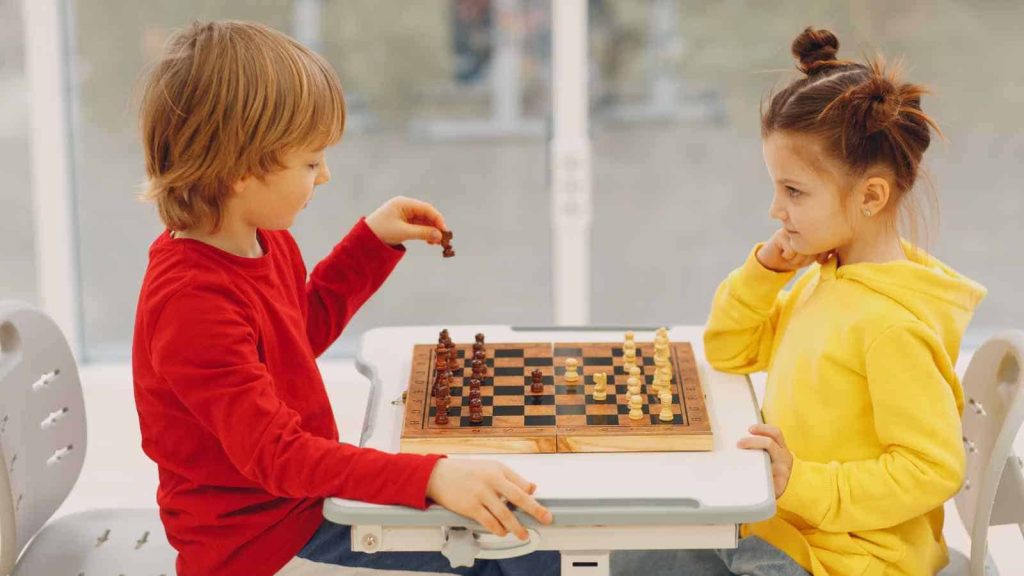
In conclusion, whether for personal enjoyment or educational purposes, the advantages of engaging with chess extend far beyond the chessboard. Those interested in enhancing cognitive skills or seeking new avenues for intellectual growth would do well to consider integrating this timeless game into their lives.
LEARN MORE: Click here for insights on memory enhancement
Unpacking the Cognitive Mechanisms of Chess
The game of chess is indeed a labyrinth of strategies, full of both opportunity and challenge. Each game unfolds a complex interplay of moves and countermoves, engaging a player’s mind in a way few recreational activities can replicate. The foundations of strategic thinking in chess are intricately linked with the game’s demands for foresight and planning. Beginners may start with a basic understanding of piece movement, but as one delves deeper into the game, the layers of strategic thought begin to reveal themselves.
At its core, chess is a battlefield where foresight is paramount. Players must constantly visualize multiple possible future states of the game, evaluating not just the immediate implications of their actions but also the cascading effects of those choices. This requirement fosters a mindset that is essential in both academic settings and everyday life, where anticipating outcomes can lead to better decisions. In educational settings across the United States, teachers have noted that students who engage in chess develop a knack for long-term planning, a skill that parallels successful project management and organizational abilities.
What’s fascinating is the role of cognitive flexibility in chess. As players navigate through varied game scenarios, they encounter unexpected challenges that force them to adapt their strategies. This necessity cultivates mental agility—an open-minded approach to problem-solving that encourages players to shift perspectives and reconsider their strategies on the fly. Such adaptability is not confined to the chessboard; it translates seamlessly into how individuals approach complex problems in professional environments. In fact, studies indicate that chess players often fare better in fields that demand quick thinking and flexibility, such as emergency response and high-stakes negotiations.
Several characteristics of chess greatly enhance cognitive flexibility:
- Dynamic Challenges: Each new game presents a fresh set of dilemmas, requiring players to think outside the box and devise unique solutions based on real-time developments.
- Varied Openings: The plethora of chess openings demands that players be familiar with diverse strategies, enhancing their ability to adapt as the game progresses.
- Counteracting Strategies: Recognizing potential threats from the opponent encourages players to rethink and reconfigure their plans dynamically, reflecting the kind of quick adaptability needed in today’s fast-paced work environments.
Furthermore, research has shown that individuals who regularly engage in chess exhibit marked improvements in areas such as problem-solving efficiency and innovative thinking. These enhancements are not merely limited to the confines of the game; they permeate academic performance, influencing how students tackle subjects like mathematics and critical reading. Chess has become so revered as a tool for mental development that a growing number of schools in the United States incorporate it into their curricula, reinforcing its value beyond entertainment.
As we continue to explore the convergence of chess, strategic thinking, and cognitive flexibility, we uncover the profound implications this ancient game holds for modern learners and professionals alike. The lessons learned at the chessboard are timeless, echoing well into the scenarios and challenges faced in our daily lives.
The Cognitive Benefits of Chess
Chess is more than just a game; it serves as a powerful tool for developing strategic thinking and enhancing cognitive flexibility. Players are consistently faced with complex decisions that require them to weigh numerous factors, anticipate the opponent’s moves, and devise multiple potential outcomes. This dynamic environment fosters a unique cognitive skill set that extends beyond the chessboard.One of the most significant advantages of chess is its ability to improve problem-solving skills. When players encounter challenging situations, they must quickly analyze and adapt their strategies, allowing them to become adept at navigating uncertainty. Through regular practice, individuals enhance their ability to think critically and make informed choices under pressure.Furthermore, chess promotes logical reasoning. Each move must be calculated, contributing to the development of sequential thinking. As players plan their strategies, they engage in a mental exercise that polishes their analytical skills. This capacity for logical reasoning translates well into various academic and professional settings, paving the way for greater success in tasks that require systematic planning and organization.Moreover, the game emphasizes the importance of patience and perseverance. Chess teaches players that immediate results are not always feasible; instead, success often comes from long-term strategic planning. This realization can profoundly impact one’s approach to challenges in everyday life, encouraging individuals to remain steadfast in pursuit of their goals.The interplay between strategic thinking and cognitive flexibility nurtured by chess makes it a vital educational tool for children and adults alike. By introducing chess into the educational curriculum, institutions can cultivate future generations equipped with essential skills for tackling the complexities of modern life. As we delve deeper into the advantages of chess, let’s take a closer look at how this ancient game fosters mind development through an informative table.
| Cognitive Skill | Benefits |
|---|---|
| Strategic Thinking | Enhances decision-making and planning abilities. |
| Cognitive Flexibility | Improves adaptability to changing circumstances and challenges. |
The exploration of these skills highlights how chess interconnects with important life competencies, presenting a compelling case for its inclusion in educational settings. By examining the profound impact of chess, we uncover a pathway to fostering essential cognitive abilities that are indispensable in today’s complex world.
DISCOVER MORE: Click here to enhance your mental agility
The Transfer of Skills Beyond the Chessboard
The intellectual rigor required in chess extends far beyond the boundaries of the 64 squares, impacting players’ lives in various multifaceted ways. The game’s strategic thinking components inherently train individuals in disciplines such as mathematics, logic, and even the softer skills of emotional intelligence and interpersonal relations. Extensive studies have established a correlation between chess playing and enhanced academic performance, suggesting that the cognitive skills developed during the game spill over into other areas of learning.
One remarkable dimension of how chess cultivates cognitive flexibility is its contribution to decision-making skills. In the fast-paced environment of a chess match, players often need to evaluate a myriad of options quickly, simulating real-world scenarios where decisive action can produce beneficial or adverse outcomes. The ability to analyze risks and rewards in a matter of seconds hones judgment skills that are critical in business, healthcare, and emergency management. A report published by the National Chess Foundation revealed that students who regularly engage in chess demonstrate improved capacities to weigh different outcomes and make informed decisions compared to their non-player peers.
A particularly compelling case study comes from the educational systems in New York City, where schools have integrated chess programs into their curricula. Educators have noted significant improvements in students’ cognitive abilities, particularly among those at risk of falling behind academically. One principal reported that in classrooms where chess was taught, students exhibited enhanced patience, increased focus, and a collaborative spirit as they learned valuable lessons about cooperation and strategizing with others. Such improvements create a richer learning environment, resembling team dynamics crucial in professional industries.
Moreover, chess also serves as a vibrant platform for developing social and emotional skills. Players often need to navigate the psychological pressures of competition—managing their emotions while reading their opponent’s cues. This aspect connects intimately with cognitive flexibility. The ability to shift one’s approach based on the opponent’s behavior not only enriches the game itself but also prepares individuals for interpersonal interactions in everyday life. Skills such as emotional regulation, empathy, and the capacity to view situations from multiple perspectives are nurtured on the chessboard, translating into profound advantages in negotiations and conflict resolution scenarios.
Additionally, the appeal of chess transcends across age boundaries, making it a universal tool for cognitive development. According to a study conducted by the University of Texas, retirees engaging in chess find that their cognitive skills, including memory retention and processing speed, receive significant boosts. This indicates that playing chess can also contribute to delaying cognitive decline among older adults, providing them a rich mental exercise that enhances brain health.
The allure of chess is underpinned by its universal accessibility; it can be played by anyone, anywhere, regardless of socioeconomic status. Community chess clubs across various states foster social interactions that embrace diversity. Such inclusivity not only promotes a sense of belonging but also encourages the exchange of different strategic approaches, further enhancing a player’s cognitive flexibility through exposure to new ideas and techniques.
Ultimately, the interplay of chess with cognitive development reveals a fascinating narrative of how an ancient game continues to shape modern minds. As we delve deeper into this realm, we uncover vital connections between strategic thinking and the multifaceted benefits it offers, enhancing personal and professional landscapes alike.
DISCOVER MORE: Click here to learn about the impact of memory games
Conclusion: Unlocking the Mind Through Chess
As we’ve explored throughout this article, the game of chess not only stands as a revered pastime but emerges as a formidable tool for the enhancement of strategic thinking and cognitive flexibility. The intricate layers of tactical and analytical skills acquired through chess profoundly equip individuals with the decision-making prowess necessary for success in various life arenas, including academics, careers, and interpersonal relationships. The compelling evidence linking chess to improved cognitive functioning underscores the relevance of the game in today’s fast-paced world, where adaptability and foresight are paramount.
Moreover, the educational initiatives that have embraced chess offer a testament to its enduring value, particularly in fostering an environment that supports vulnerable student populations. Beyond the classroom, chess contributes to the wellbeing of older adults, reinforcing the notion that cognitive engagement is a lifelong endeavor. The social aspect of the game—a unifier among diverse groups—also cultivates community and promotes emotional intelligence, demonstrating chess’s role as a bridge across generational and cultural divides.
In essence, the lessons learned on the chessboard mirror fundamental life skills, transferrable to real-world challenges. As we continue to investigate the interplay between leisure activities and cognitive development, chess remains an exemplary case of how strategic thinking can be nurtured, yielding profound benefits across all stages of life. For those seeking to enhance their cognitive capabilities, investing time in chess may just be one of the most rewarding decisions they make.
Related posts:
The Role of Mathematics Games in Stimulating Analytical and Problem-Solving Skills
The Effect of Board Games on Improving Memory and Attention in the Elderly
The Impact of Simulation Games on the Learning of Social and Cognitive Skills
How Puzzles Enhance Problem-Solving Skills in Adults
Unveiling the Relationship Between Wordplay and Cognitive Creativity
The Influence of Card Games on Mental Agility and Decision Making

Linda Carter is a writer and puzzle expert specializing in mind games, brain teasers, and cognitive challenges. With extensive experience helping individuals enhance their problem-solving skills and think critically, Linda shares her knowledge on our platform. Her goal is to empower readers with practical advice, engaging puzzles, and strategies to sharpen their minds and achieve success in the captivating world of mind games and puzzles.