The Psychology Behind Solving Mind Puzzles: How They Enhance Problem-Solving Skills
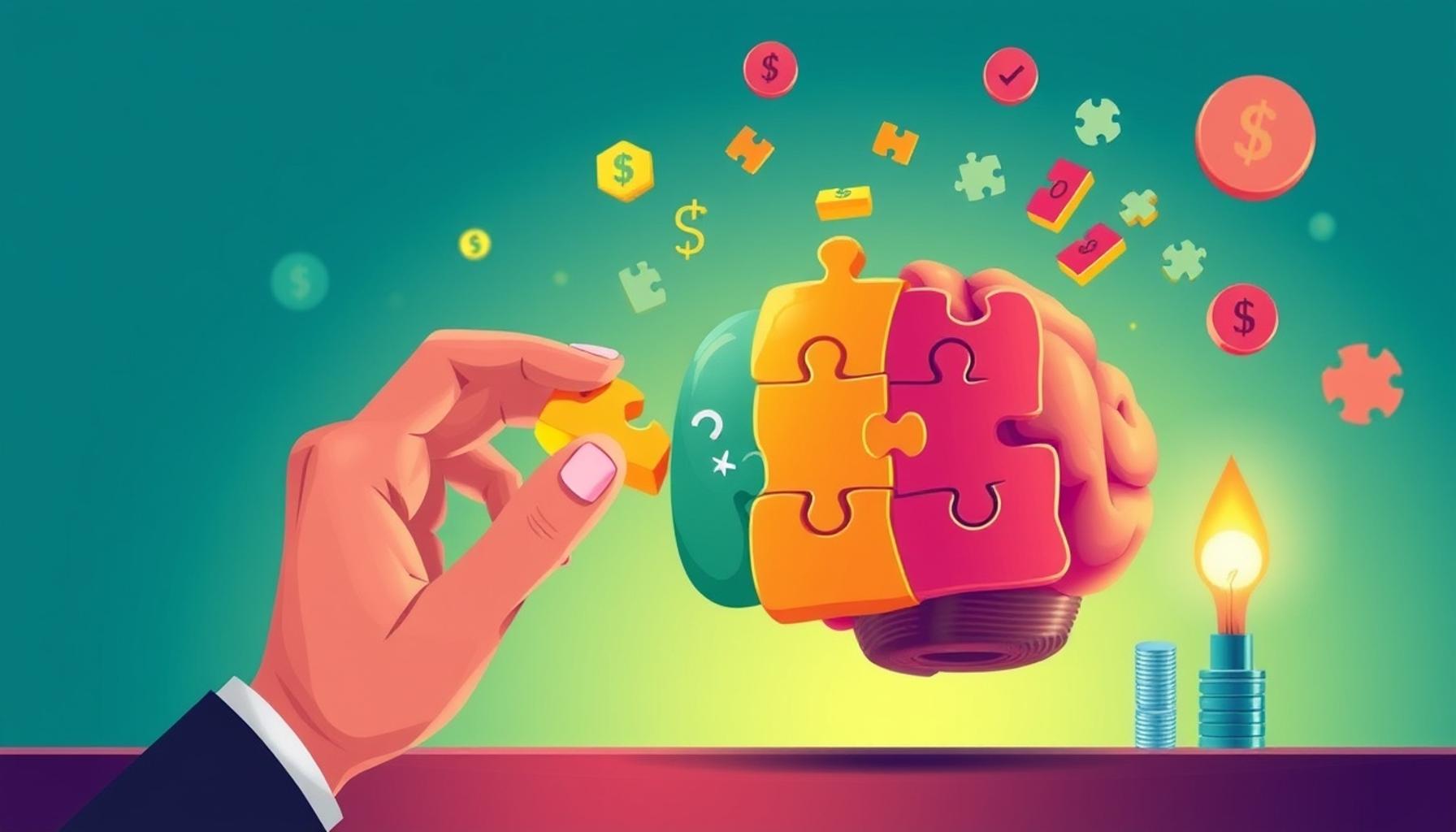
Unlocking the Mind
Mental challenges have always intrigued people. Mind puzzles serve not only as entertainment but also as valuable tools for cognitive development. The psychology surrounding these puzzles reveals much about how they influence our problem-solving skills.
Why Solve Mind Puzzles?
Engaging in mind puzzles can lead to numerous benefits, extending beyond mere amusement. Puzzles often require a combination of logic, language skills, and even math, making them multifaceted tools for brain training. For instance, Sudoku puzzles are excellent for fostering logical reasoning, while crosswords can enhance vocabulary and verbal fluency.
- Enhanced critical thinking: Puzzles require players to evaluate information critically, making decisions based on incomplete data. This analytical approach can translate to real-world situations where quick thinking is essential.
- Improved memory: Regular engagement with puzzles boosts both short-term and long-term memory. For example, engaging with memory games can sharpen recall skills, beneficial in everything from schoolwork to the professional field.
- Increased creativity: Solving complex problems stimulates creative thinking. Many creative professionals, from writers to designers, have incorporated puzzle-solving into their routines to ignite their imaginative capacities.
But what makes these puzzles so effective? It ties back to the way our brains function. They activate various cognitive processes that help us analyze and synthesize information, thereby strengthening our neural pathways, much like physical exercise strengthens our muscles.
The Science Behind It
Research has shown that solving puzzles can yield significant psychological and neurological benefits. Not only do they provide enjoyment, but they can positively impact mental health and cognitive resilience.
- Reduce stress: Engaging with puzzles often diverts the mind from daily stressors, serving as a mental escape. For many, dedicating time to a puzzle routine can be a meditative practice that calms the mind.
- Enhance focus: Concentrating on intricate tasks trains our ability to focus on complex issues. Studies indicate that individuals who regularly solve puzzles demonstrate improved attention spans, which can be vital in today’s fast-paced world.
- Foster resilience: Overcoming challenges in puzzles develops a mindset that embraces problem-solving. The sense of accomplishment after solving a tough puzzle can translate into increased confidence in facing life’s hurdles.
As we delve deeper into the psychology of mind puzzles, we uncover their remarkable role in enhancing our cognitive functions and preparing us for life’s challenges. The benefits extend beyond mere entertainment; they pave the way for improved cognitive resilience, ultimately enriching our lives in myriad ways.
DIVE DEEPER: Click here to unlock your creativity
The Cognitive Benefits of Engaging with Mind Puzzles
Mind puzzles are not just brain-teasers; they serve a profound purpose in sharpening our cognitive abilities. By challenging ourselves with various forms of mental exercises, we can effectively train our brains to think more critically and creatively. The unique structure of puzzles demands that we engage multiple cognitive processes, leading to several brain-enhancing outcomes.
Cognitive Stimulation and Neural Pathways
Solving puzzles activates the brain’s neuroplasticity — the ability to form new connections throughout life. As individuals tackle various challenges in mind puzzles, they stimulate the creation of new neural pathways. This means solving increasingly complex problems can enhance overall brain function and increase information retention.
- Pattern recognition: Many puzzles rely on patterns for their resolution. Engaging with these patterns sharpens our ability to identify similarities, differences, and trends, essential skills for making informed decisions in everyday scenarios.
- Logical reasoning: Completing a puzzle often involves deducing the correct path among multiple options. This process enhances our logical reasoning, providing us with valuable skills to approach situations with a rational mindset.
- Strategic thinking: Many puzzles, especially those with time constraints, require players to devise strategies and anticipate outcomes. This type of thinking can transfer into real-life situations, improving decision-making in both personal and professional realms.
Additionally, the practice of engaging with mind puzzles encourages a growth mindset. This concept revolves around the belief that abilities and intelligence can develop over time through effort and perseverance. As individuals encounter challenges within puzzles, they learn to approach failure and setbacks as opportunities for growth, instilling resilience that benefits them in their broader lives.
The Role of Motivation in Puzzle Solving
Another key factor in the psychology behind mind puzzles is motivation. Factors such as intrinsic motivation, which stems from personal enjoyment and curiosity, can profoundly impact an individual’s willingness to tackle puzzles. When individuals are genuinely engaged, they are more likely to persist, taking time to explore multiple avenues before arriving at the correct solution. This tenacity is a valuable trait in problem-solving contexts outside of puzzles, fostering a proactive attitude towards challenges.
- Social interaction: Puzzles can also foster social bonds; working on them with friends or family promotes teamwork and communication skills, essential components of effective problem-solving.
- Sense of accomplishment: Completing a mind puzzle yields a feeling of satisfaction and achievement, which can boost self-esteem and encourage further engagement with cognitive challenges.
- Ages and accessibility: The beauty of mind puzzles is that they can be adapted for all ages and skill levels, making them a ubiquitous tool for learning and development across generations.
Through understanding the cognitive benefits and motivational factors associated with solving mind puzzles, we can appreciate their importance not just as recreational activities, but also as vehicles for enhancing problem-solving skills. These attributes become increasingly critical in a fast-paced, ever-changing world where quick and effective decision-making can make all the difference.
| Cognitive Benefits | Enhanced Skills |
|---|---|
| Increased Neural Connectivity | Improves Logical Reasoning |
| Heightened Memory Retention | Boosts Creative Problem Solving |
The intricate world of mind puzzles is not just a leisure activity; it’s a profound enhancer of cognitive abilities. Engaging with such puzzles yields increased neural connectivity, stimulating various areas of the brain associated with logical reasoning and analytical thinking. As individuals tackle complex puzzles, they train their minds not only to seek immediate solutions but also to evaluate multiple pathways, a skill vital for effective problem solving.Moreover, regular engagement with these cognitive challenges leads to heightened memory retention, where participants find themselves recalling information with greater ease. This enhanced memory facilitates creative problem solving, allowing individuals to approach challenges with innovative perspectives. The ongoing exploration of these themes can unearth more strategies to utilize mind puzzles as a tool to amplify your problem-solving repertoire.
DISCOVER MORE: Click here to learn about the impact of memory games
The Social and Emotional Impact of Puzzles on Problem-Solving Skills
While the cognitive benefits of mind puzzles are notable, their social and emotional impact plays a crucial role in enhancing problem-solving skills as well. Engaging with mind puzzles can unveil layers of social dynamics that contribute to an individual’s approach to challenges, both independently and collaboratively.
The Power of Collaboration
Puzzles often serve as a bonding experience that encourages cooperation among individuals. Groups working together to solve puzzles engage in rich discussions, share insights, and undertake collective problem-solving strategies. This collaboration fosters not just camaraderie but also builds critical interpersonal skills, such as communication and active listening. Such social interactions can be vital in workplaces or educational settings where teamwork is essential.
- Team dynamics: When people collaborate to solve puzzles, they learn the importance of diverse perspectives. Different viewpoints can unveil unique solutions to problems, enriching the problem-solving process and increasing the likelihood of successful outcomes.
- Conflict resolution: Working in a group often brings disagreement. Navigating these conflicts during puzzle-solving sessions can improve skills related to compromise and negotiation, equipping individuals with the tools to better handle disputes in various life scenarios.
Moreover, the act of collaborating on puzzles instills a sense of belonging, which can be particularly beneficial for mental health. Studies have shown that social connections made through shared activities reduce feelings of loneliness and enhance overall well-being, providing a robust environment for fostering problem-solving capabilities.
Emotional Regulation Through Challenge
Engaging with mind puzzles also enhances emotional regulation—a vital component of effective problem-solving. The experience of grappling with challenging puzzles can trigger varied emotional responses, including frustration and excitement. Learning to manage these emotions directly contributes to improved resilience.
- Coping mechanisms: Facing setbacks while attempting to solve puzzles teaches individuals how to cope with feelings of disappointment, ultimately leading to stronger emotional resilience.
- Mindfulness and focus: Concentrating on puzzles fosters a state of mindfulness, allowing individuals to focus their thoughts and approach problems methodically. This concentration can translate into improved performance in high-stress environments.
Research indicates that people who routinely engage in mental challenges develop better emotional intelligence, which plays a significant role in effective problem-solving. By recognizing their emotional states and understanding how these influence their decision-making processes, individuals can approach problems from a calmer, more collected standpoint.
Cognitive Flexibility and Adaptive Problem-Solving
Lastly, mind puzzles enhance cognitive flexibility, or the ability to adapt one’s thinking in response to changing circumstances. In an increasingly dynamic world where change is the norm, the skills developed through mind puzzles—such as thinking outside the box and reevaluating strategies—are indispensable.
- Adaptability: The iterative nature of puzzle-solving encourages individuals to embrace trial and error. This adaptability is crucial when confronting unexpected challenges in both personal and professional contexts.
- Creative solutions: Mind puzzles often require unique solutions that go against conventional logic. Engaging with these creative challenges can cultivate innovative thinkers who can devise novel strategies in real-world situations.
By understanding how puzzles influence social dynamics, emotional regulation, and cognitive flexibility, we can fully appreciate their multifaceted role in enhancing problem-solving skills. These attributes empower individuals not only to tackle puzzles but also to navigate life’s complexities with confidence and agility.
DISCOVER MORE: Click here to dive deeper
Conclusion: Unraveling the Layers of Problem-Solving through Mind Puzzles
In summary, the psychology behind solving mind puzzles underscores a profound connection between cognitive engagement and the enhancement of problem-solving skills. Through tackling these challenges, individuals not only sharpen their analytical abilities but also cultivate vital social and emotional competencies that are essential for navigating life’s complexities. The collaborative nature of puzzles fosters communication and teamwork, enabling players to appreciate diverse perspectives and refine their interpersonal dynamics—all fundamental qualities in both personal and professional realms.
Moreover, the emotional journey that accompanies puzzle-solving instills resilience and equips individuals with effective coping mechanisms. As participants confront their frustrations and breakthroughs, they learn to regulate their emotions and maintain focus amidst challenges, translating these skills into everyday situations. The iterative process of engaging with puzzles also enhances cognitive flexibility, encouraging creative problem-solving that extends beyond conventional thinking. This adaptability is increasingly crucial in today’s fast-paced, ever-evolving environment.
Ultimately, mind puzzles serve as more than mere entertainment; they are powerful tools that nurture critical life skills. As research continues to reveal the psychological impacts of these challenges, one can appreciate their role as a foundation for growth in both cognition and emotional intelligence. By immersing oneself in the world of mind puzzles, individuals embark on a journey toward becoming more adept problem solvers, ready to tackle all the complexities life presents. As you explore this fascinating domain, consider how integrating mind puzzles into your routine could yield unexpected benefits for your own problem-solving arsenal.
Related posts:
The Role of Logic Games in Improving Mental Resilience
Digital Puzzles: The Impact of Video Games on Problem-Solving Ability
The Psychology Behind Logic Games: How to Solve Problems with Creativity
Group Challenges: Learning to Solve Problems Collectively Through Team Games
Mind Games: Strategizing Solutions in Board Games and Cognitive Challenges
The Mathematics of Puzzles: How Numbers and Logic Help in Problem Solving

Linda Carter is a writer and puzzle expert specializing in mind games, brain teasers, and cognitive challenges. With extensive experience helping individuals enhance their problem-solving skills and think critically, Linda shares her knowledge on our platform. Her goal is to empower readers with practical advice, engaging puzzles, and strategies to sharpen their minds and achieve success in the captivating world of mind games and puzzles.