
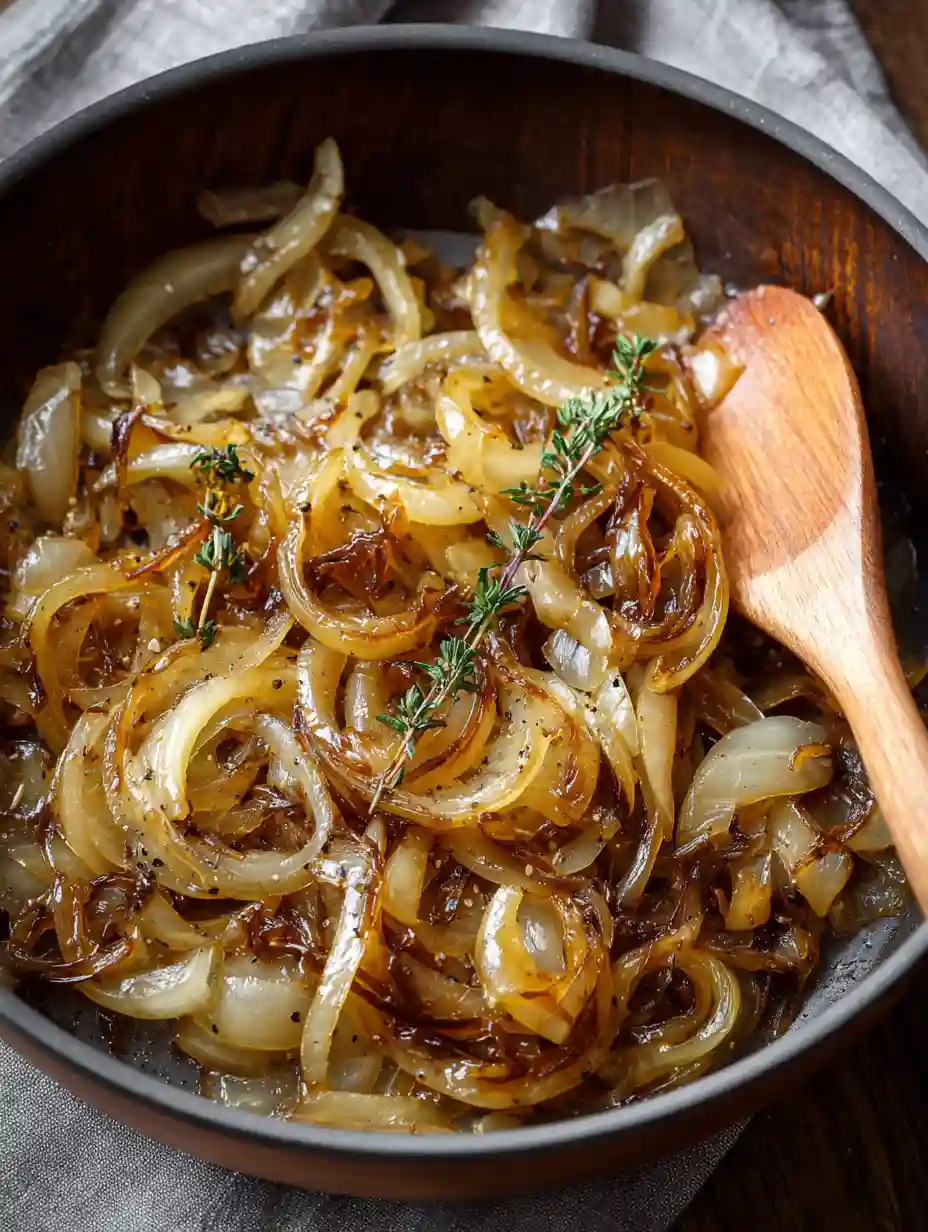
The Transformative Process of Caramelizing
Caramelizing is a cooking technique that transcends mere preparation, unlocking a spectrum of flavors in everyday ingredients. When heat is applied to sugars in foods, a remarkable transformation occurs, resulting in a rich, deep sweetness that captivates the palate. The process is not solely about achieving a golden color; it is a culinary journey that turns the ordinary into the exquisite.
To appreciate the depth of caramelization, let’s dive into its versatile applications:
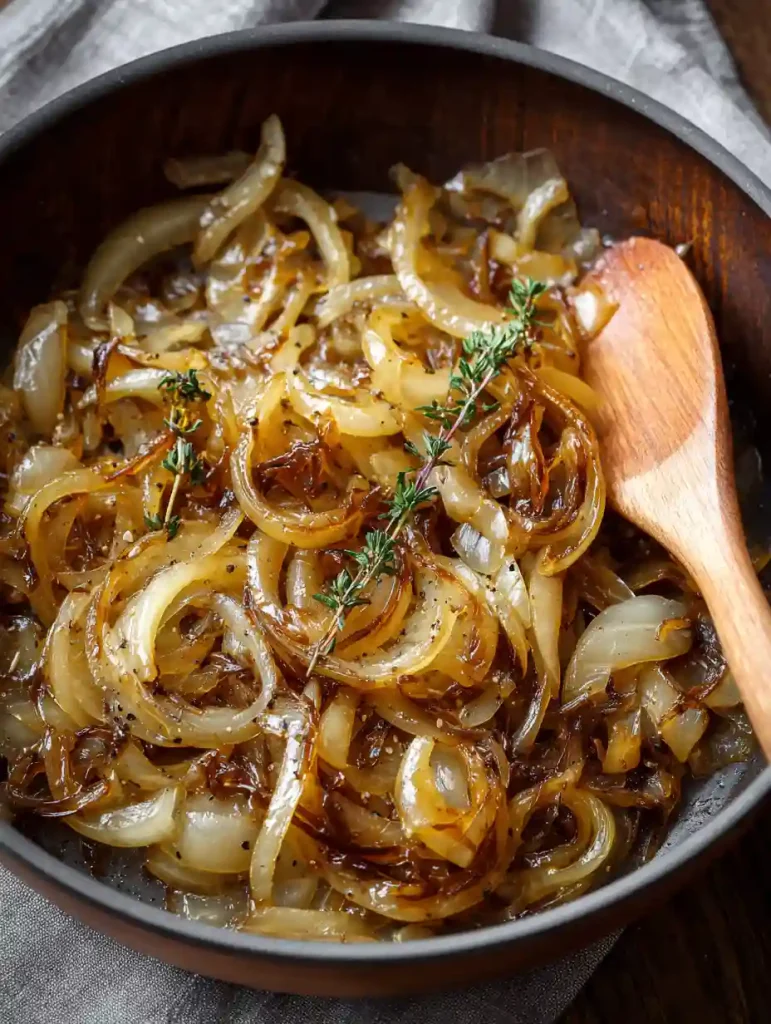
- Onions: Starting with a staple in many kitchens, caramelized onions develop a sweet and savory profile that enhances everything from French onion soup to gourmet burgers. The process, which can take anywhere from 20 to 40 minutes, involves slow cooking over moderate heat to coax out their natural sugars while transforming their sharp bite into a velvety sweetness.
- Carrots: When roasted or sautéed, carrots’ natural sugars caramelize, creating a delightful dish that can serve as the star of any meal. Think of honey-glazed carrots—where the sugars rise to the forefront. This method not only intensifies their flavor but also their vibrant color, making for a visually appealing side dish.
- Fruits: Caramelizing fruits, like apples or pears, brings out their natural sweetness and adds complexity to desserts. Imagine a warm apple tart topped with crunchy caramelized apples, or pears sautéed in butter with a touch of cinnamon. These dishes showcase how caramelization can elevate fruit from simple to sensational.
- Meats: The Maillard reaction, often confused with caramelization, occurs during meat cooking when proteins and sugars react under heat, forming a tasty brown crust. Grilled steaks, roasted chicken thighs, or even pan-seared pork chops derive immense flavor from this process, adding texture and a depth of flavor that is hard to resist.
The alchemy of caramelization not only enhances taste but also contributes significantly to the visual appeal of dishes. A beautifully caramelized creation is a feast for the eyes, ready to tantalize the senses and welcome exploration.
As we embark on the journey to master caramelization, understanding the balance of heat and timing is crucial. Factors like the type of cookware, the rate of heat application, and the freshness of the ingredients all play a pivotal role in achieving perfect results. Armed with the right techniques, you can transform even the simplest meal into a culinary masterpiece that will enchant family and friends alike.
Are you ready to experience the subtle magic that caramelization offers? With detailed tips and techniques at your disposal, your culinary exploits will not only impress but also deepen your appreciation for the artistry of cooking. Embrace the enchanting world of caramelizing and prepare to revolutionize your kitchen endeavors.
DISCOVER MORE: Click here to dive into the fusion of flavors
Unlocking the Secrets of Caramelization
The process of caramelization is not just alchemy; it’s a science that transforms the ordinary into the extraordinary. To fully appreciate the depth of this cooking technique, one must understand the fundamental chemistry behind it. Caramelization occurs when sugars are subjected to heat, undergoing a series of complex reactions that yield a plethora of rich flavors and enticing aromas. But what lies beneath this sweet transformation, and how can home cooks harness its power?
At its core, caramelization is the result of breaking down sugars through the application of heat. This process involves the evaporation of water, leading to a concentration of flavor as sugars turn golden and eventually brown. As the sugars decompose further, they develop new flavors and create aromatic compounds that add depth and sophistication to dishes. For home cooks, understanding this process can open up new culinary possibilities.
The Importance of Temperature and Timing
When caramelizing ingredients, temperature and timing play pivotal roles in achieving the perfect result. Too high a flame could lead to burnt sugars and bitter flavors, while too low a flame may not develop those rich caramel notes at all. A steady, moderate heat allows for even cooking and ensures a gradual caramelization, coaxing out the natural sweetness of vegetables and fruits alike.
To fully explore the magic of caramelization, consider incorporating the following ingredients into your culinary repertoire:
- Alliums: Onions and garlic, when caramelized, yield not only heightened sweetness but also a depth of flavor that can act as a foundation for countless dishes, from pasta sauces to stews.
- Vegetables: Root vegetables like sweet potatoes and parsnips become irresistibly sweet when roasted, creating side dishes that can easily stand alone.
- Nuts: Caramelizing nuts with sugar provides a crunchy topping or snack with layers of flavor, perfect for salads or desserts.
- Granulated Sugar: This is perhaps the most classic demonstration of caramelization. Whether making a simple caramel sauce or crafting a delicate crême brûlée, mastering sugar caramelization opens a world of dessert possibilities.
By embracing the techniques of caramelization, you can transform even the simplest of ingredients into culinary masterpieces. The caramelization process allows cooks to explore a vibrant palette of textures and tastes, enticing diners with the promise of exceptional flavor in every bite.
A Journey of Flavor Exploration
As you begin to experiment with caramelizing in your own kitchen, remember that patience is key. Allow each ingredient to develop its flavor slowly, and adjust the heat as needed. This culinary exploration will not only enhance your cooking skills but also deepen your appreciation for the intricate world of flavor. In the following sections, we’ll delve deeper into specific techniques and recipes that showcase the true potential of caramelization. Ready to turn your kitchen into a realm of culinary gold? Let’s embark on this delicious journey!
The Magic of Caramelizing: How to Turn Ingredients into Culinary Gold
Caramelizing is an exquisite culinary technique that transforms simple ingredients into flavorful treasures. By gently cooking sugars, you create a complex array of flavors and textures, enhancing dishes from savory to sweet. This process not only adds a delightful depth to your meals but also captivates the senses with its enticing aroma and appealing golden hue.
One of the most important aspects of caramelizing is understanding the Maillard reaction, which occurs when proteins and sugars react under heat. This reaction is responsible for the distinctive color and flavor of caramelized ingredients. For instance, when onions are slowly sautéed, their natural sugars break down, producing a rich, sweet, and deeply flavored base that elevates soups, stews, and sauces.
Another key element in the magic of caramelizing is mastering the right heat levels. Utilizing medium to low heat allows sugars to develop gradually without burning, ensuring optimal flavor extraction. Ingredients such as carrots, beets, and even garlic benefit immensely from this technique, boasting enhanced sweetness which gives them a unique character in your dishes.
Additionally, the choice of fat can greatly influence the caramelizing process. Using different fats like butter, olive oil, or even bacon fat can impart distinctive flavors and enrich the overall experience of the dish. Experimenting with these options allows you to discover new flavor profiles and encourages creativity in the kitchen.
Embarking on a caramelization journey opens up a world of culinary possibilities. From savory preparations to desserts like caramelized fruit atop a warm cake, the versatility of this cooking method provides an opportunity to infuse exceptional taste into your meals. It invites both home cooks and professional chefs alike to explore, experiment, and transform everyday ingredients into extraordinary dishes.
| Category | Benefits |
|---|---|
| Flavor Enhancement | Caramelization adds complexity and sweetness to dishes, elevating ingredient profiles. |
| Versatility | This technique works wonderfully with a variety of ingredients, from fruits to proteins. |
To truly harness the magic of caramelizing, it is essential to practice patience and pay attention to the transformation taking place. With time, you’ll uncover the secrets to turning ordinary ingredients into culinary gold, igniting a passion for flavors that will undoubtedly impress your diners.
DISCOVER MORE: Click here to learn how to enhance your meals
Savory and Sweet: The Versatility of Caramelization
The versatility of caramelization extends far beyond traditional desserts; it encompasses an entire spectrum of savory dishes as well. From enhancing the natural sweetness of ingredients to creating complex umami flavors, mastering this technique can elevate casual meals into extraordinary dining experiences.
Sweet Meets Savory: A Culinary Balance
Consider using caramelization to create a delicate balance between sweet and savory components in your cooking. For instance, caramelized carrots can transform an ordinary side into a show-stopping accompaniment. Simply slice carrots and roast them with olive oil and a sprinkle of salt. As they caramelize, they develop a rich texture and a natural sweetness that pairs beautifully with dishes like grilled lamb or roasted chicken.
Onions, when caramelized, serve as the quintessential base for a multitude of dishes. The sweet, buttery flavor adds depth to everything from French onion soup to gourmet burgers. Gently sauté onions in a pan over low heat, allowing the natural sugars to slowly release, infusing your meal with an irresistible aroma that beckons everyone to the table.
Caramelization in Global Cuisines
Different cuisines around the world have embraced the technique of caramelization in unique ways. In Asian cooking, for instance, the process is often seen in the creation of dishes like teriyaki chicken and korean bulgogi, where marinated meats are grilled or stir-fried until the sugars in the marinade caramelize, resulting in a deliciously sticky glaze. The vibrancy of these dishes illustrates how caramelization can enhance not just flavor, but also the visual appeal of food.
Furthermore, in Latin American cuisine, caramelized plantains prove that this technique knows no boundaries. Whether sautéed in butter for a savory entrée or drizzled with honey as a sweet dessert, the caramelization process elevates the simple fruit, unlocking its natural sweetness and creating a dish that is both comforting and sumptuous.
Elevating Breakfast with Caramelized Delights
Not limited to dinner, caramelization can also bring a magical twist to breakfast. Think about caramelized bananas sautéed in a pan with a touch of brown sugar and butter, served over pancakes or yogurt. This sweet addition can transform your morning meal into an indulgent experience without much extra effort. Combine this with caramelized apples topped with cinnamon for a warm, mouthwatering aroma that fills your kitchen and greets your family with the promise of a delicious day ahead.
Finally, do not overlook the role of caramelization in the preparation of sauces and reductions. Cooking down fruits, wines, or syrups until they achieve a caramelized consistency can lead to decadent sauces that can elevate any dish, from roast meats to desserts. Understanding how to harness the power of caramelization can turn simple sauces into spectacular enhancements, adding depth and richness that takes a dish from ordinary to unforgettable.
Embracing caramelization is not just about making food sweeter; it is about unlocking new layers of flavor, texture, and culinary creativity. As you continue your exploration, pay attention to the diverse ways caramelization can enrich your dishes, leaving your taste buds eager for more of its enchanting magic.
DIVE DEEPER: Click here for an exciting culinary journey
Wrapping Up the Art of Caramelization
In conclusion, the transformative power of caramelization is nothing short of culinary alchemy. This essential technique not only enhances the flavor and appearance of a wide variety of ingredients but also serves as a bridge between culinary cultures, showcasing the universal language of food. By understanding the science behind caramelization and experimenting with both sweet and savory components, home cooks and professional chefs alike can create dishes that captivate the senses.
Whether it’s the sweet allure of caramelized fruits that elevate breakfast fare, the complex flavors in gourmet dishes from around the globe, or the rich, savory depths that caramelized vegetables bring to everyday meals, this versatile process enriches every aspect of cooking. Furthermore, incorporating caramelized sauces into your repertoire can add astonishing layers of flavor, making even simple recipes feel luxurious.
The magic of caramelization lies in its capacity to unlock the inherent qualities of food, offering a palette of taste experiences that can be both comforting and extravagant. As you delve deeper into your culinary adventures, let the art of caramelization inspire your creativity in the kitchen, turning simple ingredients into unforgettable meals. With each caramelized bite, you’ll be reminded that great cooking is not just an act but a journey worth savoring.