The Influence of Puzzle Games on Improving Concentration and Focus

Mental Advantages of Engaging with Puzzle Games
In today’s world, where the rhythm of life can sometimes feel overwhelming, maintaining a sharp mind is crucial. The barrage of notifications, social media updates, and countless distractions can impede our ability to focus and think critically. This is where puzzle games come into play, offering a captivating escape that not only entertains but also sharpens our cognitive abilities.
Puzzle games have evolved over the years, encompassing a wide range of formats that attract enthusiasts of all ages. Consider Sudoku, a number-based game that not only entertains but also cultivates logical thinking skills. Each puzzle requires players to utilize deductive reasoning to allocate digits in a way that adheres to the rules—no repetition in any row, column, or square. This aspect of Sudoku challenges the brain and fosters a mindset geared toward logical progression.
Another classic, crossword puzzles, offers a different twist by enhancing vocabulary and problem-solving skills. As players search for words that fit both the clues and the grid, they engage in a stimulating exercise that broadens their lexicon and sharpens their wit. Research has shown that regularly completing crosswords may also delay cognitive decline, making it a popular pastime among senior citizens looking to keep their minds active.
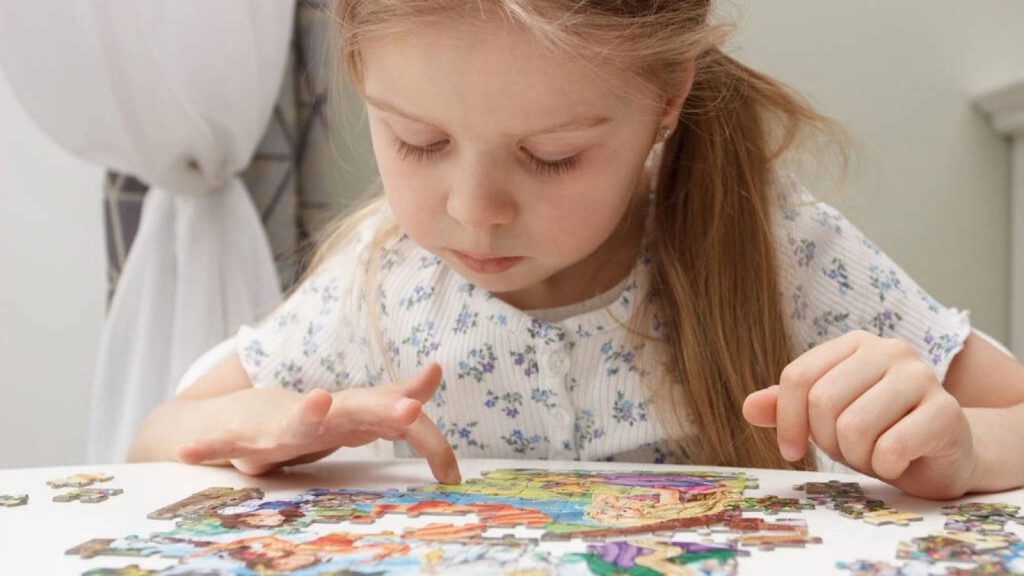
Don’t underestimate the benefits of jigsaw puzzles either. These multi-piece challenges not only enhance spatial awareness but also improve visual perception and short-term memory. As you work to fit pieces together, your brain engages in a complex analysis of shapes, colors, and patterns, honing your ability to see the big picture while also focusing on the finer details. This whole-to-part type of thinking can be valuable in various real-life situations, from project planning to everyday problem-solving.
The myriad advantages of engaging with puzzles don’t stop there. Regular participation can lead to a host of benefits, including:
- Increased attention span – Engaging with puzzles requires sustained concentration, improving your ability to remain focused over longer periods.
- Better memory retention – The mental workout that puzzles provide can enhance both short-term and long-term memory, helping you recall information more effectively.
- Enhanced problem-solving capabilities – The skills developed while tackling puzzles translate into real-world benefits, enabling individuals to navigate complex challenges with ease.
The science behind these benefits is fascinating. Neurological studies have shown that mental exercises like puzzles stimulate the brain’s neural pathways, promoting neuroplasticity—the brain’s ability to rewire itself. By cultivating new connections through puzzle-solving, players can experience improvements in cognitive functions that extend beyond the gaming experience, enhancing their daily decision-making and efficiency.
Incorporating puzzle games into your daily routine could be a game-changer. Whether it’s a quick crossword during breakfast or a Sudoku session during a coffee break, these engaging activities can lead to significant cognitive improvements. As we uncover the potential of puzzle games, there’s no better time than now to challenge our minds and revel in the captivating world of puzzles.
LEARN MORE: Click here to find out why reasoning games are crucial
Unlocking the Cognitive Potential of Puzzle Games
Puzzle games are not just a source of entertainment; they serve as a powerful tool in enhancing concentration and focus. In an era characterized by incessant interruptions, these engaging activities offer a sanctuary for the mind, cultivating a mental environment conducive to sustained attention. Numerous studies emphasize the importance of such cognitive exercises, highlighting how they can lead to measurable improvements in mental acuity.
The mechanics of puzzle games draw players into a concentrated state, often referred to as “flow.” This psychological phenomenon occurs when individuals become fully immersed in an activity, losing track of time while their minds focus intensely on the task at hand. Activities like Tetris and 2048, which require quick thinking and strategic planning, exemplify how puzzle games harness this flow state. Players are not just solving a puzzle; they are sharpening their focus and improving their ability to concentrate on detailed tasks.
Academic research substantiates these claims. For instance, a study conducted by the American Psychological Association found that participants who regularly played puzzle games demonstrated a marked improvement in their ability to concentrate and manage distractions. The research indicated that playing such games enhances cognitive flexibility, allowing individuals to switch their focus seamlessly from one task to another—a skill essential in both academic and professional settings.
- Improved visual processing – Puzzle games engage the visual processing centers of the brain, enhancing the ability to quickly identify patterns and make decisions based on visual stimuli.
- Increased cognitive endurance – Just as physical exercise builds stamina, regularly engaging with puzzles can extend your mental endurance, allowing for prolonged periods of concentration.
- Boosted strategic thinking – Many puzzles require strategic planning and foresight, skills that translate into improved problem-solving abilities in real-world scenarios.
While individual games offer varied cognitive benefits, the common thread remains their ability to foster a focused mindset. The simple act of setting aside dedicated time to engage with puzzles can be transformative; it not only serves as a mental workout but also cultivates a rewarding sense of achievement upon completion. This sense of accomplishment can bolster self-esteem, further enhancing one’s ability to concentrate on future tasks.
Moreover, the impact of puzzle games on concentration and focus extends beyond mere casual play. Brain-training apps, such as Elevate and Lumosity, incorporate the principles of puzzle-solving into structured workouts designed to elevate cognitive functions. These platforms effectively leverage the inherent enjoyment of puzzle games to promote consistent practice—a critical component in fostering long-lasting mental gains.
The blending of fun and functionality makes puzzle games a compelling choice for anyone looking to boost their cognitive capabilities. As more people seek effective ways to combat distractions in their daily lives, it’s clear that the influence of puzzle games on enhancing focus and concentration is a phenomenon worth exploring.
The Influence of Puzzle Games on Improving Concentration and Focus
Puzzle games have become increasingly popular, not just for their entertainment value but for their cognitive benefits. These games challenge players to think critically, strategize, and maintain focus—all essential skills that contribute to improved concentration. Research has shown a strong correlation between engaging with puzzle games and enhanced cognitive function, leading to better performance in various real-life situations. One fascinating aspect of puzzle games is their ability to promote a state of “flow,” where players become deeply immersed in the activity. This immersive experience can boost attention span and decrease distractions, allowing players to develop their focus over extended periods. The nature of many puzzle games often requires players to solve problems under time constraints, which can further train their ability to concentrate and think quickly.Furthermore, puzzle games can positively impact mental health by providing a soothing escape from everyday stressors. They serve as a fun and engaging way to engage the mind, reducing anxiety and allowing players to reset their cognitive load. This aspect can be particularly vital in our fast-paced, multitasking environment, where the ability to concentrate has never been more important.The benefits are not limited to just young gamers; individuals of all ages can experience significant improvements in cognitive abilities through regular engagement with puzzle games. As players manipulate shapes, colors, and patterns to solve tasks, they are effectively exercising their brains, reinforcing neural connections, and fostering overall mental agility.To further explore the specific advantages of integrating puzzle games into daily routines, consider the following table, which outlines key categories and benefits associated with this engaging form of entertainment:
| Category | Benefits |
|---|---|
| Cognitive Skills Enhancement | Improved problem-solving abilities and critical thinking. |
| Stress Relief | Provides a relaxing distraction from daily pressures. |
| Persistence and Patience | Teaches players to stay focused and work through challenges. |
By incorporating puzzle games into daily activities, individuals can harness these cognitive benefits while enjoying a fulfilling form of entertainment. This captivating intersection of fun and mental enhancement encourages readers to consider how they might elevate their concentration and focus through gameplay.
DIVE DEEPER: Click here to discover the connection
The Science Behind Puzzle Solving and Cognitive Enhancement
Delving deeper into the neuroscience of puzzle games reveals fascinating insights into how these activities constructively alter brain function. Engaging with puzzles stimulates the release of neurotransmitters such as dopamine, which not only heightens the sense of pleasure but also enhances motivation and concentration. This biochemical reward system is particularly compelling; the satisfaction derived from solving a challenging puzzle can reinforce continued engagement, creating a positive feedback loop that bolsters overall cognitive performance.
Furthermore, puzzle games lay claim to enhancing neuroplasticity, the brain’s ability to reorganize itself by forming new neural connections. Engaging in tasks that require problem-solving and critical thinking—common in popular puzzles like Sudoku or crosswords—encourages the brain to adapt and expand its cognitive capabilities. Research from the Institute of Neuroscience at the University of Oregon indicates that such activities not only improve focus but also contribute to better memory retention and recall, pivotal skills in both academic and professional settings.
The impact of puzzle games is particularly evident when examining their role in education. Educators have increasingly integrated puzzle-solving activities into curricula, recognizing their efficacy in promoting concentration among students. A study by the Journal of Educational Psychology found that students who participated in puzzle-based learning exhibited 20% higher scores in tests of attention and problem-solving abilities compared to their peers engaged in traditional teaching methods. This demonstrates that integrating playful and interactive learning strategies can significantly improve student focus and cognitive engagement.
- Enhanced multitasking capabilities – As puzzle games often involve juggling multiple elements simultaneously, players are trained to handle several streams of information at once, boosting their capacity to concentrate on multiple tasks in real-life situations.
- Stress reduction – Engaging in puzzle games can serve as a stress reliever, providing a mental break from everyday stressors. Lower stress levels significantly enhance cognitive focus, allowing players to perform better in other areas of their lives.
- Social interaction and teamwork – Many modern puzzle games offer multiplayer options, which encourage collaboration and communication. This social dimension further refines focus as players work together to strategize and solve challenges.
Moreover, as the evidence mounts, businesses have begun to embrace puzzle games as part of corporate training programs. Companies now recognize that fostering an environment that encourages problem-solving and strategic thinking through puzzle-related activities can improve employee concentration and productivity. For example, firms like Google and Apple have implemented game-based learning methods to keep their employees engaged, leading to enhanced overall performance.
Furthermore, the therapeutic implications of puzzle games are being explored in mental health contexts. Therapists are integrating games like jigsaw puzzles and escape room challenges into treatment plans, using them as tools to help patients improve focus and cognitive function while battling anxiety and stress. This illustrates the multifaceted benefits of puzzle games—not only as a means of entertainment but as a profound method of promoting mental well-being and cognitive resilience.
As research continues to unfold, the findings illuminate the expansive influence of puzzle games on enhancing concentration and focus. The prospects of these cognitive exercises are promising, suggesting that the fun and immersive nature of puzzles may not only pave the path to better mental agility but also cultivate essential skills required in everyday life.
DISCOVER MORE: Click here to dive deeper into the world of digital puzzles
Conclusion
In summary, the growing body of evidence supporting the cognitive benefits of puzzle games is both compelling and transformative. These engaging activities serve as tools not just for entertainment, but as potent catalysts for enhancing concentration and focus. The interplay of biochemical rewards, neuroplasticity, and social collaboration fosters an enriched mental landscape, allowing players to sharpen their problem-solving skills and improve their attention span.
The integration of puzzle games into educational frameworks and corporate environments underscores their effectiveness. By promoting interactive learning and strategic thinking, institutions and businesses alike have witnessed notable improvements in focus and productivity. Furthermore, the therapeutic use of puzzle games provides a beacon of hope for mental well-being, validating their role as effective tools for reducing stress and enhancing cognitive function.
As we navigate a world that demands heightened concentration and adaptability, the influence of puzzle games becomes increasingly relevant. Their capacity to cultivate essential skills for both personal and professional endeavors presents an intriguing opportunity for individuals seeking to improve mental agility. As you consider the potential of incorporating puzzle games into your daily routine, remember that each challenge solved not only brings gratification but also builds a more focused and resilient mind.
In an era where distraction is rampant, puzzle games may just be the key to unlocking sharper concentration and an enriched cognitive experience. Exploring this vibrant landscape of puzzle-solving can lead to profound growth—both mentally and emotionally. So, why not take the plunge and reap the multifaceted benefits these puzzles offer?
Related posts:
Developing Logical Thinking Through Crossword Puzzles
The Effect of Board Games on Improving Memory and Attention in the Elderly
The Role of Mathematics Games in Stimulating Analytical and Problem-Solving Skills
The Role of Digital Puzzles in Stimulating Critical Thinking Skills
How Strategy Games Enhance Planning and Forecasting Skills
How Puzzles Enhance Problem-Solving Skills in Adults

Linda Carter is a writer and puzzle expert specializing in mind games, brain teasers, and cognitive challenges. With extensive experience helping individuals enhance their problem-solving skills and think critically, Linda shares her knowledge on our platform. Her goal is to empower readers with practical advice, engaging puzzles, and strategies to sharpen their minds and achieve success in the captivating world of mind games and puzzles.