
The Culinary Impact of Migration
Across the globe, the movement of people has profoundly transformed culinary landscapes. Migration introduces new ingredients, cooking techniques, and flavors, enriching local cuisines and fostering innovation. This hidden interplay between migration and food not only showcases the adaptability of cultures but also highlights the diverse culinary tapestry we experience today.
Ingredients Exchange
At the heart of culinary evolution is the exchange of ingredients. When immigrants settle in new locations, they bring along their culinary traditions, which include distinctive spices and herbs that dramatically alter traditional cooking methods. For instance, the influx of South Asian migrants into the United States has resulted in the heightened popularity of spices such as cumin, turmeric, and cardamom, influencing local cooking. These ingredients have found their way into American favorites, with turmeric often being added to smoothies or pet foods for its health benefits. Additionally, the introduction of ingredients like sriracha sauce has made waves in American kitchens, igniting a passion for spicy flavors that were less pronounced before.
Fusion Cuisine
The concept of fusion cuisine epitomizes the blending of distinct culinary traditions to create exhilarating new dishes. This culinary creativeness reflects the dynamic interplay between cultures. Take, for example, the popular Mexican-Korean tacos, which blend the Korean idea of marinated meats with traditional Mexican tortillas, creating a dish that tantalizes the taste buds through diverse textures and flavors. Similarly, Indian-Italian pizza incorporates Indian spices such as garam masala and toppings like paneer, yielding a unique twist on a beloved classic. These hybrid dishes can be found in urban areas across the United States, particularly in diverse cities where culinary innovation thrives.
Cultural Festivals
Cultural festivals serve as vibrant showcases of global culinary diversity. Celebrations like Chinese New Year and Diwali not only honor cultural heritage but also promote the widespread appreciation of different cuisines. At these festivals, food plays a central role, with traditional dishes being prepared and shared among communities. Attendees can taste dim sum, dumplings, and various sweets that highlight the cultural significance of food within these traditions, allowing for a rich experience and learning opportunity about different heritages.
The American Culinary Landscape
The United States serves as a prime example of this culinary influence, where food from various cultures intertwines to form a unique gastronomic landscape. Cities like New York and Los Angeles are hubs of diverse culinary offerings, showcasing everything from street food stalls featuring elote to high-end establishments offering fusion cuisine. The Food Network and various social media platforms have highlighted many chefs who fuse traditional cooking with modern techniques, ensuring that the stories of the people behind the food are heard and celebrated.
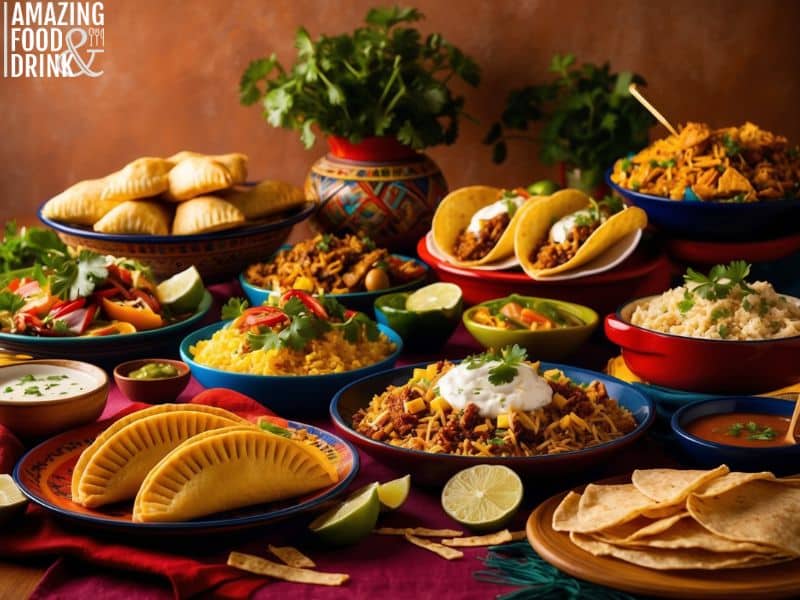
This fascinating convergence leads us to explore how migration reshapes tastes, traditions, and the very essence of identity through food. Every dish tells a story of immigrants who have brought their heritage to new shores, adapting and evolving along the way. Join us as we uncover the intricate connections between migration and global culinary diversity, revealing the stories that enrich our plates and the cultures that shaped them.
DIVE DEEPER: Click here to uncover more
Ingredients Exchange and Innovation
The foundation of global culinary diversity is deeply rooted in the exchange of ingredients, which occurs hand in hand with migration. The necessity for immigrants to adapt to new environments has led to an exciting fusion of tastes, textures, and traditions. For example, as refugees from Southeast Asia have sought new homes in the United States, they have introduced key staples such as rice noodles and lemongrass, which have not only enriched local dishes but also inspired chefs to innovate their menus. This assimilation is not merely a blending of flavors; it creates a space for communities to reconnect with their culinary heritage while adapting to their new surroundings.
This transformative exchange is evident in various urban areas across the country. Cities with significant immigrant populations, like Los Angeles and San Francisco, showcase vibrant markets filled with exotic ingredients. These markets allow locals to experiment with ingredients previously unknown to them. Ingredients such as harissa from North Africa, quinoa from the Andes, or sriracha from Southeast Asia add depth and variety to American cooking, pushing the boundaries of local palates. Over time, dishes that were once considered foreign have become mainstream favorites, illustrating migration’s profound and lasting impact on the culinary scene.
The Impact on National Dishes
As migration continues to reshape America’s food culture, many traditional dishes have evolved into unique iterations that embody this rich cultural exchange. Consider the following examples:
- Chicago-style pizza: Often credited to Italian immigrants, this deep-dish variant incorporates influences from various regions, showcasing layers of cheese reminiscent of Sicilian traditions.
- Tex-Mex cuisine: This popular fusion, born from the melding of Mexican culinary traditions and Texas cooking styles, highlights ingredients like cheese, beans, and spices in innovative ways, leading to iconic dishes such as nachos and fajitas.
- New York bagels: Credited to Jewish immigrants from Eastern Europe, New York bagels have become a quintessential breakfast staple, evolving alongside local flavors and introducing toppings like smoked salmon and cream cheese that have now gained international recognition.
This adaptation and transformation demonstrate the continuous cycle by which cuisine evolves as people migrate. Traditional recipes are reimagined and adapted, reflecting the community’s character and the unique flavors of their new home. The fusion of diverse ingredients has not only enhanced culinary variety but has also contributed to the emergence of new dining experiences, which celebrate the intermingling of traditions.
Social and Economic Impact
The culinary impact of migration goes beyond simply introducing new flavors; it also creates a ripple effect through the social and economic landscape. According to the Restaurant Association, over 50% of restaurant owners in the United States are immigrants or children of immigrants, highlighting their significant role in the economy. These enterprises drive innovation in gastronomy, often introducing fusion food trucks and pop-up restaurants that reflect personal narratives and cultural heritage.
By participating in the culinary marketplace, immigrant chefs often become cultural ambassadors, presenting their heritage while simultaneously enriching the local dining scene. Patrons who venture into these establishments are not merely enjoying a meal; they also partake in a shared experience that honors the history and traditions behind each dish, creating a dialogue between diverse cultures in America.
| Culinary Fusion | Examples & Impact |
|---|---|
| Cross-Cultural Flavors | Migration enhances culinary fusion, creating dishes that blend techniques and flavors from various cultures. |
| Innovation in Cuisine | Innovations stem from the incorporation of unique ingredients and cooking methods from different regions, leading to exciting new culinary trends. |
| Culinary Identity | Cultural Preservation |
|---|---|
| New Traditions | Migrants often adapt their traditional recipes to local ingredients, safeguarding their culinary identity. |
| Global Awareness | This blending not only enriches local cuisines but also promotes global awareness of diverse food cultures. |
The influence of migration on global culinary diversity is profound, as it acts as a catalyst for cross-cultural interactions. These interactions lead to the creation of unique dishes that reflect a blend of traditions, revealing the intricate tapestry of human migration and cultural exchange. The culinary landscape transforms as traditional recipes and local practices intermingle, fostering a new appreciation for food and its diverse origins. As new flavors emerge, they contribute to evolving culinary identities, emphasizing the importance of heritage while simultaneously embracing innovation. Understanding this dynamic relationship helps to discern the deeper connections that bind different cultures through the universal language of food.
DISCOVER MORE: Click here to delve into the world of spices
A Culinary Lens on Cultural Integration
The impact of migration on global culinary diversity is not only about the ingredients and recipes, but also about the stories and experiences interwoven within each dish. As immigrants share their meals, they invite their new communities to partake in an intimate exploration of their culture. Food serves as a powerful medium of communication, transcending language barriers and enabling cultural exchanges that deepen understanding and appreciation for diverse backgrounds.
In cities across the United States, this phenomenon has birthed community gatherings and festivals celebrating various cuisines, where local populations come together to taste, learn, and celebrate. Events such as food festivals and cultural expos have gained significant traction, attracting attendees eager to explore the culinary richness that migration offers. For instance, the annual San Francisco Street Food Festival showcases a multitude of stalls from immigrant-owned businesses, where visitors can sample Ethiopian injera, Vietnamese pho, and Indian chaat, among many others.
The Role of Culinary Education
Moreover, culinary schools have recognized the importance of this global exchange and have begun to integrate multicultural elements into their curricula. Culinary programs such as the International Culinary Center have embraced the idea that understanding global cuisine enhances a chef’s skill set and overall creativity. Students learn not only techniques but also the socio-cultural connections behind diverse culinary traditions, paving the way for greater innovation in the kitchen.
An example of this is the movement towards Farm-to-Table concepts, influenced by immigrant perspectives on sustainability and using locally sourced ingredients. Chefs are increasingly experimenting with global flavors while maintaining a commitment to seasonal and organic produce. This collaboration between immigrant chefs and local farmers leads to a rejuvenation of classic dishes infused with a variety of cultural accents, reflecting both community and heritage.
The Impact on Global Culinary Trends
As culinary traditions transform, they begin to influence global food trends. The rise of plant-based diets, for example, has been significantly impacted by migration, with many immigrant communities embedding practices from their native cuisines into new dietary patterns. The concept of vegetarianism has deep historical roots in several cultures, such as in Indian, Mediterranean, and even ancient Asian diets. As these culinary practices gainrecognition in American dining, they bridge gaps between traditional customs and contemporary dietary preferences.
Furthermore, the exploration of global food trucks has become an avenue for immigrant chefs to introduce their heritage while experimenting with new culinary combinations. The vibrant scene of food trucks in cities like Los Angeles and New York showcases diverse options from Korean BBQ tacos to Indian-inspired burritos, reflecting the impact of migration on the evolving metropolitan gastronomic landscape. Food truck culture not only democratizes dining but also encourages culinary innovation by allowing chefs the freedom to share their heritage in a casual, accessible format.
In essence, migration has greatly influenced culinary diversity by fostering a climate of creativity, adaptability, and open-mindedness. The dishes born from this interplay of cultures serve as a testament to the enduring connection between food and identity, enhancing the American culinary landscape while simultaneously inviting a greater understanding of the world at large.
DIVE DEEPER: Click here to discover the influence of spices
Conclusion: A Tapestry of Global Flavors
The influence of migration on global culinary diversity is profound and multifaceted, representing more than just an influx of ingredients or recipes. It embodies the rich narratives of cultures intertwining, innovating, and evolving through shared culinary experiences. As immigrants introduce their traditional dishes into new landscapes, they don’t just alter menus; they enrich the culinary fabric of society, fostering greater mutual respect and understanding across diverse communities.
From vibrant food festivals to the emergence of food trucks that blur cultural boundaries, these culinary exchanges create dynamic spaces where everyone is invited to taste and learn. The rise of vegan and vegetarian trends inspired by cultural practices illustrates how migration influences contemporary eating habits, paving the way for sustainable dietary choices that reflect shared global ideals.
Culinary education plays a critical role in this culinary renaissance, equipping new generations of chefs with the necessary skills to celebrate diversity while innovating in fresh and exciting ways. By embracing multicultural elements, culinary institutions are helping to cultivate a new wave of gastronomic leaders committed to preserving legacy while promoting creativity.
Ultimately, the fusion of flavors and techniques catalyzed by migration not only inspires but also unites people from varied backgrounds. This ongoing dialogue through food fosters an appreciation for the interconnectedness of all cultures—a reminder that beyond borders, we share a common love for nourishment and exploration. As we move forward in a world increasingly defined by migration, it’s clear that the culinary landscape will continue to evolve, inviting us all to partake in the beautiful mosaic of global flavors.