
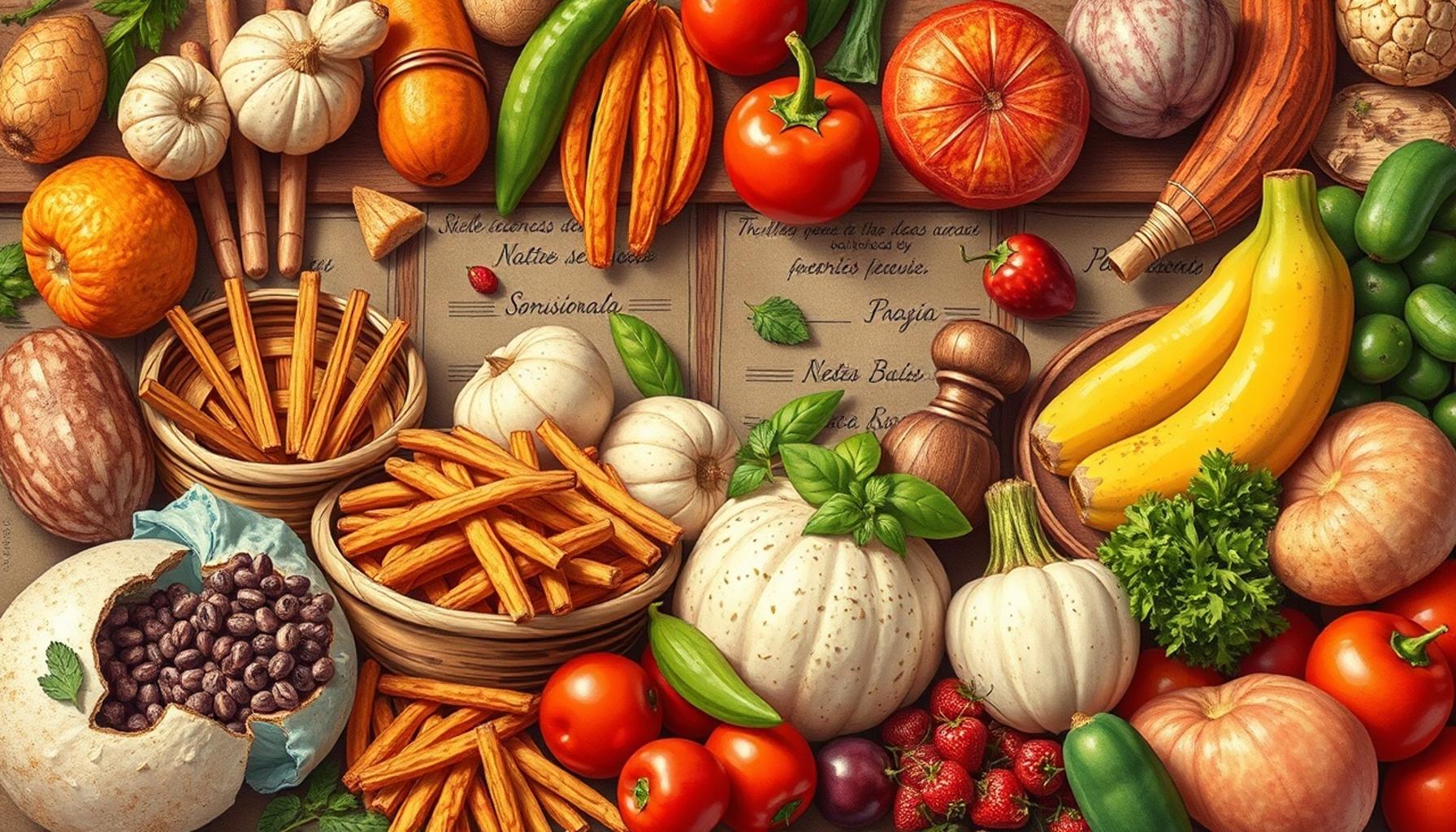
The Global Mosaic of Food
Food is much more than just sustenance; it is a reflection of cultural identity. The flavors, ingredients, and cooking techniques found in traditional recipes offer a glimpse into the rich tapestry of history and geography that shaped them. These culinary creations tell stories of migration, trade, and local resources, highlighting the unique attributes of different regions. Whether it’s the creole spices of New Orleans or the barbeque traditions of the American South, food is a narrative that connects generations and communities.
The Role of Geography
Geographic factors play a crucial role in defining the flavor profiles of traditional dishes. The interplay between climate, local ingredients, and terrain creates a distinctive culinary fingerprint for each area. Consider the following:
- Climate: Warm climates, such as those found in regions like Southern California or Florida, often favor spicy ingredients. The heat and humidity encourage the use of spices like chili peppers and fresh herbs, seen in dishes like ceviche or spicy fish tacos. In contrast, cooler regions, such as the Pacific Northwest, may emphasize hearty, comforting flavors, showcasing ingredients like salmon, root vegetables, and local mushrooms in robust dishes like chowders.
- Local Ingredients: The availability of certain plants and animals influences what can be harvested and cooked. For instance, the vast cornfields in the Midwest have led to a rich tradition of cornbread and other corn-based dishes, while coastal areas like New England utilize the bounty of the ocean, resulting in clam chowder and lobster rolls.
- Terrain: Coastal areas frequently feature seafood-heavy dishes, while inland regions often rely on grains and livestock. The varied geography of the United States contributes to this diversity, with Pacific coastal states heavily incorporating seafood while the Midwest capitalizes on its fertile plains for beef and grains, manifesting in dishes like pot roast or barbecue.
Cultural Influences and Historical Context
History also paints a fascinating picture of culinary evolution. The richness of a nation’s cuisine is often shaped by its past, where historical struggles and exchanges give rise to delightful culinary hybrids. Key factors include:
- Colonialism: The exchange of ingredients and cooking styles often leads to fusion cuisines. For example, the cultural mingling in the Caribbean resulted in a vibrant array of dishes that combine African, Spanish, and Indigenous influences, creating unique flavors evidenced in jerk chicken and rice and peas.
- Migrations: Waves of immigrants bring their culinary traditions, creating a mosaic of flavors. In American cities like Chicago and New York, the large influx of Italian immigrants transformed local pizza into a variety of styles, from the deep-dish of Chicago to the thin slices favored in New York.
- Trade Routes: Spices and herbs traded along historic paths significantly alter local cuisines. The Silk Road and other trade routes not only facilitated the distribution of spices but also introduced new cooking techniques, leading to the development of complex dishes like Indian curry or Middle Eastern pilaf.
Understanding these influences on traditional recipes invites readers to explore not just the food itself, but the stories and legacy behind every dish. Each plate is an invitation to journey through time and space, revealing the interconnectedness of cultures and peoples. Join us as we delve deeper into the fascinating intersection of history, geography, and flavor, and discover how every bite encompasses a world of experience.
DIVE DEEPER: Click here to discover saffron’s amazing recipes and benefits
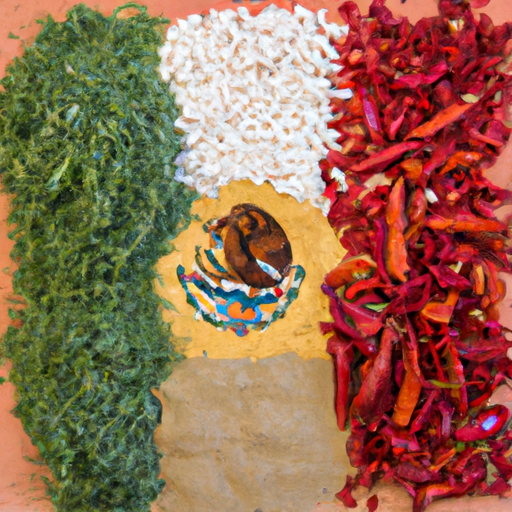
Geography’s Impact on Culinary Diversity
The geographical landscape of a region plays a pivotal role in shaping its traditional dishes. From the terrain to the climate, each aspect of geography contributes to a distinct flavor profile that is characteristic of the area. Understanding these geographical influences provides valuable insight into why certain ingredients and cooking methods prevail in specific cuisines. For instance, let us explore a few notable aspects:
- Climate: The climate of an area greatly influences what ingredients flourish. In the hot and humid areas of Louisiana, for example, Creole and Cajun cuisines leverage bold spices and peppers that thrive in such conditions. Dishes like gumbo and jambalaya showcase this unique integration of flavors. Conversely, the cooler climes of New England favor heartier foods; here, you’ll find local specialties such as baked beans and clam chowder, emphasizing the comforts of warming spices and rich broths.
- Soil and Agriculture: The quality of the soil and the types of agriculture practiced significantly affect local cuisines. The Midwest features fertile soil ideal for corn and wheat cultivation, fostering an array of dishes centered around these staples—think cornbread, polenta, and hearty cereals. Meanwhile, the coastal areas boast fresh seafood, cultivating traditions around fishing and shellfish that can be seen in dishes like fish tacos along the Pacific coast and crab cakes in the Chesapeake Bay region.
- Natural Resources: Regions rich in specific natural resources shape how food is prepared and enjoyed. In California, the agricultural abundance allows for fresh, vibrant flavors, as seen in standout dishes like avocado toast or farm-to-table salads. In contrast, areas lacking such diversity, like the arid Southwest, yield cuisine rooted in preservation techniques, thus giving rise to recipes featuring dried beans, roasted chiles, and spices, resulting in beloved dishes like enchiladas and posole.
These geographical factors underline how local environments dictate the flavors that emerge in traditional recipes. Yet, while geography plays a vital role, it is not the only influence shaping the cuisines we cherish. Just as local resources define what is available, the cultural and historical context surrounding food also creates rich culinary narratives. The movement of peoples and the exchange of ideas symbolize the meeting of different cultures, which further enhances the complexity of our culinary landscape.
The Intertwining of History and Flavor
Throughout history, significant events have contributed to the transformation of traditional recipes, often leading to what we recognize today as regionally distinctive cuisines. An essential point of consideration is:
- Colonization and Exploration: Historical patterns of colonization and trade have led to the incorporation of foreign ingredients and techniques. The spice trade, for instance, introduced a myriad of flavors to local cuisines, allowing for the development of different cooking styles. Dishes like biryani in Indian cuisine reflect this melding of influences, combining rice with a variety of spices that were once rare and sought after.
- Migration and Settlement: The journeys of immigrants often recreate the traditional flavors of their homelands. In American culinary history, the influx of Irish immigrants led to the popularization of dishes like corned beef and cabbage, evolving into a symbol of cultural heritage celebrated on St. Patrick’s Day. These evolving cultural narratives invite us to appreciate the richness derived from these historical connections.
- War and Conflict: Historical moments, such as wars and economic trade-offs, have also led to changes in food availability and preferences. Food rationing during wartime prompted innovative recipes that utilized what was readily available and inexpensive. This is evident in the adoption of dishes like meatloaf whose ingredients were often adaptable to fit the economic constraints of the era.
The combination of geographic conditions and historical context demonstrates that traditional recipes are more than just meals; they are the embodiment of shared experiences, creativity, and resilience. As we delve further into this homage to culture, we uncover how each dish carries the weight of its past, revealing a story that is not only about flavor but about the interconnections of local and global histories. Join us next as we explore specific examples of traditional recipes that exemplify these influences.
| Category | Details |
|---|---|
| Cultural Heritage | Traditional recipes often carry a rich tapestry of cultural stories and historical narratives that reflect the identity of a region. |
| Geographical Influence | The availability and characteristics of local ingredients, shaped by geography, heavily influence flavor profiles, leading to distinct culinary traditions. |
History and geography profoundly influence how traditional recipes evolve. For instance, the use of spices in Indian cuisine can be traced back to historical trade routes, such as the Silk Road, which introduced unique flavors and aromas from far-off lands. Each region tailored these spices according to local preferences, creating a symphony of flavors that are uniquely theirs.Similarly, geography plays a critical role in ingredient availability. Coastal regions often boast seafood-heavy dishes due to the abundance of fresh fish, while mountain areas may focus on preserved meats and root vegetables. The geographical landscape becomes a canvas for culinary creativity, where resources shape the traditional dishes handed down through generations.Moreover, migration patterns have caused culinary fusions where cultures meet, creating hybrid recipes that tell stories of adaptation and change. This fascinating interplay between history and geography not only enriches our plates but also invites us to explore the deeper connections within each bite. As we delve further into the exploration of traditional recipes, understanding these influences opens up a treasure trove of flavors that encapsulate the essence of a place and its people. Curious cooks and food enthusiasts can find inspiration in this rich heritage, encouraging further investigation into local culinary traditions.
DIVE DEEPER: Click here to uncover regional flavors</p
The Cultural Melting Pot of Cuisines
The vibrant tapestry of cuisine across the globe is often shaped by the intricate interplay of various cultural backgrounds. As populations ascribe meaning to their culinary practices, their traditional recipes evolve, reflecting the stories and experiences of their people. Different cultures intermingle through immigration, trade, and globalization, leading to the development of new flavor profiles and combinations. Here are some key elements shaped by these cultural influences:
- Fusion Foods: The United States serves as a prime example of culinary fusion, where the flavors of numerous cultures converge. The notion of *Tex-Mex* combines Texan and Mexican culinary traditions, resulting in dishes such as fajitas and chili con carne. This cultural amalgamation showcases the adaptation of ingredients and techniques that create uniquely American delights. Similarly, in cities like New York, the influence of Italian immigrants gave rise to pizza that has come to define American fast food, leading to regional variations that honor both Italian origins and local tastes.
- Religious Practices: Beliefs and religious practices have historically influenced dietary choices, and as these practices spread, so did the associated flavors. For instance, in the Jewish culinary tradition, dishes such as *latkes* and *matzo ball soup* not only serve as staples but also connect to rituals and celebrations. The presence of diverse religions within the U.S. has led to the rich adoption of varied culinary practices, as seen during the celebration of Ramadan, which includes an array of culturally infused recipes from countries around the world. These foods often represent not only sustenance but a way of preserving cultural identity through generations.
- Seasonal and Regional Celebrations: Annual festivals and regional celebrations highlight the flavors and ingredients indigenous to specific areas. For instance, the Southern U.S. is known for its *Thanksgiving* fare, which showcases locally grown produce such as sweet potatoes and pecans, melding family traditions with seasonality. Moreover, the New Orleans Mardi Gras, celebrated with king cakes and jambalaya, draws on local ingredients creating dishes steeped in historical significance. Such traditions symbolize the shared experiences of communities and the diverse flavors that arise as a collective expression of their heritage.
As we appreciate these cultural contributions, we begin to realize how traditional recipes serve as a mirror reflecting societal events and transformations over time. The spices used, the cooking methods chosen, and the stories told through food reveal deeper meanings that enrich our culinary narratives. This cultural intertwining not only highlights the unique characteristics of regional cuisines but also underscores a broader understanding of how people engage with food as a means of connection, identity, and expression.
Preservation of Culinary Heritage
While food adapts to the influences surrounding it, there exists a strong desire among communities to preserve specific culinary traditions. The importance of maintaining traditional flavors can be observed through various practices:
- Family Recipes: Passed down through generations, family recipes hold sentimental value while reflecting the historical context of a particular region. In some cultures, treasured cookbooks are the tangible links to ancestry, illustrating how culinary practices evolve while retaining original components. The method of preparing a dish, like *Nana’s potato salad,* among families is often a sacred ritual, fostering connection and ensuring heritage is not lost.
- Farmers’ Markets and Local Agriculture: Many communities emphasize sustainable practices by supporting local farms, thereby preserving the flavors of the region’s cuisine. Farmers’ markets serve as vibrant spaces where people gather to buy seasonal produce, fostering a direct connection between growers and consumers. This practice ensures that traditional flavors obtained through local farming are celebrated, providing a platform for local chefs to innovate while still honoring what has historically been grown in their area.
- Culinary Traditions Documented: The preservation of culinary heritage has gained traction in the age of digital documentation, where food bloggers and social media influencers narrate personal stories linked to recipes. Initiatives like Slow Food aim to protect traditional food production methods, championing the cause of preserving regional cuisines. This effort highlights the importance of maintaining culinary practices that reflect local histories, while also educating future generations about their culinary roots.
Through these elements, it becomes abundantly clear that the intricate weaving of cultural influences, historical events, and geographic conditions generates a rich and diverse culinary landscape. Traditional recipes act as vessels for storytelling, where every bite is steeped in significance and history, awaiting discovery by those willing to embrace these flavors.
DIVE DEEPER: Click here to embark on a culinary adventure
Final Thoughts on Culinary Influences
In conclusion, the influence of history and geography on the flavor profiles of traditional recipes is both profound and multifaceted. As we have explored, the intermingling of cultural traditions shapes our culinary experiences, giving rise to an array of flavors that tell the stories of diverse communities. From the fusion foods that characterize the American palate to the sacred rituals embedded in recipes passed down through generations, every dish carries with it a rich tapestry of historical significance and cultural identity.
Furthermore, the celebration of local ingredients through farmers’ markets and community-supported agriculture underscores the growing movement towards preserving the authentic flavors that define regional cuisines. The documentation and sharing of culinary heritage in the digital age not only enrich our understanding but also ensure that future generations inherit a legacy woven from the threads of their ancestors’ culinary practices.
Therefore, as we savor every bite of traditional recipes, let us acknowledge the deep-rooted connections between food, history, and geography that enrich our culinary narratives. Engaging with the stories behind our meals fosters a greater appreciation for the flavors that grace our tables today. By honoring these traditions while encouraging innovation through cultural exchange, we keep the essence of our culinary heritage alive, inviting future explorations and discoveries on our plate.