The Influence of Card Games on Mental Agility and Decision Making
The Cognitive Benefits of Engaging in Card Games
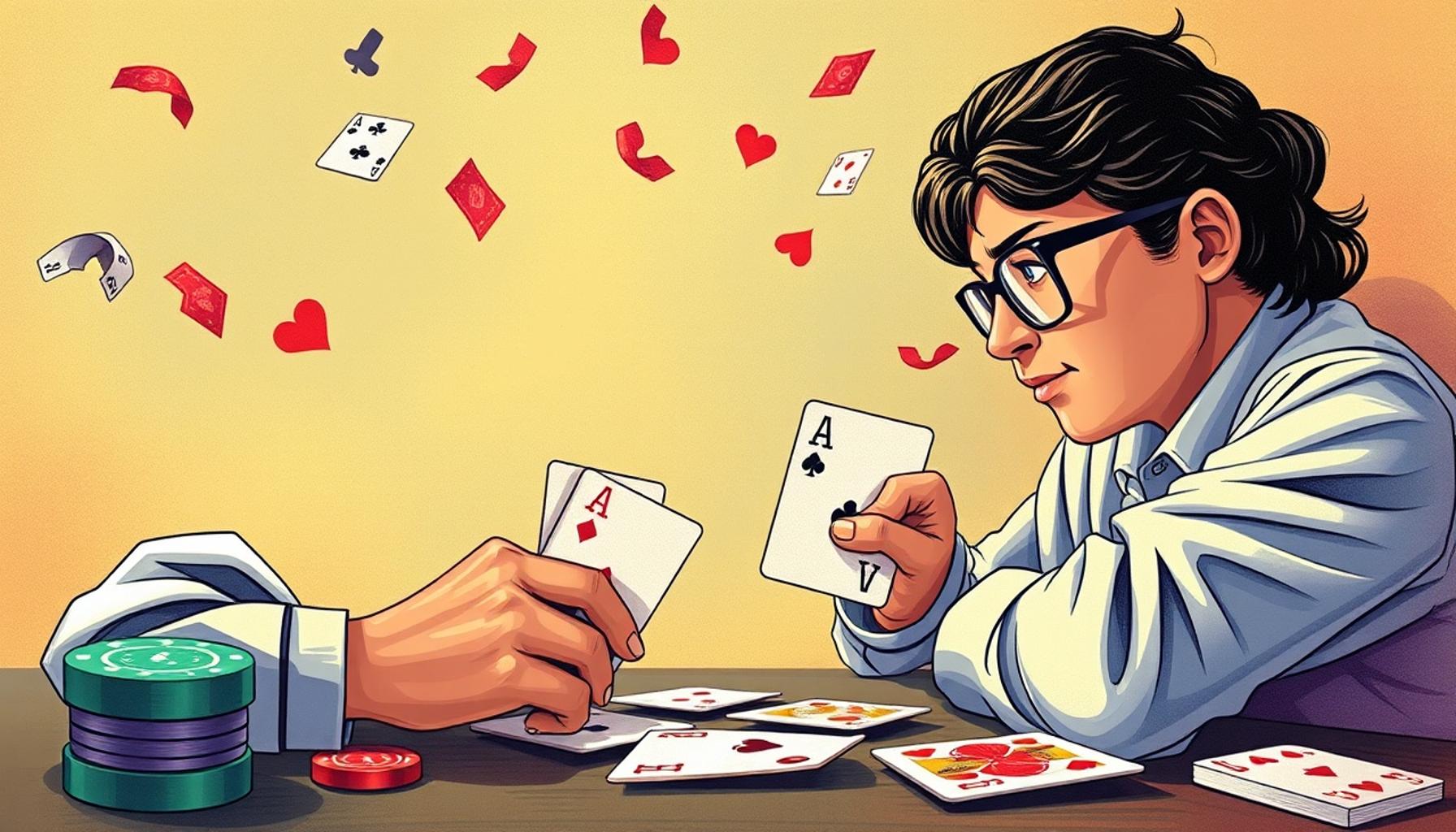
For centuries, card games have provided a unique form of entertainment that captivates players across all age groups. Beyond mere enjoyment, these games offer substantial benefits that enhance mental agility and strengthen decision-making skills. As intricate strategic activities, card games challenge individuals to exercise critical thinking and adapt quickly to unfolding scenarios, promoting an overall cognitive workout.
To further understand how this form of recreation contributes to cognitive functioning, let’s delve into several key factors:
- Problem Solving: Engaging in card games requires players to analyze various situations actively. For instance, a player in a game of bridge must continually assess the cards in hand, the bids made by opponents, and potential outcomes. This strategic decision-making process sharpens problem-solving skills, making players adept at formulating effective strategies under pressure.
- Memory Skills: Many card games involve keeping track of played cards and opponents’ actions, significantly enhancing memory. For example, in a game of poker, remembering which cards have already been revealed or the betting patterns of opponents is vital for success. This constant exercise of memory can lead to improved recall abilities in both personal and professional environments.
- Risk Assessment: Another important aspect is the capacity for risk assessment. Players must decide when to take calculated risks or play it safe, further honing their judgment skills. In blackjack, understanding when to “hit” or “stay” requires not only an understanding of the odds but also the ability to forecast the possible actions of others, thereby enhancing decision-making capabilities.
- Focus and Concentration: Maintaining a high level of concentration during gameplay is crucial. The ability to stay engaged in a game of tarot or even solitaire improves overall focus, which can be beneficial in various settings, from work to academics. Studies have shown that adults who regularly play card games exhibit better attention spans and focus in daily tasks.
Research supports the notion that consistent play can significantly lead to improvements in areas like critical thinking and emotional regulation. Whether engaging in a poker tournament at a local gaming hall or playing a friendly round of Crazy Eights at a family gathering, the cognitive enhancement derived from these activities is substantial.
In an age where digital devices dominate our entertainment choices, revisiting traditional card games offers a refreshing avenue for both enjoyment and intellectual growth. The mental benefits derived from these time-tested activities suggest that engaging with others over a deck of cards is not just recreational but also deeply enriching. For those seeking to combine fun with significant cognitive challenges, card games promise a rewarding experience that is both stimulating and beneficial for the mind.
DISCOVER MORE: Click here to learn about how puzzle-solving can enhance your memory
Key Skills Developed Through Card Gaming
As players delve into the realm of card games, they unwittingly engage in a rich tapestry of cognitive exercises that bolster mental agility and refine decision-making skills. This engagement is not just about competing for victory; it encompasses a suite of transferable skills that can significantly impact various aspects of life, especially in the fast-paced environments many encounter today.
One of the immediate benefits players derive from card games is the enhancement of their strategic thinking. Unlike many activities, card games demand that individuals plan several moves ahead, weighing potential scenarios. For example, in a game of Texas Hold’em poker, players must evaluate their current hand in relation to both visible community cards and their opponents’ potential hands. This level of strategy bolsters the ability to think critically, a skill essential in fields such as business, law, and even personal finance.
Furthermore, card games often emphasize adaptive thinking. As the game progresses, players face unforeseen changes that require them to adjust their strategies on the fly. In a game like Hearts, for instance, players may find themselves unexpectedly forced to change their tactics based on opponents’ actions. This adaptability translates well into everyday life, where circumstances can shift rapidly, requiring prompt and effective decision-making.
Another critical element that card games instill is the ability to anticipate others’ moves. Gamers frequently take into consideration their opponents’ behaviors, betting patterns, and known tendencies to make informed decisions. For instance, in Rummy, discerning whether an opponent is about to form a meld based on their actions and card draws involves a level of psychological insight that fosters better interpersonal skills both inside and outside the game. This skill can be particularly beneficial in negotiating situations, whether on a corporate level or in personal relationships.
Moreover, the mental math involved in many card games contributes significantly to cognitive development. Calculating odds, potential gains, and outcomes on the go sharpens mathematical skills, further enhancing analytical abilities. Players who frequently engage in games like blackjack must constantly assess probabilities to decide when to take risks, thus fostering a stronger numerical literacy that transcends the gaming table.
Lastly, the social aspect of card games also plays a crucial role in developing emotional intelligence. Communicating with fellow players, observing their cues, and managing both victory and defeat gracefully are essential parts of the experience. This interaction can improve empathy and emotional awareness, key components of effective leadership and teamwork in various settings.
As we explore the broader implications of these cognitive benefits, it’s essential to recognize that the effects of card games extend well beyond the gaming table. With consistent play, individuals can develop not just mental agility and decision-making skills, but also a profound connection with others through shared experiences, making card games a powerful tool for cognitive and social development.
The Influence of Card Games on Mental Agility and Decision Making
In recent years, the resurgence of various card games, from classic ones like poker and bridge to modern adaptations, has sparked a keen interest in their psychological benefits. These games are not just forms of entertainment but are recognized as powerful tools for enhancing mental agility and sharpening decision-making skills, which can translate into real-life scenarios. One key aspect of card games is their ability to foster strategic thinking. Players must constantly evaluate their hands, anticipate opponents’ moves, and adjust their strategies accordingly. This intricate mental dance requires players to engage in critical thinking and problem-solving, thus promoting cognitive flexibility. Studies have shown that engaging in activities that promote cognitive functions, such as card games, can enhance mental acuity, especially in older adults. Additionally, card games emphasize risk assessment and management. Players often face choices with high stakes, needing to make quick yet informed decisions. This practice can bolster one’s capacity to weigh options effectively and handle pressure—a vital skill in both personal and professional contexts. Furthermore, the social interaction inherent in playing card games can enhance emotional intelligence, as players learn to read their opponents and react in real-time, cultivating empathy and adaptability.To delve deeper into the multidimensional benefits of card games on cognitive skills, the following table highlights specific advantages and aspects related to the influence of these engaging activities.
| Advantage | Description |
|---|---|
| Strategic Thinking | Enhances cognitive flexibility and problem-solving. |
| Risk Management | Improves decision-making under pressure through real-time evaluations. |
By participating in card games, individuals can hone their mental faculties while enjoying the thrill of the game. This dual benefit highlights the importance of integrating card gaming into our leisure activities, particularly as we seek to navigate the complexities of modern life with enhanced mental acuity. The dynamic world of card games is ripe for exploration—one game at a time.
DISCOVER: Click here to learn how memory games can boost your concentration
The Psychological Dimensions of Card Gaming
While the cognitive benefits of card games are indeed compelling, the psychological dimensions of gameplay further amplify their impact on mental agility and decision-making skills. Engaging in card games requires players to not only strategize on a personal level but also to navigate the complex dynamics of group psychology, ultimately honing their ability to read situations and respond appropriately.
A notable aspect is the development of risk assessment. Card games often place players in scenarios where they must evaluate the probability of winning versus the potential consequences of their actions. For example, in a game of poker, players face continuous dilemmas about whether to increase their bets, fold, or go all in, all of which require weighing the risks against possible rewards. Such constant engagement with risk management can translate directly into real-world scenarios, aiding individuals in making more calculated and deliberate choices whether in investments, career moves, or personal endeavors.
Furthermore, patience and discipline are cultivated through gameplay. In many card games, acting impulsively can lead to detrimental outcomes, reshaping a player’s approach to patience and turn-taking. Games like bridge require players to wait for the right moment to play their hand, emphasizing the importance of timing in decision-making processes. This control over impulses and development of self-discipline can create a ripple effect, encouraging individuals to be more thoughtful and deliberate in their daily lives, from work projects to personal relationships.
Interestingly, card games also offer a unique platform for the study of decision fatigue. Research suggests that excessive choices can lead to poor decision-making. By participating in card games, players can learn to manage their decision-making processes more efficiently. For instance, games with frequent turns and multiple options can help players practice prioritizing their choices and compartmentalizing decisions rather than becoming overwhelmed by the abundance of possibilities—an invaluable skill in today’s information-rich environment.
Additionally, the potential for stress management through card gaming cannot be overlooked. Many card games involve high-stakes environments where emotions can run high. Players who encounter losses must learn to cope with disappointment and failure, skills that are essential in both competitive and collaborative environments. Games like blackjack highlight this phenomenon, where maintaining composure under pressure is crucial for success. Developing these skills can enhance overall mental resilience, allowing individuals to handle stress more effectively both at the gaming table and in their daily encounters.
Moreover, the rich culture surrounding card games in the United States, from friendly family gatherings to high-stakes tournaments, fosters community and connection. Players gain the ability to build relationships based on trust and mutual respect, learning the nuances of collaborative decision-making. This social interaction not only enhances emotional intelligence but also teaches players the importance of valuing others’ perspectives when making collective decisions, a skill that transcends the card table and enters broader social contexts.
In summary, the multifaceted nature of card games offers much more than mere entertainment. By participating in these engaging activities, players unlock a treasure trove of psychological benefits that further enhance their mental agility and decision-making capabilities, ultimately preparing them for challenges in various facets of life. The ongoing exploration of this interplay encourages deeper understanding and appreciation of how simple card games can shape profound cognitive and emotional skills.
DISCOVER MORE: Click here to learn how visual puzzles boost your brainpower
Conclusion: The Lasting Impact of Card Games
The exploration of card games reveals their significant role in enhancing mental agility and refining decision-making skills. Through intricate gameplay that challenges individuals to strategize, assess risks, and maintain emotional composure, these games offer a unique blend of cognitive exercise and psychological development. Whether playing a casual game of Uno with family or facing off in a high-stakes poker tournament, players consistently encounter situations that require critical thinking and adaptability.
Moreover, the skills cultivated through card gaming extend far beyond the table. As players develop patience, discipline, and the ability to manage decision fatigue, they are better equipped to navigate complex real-world scenarios, from professional dilemmas to personal relationships. The ability to remain calm under pressure, a skill honed through high-stakes games, is valuable in today’s fast-paced environment where stress is common.
In essence, the impact of card games is multifaceted, promoting not only cognitive and emotional resilience but also fostering social connections that enhance emotional intelligence. As players engage in these rich traditions, they not only boost their mental faculties but also cultivate community ties and mutual respect. The lessons learned from the card table echo throughout life’s challenges, offering a compelling case for the continued exploration and appreciation of this age-old pastime.
Ultimately, as we consider the future of decision-making, it becomes clear that card games are more than just recreational activities; they are powerful tools for personal growth and skill enhancement. Encouragingly, these benefits are accessible to anyone willing to learn and play, making card games a practical avenue for anyone seeking to sharpen their minds in a fun and engaging way.
Related posts:
How Strategy Games Enhance Planning and Forecasting Skills
Unveiling the Relationship Between Wordplay and Cognitive Creativity
How Puzzles Enhance Problem-Solving Skills in Adults
The Importance of Logic Games in the Development of Cognitive Skills in Children
Developing Logical Thinking Through Crossword Puzzles
The Role of Mathematics Games in Stimulating Analytical and Problem-Solving Skills

Linda Carter is a writer and puzzle expert specializing in mind games, brain teasers, and cognitive challenges. With extensive experience helping individuals enhance their problem-solving skills and think critically, Linda shares her knowledge on our platform. Her goal is to empower readers with practical advice, engaging puzzles, and strategies to sharpen their minds and achieve success in the captivating world of mind games and puzzles.