The Importance of Word Games in Preventing Cognitive Decline

Understanding Cognitive Decline
Cognitive decline is a pressing issue that affects millions, particularly as the Baby Boomer generation ages. According to the Alzheimer’s Association, more than 6 million people in the U.S. are living with Alzheimer’s disease, and this number is expected to rise significantly in the coming years. As such, promoting mental agility is critical not just for delaying the onset of cognitive diseases, but for enhancing overall quality of life.
The Role of Word Games
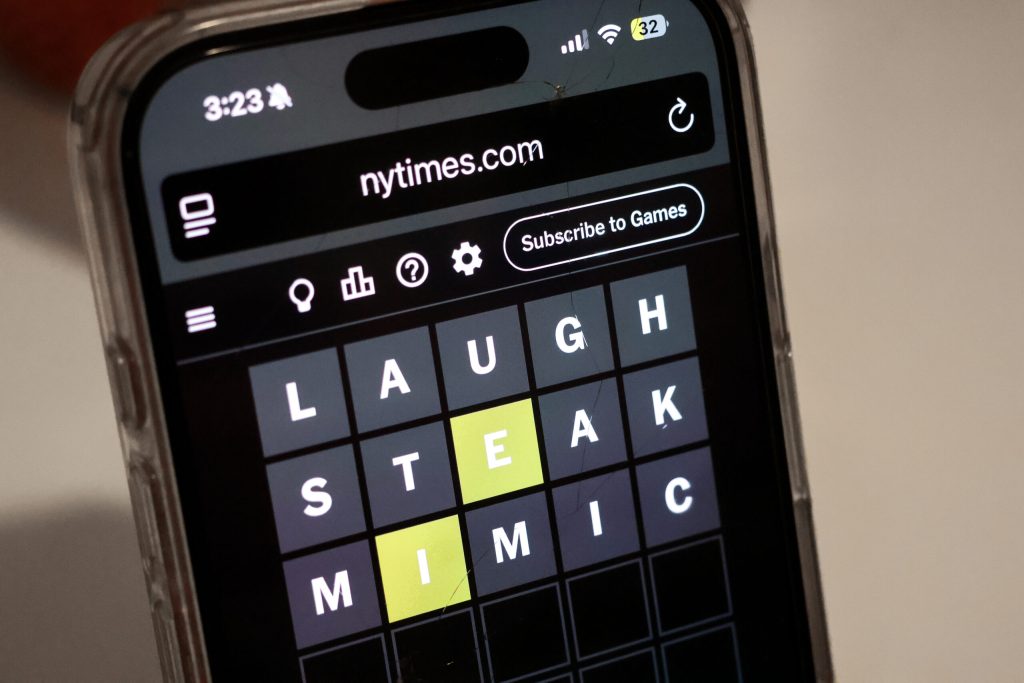
Engaging in word games offers a fun and interactive way to bolster mental faculties. While the entertainment aspect is apparent, these games serve a much deeper purpose. The array of cognitive benefits they offer can lead to noticeable improvements in mental capabilities.
Enhance Vocabulary
One of the primary advantages of playing word games is the enhancement of vocabulary. For instance, through word search puzzles or games like Scrabble, players often encounter unfamiliar terms and phrases. This exposure encourages individuals to learn and incorporate new words into their everyday conversations, fostering richer language skills.
Improve Memory
Memory retention is another critical benefit. As players attempt to recall the clues and previous solutions while working on a crossword puzzle, they actively engage memory pathways in the brain. This process helps to strengthen neural connections, potentially leading to improved overall memory performance. Research has shown that regular verbal games can combat forgetfulness and reinforce memory functions.
Boost Problem-Solving Skills
Moreover, tackling word puzzles requires strategic thinking and quick mental calculations. Players need to analyze various hint combinations and think critically about word placement, providing ample opportunities to enhance problem-solving skills. This analytical thinking is vital, especially in everyday situations, from making decisions to troubleshooting challenges.
Reduce Stress
In addition to cognitive benefits, word games offer a reprieve from daily stressors. Engaging in these activities allows players to divert their minds from anxiety, creating a zone for relaxation and mental escape. Many players proclaim that spending even a few minutes on their favorite word puzzle can dramatically boost their mood and reduce feelings of stress.
Accessibility of Word Games
The beauty of word games lies in their accessibility. Traditional formats such as newspapers and magazines offer crosswords that have been beloved for decades, while the digital age has birthed a plethora of mobile apps designed for on-the-go engagement. Platforms like ‘Words With Friends’ or ‘Wordscapes’ open up avenues for both casual players and more serious competitors, allowing them to challenge their skills against friends, family, or random opponents across the globe.
Conclusion
Incorporating word games into daily routines not only serves as a source of entertainment but also acts as a potent tool in the fight against cognitive decline. With a vast range of games available, there’s bound to be an option that appeals to everyone. As we strive to enhance our mental health and well-being, consistently engaging in these stimulating activities may just provide the cognitive boost that many seek.
DISCOVER MORE: Click here to learn how puzzles can boost your problem-solving skills
Unlocking Cognitive Benefits Through Word Games
As the prevalence of cognitive decline rises with age, finding engaging and effective strategies to counter these effects becomes paramount. One such method gaining attention is the simple yet profound act of playing word games. These games are not just a source of entertainment; they are cognitive exercises that promote brain health and perhaps even stave off the effects of aging on the mind.
Critical Thinking and Linguistic Skills
Word games require players to manipulate language and engage in critical thinking, effectively training the brain. Games such as Boggle, Wordle, and even classic hangman challenge players to think on their feet, improving linguistic agility and comprehension. According to a study published in the journal *Psychological Science*, individuals who engage regularly in word games show a measurable increase in their overall language skills, leading to enhanced communication abilities in both personal and professional contexts.
Social Interaction and Cognitive Function
Additionally, many word games foster social interaction, which is crucial for mental health as we age. Platforms like Scrabble and online multiplayer games allow players to challenge friends and family, creating a community-focused environment. This social engagement not only boosts moods but also enables cognitive stimulation through conversation and competition. A 2021 survey by the AARP found that 70% of older adults who play games with others report feeling mentally sharper, highlighting the dual benefits of brain exercise and social connectivity.
Neuroplasticity and Lifelong Learning
The concept of neuroplasticity—the brain’s ability to reorganize itself by forming new neural connections—plays a vital role in cognitive maintenance. Engaging in word games encourages continuous learning and helps to reinforce those newly formed pathways. Research by neuroscientists indicates that regular engagement in cognitive activities, such as word games, can lead to a decreased risk of dementia and Alzheimer’s disease. This means that every time someone picks up a crossword or tackles a word jumble, they’re not just having fun; they may be fortifying their mental future.
Benefits of Regular Engagement
Regularly incorporating word games into one’s routine presents numerous benefits that extend beyond mere enjoyment. Some of these include:
- Enhanced Cognitive Resilience: The brain develops greater resistance to cognitive decline.
- Sharpened Focus: Players enhance their ability to concentrate on tasks, a crucial skill in today’s distraction-heavy world.
- Increased Creativity: Word games encourage innovative thinking and the ability to make connections between different concepts.
By taking part in these enriching activities, individuals are not only enjoying their time but actively contributing to their cognitive longevity. The interplay of fun and functionality makes word games a vital tool in the quest for sustained mental health as we age.
The Social and Emotional Benefits of Word Games
Word games do more than just challenge our intellect; they also foster social interaction and emotional well-being. Engaging in word games with friends or family creates opportunities for robust conversations and shared experiences, which can enhance relationships and prevent feelings of loneliness or isolation. In fact, studies suggest that regular social interaction is vital for maintaining cognitive health, as it stimulates the brain and encourages mental agility.Moreover, word games encourage friendly competition. This dynamic can lead to increased motivation and engagement, crucial factors in cognitive stimulation. Playing games not only adds an element of fun but also helps in establishing a routine, which many psychologists advocate as beneficial for brain health. When individuals stay engaged with word games, they’re not just playing; they’re actively participating in a mental workout that can have long-lasting effects on cognitive function.
Cognitive Benefits of Playing Word Games
The cognitive benefits of word games extend to various areas of brain function. Regular participation in these games can improve vocabulary, enhance problem-solving skills, and increase attention span. Research indicates that individuals who frequently play word games may experience slower rates of cognitive decline. Games such as crosswords, Scrabble, and word searches compel players to think critically, utilize memory, and apply learned skills in practical settings.Additionally, word games have been linked to improvements in executive function, which encompasses planning, flexibility, and multitasking abilities. Given their challenging nature, players often find themselves strategizing and adapting their approaches—skills that translate into everyday life and various tasks. Engaging in such activities not only preserves brain function but also prepares it for novel challenges, creating a more resilient cognitive framework.
| Social Benefits | Cognitive Advantages |
|---|---|
| Enhances Relationships | Improves Vocabulary |
| Fosters Social Interaction | Boosts Problem-Solving Skills |
By appealing to both social and cognitive aspects, word games serve as a comprehensive means to combat cognitive decline, making their role pivotal in the pursuit of lifelong brain health. As more research unveils their benefits, incorporating these simple yet powerful games into daily routines can be a strategic approach to ensure a sharper mind well into old age.
DISCOVER MORE: Click here to dive into the world of crossword puzzles and enhance your logical thinking
Boosting Memory and Retention Through Word Games
One of the significant areas where word games can contribute to cognitive health is in memory enhancement. Various studies have shown that engaging in challenging activities like crossword puzzles, word searches, and anagrams can effectively stimulate different types of memory—short-term, long-term, and working memory. For instance, the American Academy of Neurology highlights that individuals who frequently participate in cognitively engaging activities may experience slower decline in memory function compared to their less engaged peers.
Memory Training and Retention Strategies
Word games require players to recall spellings, synonyms, and related terms, thereby exercising their memory. Research published in the journal *Neuropsychology Review* suggests that the active retrieval of information strengthens neural connections, making it easier to retain knowledge over time. Additionally, participants often develop innovative strategies for retaining words and their meanings, which can also translate to improved performance in other cognitive tasks.
Counteracting Isolation and Promoting Mental Agility
In a world where social isolation can significantly impact mental health, word games provide an excellent solution. Often played in groups, these games foster collaboration and competition, which keeps participants engaged while promoting vital cognitive skills. Moreover, players are required to be mentally agile, constantly adjusting their strategies based on opponents’ moves. This cognitive flexibility is crucial in a rapidly changing world, where adaptability and quick thinking are key.
Range of Game Types and Their Specific Benefits
The vast variety of word games available means players can choose formats that best suit their interests and cognitive goals. From traditional games like Scrabble to modern mobile applications like Words With Friends, each type offers unique advantages. For instance:
- Crossword Puzzles: These games enhance vocabulary and knowledge retention as they require players to connect clues with answers.
- Anagram Games: These stimulate problem-solving skills and promote lateral thinking, which is essential for mental agility.
- Word Searches: Useful for improving visual scanning and familiarity with word patterns, these games can hone attentiveness.
Furthermore, the competitive nature of some word games can spark motivation among players to continually challenge themselves, further enhancing their cognitive performance. The push to beat a high score or best a peer can lead to routine engagement that might not only be enjoyable but can also lay the groundwork for a healthier cognitive future.
The Role of Technology in Accessing Word Games
As technology advances, the accessibility of word games has notably increased. Many apps are now available that facilitate word game play anytime and anywhere, making it easier for individuals, especially seniors, to incorporate them into their daily routines. The ease of access to these digital platforms can act as a significant motivator, attracting individuals who may not have previously engaged in traditional games. Studies from the *Journal of Geriatric Psychology* show that technology-aided cognitive activities can support mental acuity more efficiently, providing immediate feedback and challenges tailored to the player’s skill level.
Word games glisten as a multifaceted tool for combating cognitive decline, bridging the gaps between memory retention, social interaction, mental agility, and technology. As efforts to maintain cognitive health grow increasingly urgent, the inclusion of word games in daily life seems to be a promising and enjoyable avenue to explore.
DISCOVER MORE: Click here to dive deeper
Conclusion: A Game Plan for Cognitive Wellness
In an age where mental acuity is a cherished asset, the significance of word games in preventing cognitive decline cannot be overstated. As we’ve explored, these engaging activities serve not only as a source of entertainment but also as a pivotal tool for brain health. By challenging players to enhance their memory, stimulate learning, and promote collaboration, word games effectively defend against the erosion of cognitive abilities.
The diversity of word games—from traditional options like Scrabble to modern mobile applications—allows individuals to tailor their engagement to fit personal interests and cognitive goals. Furthermore, the accessibility of digital platforms has made it even easier for people of all ages, particularly seniors, to integrate these stimulating activities into their daily routines. The American Academy of Neurology and various studies provide compelling evidence that those who engage in these stimulating pursuits exhibit slower rates of cognitive decline.
Beyond mere amusement, word games also foster social connections and create a sense of community, countering the isolating effects of modern life. This social engagement, combined with the cognitive benefits, creates a comprehensive approach to sustaining mental agility and enhancing quality of life.
As we move forward, prioritizing enjoyable cognitive challenges through word games can pave the way for a healthier, more resilient mind. So, whether you’re a seasoned player or a newcomer, consider making word games a staple in your routine. Your cognitive future may depend on it.
Related posts:
The influence of strategy games on decision-making and problem-solving
The importance of reasoning games in preventing cognitive decline
The impact of classic board games on the development of cognitive skills
How Logic Games Can Stimulate Creativity and Critical Thinking
The role of three-dimensional puzzles in the development of spatial perception
Exploring the relationship between digital puzzles and neuroplasticity

Linda Carter is a writer and puzzle expert specializing in mind games, brain teasers, and cognitive challenges. With extensive experience helping individuals enhance their problem-solving skills and think critically, Linda shares her knowledge on our platform. Her goal is to empower readers with practical advice, engaging puzzles, and strategies to sharpen their minds and achieve success in the captivating world of mind games and puzzles.