The Importance of Puzzles in Stimulating Creative Thinking

The Cognitive Benefits of Engaging with Puzzles
Puzzles serve as more than just a pastime; they are intricate exercises that can unlock the full potential of the human mind. In a rapidly evolving world where creative solutions are paramount, engaging with puzzles encourages individuals to think outside the box, fostering innovative ideas and approaches.
One of the most significant advantages of solving puzzles is the development of enhanced problem-solving skills. For instance, tackling a complex Sudoku puzzle encourages lateral thinking—an ability to approach problems from various angles rather than relying on conventional methods. The same principle applies when working on jigsaw puzzles, where figuring out where pieces fit requires spatial awareness and thoughtful analysis.
Another vital cognitive benefit is improved concentration. When immersed in a jigsaw or crossword puzzle, players must maintain a high level of focus to make progress. This concentration does not merely apply to the task at hand but also translates into daily life, improving overall attention spans and productivity during work or study sessions. Increasingly, studies have shown that individuals who regularly engage in such cognitive activities tend to be more attentive and less prone to distractions.
The act of remembering clues, patterns, or strategies is also fundamental in puzzle-solving, which leads to a boosted memory. This process enhances recall abilities and reinforces cognitive functions crucial for learning and retention of new information. For example, remembering where specific pieces of a puzzle fit can mirror the mental exercises involved in memorizing data in academic or professional settings.
Research indicates that continually solving puzzles can promote neuroplasticity, which refers to the brain’s remarkable ability to reorganize itself by forming new neural connections throughout life. This adaptability is essential for fostering creativity and developing new skill sets. Many artists and innovators have claimed that engaging with puzzles has sparked ideas that led to groundbreaking creative works, underscoring the emotional and intellectual satisfaction that comes from overcoming challenges.
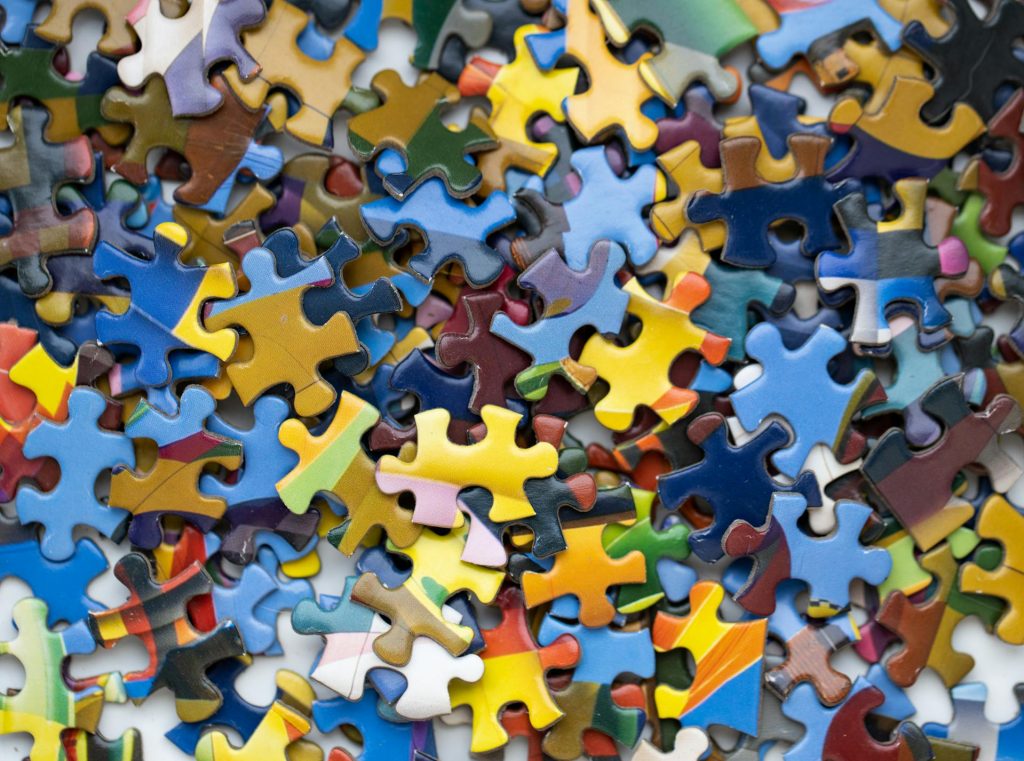
In an era where creativity is a driving force behind advancements in technology, design, and the arts, understanding how puzzles can enhance cognitive processes is more important than ever. As you explore the myriad ways these engaging activities can contribute to unlocking our potential, consider trying out different types of puzzles—from logic games to visual challenges—to discover which ones ignite your creative spark. The insights and skills developed through this playful engagement can lead to significant improvements in both professional and personal realms, paving the way for innovative breakthroughs.
DIVE DEEPER: Click here to discover how cognitive challenges can enhance your memory
Puzzles as Catalysts for Creative Expression
The transformative power of puzzles extends beyond mere entertainment; they are tools for igniting creativity and fostering original thought. As individuals engage with various types of puzzles, they experience a unique blend of entertainment and intellectual challenge that actively stimulates their minds. This engagement is crucial in a world where creative thinking is a key differentiator in problem-solving and innovation.
One standout benefit of puzzles is their ability to encourage divergent thinking. Divergent thinking involves generating multiple unique solutions to a problem, a skill that is essential in creative fields such as advertising, design, and technology. For instance, when faced with a difficult crossword clue, solvers must consider synonyms, wordplay, and contextual clues simultaneously, which mirrors the complex thought processes required for creative ideation. Engaging with various puzzles can help individuals expand their thought patterns and explore new ways to approach challenges.
Building a Creative Mindset Through Puzzle Types
Different types of puzzles can enhance specific aspects of creative thinking. Here are several examples of how they contribute to cognitive growth:
- Logic Puzzles: These riddles and brain teasers require careful reasoning and deduction. By challenging the mind to connect dots in seemingly unrelated ways, logic puzzles bolster critical thinking skills.
- Jigsaw Puzzles: Assembling a jigsaw puzzle improves visual-spatial skills. The need to envision how different pieces can fit together encourages creative visualization and spatial reasoning, which are vital in many occupations.
- Word Searches: Word puzzles can improve diversity in vocabulary and language usage; they encourage both language skills and creative expression through word play and associations.
- Escape Room Challenges: These immersive experiences not only offer real-time problem-solving but also demand teamwork and collaboration. Participants harness collective creativity to outsmart intricate puzzles, promoting social interaction and brainstorming.
Engaging regularly with these puzzles can create a habit of thinking creatively and flexibly. As solvers learn to approach challenges with an open mind, they become more adept at devising innovative solutions in their everyday lives, whether at work, school, or personal projects. This continual practice of exploration and creativity is essential for personal growth, as it translates directly into enhanced adaptability and resilience.
The integration of puzzles into daily routines can significantly shift an individual’s cognitive framework. Over time, the consistent engagement with puzzles establishes a foundation for creative thinking that spills over into various aspects of life, ultimately fostering a cycle of innovation and creativity. As the demand for creative thinkers continues to rise in industries across the board, the importance of cultivating these skills cannot be overstated. It is time to embrace puzzles not just as leisure activities, but as essential stepping stones toward unlocking our creative potential.
The Importance of Puzzles in Stimulating Creative Thinking
Puzzles have long been recognized not just as a form of entertainment but as vital tools in enhancing creative thinking. Engaging with puzzles can lead to improved cognitive abilities, making them essential in educational and professional environments alike. Research shows that regularly solving puzzles can help boost memory, expand mental agility, and promote innovative thinking by challenging the brain to think outside conventional patterns.
| Category | Description |
|---|---|
| Cognitive Development | Enhances critical thinking and problem-solving skills. |
| Stress Relief | Provides a therapeutic break from daily stressors, promoting mental health. |
Furthermore, puzzles enhance teamwork and communication skills when approached collaboratively. Working together on complex challenges fosters a shared sense of accomplishment and encourages the exchange of ideas. This interaction is crucial for developing a collaborative mindset, which is invaluable in today’s increasingly interconnected workplaces. As you delve deeper into the benefits of puzzles in stimulating creative thinking, you’ll uncover not only how they challenge the brain but also how they inspire innovative solutions and unorthodox approaches to everyday challenges.
DISCOVER MORE: Click here to dive deeper
The Neurocognitive Benefits of Puzzles for Creative Development
Exploring puzzles is not only an enjoyable pastime but it serves as a dynamic stimulus for our brain’s cognitive functions. As we dive deeper into the world of puzzles, we uncover significant neurocognitive benefits that support and bolster creative thinking. Engaging in puzzles can strengthen neural connections, leading to improved problem-solving capabilities and broader creative potential.
Research indicates that participation in puzzle-solving activities increases brain plasticity. This means that engaging with puzzles can lead to the brain forming new neural pathways, enhancing overall cognitive flexibility. Studies have shown that activities which challenge the brain, including puzzles like Sudoku and crosswords, can elevate one’s ability to think abstractly and apply solutions creatively in real-world situations. As the brain gets accustomed to processing information in unique ways, it becomes better equipped to generate innovative ideas across various contexts.
Puzzles and Stress Relief: Fostering a Creative Environment
Moreover, engaging in puzzles can provide essential stress relief. In a world defined by fast-paced demands, stress often constrains our ability to think creatively. The act of solving puzzles encourages a state of flow— a psychological phenomenon where an individual becomes fully immersed in a task. This state can help dissolve worries, resulting in improved focus and increased mental clarity. For instance, research led by psychologist Mihaly Csikszentmihalyi highlights that individuals immersed in flow are more likely to exhibit heightened creativity and productivity.
Furthermore, puzzles cultivate an environment conducive to collaboration and communication, particularly in group settings. Educational institutions and workplaces that incorporate puzzle-solving activities often report increased teamwork and creative collaboration among participants. Activities such as group logic games or team-building jigsaw challenges require individuals to share ideas, strategize, and adapt collectively. This camaraderie not only builds stronger interpersonal relationships but also enhances the creative output of the group by merging different perspectives.
The Role of Technology in Puzzle Engagement
The integration of technology has also transformed how we engage with puzzles. Digital puzzles, ranging from interactive apps to sophisticated gaming platforms, offer immersive experiences that can further simulate complex problem-solving scenarios. These platforms often incorporate elements of competition and cooperative challenges that encourage critical engagement and foster a spirit of creativity. With puzzles available at our fingertips via smartphones and tablets, individuals are more likely to integrate brainstorming and cognitive exercises into their daily routines.
Interestingly, incorporating puzzle-solving into educational curricula has shown promising results in enhancing students’ overall creative abilities. Schools that promote logic games and puzzle challenges often see a notable increase in student engagement and academic performance. According to statistics from the National Association for Gifted Children, classrooms that incorporate creative thinking exercises, including puzzles, witness significant enhancements in students’ problem-solving skills and motivation to learn.
As society increasingly values creativity, the role of puzzles as facilitators of original thought becomes undeniable. By embracing the multifaceted benefits of puzzle-solving—from enhancing neurological functions to crafting collaborative creative environments—we stand to gain not just as individuals, but as part of a collective striving for innovation. Engaging with puzzles can act as a stepping stone in unlocking our full creative potential, introducing fresh perspectives that inspire and invigorate both personal and professional pathways.
DON’T MISS: Click here to learn why reasoning games matter
Conclusion
In summary, the significance of puzzles in stimulating creative thinking cannot be overstated. Through the enhancement of neurocognitive functions, puzzles encourage novel thinking, promoting a greater capacity for problem-solving and innovative idea generation. The act of engaging with puzzles not only fosters brain plasticity but also invites individuals to experience a meditative state of flow, essential for effective creativity. Furthermore, as seen in educational settings and workplaces, the collaborative nature of solving puzzles enriches communication and teamwork, further widening the scope for creativity.
The advent of technology has vastly expanded our access to puzzles, providing diverse platforms that blend entertainment with cognitive challenges. With apps and online games at our fingertips, people can seamlessly integrate stimulating mental exercises into their daily routines. The measurable benefits observed in students’ academic performance and motivation further affirm the role of puzzles as a catalyst for creative development.
As we navigate an increasingly complex societal landscape, embracing activities that cultivate our creative faculties becomes crucial. Puzzles offer an engaging and effective way to stimulate our minds, helping to unlock our full creative potential. By making puzzle-solving a regular part of our lives, we not only enhance our cognitive abilities but also contribute to a broader culture of innovation and resourcefulness. The intersection of recreation and mental challenge that puzzles provide stands as a powerful means of nurturing creativity for future generations.
Related posts:
The Intersection Between Strategy Games and Creativity: A Case Study
The Psychology of Play: How Cognitive Challenges Influence Creative Thinking
Unraveling Enigmas: How Solving Puzzles Stimulates Original Thinking
The Influence of Board Games on Creativity and Problem Solving
Building Narratives: The Role of Logic Games in Expanding Imagination
Improvisation Games: Stimulating Creativity Through Social Interaction

Linda Carter is a writer and puzzle expert specializing in mind games, brain teasers, and cognitive challenges. With extensive experience helping individuals enhance their problem-solving skills and think critically, Linda shares her knowledge on our platform. Her goal is to empower readers with practical advice, engaging puzzles, and strategies to sharpen their minds and achieve success in the captivating world of mind games and puzzles.