
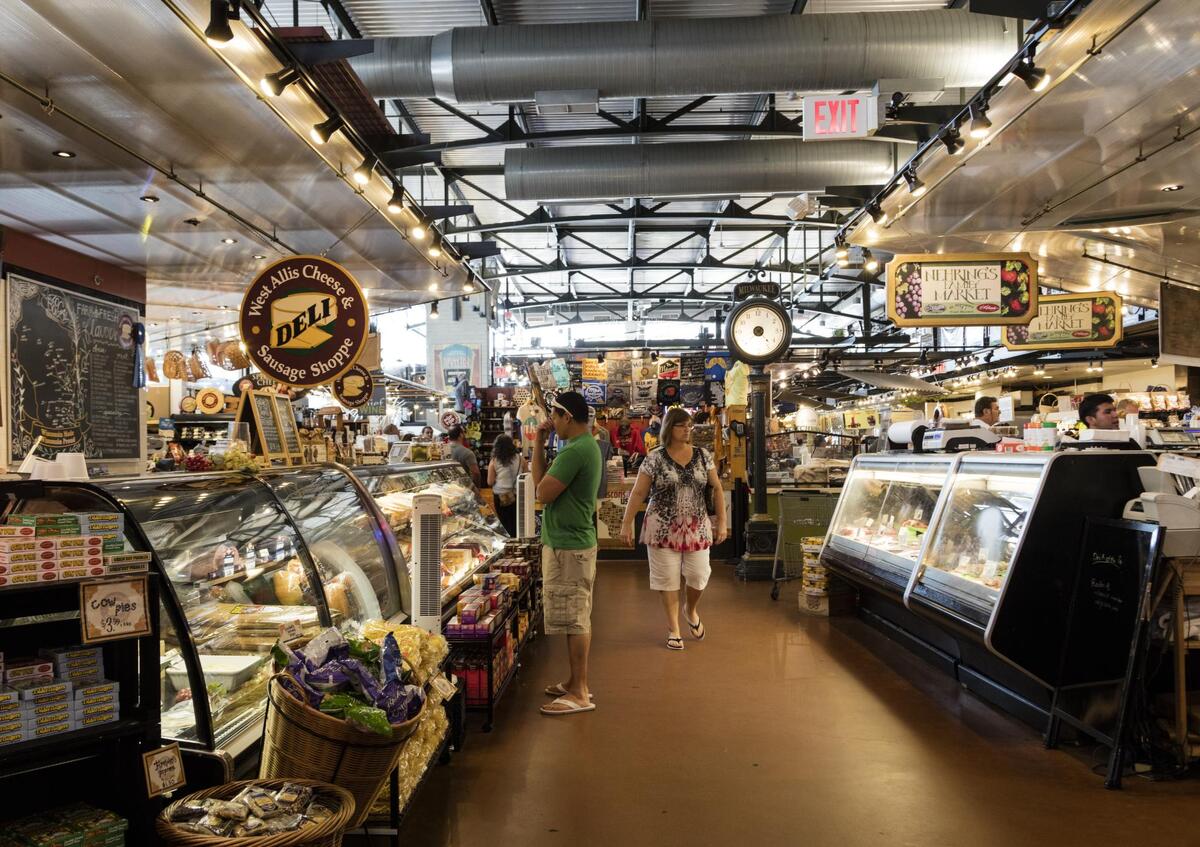
Diving into the Heart of Local Markets
Local markets have increasingly taken center stage as centers of culinary exploration and cultural exchange, attracting food lovers, families, and curious travelers alike. These markets offer a unique platform to delve into traditional flavors that have been overshadowed by the modern conveniences of supermarkets and fast-food chains. Each stall brimming with fresh produce, handmade goods, and local delicacies tells a story and serves as a vital link connecting communities to their culinary past.
One of the key reasons for the importance of local markets lies in their diverse offerings. For instance, a visit to a farmer’s market in California’s Central Valley might reveal vibrant heirloom tomatoes that are packed with flavor and history, often varieties that have been cultivated for generations. Meanwhile, New Orleans’ French Market showcases rich cultural influences, providing everything from authentic gumbo to handmade pralines, thus preserving the city’s unique culinary heritage. This diversity not only caters to a wide range of tastes but also emphasizes the characteristics of the region’s agricultural identity, allowing consumers to make informed choices while celebrating local produce.
Furthermore, local markets promote community engagement by creating avenues for interaction among local farmers, artisans, and consumers. This human connection can be seen in the bustling atmosphere of markets, where shoppers often exchange recipes or share cooking tips with vendors. For example, at New York City’s Union Square Greenmarket, one might find passionate farmers discussing their organic practices with interested consumers, fostering a bond that encourages loyalty and support for local agriculture. Such interactions cultivate a sense of belonging and community awareness, bridging generational gaps and connecting individuals through shared culinary experiences.
Local markets also hold deep cultural significance, serving to preserve and celebrate distinct culinary traditions that are essential to various ethnic identities across the United States. For instance, the Asian Night Market in Los Angeles allows visitors to experience the rich tapestry of Asian cuisine, featuring everything from traditional pho to unique fusion dishes. Such cultural gatherings not only promote the flavors of a specific group but also invite others to engage with and appreciate these culinary stories. By maintaining these cultures alive through food, local markets ensure that upcoming generations can understand and appreciate their heritage.
As we navigate the evolving gastronomic landscape, it is crucial to recognize how local markets are nurturing the resurrection of flavors long forgotten while also contributing to the sustainability of local economies and ecosystems. By supporting small farmers and artisans, these markets help ensure that agricultural practices are environmentally friendly and beneficial to the local community. So, next time you find yourself in a bustling local market, take a moment to appreciate the rich connections, diverse flavors, and cultural narratives that each vendor brings to the table. With every bite, you are not only savoring a dish but also participating in the preservation of a community’s culinary identity.
DIVE DEEPER: Click here to discover saffron’s amazing potential
Unearthing Rich Flavors Through Local Producers
Local markets serve not only as commercial hubs but also as vital platforms that preserve and promote traditional flavors by prioritizing local producers. When consumers opt to purchase from these markets, they are often supporting farmers and artisans who have honed their craft over generations. This direct connection between producers and consumers fosters a shared appreciation for the unique flavors that arise from local practices and environments.
Consider the benefits of purchasing local produce that are often featured in farmers’ markets across the United States. These markets typically boast a variety of offerings, including:
- Seasonal fruits and vegetables: Picking fresh strawberries in June or savoring sweet corn in August enhances the eating experience with peak flavor.
- Crafted goods: From artisanal cheeses to small-batch jams, local artisans bring passion and craftsmanship to their products, often using recipes passed down through generations.
- Herbs and spices: Locally sourced herbs not only enrich flavor but also introduce shoppers to distinctive regional dishes, drawing from the indigenous knowledge of flavor combinations.
In addition to encouraging local production, these markets play a crucial role in enhancing food security. By sourcing food locally, communities reduce their reliance on mass-produced commodities that often travel thousands of miles. This shift not only supports the local economy but also lessens environmental footprints associated with transportation and packaging. According to the USDA, local food systems are an important part of the U.S. agricultural economy, accounting for approximately $20 billion in sales annually.
Moreover, seasonality is a hallmark of local markets. This concept is important as it ties the availability of food to specific times of the year, which inherently fosters a deeper relationship between consumers and the earth’s cycles. For instance, the menu at a local eatery might highlight dishes made with ingredients that are currently in season, allowing customers to appreciate the diverse palette that nature generously provides throughout the year. This local seasonal eating also motivates consumers to experiment with flavors and recipes, encouraging a vibrant culinary culture.
As you begin to connect the dots between traditional flavors and local markets, it becomes evident how significant these spaces are for preserving history while promoting sustainability. Each product at a local market holds within it a narrative of the land, the labor, and the lineage that contributed to its creation. Therefore, embracing local markets can be seen not just as a shopping choice, but as a conscious decision to honor and uphold a community’s culinary heritage.
The Role of Local Markets in Culinary Diversity
Local markets serve as vibrant hubs for the exchange of traditional flavors, offering unique culinary experiences that reflect the heritage of a community. These markets not only facilitate the sale of fresh, locally-sourced products but also play a vital role in maintaining the cultural identity of a region. By bringing together local farmers, artisans, and consumers, they foster a strong connection to the land, ensuring that traditional practices and recipes are passed down through generations. In many cultures, food is an integral part of identity. Local markets often feature artisanal goods that embody ancestral recipes, providing a platform for chefs and home cooks alike to explore the depth of their culinary roots. For example, the resurgence of interest in heirloom varieties of fruits and vegetables can be traced back to local markets where these products are celebrated and preserved. Furthermore, the emphasis on local ingredients supports *sustainable agricultural practices*, reducing the carbon footprint associated with transporting food over long distances. Local markets encourage consumers to prioritize seasonal produce, which not only boosts the local economy but also lessens the environmental impact of food production. By embracing this practice, communities can ensure that traditional flavors remain available for future generations to enjoy.The cultural exchange that occurs within local markets also promotes culinary innovation. As diverse groups come together, they blend traditional techniques with new flavors and concepts, resulting in unique culinary creations. This fusion not only enriches the local food scene but also helps to preserve the stories behind traditional dishes, ensuring they are not lost in the fast pace of modern life.Local markets are more than just places to buy ingredients; they are the heart of a community’s food culture, empowering individuals to value and cherish their culinary heritage. Through supporting these markets, consumers can play an active role in preserving the authenticity of traditional flavors, making every visit an opportunity to connect with the past while savoring the present.
| Advantages | Description |
|---|---|
| Cultural Preservation | Local markets help keep traditional recipes and food practices alive. |
| Economic Support | Buying from local vendors strengthens the local economy and community. |
DIVE DEEPER: Click here to discover the delicious impact of migration on culinary diversity
Breeding Grounds for Culinary Innovation
In addition to celebrating the flavors of the past, local markets serve as breeding grounds for culinary innovation, allowing chefs and home cooks alike to experiment with fresh ingredients that embody regional character. These markets not only showcase familiar flavors, but they also inspire a new generation of food enthusiasts to merge traditions with contemporary techniques. The accessibility of diverse ingredients allows for recipes that reflect local identities while adapting to modern tastes.
Take, for instance, the rise of farm-to-table restaurants across the country. Chefs often visit local markets to handpick seasonal produce, which then informs their culinary creations. This connection elevates meal experiences, enticing diners with the knowledge that their food has directly connected roots to the land they inhabit. Dishes inspired by local markets not only honor traditional flavors but also offer a fresh perspective on how food can evolve in response to current trends and tastes.
Moreover, local markets serve as hubs for culinary education. Workshops and cooking demonstrations held at these venues encourage shoppers to engage with their food on a deeper level. These activities often focus on traditional recipes and preparation techniques, emphasizing the significance of community knowledge and cultural heritage. Visitors learn not only how to cook with seasonal ingredients but also the stories behind the dishes, fostering a sense of pride and continuity within the community. Events like ingredient tastings or cooking contests can spark curiosity and inspire experiments in home kitchens, propelling the next generation of cooks to keep traditional flavors alive.
The impact of local markets extends beyond just personal culinary experiences; they contribute to the local economy as well. According to a report by the Farmers Market Coalition, communities with active farmers’ markets experience economic benefits that ripple through both the micro- and macro-levels. These markets support small-scale farmers, which in turn helps maintain farmland and agricultural diversity. Preserving farmland is crucial, as it allows for continued production of traditional crops that are essential to regional cuisines.
Additionally, local markets often showcase unique products that are intrinsic to a specific area, such as Barbecue sauce in Kansas City or clam chowder in New England. These iconic flavors serve as cultural touchstones that connect a community to its agricultural history and unique culinary practices. As residents share and exchange these goods, they help create a living tapestry of tradition that can evolve without losing its authenticity.
Furthermore, the emergence of local markets has spurred interest in heritage crops, which are traditionally grown varieties known for their distinct flavors and superior qualities. Farmers are increasingly cultivating heirloom tomatoes, ancient grains, and forgotten varieties of beans that offer flavors often lost in commercial agriculture. Local markets act as a platform for these farmers, allowing them to educate consumers about the importance of biodiversity in food systems and the rich flavors that come from restoring traditional practices.
By investing time and resources in these markets, consumers actively participate in a movement that not only sustains local economies but also champions a culinary identity that is rich in history and taste. Their support ensures that the stories, flavors, and artisans behind each product continue to thrive, creating a vibrant tapestry of culinary heritage that speaks to the diverse palates of the United States.
DISCOVER MORE: Click here to dive deeper
Conclusion: A Taste of Tradition in Local Markets
The essence of traditional flavors thrives in the heart of local markets, where community connection and culinary diversity converge. As we’ve explored, these vibrant hubs are indispensable in not only nurturing the continuation of age-old recipes but also in fostering culinary innovation that respects tradition while inviting new creativity. The synergy between local farmers and chefs enriches the dining experience, creating memorable meals rooted in their geographic history.
The role of local markets transcends mere commerce; they are platforms for cultural education and engagement. By participating in workshops and tastings, consumers deepen their understanding of the food they consume, embracing the narratives and traditions that underlie each dish. This knowledge empowers individuals to make informed choices and supports the ethos of sustainable eating.
Moreover, local markets directly bolster the local economy, ensuring that small-scale farmers can thrive while preserving the farmland crucial for producing staple crops. This dynamic not only maintains agricultural biodiversity but also champions unique regional products that define local identities, such as the beloved Georgia peach or Texas chili.
In essence, local markets encapsulate a living mosaic of our culinary heritage, inviting everyone to partake in the celebration of flavors that define our communities. By prioritizing these markets, we actively contribute to a future where traditional flavors not only survive but flourish, ensuring that future generations can savor the rich tapestries of taste that have shaped our collective gastronomic story. The journey through local markets is more than shopping for groceries; it is an exploration of history, culture, and the profound connections that bind us through food.