
The Culinary Odyssey Shaped by Globalization
In today’s interconnected world, the food we consume is more than mere sustenance; it represents a tapestry woven from diverse cultural threads. As globalization influences culinary practices, the way we prepare and appreciate food is profoundly transformed, inviting us to examine the delicate balance between cherished traditions and contemporary innovation.
Global events, migration, and the rise of technology have radically redefined our palates and cooking methods. A prime example of this transformation is the rise of fusion cuisine. Chefs everywhere are taking the core elements of their regional dishes and reimagining them by incorporating flavors and techniques from other cultures. Consider a dish like Korean tacos, where traditional Korean marinated beef is tucked into a taco shell, blending Mexican and Korean culinary traditions to create a unique dining experience. This fascinating fusion often reflects the melting pot of modern cities, where cultural interactions inspire gastronomic creativity.
Additionally, globalization has opened doors to a vast array of international ingredients. Whereas local markets once offered a limited selection of herbs and spices, today’s store shelves in the United States are brimming with products from around the globe. From the fragrant turmeric of South Asia to the rich umami of Japanese miso or the tangy zest of Peruvian ají, home cooks and professional chefs alike can experiment with flavors that were once inaccessible. This access to global ingredients has empowered a new level of culinary exploration, resulting in bold creations that honor diverse heritages while pushing the boundaries of traditional cuisine.
The phenomenon of culinary travel also plays a crucial role in this evolution. Chefs are increasingly journeying to different parts of the world, experiencing firsthand the customs and cooking methods of distant cultures. Upon returning, they often reinterpret these techniques to reflect their own culinary identities. For example, a chef who studies traditional Italian pasta-making may incorporate non-traditional ingredients or local influences, ultimately creating a dish that embodies a blend of cultures while still respecting its roots.
However, this culinary revolution brings forth important questions about authenticity, sustainability, and cultural identity. While globalization fosters a rich exchange of ideas, it simultaneously poses challenges—most notably, whether the distinct flavors of regional cuisines can withstand the homogenized nature of global culinary trends. Will heritage dishes continue to thrive, or will they become obscured in a vast sea of culinary sameness?
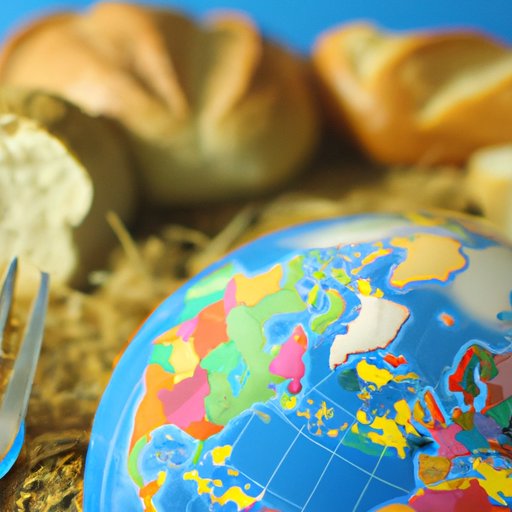
As we delve deeper into the ramifications of globalization on regional culinary techniques, we embark on an expedition to uncover the dynamic interplay of tradition and innovation in our global kitchen. This journey not only highlights the adaptability of ancient methods but also invites us to celebrate the culinary landscape that emerges, reflecting both the profound influence of heritage and the exciting possibilities of modern gastronomic creativity.
DIVE DEEPER: Click here to learn more
The Blending of Culinary Heritage and Innovation
The intersection of globalization and regional culinary techniques reveals a fascinating dynamic where traditional practices are both celebrated and challenged. One of the most compelling facets of this phenomenon is the emergence of culinary hybridity, which showcases how local cooking practices have been reinterpreted through the lens of global influences. As chefs and home cooks alike embrace this approach, they create dishes that not only delight the palate but also provoke meaningful conversations about authenticity and cultural exchange.
Fundamentally, the accelerating pace of culinary globalization has transformed how regional cuisines are perceived and prepared. The blend of flavor profiles, techniques, and presentation styles has given rise to memorable dishes that embody a fusion of cultures. This shift enhances not only the dining experience but also the communal aspects of food, often bringing together diverse audiences to savor these innovative creations. For instance, consider how the Italian classic pizza has been adapted across the United States, with toppings ranging from barbecue chicken to vegan alternatives, reflecting the local tastes while still paying homage to its Neapolitan roots.
Moreover, globalization has contributed to the sharing of culinary knowledge in unprecedented ways. The availability of cooking shows, online tutorials, and social media platforms has made it easier for food enthusiasts to access recipes and cooking techniques from every corner of the globe. This democratization of culinary knowledge empowers individuals to try their hand at international dishes, regardless of their geographical location. As a result, many households in America are now incorporating spices from Indian curries or techniques from Japanese sushi-making, reflecting an evolving palate shaped by global culinary movements.
As we explore the impact of globalization on regional culinary techniques, we can identify several key trends that highlight this transformation:
- Influence of Celebrity Chefs: The rise of celebrity chefs, who often fuse diverse culinary styles, has contributed greatly to the popularity of fusion cuisine. Their restaurants and media presence introduce audiences to innovative combinations that reflect the melting pot of global cultures.
- Food Festivals and Culinary Events: Many cities host food festivals that celebrate international cuisines. These events not only showcase authentic regional dishes but also highlight creative fusions that arise when different culinary heritages intersect.
- Nutrition and Sustainability Concerns: As the demand for fresh and locally-sourced ingredients grows, chefs are increasingly combining traditional recipes with modern nutritional insights, promoting dishes that are both delightful and health-conscious.
While the blending of culinary techniques has opened up new avenues for creativity, it is essential to recognize and honor the origins of these practices. While chefs experiment and innovate, they often find themselves at a pivotal crossroads between celebrating their heritage and adapting to the influence of the global culinary landscape. This brings us to consider the delicate balance between maintaining the essence of regional dishes and embracing modernity, a topic that merits further examination as we decipher the impact of globalization on culinary traditions worldwide.
As globalization continues to shape food systems around the world, the interplay between traditional culinary practices and contemporary influences becomes increasingly complex. This section delves into the nuances of how these changes manifest at both local and international levels.Firstly, the advent of social media and food blogs has significantly broadened the scope of culinary exploration. Regional dishes are no longer confined to their geographic boundaries; instead, they are often showcased on platforms like Instagram and YouTube, attracting global attention. For instance, dishes that were once humble regional staples can become gourmet sensations worldwide, prompting chefs and home cooks alike to reinterpret these traditional recipes with modern twists.In addition, globalization promotes a fusion of flavors, leading to innovative culinary creations that blend elements from distinct culinary cultures. This fusion reflects the collaborative nature of today’s food world, where chefs are increasingly inspired by global trends while also seeking to honor local ingredients and preparation methods. For example, the combination of Asian spices with traditional Western cooking techniques is gaining popularity, creating unique offerings such as Korean tacos or sushi burritos.Moreover, the impact of global supply chains cannot be overlooked. As ingredients from various parts of the world become readily available in local markets, regional chefs gain access to a broader array of tastes and textures. This accessibility allows for experimentation and adaptation, ultimately enhancing local culinary traditions while challenging the depth of regional identity.However, the influence of larger food corporations can lead to unintended consequences. The homogenization of taste and the gradual overshadowing of local cuisines lead to concerns about food identity and cultural erosion. As franchises expand their reach, there is a risk that traditional culinary practices may diminish, prompting conversations about sustainability, authenticity, and the preservation of culinary heritage.Through these layers of influence, one can observe a complex narrative unfolding regarding the impact of globalization on regional culinary techniques, characterized by both innovation and preservation. The interplay of technology, cultural exchange, and market dynamics continues to redefine the culinary landscape, inviting further investigation into how communities adapt and thrive within a globalized food culture. The evolution of regional culinary techniques amid globalization is an ongoing dialogue that challenges chefs, home cooks, and food enthusiasts to navigate the boundaries between tradition and modernity while creating vibrant culinary tapestries that tell their unique stories.
DIVE DEEPER: Click here to discover the art of sous vide</p
The Role of Technology in Culinary Globalization
As we delve deeper into the impact of globalization on regional culinary techniques, it’s impossible to overlook the role of technology. The advent of the internet and social media platforms has revolutionized how food is shared, consumed, and even created. With platforms such as Instagram, TikTok, and YouTube, culinary enthusiasts and professionals are able to showcase their creations to a global audience, breaking down geographical barriers and fostering a rich exchange of ideas and techniques.
This technological advancement not only democratizes culinary knowledge but also has a profound impact on consumer behavior. Food enthusiasts can now explore new cuisines and find inspiration right at their fingertips. This accessibility has led to a surge in home-cooking trends, such as the incorporation of global spices and ingredients into traditional American dishes. For instance, the popularity of dragon fruit smoothies and the widespread availability of sriracha illustrate how American palates have evolved through the influence of global ingredients.
Furthermore, technology has facilitated the rise of food delivery apps that have transformed dining habits. With a click, one can experience an array of international cuisines from the comfort of their home. This globalization of dining options has not only popularized dishes like sushi and dim sum but has also created a culture of culinary exploration. Consumers are more willing than ever to try out hybrid dishes, such as Korean tacos or Indian burritos, which encapsulate attributes of multiple cuisines in a single meal.
Regional Histories Reshaped through Influences
Amid this backdrop of fusion and innovation, globalization inevitably reshapes the narratives surrounding regional cuisines. Traditional cooking styles and recipes are influenced by the availability of global ingredients, leading to a new era of interpretation. For example, the Chinese-American dish General Tso’s chicken diverges significantly from traditional Chinese preparations, reflecting both the adaptation of local tastes and the cultural integration of cooking techniques.
Additionally, the exchange of culinary techniques is also visibly demonstrated through the transportation of food products. Imports of ingredients like quinoa from South America or spices from Southeast Asia not only enrich American dishes but also create entirely new culinary experiences. This exchange encourages chefs to innovate, as they experiment with the juxtaposition of familiar flavors against new and exotic complements. The result is a vibrant dining scene that celebrates diversity, expansion, and the interconnectivity of food cultures.
Concerns of Culinary Appropriation
However, with this infusion of flavors and techniques comes the challenge of cultural appropriation. As some chefs adopt and adapt regional styles without a comprehensive understanding of their significance, the authenticity and respect for traditional practices can sometimes be compromised. The culinary world is now grappling with discussions about where to draw the line between celebration and appropriation, prompting calls for greater awareness and sensitivity when serving globally-inspired dishes. It becomes crucial for culinary professionals to acknowledge the roots of their inspiration while engaging in creative expression.
In summary, the interplay of technology and cultural exchange highlights both the opportunities and challenges presented by globalization in regional culinary techniques. As consumers increasingly embrace flavors that stretch beyond their geographic confines, the ongoing dialogue surrounding culinary identity and heritage becomes ever more essential.
DISCOVER MORE: Click here to learn about culinary influences
Conclusion
In examining the impact of globalization on regional culinary techniques, it becomes clear that the culinary landscape is more dynamic than ever before. The fusion of local traditions with global influences not only expands the flavor palette for consumers but also challenges chefs to innovate in unprecedented ways. As we embrace international ingredients and cross-cultural recipes, it’s crucial to recognize the balance between appreciation and appropriation. The culinary community must navigate these waters with sensitivity, ensuring that they honor the heritage and significance of traditional dishes while exploring modern interpretations.
Moreover, the influence of technology cannot be overstated. Social media platforms and food delivery services have dramatically reshaped access to diverse cuisines, enabling individuals to taste and experiment beyond their local culinary confines. This democratization of food knowledge ushers in a new era of culinary exploration, enticing home cooks to experiment with global ingredients and techniques. As a result, our dining habits are becoming increasingly eclectic, with dishes that merge cultures and cuisines, such as the beloved fusion burrito or the inventive sushi roll.
Ultimately, the journey of culinary globalization is one of enrichment and evolution. By fostering a spirit of collaboration and respect within the culinary realm, we stand to create a gastronomic experience that honors tradition while embracing innovation. As food continues to transcend borders, the dialogue surrounding culinary identity will evolve, inviting all of us to engage with—and learn from—the rich tapestry of global cuisines.