

The Transformation of Culinary Cultures
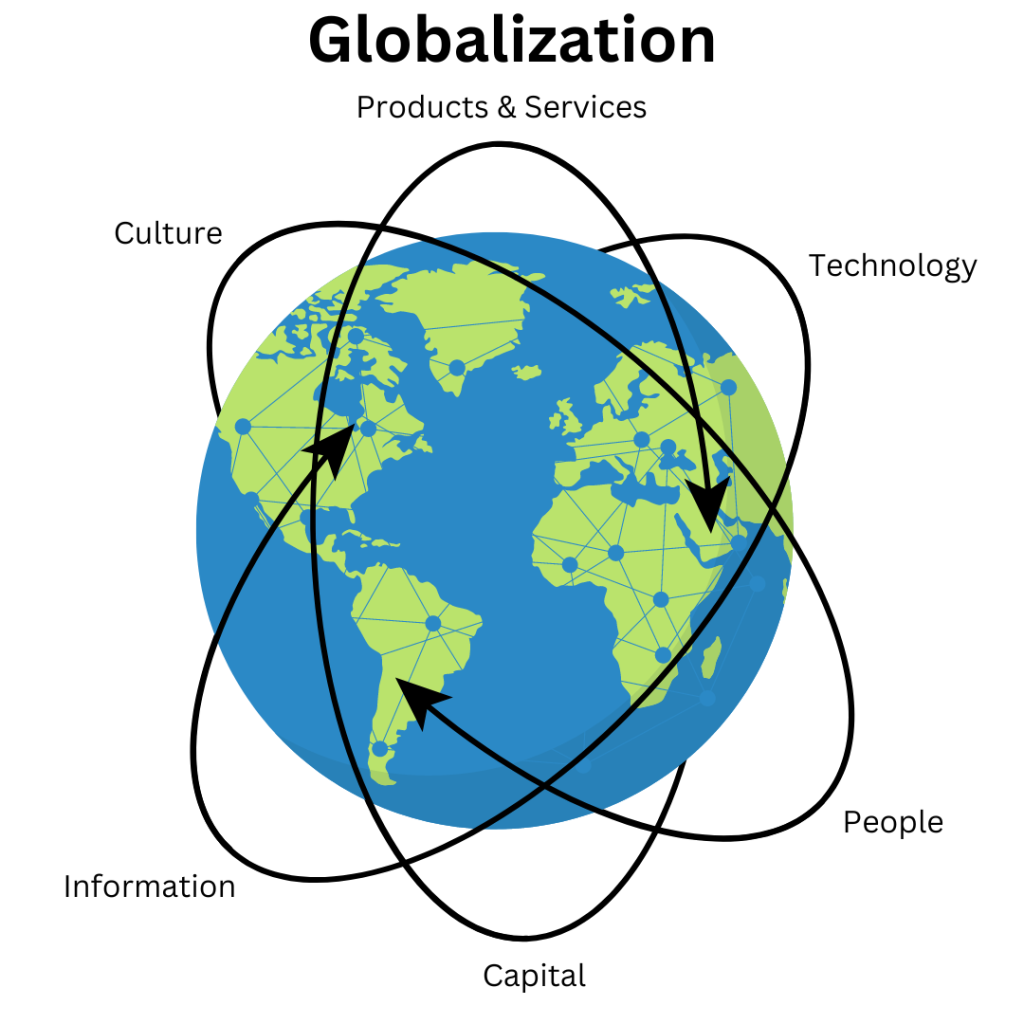
The landscape of food has undergone a remarkable transformation in recent decades. As the world becomes more interconnected, globalization plays a pivotal role in reshaping our understanding and appreciation of traditional cuisines. This evolution is not merely about recipes but an intricate tapestry of cultures, ingredients, and cooking methods that reflect our increasingly diverse societies.
Understanding this phenomenon involves recognizing several key factors:
- Access to Global Ingredients: With international trade flourishing, spices and produce from distant lands are now commonplace in our kitchens. For instance, ingredients such as Thai lemongrass, Indian cardamom, and Italian truffle oil can be found in even the smallest grocery stores across the United States. The ability to experiment with these flavors has inspired home cooks and professional chefs alike to create dishes that were once impossible to replicate without international access.
- Cultural Fusion: The concept of cultural fusion is prominently displayed in dishes like sushi burritos, which blend Japanese and Mexican culinary traditions, and taco pizzas that combine Tex-Mex and classic Italian flavors. This culinary innovation not only creates exciting new taste experiences but also fosters an appreciation for both cultures. Such examples illustrate how globalization encourages the breaking of traditional culinary barriers, leading to the birth of new, hybrid cuisines.
- Digital Communication: The rise of social media platforms and food blogs has democratized the sharing of culinary knowledge. Recipes are instantly accessible, encouraging people from various backgrounds to try their hand at cooking dishes from around the world. Videos on platforms like TikTok and Instagram have propelled trends, such as whipped coffee or viral pancake art, into mainstream culture, further highlighting globalization’s impact on food dissemination.
In the United States, this trend is especially prominent. Immigrant chefs are at the forefront, introducing authentic recipes while simultaneously adapting them to local palates. Traditional dishes like pho, sushi, or biryani are evolving, incorporating local ingredients and modern cooking techniques. This blending creates a dynamic culinary landscape, resulting in a richly diverse culinary melting pot that reflects the nation’s multicultural fabric.
As we delve deeper into this fascinating topic, it becomes essential to examine the implications of these changes. What are the effects on cultural identity? With the intermingling of cuisines, is there a risk of losing the authenticity of traditional recipes? How might these changes affect the artisans and local cooks who have preserved their craft for generations? These questions beg further investigation. Join us as we uncover the dynamic relationship between globalization and traditional cuisines. The answers might surprise you!
DIVE DEEPER: Click here to discover the influence of globalization on culinary arts
Rediscovering Traditional Recipes in a Global Context
The infusion of globalization into culinary practices presents a complex panorama that garners both excitement and concern. Traditional recipes—often passed down through generations—are no longer static relics but rather evolving elements of a much larger conversation about identity, heritage, and innovation. This metamorphosis prompts us to consider how foundational food practices are shaped by the forces of cultural exchange and technological advancement.
One of the most palpable aspects of this evolution is the cross-pollination of flavors brought by migration and cultural exchange. Immigrant communities have played a crucial role in diversifying the American food landscape, ushering in authentic flavors while simultaneously adapting them for the local palate. Pho and banh mi from Vietnam, for instance, have become mainstream sensations, frequently adapted with locally sourced ingredients and accompanied by unique twists that cater to American tastes—such as the adoption of the cilantro-mayo fusion that gives these dishes a distinctive flair.
In parallel, the notion of cooking techniques is also evolving. Chefs and food enthusiasts are blending traditional methods with contemporary practices, resulting in remarkable culinary hybrids. For example, the sous-vide technique, which involves vacuum-sealing food and cooking it at precise temperatures, has found its way into traditional cuisines, enriching the flavors of dishes like Indian biryani or Mexican barbacoa without compromising authenticity. This blending showcases a growing trend of chefs looking to both honor and reinvent culinary groundwork laid by their predecessors.
The Role of Global Food Networks
The establishment of global food networks has further accelerated this transformation. With the rise of technology and logistics, ingredients that were once accessible only to those living in specific regions are now readily available worldwide. Not only does this facilitate the exploration of traditional recipes, but it also stimulates chefs and home cooks to push the boundaries of flavor combination. The modern food system champions regional specialties from all corners of the globe, making it possible to create gourmet fusion dishes that weren’t feasible in the past.
As a result, several trends have emerged from this global culinary landscape:
- Sustainability Focus: Chefs are increasingly seeking local produce and ethically sourced ingredients while respecting the traditions of the cuisines they represent.
- Emphasis on Health: As global awareness of health and wellness expands, traditional dishes are often altered to accommodate modern dietary preferences—incorporating gluten-free grains or plant-based alternatives while still striving for authenticity.
- Signature Fusions: Creative chefs are becoming known for their unique blend of ethnic cuisines, enticing diners with dishes like kimchi-tacos or curry-pasta that celebrate multiple heritages.
In this ever-evolving culinary world, questions abound regarding the preservation of authenticity versus innovation. How are chefs navigating this delicate balance? What defines authenticity in a dish that has seen numerous adaptations? These inquiries invite further exploration as we embark on a journey through the complex interplay of globalization and traditional cuisines, seeking to unveil the layers behind the evolution of recipes that feeds both our stomachs and our cultural identities.
The Intermingling of Flavors: How Globalization Influenced Recipes
Globalization has had a profound impact on how traditional cuisines evolve and interact with each other. This cross-pollination of culinary practices has resulted in a melting pot of flavors, techniques, and ingredients. As chefs and home cooks borrow from international culinary traditions, we witness the birth of hybrid dishes that reflect a new culinary landscape. For instance, the popular fusion of Asian and Latin American flavors has given rise to unique offerings such as sushi burritos and kimchi tacos, showcasing the creativity born from cultural convergence.The accessibility of global spices, herbs, and cooking methods has also transformed the way people approach traditional recipes. Home cooks can now experiment with ingredients like harissa, sriracha, or lemongrass, which were once confined to certain regions, leading to vibrant reinterpretations of classic dishes. This trend not only enhances flavor profiles but also encourages culinary exploration and innovation.Moreover, food media—including cooking shows, social media platforms, and food blogs—has played a crucial role in this trade of culinary ideas, furthering the popularity of “ethnic” foods. In today’s digital age, even a traditional recipe can go viral, urging more individuals to attempt their hand at making “exotic” meals at home. As a result, traditional recipes become dynamic entities, continuously adapting to new influences while preserving their core essence.As these culinary exchanges continue, it begs the question: What does this mean for the identity of traditional cuisines? Are we losing the authenticity of our cherished recipes, or are we simply witnessing the evolution necessary to keep them relevant? The answers to these questions are as varied as the recipes themselves, inviting food lovers and researchers alike to delve deeper into the implications of this transforming world of culinary art.
| Category | Advantages |
|---|---|
| Culinary Diversity | Exposure to a wider palette of flavors and techniques enhances meal preparation. |
| Cultural Appreciation | Encourages understanding and respect for different cultures through their food. |
The evolution of recipes in light of globalization exemplifies a broader trend within society: as our world becomes more interconnected, so too does our love for food. While globalization may challenge the authenticity of traditional cuisines, it also paves the way for exciting new culinary experiences that bridge cultural divides and bring people together.
DIVE DEEPER: Click here to uncover the latest culinary trends
Innovating Tradition: The Impact of Culinary Education and Social Media
As we navigate through the transformative landscape of global cuisines, another significant factor emerges—culinary education. The rise of cooking schools and culinary institutes across the United States has created a new generation of chefs armed with skills and knowledge that transcend geographical boundaries. These institutions celebrate cultural diversity, encouraging budding cooks to explore and experiment with traditional recipes while respecting their origins.
With the help of formal training, aspiring chefs gain access to an array of techniques that allow them to enhance the authenticity of traditional dishes. They are learning not only to prepare these meals but also to understand their historical contexts, the stories entwined with each ingredient, and the myriad methods that different cultures employ. For instance, the Italian art of pasta-making is being taught alongside the Japanese art of sushi, creating an enriching cross-pollination of knowledge.
Moreover, the advent of social media platforms has amplified this exchange, enabling food enthusiasts and chefs alike to showcase their culinary experiments to a global audience. Instagram, TikTok, and YouTube have become avenues for individuals to document and share their cooking journeys. Viral food trends often emerge, demonstrating the impact of cultural acceptance and the blending of diverse flavors. Consider the zoodle (zucchini noodle) trend that became prevalent in recent years; it reflects fitness consciousness while drawing on traditional Italian cuisine.
Localizing Global Flavors
As globalization persists, a notable adaptation is not just a mere blending of recipes but also the trend of localizing international flavors. This involves substituting foreign ingredients with locally sourced alternatives while still aiming to preserve the original identity of the dish. This approach helps strengthen local economies and create a more sustainable food model. A quaint farm-to-table restaurant in San Francisco, for example, might take the concept of Spanish paella, substituting the saffron with locally grown herbs and fresh seafood from the Pacific, ultimately changing the flavor profile while paying homage to its roots.
The exploration of traditional recipes through a localized lens highlights a growing consciousness of sustainability and seasonality that resonates with modern diners. As restaurants pivot towards menu items grounded in available produce, chefs are recognizing the benefits of modifying structure without sacrificing the essence of traditional dishes. This movement emphasizes the romantic intersection between nostalgia for heritage and the practicalities of sourcing food in a rapidly changing environment.
The Collaborative Spirit of Culinary Communities
The evolution of recipes has also birthed a vibrant community of culinary enthusiasts eager to collaborate and share ideas. Pop-up events, food festivals, and collaborative cooking classes bring ferments and flavors from around the world onto a single plate, serving as a microcosm of the broader culinary landscape shaped by globalization. These platforms encourage chefs to collaborate with local home cooks, introducing time-honored techniques from their homelands while accentuating the diversity blooming within their communities.
This fusion and collaboration create a delicious tapestry that invites inquisitive eaters to broaden their culinary horizons. It inspires them to not only dine on unique dishes but also to delve deeper into the narratives that accompany these culinary expressions. As diverse influences seep into daily meals, they spark curiosity about the origin of ingredients and traditional practices, fostering an environment where the evolution of recipes can flourish and intrigue.
DIVE DEEPER: Click here to discover saffron’s wonders
Conclusion: A Culinary Journey Through Globalization
The evolution of recipes in the age of globalization is a fascinating tapestry woven from diverse cultural threads, incorporating techniques, flavors, and ideals that transcend borders. As we have explored, the fusion of culinary traditions has not only led to the birth of innovative dishes but has also fostered an enriching dialogue among chefs and food enthusiasts around the globe. Culinary education plays a vital role here, equipping new chefs with the tools needed to honor traditional techniques while creatively reinventing them for contemporary palates.
The influence of social media cannot be overstated; platforms such as Instagram and TikTok have democratized cooking, enabling individuals to share their culinary successes and challenges irrespective of their geographical location. This connectivity encourages a spirit of collaboration and innovation, where every kitchen becomes a proving ground for global flavors blended with local ingredients—an evolving practice that respects culinary heritage while embracing modern sustainability trends.
Moreover, the shift towards localizing international flavors signifies a growing awareness of the importance of sustainability in modern cuisine. By emphasizing seasonality and local sourcing, chefs are not only redefining traditional recipes but also fortifying local economies and fostering a deeper appreciation for the ingredients that shape regional identities.
Ultimately, the evolution of recipes reveals the shared humanity behind our culinary practices. As we continue to engage with diverse culinary narratives, we open ourselves to a richer understanding of culture, history, and community. The journey of globalization in the kitchen encourages us all to explore, taste, and create, ensuring that every meal tells a story that honors both tradition and innovation.