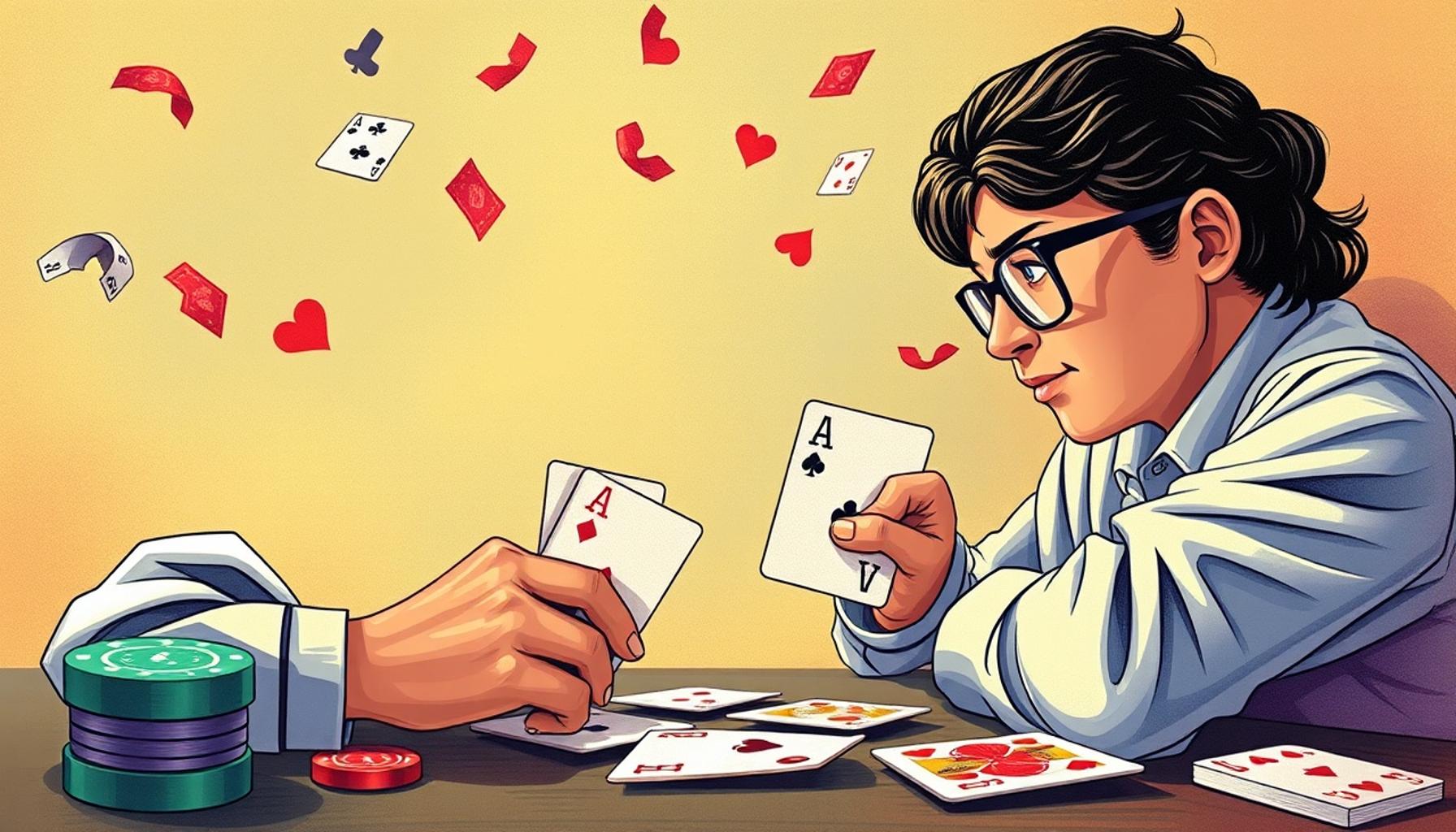
The Effect of Board Games on Improving Memory and Attention in the Elderly

Understanding the Cognitive Advantages of Board Games
As individuals age, maintaining cognitive clarity can become increasingly challenging. Nevertheless, engaging in interactive pursuits, particularly board games, has emerged as a dynamic solution for fostering mental acuity among seniors. These games are not merely avenues for entertainment; they facilitate significant cognitive engagement that can yield numerous benefits for older adults.
Board games stimulate the brain in ways that other activities may not, ensuring that vital mental skills remain sharp and active. The benefits include:
- Enhanced Memory: Many board games require players to remember the rules, track their own moves, and anticipate opponents’ strategies. For instance, games like Yahtzee and Scrabble can help reinforce memory retention through repetitive play and strategy formulation. Seniors who engage in such activities often show improved recall abilities as they practice these skills during play.
- Improved Attention: The strategic nature of many board games commands undivided attention. Games such as Ticket to Ride or Settlers of Catan demand that players remain focused on both their own progress and the developments of their opponents. This engagement can help train the mind to concentrate for extended periods, countering the common attentional deficits associated with aging.
- Social Interaction: Social engagement is crucial for mental and emotional health, especially among seniors who may feel isolated. Board games create an environment that fosters camaraderie and communication. Playing games like Monopoly or Risk encourages laughter and conversation, which can lead to reduced feelings of loneliness and increased happiness.
Current research underscores the transformative impact of consistent board game play on cognitive functioning. A study from the University of California, San Diego revealed that seniors who regularly engaged with various board games exhibited measurable improvements in their cognitive abilities compared to less active peers. Dr. Hannah M. Kharak, a leading researcher in cognitive aging, noted that “…the pathways formed during board game play can lead to enhanced cognitive resilience.”
The simple act of rolling dice or moving game pieces may appear trivial, but its potential for enhancing mental well-being is profound. With an impressive array of options available—from timeless classics like Chess to modern cooperative experiences such as Pandemic—the potential for mental stimulation is vast and diverse. Understanding how these games work to foster a healthier, more vibrant mind may inspire many seniors to embrace board gaming as a regular part of their lives.
As such, board games represent more than mere recreation; they hold the key to unlocking cognitive vitality in older adults. The benefits extend beyond entertainment, leading to enriching experiences that promote healthier aging and lasting social connections.
DISCOVER MORE: Click here to learn about the benefits of puzzles for mental health
How Board Games Sharpen Memory and Enhance Attention Skills
Board games have gained recognition not only for their entertainment value but also for their efficacy in fostering cognitive health, especially among the elderly. Research indicates that engaging regularly in board games can lead to notable enhancements in memory and attention. This practice, rich in strategic depth and social involvement, serves as a form of mental exercise, paralleling physical activities aimed at promoting bodily health.
To understand how board games enhance cognitive functions, it’s essential to dissect the various elements inherent in gameplay. When players take turns, strategize, and calculate outcomes, they are exercising multiple cognitive domains. Here’s a closer look at the specific ways board games contribute to improving mental faculties:
- Memory Recall: Many games demand the retention of information about previous moves, opponents’ strategies, and various game rules. Games like Memory or Uno specifically challenge players to match pairs and remember card positions, providing a stimulating platform for practicing memory recall, which is critical in daily life.
- Concentration and Focus: Activities that require strategic thinking, such as Chess or Risk, demand sustained attention. The necessity to monitor different aspects of the game, including player movements and potential threats, fosters a higher level of concentration among players. Numerous studies have shown that older adults engaged in such intense focus activities exhibit improved attentional spans and processing speeds.
- Problem Solving: Many board games require players to devise strategies to outsmart their opponents or overcome obstacles in gameplay. This element of problem solving is crucial for cognitive development and can lead to better decision-making skills in real life, as players apply similar strategies beyond the game.
- Social Cognitive Engagement: Interacting with others while playing board games fosters social cognition. Whether through taking turns or engaging in friendly banter, the social dynamics of gameplay enrich the experience, leading to stronger mental ties that also keep feelings of isolation at bay.
As players immerse themselves in a world of *Dice rolling* and *card drawing*, neuroplasticity comes into play—the brain’s ability to adapt and change throughout life. Engaging in board games can stimulate the formation of new neural connections, vital in maintaining cognitive health. The University of Exeter conducted research revealing that older adults participating in game nights reported better memory functioning and increased engagement in their daily routines.
In an era where cognitive decline poses significant challenges for the aging population, the role of board games as a preventative measure is indeed promising. The social, memory, and attentional advantages are not only enriching the lives of seniors but also paving the way for a more engaged and mentally stimulating lifestyle.
The role of board games in enhancing cognitive functions such as memory and attention among the elderly has garnered increasing interest from researchers and healthcare professionals alike. Engaging in board games can create a stimulating environment that encourages mental exercise and social interaction, both of which are crucial for maintaining cognitive health.
The Cognitive Benefits of Board Games
Board games require players to think critically, strategize, and often remember various game rules and actions, all of which help in strengthening neural pathways. This cognitive engagement can lead to improved memory retention and enhanced focus. Games like chess and Scrabble, for example, not only challenge players but also foster problem-solving skills and vocabulary expansion.
Social Interaction and Its Impact
Social interaction through board gaming can significantly influence mental well-being. Playing games with friends or family promotes bonding and reduces feelings of loneliness, a common issue among the elderly. This socialization can further bolster mental health, contributing positively to one’s overall memory and attention capacity.
Research Findings
Studies have shown that elders who regularly play board games exhibit better mental acuity compared to those who do not. For instance, a study published in the Journal of Geriatric Psychology found that participants who engaged in board games displayed improvements in memory recall tests and attention span assessments. Such findings highlight the multifaceted advantages of incorporating board games into the daily routines of older adults.Incorporating board games into the lifestyle of the elderly not only serves as a fun pastime but is also a strategic move toward enhancing their cognitive functions. The growing body of research points to a future where board games can be seen not just as leisure activities, but as valuable tools for mental health and cognitive improvement.
DIVE DEEPER: Click here to learn more
The Social Dynamics and Emotional Benefits of Board Gaming
Beyond the cognitive advantages, board games also provide significant social benefits that contribute to enhanced psychological well-being among the elderly. The communal experience of game nights fosters connections, combats loneliness, and encourages a sense of belonging—elements critical to mental health in later years. Given that many older adults experience social isolation, the engagement offered through board gaming emerges as a compelling remedy.
Engaging in games such as Scrabble or Pictionary promotes not only mental agility but also social interactions that can enhance one’s mood and emotional resilience. Research from the American Psychological Association highlights that such social interactions lead to lower levels of anxiety and depression in seniors, thereby enhancing their overall quality of life. Sharing laughter and competition enhances the pleasure derived from gameplay, nurturing positive emotions that can further stimulate cognitive functions.
Moreover, the aspect of teamwork in cooperative games, like Pandemic or Forbidden Island, provides an opportunity for players to collaborate, strategize, and communicate. This teamwork encourages communication skills and active participation, which are essential for maintaining cognitive health. According to a study by Harvard Health, socialization plays a key role in fostering mental agility, and the cooperative nature of specific board games creates an inclusive atmosphere that fosters friendships.
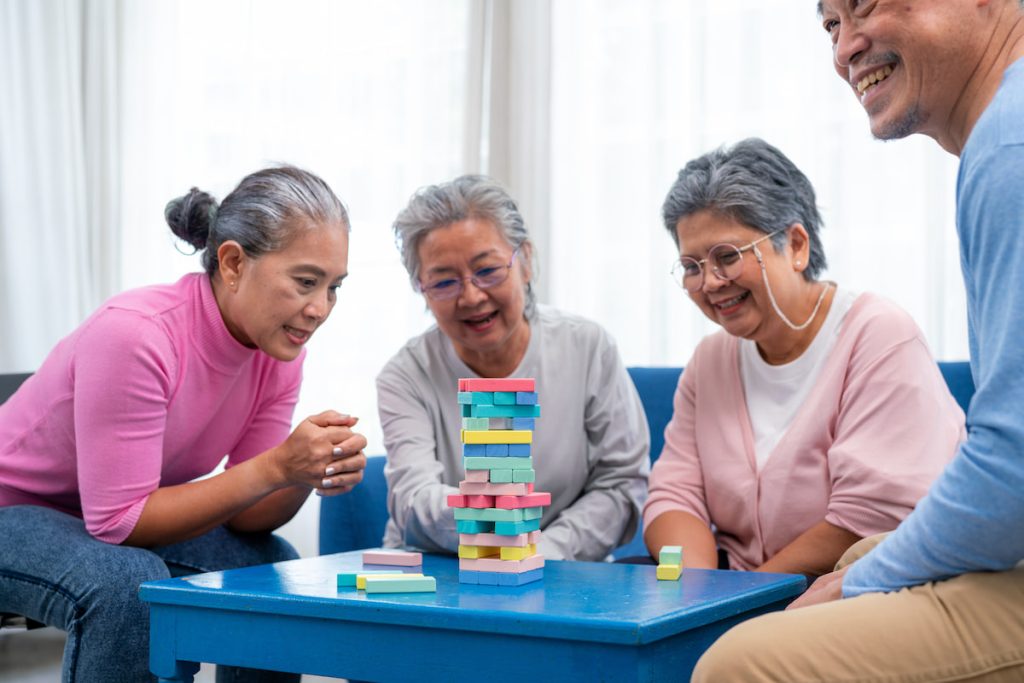
Board games also possess the remarkable ability to initiate intergenerational play, bridging the cohort gap between grandparents and grandchildren. As older adults engage with younger players in games like Connect Four or Jenga, they not only pass down traditions but also stay connected with contemporary culture. This interaction can increase feelings of competence and self-worth among seniors, motivating them to engage more frequently in cognitive activities.
Furthermore, cognitive engagement doesn’t exist in a vacuum. The emotional satisfaction experienced during gameplay can lead to reduced stress levels, consequently improving cognitive functions. A study at Stanford University confirmed that enjoyable activities like board gaming can reduce cortisol levels, the stress hormone, consequently laying fertile ground for enhanced focus and memory retention. By freeing the mind from stress, players are more likely to engage deeply and effectively with the game, subsequently training their minds to retain information more efficiently.
The versatility of board games allows them to cater to various interests and skill levels, making them adaptable to a wide range of elderly audiences. This adaptability ensures that everyone, whether a novice or an experienced player, can reap benefits related to memory and attention. The market is saturated with options—ranging from trivia games that bolster factual recall to complex strategy games that enhance critical thinking, providing a rich tapestry of choices for seniors to explore.
In summary, the role of board games transcends mere entertainment; they encapsulate a unique blend of cognitive, social, and emotional benefits that contribute to improved memory and attention in the elderly population. As communities and families acknowledge the holistic advantages of board gaming, these activities are becoming integral to promoting mental health among older adults.
DIVE DEEPER: Click here to learn more
Conclusion: The Transformative Power of Board Games
In the journey of aging, fostering memory and attention stands as a pivotal concern. However, the findings surrounding the impact of board games on older adults illuminate a promising pathway toward cognitive enhancement. Engaging in board games not only sharpens mental faculties but also cultivates vital social connections and emotional well-being, creating a holistic approach to maintaining mental health in later life.
Through interactive gameplay, seniors can experience a unique synergy of cognitive stimulation and camaraderie. The laughter shared over a game of Uno or the strategic discussions during a competitive session of Settlers of Catan are more than mere pastimes; they are essential activities that reduce feelings of isolation, combat anxiety, and improve overall quality of life. These interactions, underscored by teamwork or friendly rivalry, not only advance cognitive function but also enhance emotional resilience.
Moreover, the intergenerational nature of many board games encourages connections across age gaps, allowing older adults to share experiences while remaining relevant within contemporary culture. By inviting family members to join in, they can foster an environment of love and learning, further igniting their cognitive abilities.
As we recognize the unparalleled benefits of board games, it becomes vital for families, caregivers, and communities to incorporate these activities into their routines. The versatility of board games provides something for everyone—be it through casual trivia or intricate strategy, promoting engagement at varying skill levels. Embracing board games as a tool for improving memory and attention supports the elderly in leading fulfilling lives enriched by connection, creativity, and cognitive vitality.
Related posts:
How Puzzles Enhance Problem-Solving Skills in Adults
Developing Emotional Skills Through Cooperative Board Games
Developing Logical Thinking Through Crossword Puzzles
The Role of Digital Puzzles in Stimulating Critical Thinking Skills
The Importance of Logic Games in the Development of Cognitive Skills in Children
The Role of Mathematics Games in Stimulating Analytical and Problem-Solving Skills

Linda Carter is a writer and puzzle expert specializing in mind games, brain teasers, and cognitive challenges. With extensive experience helping individuals enhance their problem-solving skills and think critically, Linda shares her knowledge on our platform. Her goal is to empower readers with practical advice, engaging puzzles, and strategies to sharpen their minds and achieve success in the captivating world of mind games and puzzles.