The Cognitive Benefits of Puzzles for Memory

The Cognitive Benefits of Engaging with Puzzles
Puzzles have transcended mere entertainment, solidifying their place as effective tools for enhancing cognitive health. They engage the mind in a way that few activities can, making them a unique and effective means to promote mental agility. From crosswords that challenge vocabulary to Sudoku that sharpens mathematical reasoning, the variety of puzzles available ensures that there is something for everyone.
One of the primary cognitive benefits of puzzles is improved memory retention. When completing puzzles, individuals often need to recall patterns, shapes, and strategies used in previous attempts. For instance, those engaging with jigsaw puzzles will find themselves forming mental maps of where pieces might fit based on their color and shape. Studies have shown that this kind of mental exercise not only improves immediate recall but also strengthens long-term memory. This retention is particularly crucial as studies suggest that mental deterioration can be mitigated through regular stimulation.
Another significant advantage is the development of enhanced problem-solving skills. Puzzles often present complex challenges that require analytical thinking and logical reasoning. For example, in a Sudoku puzzle, identifying where numbers should go often involves the ability to foresee consequences beyond the immediate move. This analytical approach fosters critical thinking, which is invaluable in everyday decision-making processes and professional environments.
Additionally, engaging with puzzles can lead to an increased focus and concentration. Due to their immersive nature, puzzles demand an individual’s full attention. This concentrated effort trains the brain to maintain focus on a single task, which is particularly beneficial in today’s fast-paced world, filled with distractions from smartphones and social media. As individuals work through challenges, they inherently practice mindfulness, enhancing their cognitive stamina.
As people across the United States recognize the necessity of maintaining cognitive health, the rising popularity of puzzles such as crosswords, Sudoku, and jigsaw puzzles is noteworthy. These activities are not merely hobbies; they have become a crucial part of many individuals’ routine mental fitness regimes. Educational institutions and senior centers alike are increasingly incorporating puzzles into their programs as engaging exercises that promote social interaction while also boosting cognitive ability.
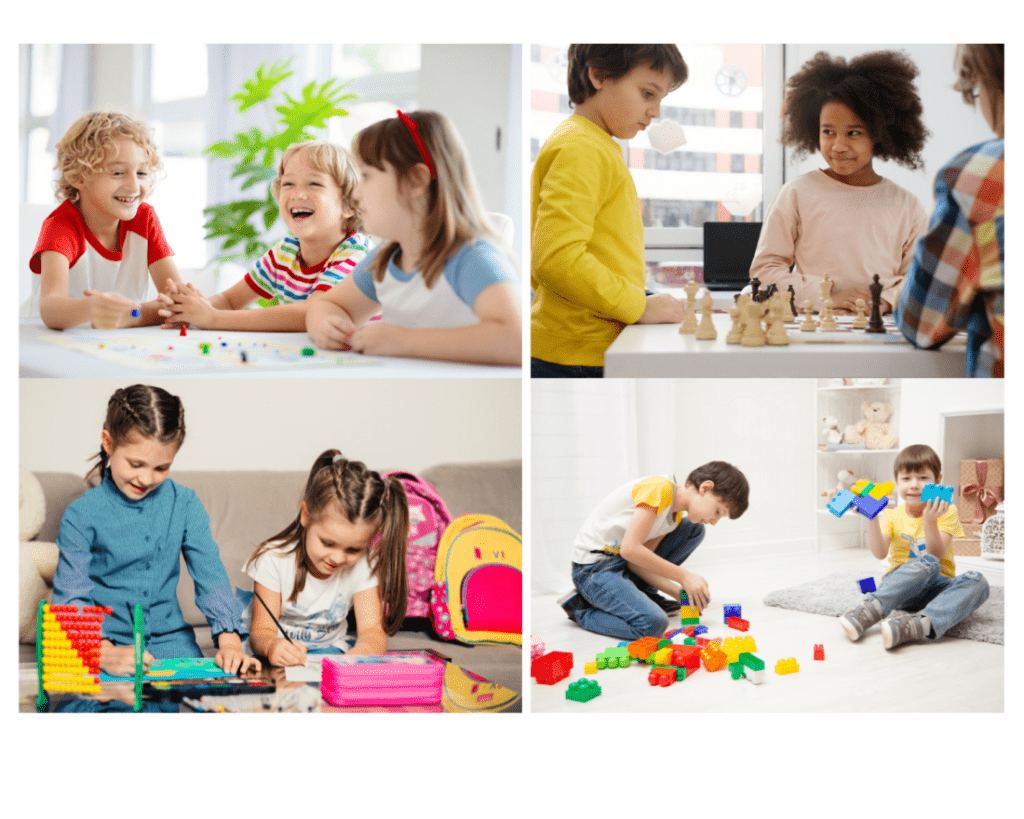
Research supports this notion, indicating that individuals who regularly engage in puzzle-solving activities demonstrate a slower cognitive decline than those who do not. A study published in a prominent psychology journal suggested that older adults who participated in mental challenges like crossword puzzles and Sudoku enjoyed improved cognitive health compared to their non-puzzling peers.
In conclusion, the world of puzzles offers a compelling avenue for cognitive enrichment. With an array of studies backing their benefits, it’s clear that diving into a puzzle may be one of the most enjoyable ways to keep the mind sharp and agile. So whether you are a crossword enthusiast or a Sudoku master, embracing these engaging activities could very well fortify your mental faculties.
DISCOVER: Click here to enhance your focus
How Puzzles Stimulate Memory Function
The intricate world of puzzles serves as a dynamic training ground for the human brain, particularly in terms of memory enhancement. Engaging with a variety of puzzles—whether they feel like a mere pastime or a daunting challenge—requires a spectrum of cognitive skills that can bolster both short-term and long-term memory capabilities. Different types of puzzles target various forms of memory, creating a holistic approach to mental fitness.
When tackling puzzles, individuals often engage in a process known as spatial memory utilization. For instance, jigsaw puzzles require solvers to not only visualize where pieces may fit together but also to remember the physical space they occupy on the table. This spatial reasoning enhances one’s ability to remember past experiences and their corresponding locations, integral aspects of memory functioning. In research conducted by the University of Alabama, participants who regularly completed jigsaw puzzles showed significant improvement in their ability to recall spatial patterns over time.
Moreover, the role of contextual memory in puzzle-solving cannot be understated. Crosswords and similar word games compel participants to rely on their linguistic memory and understanding of word associations. As individuals work to fill in the blanks, they are prompted to remember synonyms, antonyms, and other related concepts. This mental gymnastics helps to solidify linguistic structures in the brain, which is essential for both academic and everyday communication. A study published in the Journal of Cognitive Psychology indicates that engaging in word puzzles leads to a notable increase in vocabulary retention and application, underscoring their cognitive advantages.
To better understand how puzzles foster memory development, consider the following cognitive benefits:
- Active Engagement: Puzzles require active participation, urging individuals to draw upon various memory types, enhancing recall.
- Pattern Recognition: As puzzle solvers identify and create patterns, they boost their cognitive flexibility, allowing for improved information retrieval.
- Multitasking and Memory Challenge: Solving puzzles often involves juggling multiple elements—like words, numbers, or shapes—which improves working memory and multitasking abilities.
- Routine and Repetition: Numerous puzzles, especially those with recurring themes or formats, promote memory through repetition, reinforcing neural connections associated with learned information.
Incorporating puzzles into daily life not only serves as a delightful way to unwind but also as a proactive measure to maintain cognitive health. Consistency is key; experts recommend integrating puzzle-solving activities at least a few times a week for optimal benefits. The American Geriatrics Society advocates for such mental exercises as they have been linked to lower rates of cognitive decline, particularly in older adults. By prioritizing puzzles, individuals can effectively bolster their memory faculties while enjoying the mental stimulation they bring.
| Category | Advantages |
|---|---|
| Enhanced Memory Recall | Puzzles stimulate multiple brain functions, improving the ability to recall information. |
| Increased Cognitive Engagement | Solving puzzles requires focus and concentration, leading to sustained mental engagement that enhances memory. |
| Problem-Solving Skills | Puzzles encourage critical thinking, which can improve one’s ability to remember related concepts and ideas. |
| Stress Reduction | Engaging in puzzles can be a form of mindfulness, reducing stress and thereby enhancing memory retention. |
Challenging the brain with puzzles not only serves as a source of entertainment but also acts as a workout that can have profound effects on cognitive health. Regular engagement with puzzles can lead to a marked improvement in cognitive function, particularly in areas related to memory and recall. As studies have shown, individuals who engage in these mental exercises tend to show a slower decline in memory capabilities and have a greater chance of maintaining cognitive sharpness in later years.Moreover, puzzles introduce a sense of achievement upon completion, fostering positivity which is proven to contribute to better memory performance. This dual benefit of mental stimulation and emotional satisfaction forms a compelling reason for incorporating puzzles as a regular activity. The more that individuals challenge themselves with varied puzzles—whether crossword, jigsaw, or logic games—the more they are likely to see positive influences on their cognitive health over time.
DISCOVER MORE: Click here to dive deeper
The Role of Puzzles in Enhancing Problem-Solving Skills
Beyond memory enhancement, puzzles act as catalysts for the development of problem-solving skills, which is a crucial aspect of cognitive function. When individuals immerse themselves in puzzles, they are not merely seeking entertainment; they are engaging in complex cognitive processes that lay the groundwork for enhanced analytical skills. This effort frequently leads to an increased ability to decipher problems and generate effective solutions in both academic and everyday situations.
Consider the role of logical reasoning in solving a Sudoku puzzle. Participants must apply deductive reasoning to eliminate possibilities, leading to a clear understanding of the relationships between numbers. This practice enhances mental agility and promotes logical thinking, which can translate to better performance in real-life scenarios such as decision-making and critical analysis. Research published in the journal Intelligence has suggested that routine engagement with logic puzzles can produce measurable improvements in IQ scores, highlighting their broader cognitive benefits.
Incorporating strategic thinking into puzzle-solving routines can further impact cognitive processes. For example, chess puzzles require players to anticipate their opponent’s moves while also planning their strategies. This dual-focused approach fosters foresight and adaptability, essential skills in overcoming obstacles in various life situations. A study from Harvard University found that children who regularly played chess demonstrated significantly improved capabilities in strategic thinking and problem-solving compared to their peers who did not.
A further consideration in the cognitive realm of puzzles is the cultivation of creativity and innovation. Puzzles such as riddles and brainteasers require solvers to think outside the box, allowing them to explore unconventional solutions. This creative engagement can lead to cognitive flexibility—the ability to switch between thinking about different concepts, as well as thinking about multiple concepts simultaneously. Creativity has been linked to improved memory capabilities in numerous studies, demonstrating that the two cognitive skills are closely intertwined.
Moreover, regular puzzle-solving activities offer an array of social advantages that play a significant role in cognitive enhancement. Participating in group puzzles—like escape rooms or collaborative crossword-solving sessions—delivers the added benefit of team-based cognitive engagement. Collaborative environments stimulate interpersonal communication, which has been associated with greater cognitive function and memory retention. According to a study by the National Institute of Mental Health, social interaction during cognitive activities enhances brain health and reduces the risk of cognitive decline.
To further exploit these cognitive benefits, various platforms and apps now integrate puzzles into their design, making them accessible to a wider audience. Digital platforms offer tailored experiences, with games designed to adapt to skill levels and encourage improvement over time. The accessibility of puzzles in today’s tech-driven society allows individuals to seamlessly incorporate this brain-boosting activity into their daily routines, further supporting memory retention and cognitive growth. With all these factors combined, puzzles present a multifaceted approach to enhancing not only memory but a broad range of cognitive abilities, reassuring us of their value in a balanced mental fitness regimen.
DISCOVER MORE: Click here to learn how logic games can enhance your creativity
Conclusion: Embracing Puzzles for Enhanced Cognitive Health
In an era where cognitive decline is a growing concern, the importance of engaging in mentally stimulating activities cannot be overstated. Puzzles serve as a compelling tool for promoting memory enhancement and overall cognitive health. By navigating various types of puzzles—from crosswords to logic games—individuals not only sharpen their memory skills but also boost critical thinking, strategic planning, and problem-solving capabilities.
Research reinforces that regular puzzle engagement promotes neuroplasticity—the brain’s ability to form and reorganize synaptic connections, especially in response to learning or experience. As demonstrated in numerous studies, including those highlighting the impact of puzzle-based activities on IQ levels and creativity, solving puzzles offers profound cognitive benefits that extend well beyond mere memory retention.
Moreover, the social aspects of puzzle-solving are equally vital. From collaborative crossword-solving sessions to escape rooms, these shared experiences encourage teamwork and communication, enhancing brain function through social interaction. The integration of puzzles into our daily lives—facilitated by the plethora of digital platforms available—ensures that this enriching activity remains accessible to all demographics.
As we navigate our complex lives, incorporating puzzles into our routines can holistically address cognitive aging and memory enhancement. The evidence is clear: by embracing the multifaceted cognitive benefits of puzzles, we can cultivate not just improved memory, but a richer, healthier intellectual engagement that lasts a lifetime. For those looking to ensure lasting brain health and cognitive vigor, puzzles present a fun, accessible, and rewarding pathway.
Related posts:
Strategies to Maximize the Effectiveness of Word Games in Mental Agility
Unveiling the Benefits of Puzzles for Mental Health
The influence of strategy games on decision-making and problem-solving
The Importance of Word Games in Preventing Cognitive Decline
How memory games can improve concentration and focus
Brain Training Strategies: How Board Games Can Stimulate Critical Thinking

Linda Carter is a writer and puzzle expert specializing in mind games, brain teasers, and cognitive challenges. With extensive experience helping individuals enhance their problem-solving skills and think critically, Linda shares her knowledge on our platform. Her goal is to empower readers with practical advice, engaging puzzles, and strategies to sharpen their minds and achieve success in the captivating world of mind games and puzzles.