The Art of Divergent Thinking: How Mind Games Foster Unconventional Solutions
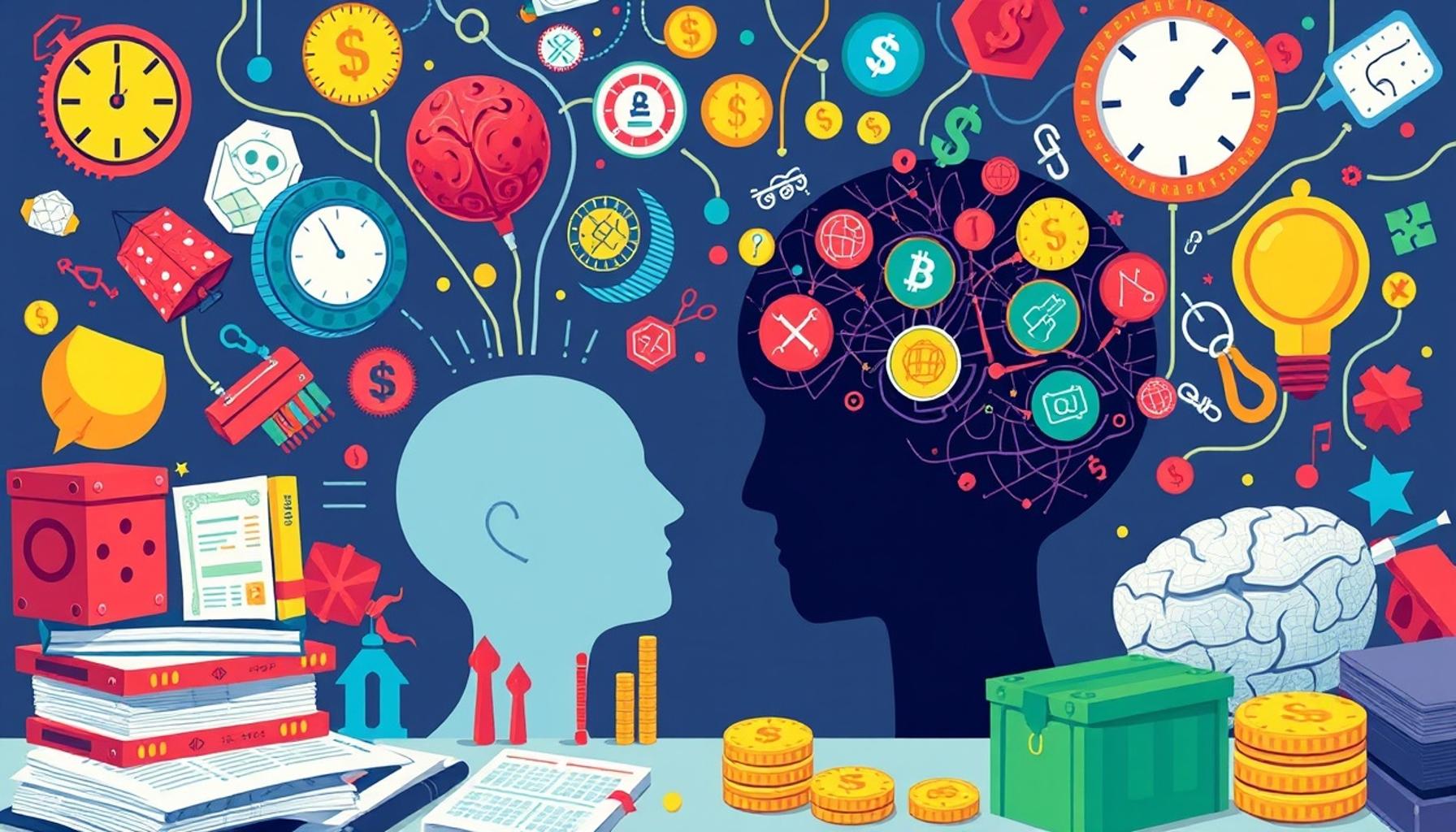
Unleashing Creativity Through Play
Engaging in mind games is more than just a pastime; it’s a gateway to divergent thinking. This cognitive approach encourages the exploration of multiple solutions rather than a single outcome. By stimulating the brain through playful challenges, individuals can unlock creativity in unexpected ways.
The Power of Mind Games
Mind games, including puzzles, strategy games, and creative brainstorming, serve various functions that can significantly enhance one’s cognitive abilities:
- Enhancing Problem-Solving Skills: Games like chess or Sudoku require players to view challenges from different perspectives. For example, while playing chess, a player must anticipate their opponent’s moves and develop strategies that adapt to shifting scenarios on the board, which translates to improved problem-solving in real life.
- Encouraging Risk-Taking: Games push boundaries and allow for trial and error without real-world consequences. In a board game like Monopoly, players take calculated risks to buy properties and make decisions about when to trade, fostering a mindset that embraces uncertainty and encourages innovation.
- Boosting Cognitive Flexibility: Engaging in varied mind games enhances the ability to adapt to new information and shifts in scenarios. For instance, learning to play a new video game can improve one’s ability to think on their feet and switch strategies as gameplay evolves, fostering agility in thought and creativity.
Research Insights
Studies show that individuals who regularly engage in mind games tend to approach problems with a heightened sense of innovation. The results are promising:
- Greater adaptability in business settings is noticeable among team members who play collaborative strategy games, as they learn to negotiate and adapt to changing conditions effectively.
- Improved teamwork through collaborative games can lead to enhanced cohesion. For example, teams that regularly engage in activities like escape rooms develop better communication and problem-solving strategies.
- Enhanced critical thinking in academic environments has been documented among students who use puzzle-solving and brain games, indicating a positive correlation between playful learning and academic performance.
In a fast-paced world where conventional solutions often fall short, embracing the art of divergent thinking through mind games becomes essential. It not only enriches personal creativity but also fosters unique solutions that can lead to breakthroughs in various fields. In industries ranging from technology to healthcare, the ability to think creatively can mean the difference between stasis and innovation. For anyone looking to enhance their cognitive skills and unlock new avenues of thought, integrating mind games into daily routines can be a transformative decision.
DIVE DEEPER: Click here to discover the psychology behind logic games

Unlocking New Perspectives Through Play
As we delve deeper into the art of divergent thinking, it becomes clear that mind games are more than mere entertainment; they are essential tools for unlocking fresh perspectives and unconventional solutions. By engaging in activities that challenge our cognitive abilities, we cultivate a mental environment ripe for innovation and creativity. In the realm of divergent thinking, each decision made in a game can serve as a microcosm for real-world challenges, fostering adaptive strategies that extend beyond the gaming table.
The Mechanisms of Divergent Thinking
Divergent thinking is characterized by the ability to generate multiple ideas or solutions to a problem, and mind games play a pivotal role in enhancing this cognitive skill set. Here are several mechanisms through which mind games foster divergent thinking:
- Expanding Thought Horizons: Engaging in diverse activities like brainstorming sessions or word association games encourages out-of-the-box thinking. Such activities prompt individuals to make unforeseen connections, resulting in innovative ideas that might otherwise remain hidden.
- Training the Imagination: Role-playing games, such as Dungeons & Dragons, invite players to think creatively about character development and plot progression, enhancing their ability to envision various outcomes. This practice sharpens one’s imaginative faculties, allowing them to approach problems with fresh eyes.
- Facilitating Collaborative Creativity: Cooperative games allow individuals to brainstorm collaboratively, leading to a mosaic of ideas that emerges from the group dynamic. Group activities, such as team-building exercises or improv sessions, enable participants to build on each other’s thoughts and reach collective solutions that no single participant could achieve alone.
Evidence from Game-Based Learning
Recent research highlights the impact of game-based learning on cognitive flexibility and divergence. For instance, studies found that students who regularly participated in strategy-based games exhibited marked improvements in creative aptitude and problem-solving capabilities:
- In educational environments, students engaged in games such as “Catan” demonstrate improved planning skills and team interaction, resulting in better performance in group projects and collaborative assignments.
- Research indicates that adults who indulge in mind games like trivia or crosswords are more likely to generate varied and unique solutions in professional contexts, showcasing the relevance of play in career development.
- Psychological assessments have shown that individuals participating in game night social gatherings exhibit higher levels of originality and motivation, underscoring the role of social interactions in enhancing divergent thinking.
In a world where creativity is often stifled by rigid thinking, embracing the playful spirit inherent in mind games offers a pathway to originality. Understanding how these games can catalyze divergent thinking unveils a treasure trove of possibilities—a journey well worth undertaking for anyone eager to foster innovative solutions in personal, academic, or professional realms.
| Advantages of Mind Games | Benefits for Divergent Thinking |
|---|---|
| Enhanced Creativity | Mind games stimulate the brain, fostering innovative thoughts that drive unique solutions. |
| Improved Problem-Solving Skills | Engaging in these games aids in developing systematic approaches to tackling complex challenges. |
| Increased Open-Mindedness | Mind games encourage players to consider multiple perspectives, enhancing tolerance for unconventional ideas. |
Diving into the world of mind games reveals a treasure trove of cognitive benefits. They are not merely recreational; these games are powerful tools that can unlock the potential of divergent thinking. As participants engage in various challenges, they grapple with problems that require them to think outside conventional boundaries. This process enhances their creativity significantly.By regularly playing mind games, individuals often find that they can approach problem-solving with renewed vigor and fresh perspectives. The skills honed through these activities aren’t just applicable in casual settings; they translate into robust strategies for navigating real-world challenges effectively. Further, mind games promote an open-mindedness that is essential in today’s complex and interconnected world. Embracing diverse viewpoints becomes second nature, as these games condition the mind to appreciate innovative solutions. Readers curious about these effects can explore various games that capitalize on these benefits, paving the way for enhancing their creative problem-solving skills.
DIVE DEEPER: Click here to learn how strategy games boost your mental skills
Transforming Challenges into Opportunities
The value of mind games in fostering divergent thinking extends far beyond individual creativity; it transforms challenges into opportunities. By simulating complex scenarios, these games prepare players to approach real-life dilemmas with enhanced agility and a toolbox of diverse strategies. One notable aspect of this transformation is the emphasis on risk-taking and failure acceptance—two critical components of innovative thinking.
Learning from Failure
In the realm of mind games, failure is often seen as a stepping stone to success. Players engage in trial and error, exploring multiple avenues without the fear of immediate repercussions. This is particularly evident in games like chess, where one wrong move can lead to defeat, yet players learn to adapt and refine their strategies for future matches. By normalizing failure, mind games cultivate resilience, encouraging individuals to experiment with unconventional solutions that may not initially seem feasible.
Real-World Applications of Divergent Thinking
The implications of these mind games stretch into various fields, revealing their potential to drive innovation in sectors such as business, education, and technology. Here are a few examples of how divergent thinking, fueled by mind games, manifests in these areas:
- Business Innovation: Companies like Google and Facebook are renowned for their creative work environments, where gamification is a fundamental strategy. Initiatives like hackathons encourage teams to think divergently, probing diverse paths that lead to breakthrough products and services. Employees are motivated to share quirky ideas, leading to innovations that challenge the status quo.
- Creative Problem Solving in Education: Teachers who incorporate strategy games into their curriculum note that students adept at these games often excel at problem-solving tasks. For example, students playing “Civilization” learn to negotiate, resource-manage, and strategize over centuries—even applying these skills to current global issues, such as climate change and sustainability.
- Technological Advancements: Video games like Portal and The Witness are designed to push players to think beyond linear problem-solving. They train users to approach puzzles from multiple angles, promoting out-of-the-box thinking that is essential when developing innovative technologies or software solutions.
Expanding the Mind Through Social Interaction
Another striking feature of mind games is their ability to enhance divergent thinking through social interaction. Games that require teamwork not only generate entertainment but also stimulate vital discussions essential for creative brainstorming. Research indicates that players who collaborate in competitive settings develop stronger interpersonal skills and improve their ability to communicate unconventional ideas.
For example, escape room challenges compel teams to work cohesively under pressure, encouraging divergent thinking as they piece together clues. The result is a communal exchange of inventive concepts, leading to holistic solutions that support the team’s overall goal.
As we observe the growing influence of mind games on societal structures and organizational practices, it is evident that the fusion of play and critical thinking unlocks a treasure of unconventional solutions. The benefits of harnessing divergence through play also extend into mental health, as these interactive experiences foster a sense of community and belonging among participants. In a rapidly evolving world, the judicious application of these principles offers a roadmap for navigating complexities, making the exploration of mind games not just an act of leisure but a vital investment in our collective future.
DIVE DEEPER: Click here to learn more
Conclusion: Embracing the Power of Play
The journey into the art of divergent thinking through mind games reveals a fascinating intersection where creativity, collaboration, and problem-solving meet. As highlighted throughout this article, these games do more than entertain; they serve as powerful tools that unlock unconventional solutions to complex challenges. By encouraging players to embrace risk-taking and view failure as a catalyst for growth, mind games prepare individuals to tackle real-world dilemmas with confidence and innovation.
In sectors from business innovation to educational advancement and beyond, the real-world applications of divergent thinking are evidenced by creative breakthroughs and enhanced critical thinking skills. Organizations fostering a gamified environment witness their teams collaborating more effectively, generating ideas that often disrupt conventional norms. Likewise, educators who leverage strategy games empower students to engage critically with contemporary issues, transforming their learning experiences into engaging, meaningful dialogues.
As we contemplate the future, the importance of harnessing the principles behind mind games cannot be overstated. In an ever-evolving world, the ability to think divergently and adaptively is crucial for personal and organizational success. Embracing these playful yet profound methods not only enriches our cognitive abilities but also nurtures a sense of community and connection among participants. As we continue to explore the vast landscape of mind games, it becomes increasingly clear that investing in imaginative play is not merely a leisure activity—it is a fundamental strategy for navigating complex challenges and fostering a brighter, more innovative future.
Related posts:
Visual Puzzles: How Image Puzzles Stimulate Visual Creativity
Logic Games: How They Can Boost Your Creativity
Unraveling Enigmas: How Solving Puzzles Stimulates Original Thinking
Creativity in Action: How Word Games Can Stimulate Innovative Thinking
The Influence of Board Games on Creativity and Problem Solving
The Importance of Puzzles in Stimulating Creative Thinking

Linda Carter is a writer and puzzle expert specializing in mind games, brain teasers, and cognitive challenges. With extensive experience helping individuals enhance their problem-solving skills and think critically, Linda shares her knowledge on our platform. Her goal is to empower readers with practical advice, engaging puzzles, and strategies to sharpen their minds and achieve success in the captivating world of mind games and puzzles.