
Understanding the Layers of Braising
Braising is a culinary technique that can elevate even the most humble ingredients into dishes that shine with flavor and sophistication. It involves cooking tougher cuts of meat slowly in a liquid, allowing not only the meat to become tender but also infusing the dish with deep, rich flavors. The process may sound simple, yet it encompasses both science and art, making it a treasured technique in kitchens around the world.
Complex Flavor Profiles
One of the standout features of braising is the ability to create complex flavor profiles. As the meat simmers away, it absorbs the various ingredients used in the braising liquid—think aromatic herbs like rosemary and thyme, spices such as peppercorns and cloves, and foundational vegetables like onions, carrots, and garlic. For instance, imagine a classic pot roast, where the addition of a solid red wine and beef broth not only seasons the meat but coaxes out the flavors into a rich gravy that perfectly complements the dish. The longer the meat cooks, the deeper the flavor becomes, creating a wonderfully layered taste experience.
Inexpensive Cuts Made Delicious
Braising also provides the unique advantage of transforming inexpensive cuts into something extraordinary. Cuts like chuck roast, beef shank, or pork shoulder may be tough and chewy when cooked traditionally, but they reward slow cooking with tenderness and flavor. For example, a well-braised short rib can become so tender that it falls apart at the slightest touch. This is not only beneficial for budget-conscious home cooks but also allows for creativity in approaching typical grocery store selections.
Versatility Across Cuisines
The versatility of braising opens doors to a myriad of culinary cultures. This technique can be seen in a wide variety of dishes across the globe. From the Southern classic of collard greens simmered in ham hock broth to the French staple of coq au vin, braising adapts to different ingredients and regional flavors effectively. Furthermore, it offers opportunities for cooks to experiment with local flavors or seasonal vegetables, integrating their unique spin into the traditional method.
From a practical standpoint, braising is simple and forgiving, requiring minimal equipment. All you need is a sturdy pot, your choice of meat, and a few flavorful additions to create a meal worthy of any gathering. Once you master braising, it can feel like a new world has opened up in your kitchen, with countless recipes waiting to be explored.
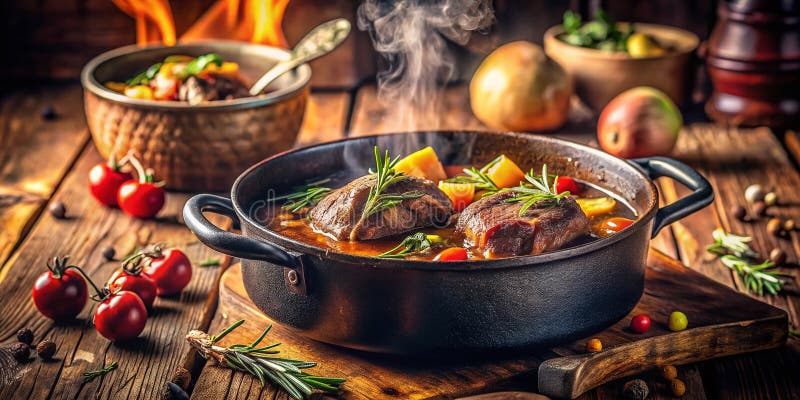
In conclusion, braising is more than cooking; it’s about storytelling through food. As you bring together a humble pot of ingredients, you’re not just preparing a meal—you’re crafting a narrative that speaks to the history, culture, and innovation of the culinary world. Join us in diving deeper into the art of braising and enjoy the journey of turning the ordinary into the extraordinary.
DIVE DEEPER: Click here to discover more
Mastering the Techniques of Braising
To truly appreciate the art of braising, one must first understand the essential techniques that define this cooking method. At its core, braising combines both dry and wet cooking methods, resulting in an incredibly flavorful and tender dish. The process starts with searing the meat in a hot pan to develop a complex crust, known as the Maillard reaction. This step not only enhances the flavor but also creates fond on the bottom of the pot, which serves as a flavorful building block for the sauce.
After the meat is seared, it is removed from the pot briefly to allow room for vegetables, which are also sautéed to release their natural sugars and flavors. Common choices include aromatic vegetables like onions, carrots, and celery, each contributing to the depth of the dish. Once these have softened, the meat returns to the pot, accompanied by a braising liquid that can range from stocks and wines to even fruit juices or beer. The key is to select liquids that will enhance the overall flavor yet allow the meat to shine.
The Importance of Cooking Temperature
Another critical aspect of braising is managing the cooking temperature. To achieve that melt-in-your-mouth tenderness, the process should be done low and slow. Cooking at a low temperature allows the connective tissues in tougher cuts to break down, leading to a soft and succulent result. A common range for braising meat is around 300°F to 325°F. This temperature ensures that there is enough heat to create a simmer but not so high that the dish boils. The duration typically spans from two hours to several hours, depending on the cut of meat and the desired level of tenderness.
Essential Equipment for Braising
While braising can be achieved using a variety of cookware, having the right equipment will significantly enhance the experience. Here are some essential tools:
- Heavy Dutch Oven: This is perhaps the most versatile piece of equipment for braising, as its thick walls retain heat well and distribute it evenly.
- Slow Cooker: For those who prefer convenience, a slow cooker can replicate the braising technique with little supervision.
- Instant Pot: This modern kitchen gadget can significantly reduce cooking times while still infusing flavor through pressure cooking.
Understanding these techniques is vital to mastering braising and ensuring that each dish is not only satisfying but also packed with flavor. Once you grasp these fundamental aspects, you will find yourself well-equipped to tackle various braising recipes that can transform even the simplest ingredients into culinary delights.
The Art of Braising: Turning Tough Cuts into Delights
Braising is a culinary technique that brings out the hidden potential of tougher cuts of meat, transforming them into succulent dishes that are as delightful as they are comforting. This method combines both dry and wet cooking techniques, allowing the meat to develop layers of flavor while ensuring tenderness. The magic lies in the slow cooking process, which breaks down the connective tissues and fats in tougher cuts, resulting in a dish that practically melts in your mouth.
One of the most significant benefits of braising is its versatility. You can braise a wide range of meats, including beef chuck, pork shoulder, lamb shanks, and even chicken thighs. Each cut has its own distinct flavor profile and texture, contributing to a rich culinary tapestry. Additionally, braising allows for a symphony of flavors through the inclusion of aromatic herbs, spices, and vegetables, which infuse the meat as it cooks.
Moreover, braising is not just limited to savory dishes. It can also be applied to fruits and vegetables, creating unique side dishes or desserts. Traditional braised cabbage or apples can add an unexpected twist to your meal, showcasing the true versatility of this method.
As you explore the art of braising, you’ll discover that it is not merely a cooking technique but a journey into the heart of comfort food. Each dish tells a story, making it a perfect choice for family gatherings, celebratory feasts, or cozy nights at home. With the right techniques and ingredients, tough cuts can be transformed into culinary masterpieces that leave a lasting impression.
| Category | Benefits |
|---|---|
| Flavor Development | Braising allows for deep flavor integration from spices, sauces, and aromatics, enhancing the overall dish. |
| Tender Texture | The slow cooking method breaks down tough fibers, resulting in tender and juicy meat that melts in your mouth. |
As you delve further into the world of braising, consider experimenting with various ingredients to unlock new dimensions in flavor and texture. After all, the kitchen is an endless landscape of possibilities, inviting you to explore and create.
DIVE DEEPER: Click here to uncover more cooking techniques
Flavor Combinations: Elevating Your Braising Game
One of the most exciting aspects of braising is the ability to experiment with a plethora of flavor combinations that can enhance the final dish. Traditional braises often feature robust ingredients, but there is no limit to the creativity that can be applied. The essence of braising lies in the balance of flavors and ingredients that harmoniously meld together during the long cooking process. By understanding how various components interact, home cooks can create dishes that are both comforting and unforgettable.
Spices and Aromatics
Spices play a crucial role in deepening the flavor profile of a braised dish. Consider using warm spices such as cumin, coriander, or allspice to introduce a new dimension. Additionally, herbs like thyme, rosemary, and bay leaves can infuse the dish with aromatic undertones. For instance, a braise featuring beef chuck with red wine can be enhanced with a few sprigs of fresh thyme and black pepper, creating a comforting yet sophisticated flavor. The key is to add spices and herbs at different points during the cooking process. Adding them earlier can lead to a more pronounced flavor, while introducing them later can yield fresher notes.
Choosing the Right Meat Cuts
Next, selecting the proper meat cut is essential for a successful braise. Some of the best candidates include brisket, short ribs, and shanks. These cuts contain connective tissue and fat, which render down during the cooking process, resulting in tenderness and flavor. Less commonly considered options like oxtail or pork shoulder can be transformed into delectable dishes when braised. For example, oxtails braised with a combination of tomatoes, garlic, and red wine lead to a rich and hearty meal that exemplifies the art of transforming tough cuts into culinary masterpieces.
Incorporating Unique Ingredients
Thinking outside traditional flavor profiles can elevate a braise into something truly remarkable. Consider incorporating ingredients such as miso paste, which adds umami depth, or coconut milk for a subtle sweetness and creaminess. A Asian-inspired braise might include soy sauce, ginger, and star anise, creating a fragrant dish that delights the palate. Furthermore, using fruits like apricots or prunes in a savory meat dish can provide a delightful contrast, balancing richness with a touch of sweetness that enhances the overall experience.
Wine and Other Braising Liquids
The choice of braising liquid can significantly impact the flavor profile. While wine is often a classic component in many recipes, experimenting with non-traditional liquids can yield exciting results. For example, braising in beer can impart a malty richness, while using apple cider for pork can add bright acidity and sweetness. Not to be overlooked, a rich stock or broth can add depth and complexity, while creative options like vegetable juice or coconut water can yield surprisingly good braises.
Incorporating these various elements not only leads to extraordinary flavor combinations but also invites culinary exploration, inviting cooks to personalize their braising techniques. With each attempt, chefs at home can celebrate the art of braising, continuously transforming tough cuts into delightful dishes that tantalize the palate.
DISCOVER: Click here to learn about sustainable cuisine
Conclusion: Embracing the Transformative Journey of Braising
The art of braising not only showcases the ability to turn tough cuts of meat into mouthwatering delights but also opens the door to endless culinary exploration. By embracing the transformative journey that braising offers, home cooks can elevate humble ingredients into gourmet masterpieces. As we’ve discussed, the careful selection of ingredients—from the right cuts of meat to the thoughtful use of spices, aromatics, and even unique liquids—allows for a fusion of flavors that is both deep and complex.
Much of the magic of braising lies in its simplicity and versatility, making it an ideal method for both novice and seasoned chefs. Whether you experiment with different flavor profiles or introduce unexpected ingredients, each braise presents an opportunity to master new skills and create cherished memories around the dinner table. As the aroma fills your kitchen and the flavors meld together, you will appreciate that this cooking technique is not just about nourishing the body, but also about nurturing the soul.
So, next time you come across a tough cut of meat, remember that with patience and creativity, you can transform it into a dish that delights and surprises. Explore, experiment, and savor the results of your braising endeavors—it’s not just a cooking method; it’s an art form that celebrates the beauty of food.