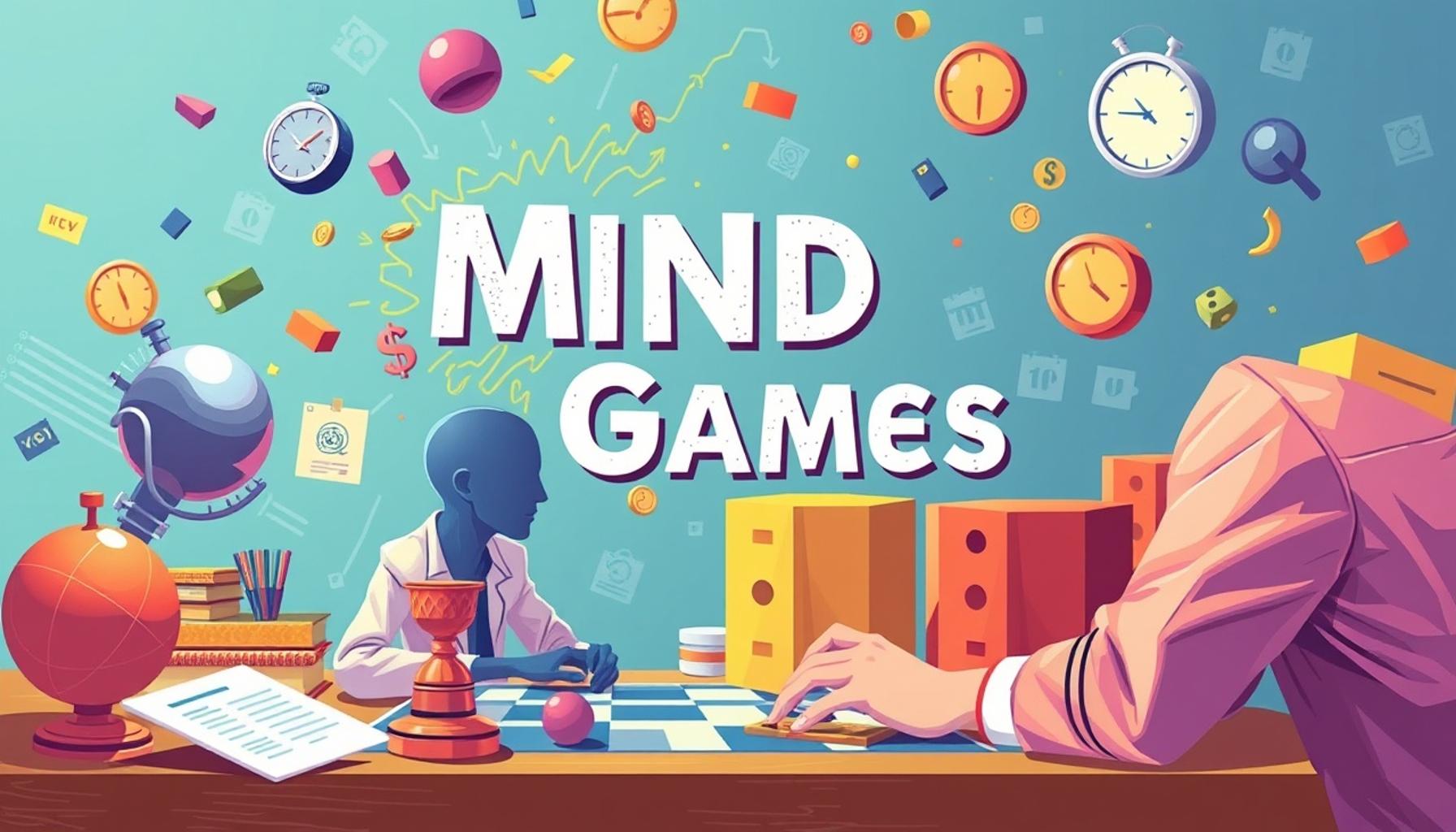
Mind Games: Strategizing Solutions in Board Games and Cognitive Challenges
The Impact of Mind Games on Cognitive Skills
Engaging in mind games is not merely an enjoyable pastime; it is a profound method to enhance our cognitive abilities and refine our strategic thinking. Board games and cognitive challenges create captivating platforms for individuals to strategize, problem-solve, and engage their cognitive faculties in stimulating ways. As we explore this dynamic landscape, we uncover the multitude of games that not only entertain but also foster important skill development.
Types of Games That Stimulate Cognitive Thinking
The array of games available today cater to a diverse range of interests and skill levels, each providing unique benefits:
- Board Games: Timeless classics like Chess exercise critical thinking and foresight, challenging players to anticipate their opponent’s moves several steps ahead. Meanwhile, games like Settlers of Catan incorporate resource management and negotiation, demanding players to strategize not only based on their own position but also on the dynamics of their competition.
- Cognitive Challenges: Activities such as puzzles, Sudoku, and Escape Room experiences require players to use analytical skills and lateral thinking to navigate complex scenarios successfully. Each puzzle solved or room escaped not only brings satisfaction but also strengthens problem-solving capabilities.
- Online Platforms: With the rise of technology, numerous mobile apps and websites have emerged that focus on brain training exercises, such as Lumosity and Elevate. These platforms offer personalized training regimens designed to enhance memory, attention, and cognitive flexibility.
Essential Skills Enhanced Through Mind Games
Participation in these mind games cultivates essential skills that can significantly impact personal and professional growth:
- Analytical Thinking: Engaging with complex problems sharpens our ability to evaluate information systematically, enabling us to make more informed decisions in daily life.
- Adaptability: Many games require players to revise their strategies in real-time as circumstances shift, fostering an ability to adapt and respond effectively to new challenges.
- Teamwork: Cooperative games like Pandemic and Forbidden Island encourage collaboration and communication among players, teaching valuable lessons in teamwork and collective problem-solving.
In examining the world of mind games, it becomes increasingly evident that they offer substantial benefits beyond mere entertainment. Particularly in today’s fast-paced environment, cultivating these cognitive skills can lead to enhanced problem-solving abilities and improved social interactions. As we continue to explore the strategies behind successful gameplay and delve into various cognitive challenges, we invite you to join this journey—discover how these captivating games can elevate not only your mental agility but also your overall quality of life.
DISCOVER MORE: Click here to learn how puzzles can boost your problem-solving skills

Strategic Approaches in Mind Games
As players immerse themselves in mind games, the pursuit of strategy becomes an exhilarating quest. Understanding the mechanics of each game can lead to innovative tactics that not only improve performance but also enhance enjoyment. Whether it’s outsmarting an opponent in a classic board game or deciphering clues in a puzzle, strategic thinking propels players toward success. But what does it mean to strategize effectively in this context, and how can players develop these vital skills?
The Art of Anticipation
One of the pillars of successful gameplay is mastering the art of anticipation. In games like Chess, where every move can dictate the flow of the entire game, players must predict their opponent’s next steps. A chess player who can forecast an opponent’s strategy is often several moves ahead, utilizing a combination of experience and logical deduction. This skill translates not only to the chessboard but also to real-life situations, where foreseeing possible outcomes can lead to better decision-making.
Resource Management and Strategic Allocation
In games such as Settlers of Catan, the effective management of resources is critical. Players must strategically decide where to invest their resources, balancing short-term gains against long-term objectives. By doing so, they learn to assess risks and rewards—skills that are invaluable in both personal finance and career planning. The ability to allocate resources wisely fosters a mindset geared toward efficiency and effectiveness, laying the foundation for success in various facets of life.
Problem Solving under Pressure
Mind games often present players with intense scenarios that demand immediate problem-solving. For instance, Escape Room experiences require teams to collaborate under a time constraint, forcing players to quickly devise plans and communicate effectively. The pressure of a ticking clock can stimulate creativity, enabling players to think outside the box. Learning to maintain composure while addressing complex challenges can significantly enhance one’s ability to thrive in fast-paced environments.
Enhancing Cognitive Flexibility
Engagement in diverse mind games encourages cognitive flexibility, the ability to switch between thoughts and adapt to new information. This skill is especially prominent in games that incorporate multiple strategies or outcomes. Players who regularly engage in these activities are not only better prepared for unpredictable situations but also demonstrate heightened creative thinking and innovation in their daily lives. For example, adapting strategies in a game of Scrabble as tiles are played requires mental agility, providing practice that transcends the game itself.
In conclusion, the strategic foundations laid during participation in mind games foster numerous cognitive benefits essential for personal development. As players navigate through challenges, hone their decision-making skills, and reinforce their ability to anticipate and adapt, they emerge with a robust toolkit applicable beyond the gaming table. Exploring the intersection between fun and cognitive enhancement, mind games reveal themselves as invaluable vehicles for growth. With this understanding, players are better equipped to strategize and succeed, both in their games and their lives.
Exploring the Depths of Mind Games
Board games have long been revered as an engaging form of entertainment, but they also serve as exceptional tools for enhancing cognitive abilities and strategic thinking. The theme of “Mind Games: Strategizing Solutions in Board Games and Cognitive Challenges” not only encapsulates the fun of playing but also underscores the profound benefits these games provide. Let’s delve into how immersion in these cognitive challenges impacts our mental acuity and decision-making skills.
| Category 1 | Category 2 |
|---|---|
| Cognitive Development | Enhancement of problem-solving skills and strategic thinking. |
| Social Interaction | Encourages teamwork, communication, and social bonding. |
Engaging in a variety of board games promotes cognitive development by facilitating an environment where individuals can experiment with different strategies and solutions. This kind of mental workout sharpens decision-making abilities and increases resilience in cognitive processes.
Moreover, board games foster social interaction, providing participants opportunities to work together and develop their communication skills. Navigating the intricacies of these challenges prepares players for real-world social dynamics, showcasing the multifaceted advantages of embracing this captivating realm of mind games.
As you continue exploring the world of board games, consider how each session not only entertains but also nurtures essential life skills. The strategic solutions you develop today could very well translate into enhanced cognitive resilience tomorrow.
LEARN MORE: Click here to discover the benefits of mathematical challenges
Psychological Warfare: The Mind Behind the Games
Beyond the rules and mechanics of mind games lies a complex layer of psychological strategy that can dramatically influence outcomes. Players often engage in a subtle form of psychological warfare, leveraging their understanding of human behavior to gain traction over opponents. This aspect not only makes games more captivating but also enhances interpersonal skills that are valuable in everyday interactions.
The Role of Deception
In many mind games, such as Bluff or Poker, the art of deception is a powerful tactic. Players must learn to read the intentions and emotions of their opponents while masking their own. This balancing act encourages a heightened sense of awareness, prompting players to pay attention not just to the game itself, but also to non-verbal cues and psychological signals. Research suggests that honing these skills can have far-reaching effects, improving emotional intelligence and interpersonal communication skills in various social contexts.
The Importance of Patience and Deliberation
Another crucial psychological aspect in board games is the need for patience. Games like Go or even Bridge often involve long-term strategizing and the ability to delay gratification. Players must resist the urge to make impulsive moves and instead focus on building a comprehensive plan that secures their victory. In real life, this correlates with enhanced self-control and the ability to think through consequences before acting, an essential trait in personal and professional growth.
Collaboration versus Competition
Some mind games foster an environment where teamwork is critical for success. For example, in cooperative games like Pandemic, players must work together to strategize against a common threat. This not only enhances collaboration skills but also fosters an understanding of group dynamics. Engaging in cooperative play can teach players how to effectively communicate ideas, delegate responsibilities, and support one another. These experiences can spill over into professional settings, where teamwork and collaboration are key to achieving organizational goals.
Learning from Failure
Failure is an inevitable part of playing mind games. However, how players respond to setbacks can shape their character and resilience. Games like Risk or Monopoly often lead to defeat for some, but rather than becoming discouraged, players frequently analyze their missteps and adapt their strategies in future attempts. This spirit of learning from failure cultivates a growth mindset, allowing individuals to embrace challenges as opportunities for improvement both in games and in real life.
Engaging the Brain: The Neurological Benefits
Research has shown that engaging in mind games stimulates cognitive functions, enhancing brain health and strengthening neural connections. For instance, games that require pattern recognition, like Mahjong, encourage players to think critically and remember various sequences. This mental exercise can contribute to improved memory, concentration, and even the potential prevention of cognitive decline with age. In addition, players often report heightened creativity, as many games necessitate thinking outside traditional parameters to find solutions.
By delving deeper into the psychological components and cognitive benefits inherent in mind games, players can realize the full scope of their learning potential. The act of strategizing transforms these games from mere pastimes into profound tools for personal development, enriching every facet of life. With each move, players enhance not only their gaming acumen but also essential skills that will accompany them off the board and into the real world.
DISCOVER MORE: Click here to learn how word games enhance your problem-solving skills
Conclusion: Unleashing Potential Through Mind Games
In the realm of mind games, the intertwining of strategy, psychology, and cognitive challenge creates a rich tapestry for personal and social development. As players navigate the complexities of games like Poker or Pandemic, they not only sharpen their tactical skills but also cultivate qualities such as resilience, patience, and emotional intelligence. The ability to decipher opponents’ intentions and work collaboratively enhances communication skills, an invaluable asset in both personal and professional spheres.
The neurological benefits offered by engaging in these games cannot be overlooked. Studies indicate that consistent participation in cognitive challenges fosters improved memory, concentration, and even creativity. As individuals push the boundaries of traditional thought through innovative gameplay, they set the stage for real-world application and problem-solving. Moving beyond the gaming board into everyday life, the strategies employed in mind games can inspire innovative solutions to complex situations.
Ultimately, mind games are more than mere entertainment; they serve as essential tools that facilitate growth, enrich interpersonal relationships, and enhance mental agility. By embracing the multifaceted benefits of these games, players unlock not just a pathway to victory on the board but also a deeper understanding of themselves and the world around them. As we continue to explore the intricate dance of strategy and psychology within these challenges, we can appreciate their profound impact in shaping our cognitive and emotional landscapes.
Related posts:
The Role of Logic Games in Improving Mental Resilience
Developing Problem-Solving Skills Through Classic Puzzles
The Psychology Behind Logic Games: How to Solve Problems with Creativity
Puzzles and Education: How Riddles Can Stimulate Critical Thinking in Children
Exploring the Logic of Escape Games: Strategies for Real-Time Problem Solving
Unraveling Mysteries: The Art of Solving Puzzles and Mental Challenges

Linda Carter is a writer and puzzle expert specializing in mind games, brain teasers, and cognitive challenges. With extensive experience helping individuals enhance their problem-solving skills and think critically, Linda shares her knowledge on our platform. Her goal is to empower readers with practical advice, engaging puzzles, and strategies to sharpen their minds and achieve success in the captivating world of mind games and puzzles.