
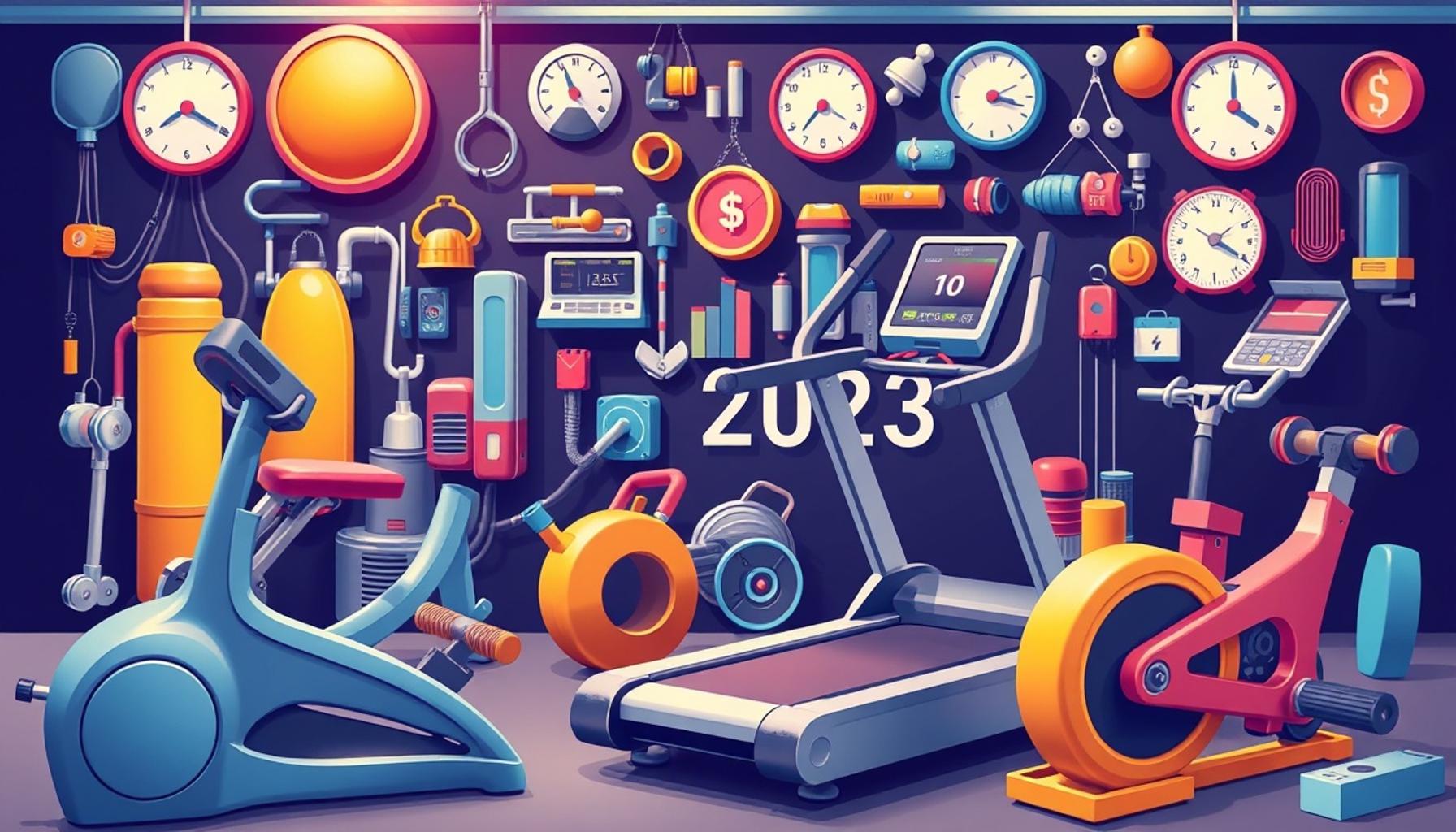
The fitness landscape is undergoing a transformative shift, characterized by rapid advancements in technology and changing consumer preferences. In 2023, this evolution continues as we witness unprecedented developments in how people approach exercise and health. The integration of cutting-edge technology into fitness routines is making workouts not only more effective but also more enjoyable, inspiring individuals to reach their health goals with greater enthusiasm.
Emerging Trends to Watch
Several key trends are shaping the fitness industry this year, including:
- Smart Equipment: Fitness devices equipped with AI and connectivity features transform traditional workouts into interactive experiences. For instance, smart treadmills can track heart rates, suggest optimal training regimens based on user data, and connect to apps for real-time community challenges, keeping users motivated and engaged.
- Hybrid Training Solutions: Blending in-person and virtual workouts allows for greater flexibility and increased participation. Popular platforms like Peloton and Mirror are enabling users to switch between physical classes and online sessions, catering to diverse fitness preferences and schedules.
- Eco-Friendly Materials: Sustainability is becoming essential, with manufacturers prioritizing eco-conscious products. Brands are increasingly utilizing recycled materials in their equipment and apparel, addressing both environmental concerns and the growing demand from health-conscious consumers who value sustainability.
Experience-Driven Workouts
This year, consumers are seeking experience-driven equipment that offers more than just performance stats. Innovations such as smart mirrors that provide real-time feedback and immersive virtual reality workout environments are on the rise, enhancing user engagement. These devices not only track performance but create captivating experiences that keep individuals coming back for more. Moreover, community-centric platforms that foster connections among users encourage accountability and enhance motivation.
For instance, virtual classes that allow participants to see and chat with others create a supportive environment that can lead to increased adherence to fitness goals. Such communal workouts, now more prevalent than ever, help to alleviate the loneliness often associated with individual exercise routines.
As fitness enthusiasts navigate this exciting year, staying informed about innovative exercise equipment trends is imperative for anyone looking to redefine their health and wellness journey. Exploring these changes can provide fresh insights into the broader industry landscape, galvanizing both fitness novices and seasoned athletes to adapt and thrive in this dynamic environment.
DISCOVER MORE: Click here to dive deeper
Revolutionizing the Home Gym Experience
As more individuals opt for home workouts, revolutionary exercise equipment is emerging to cater to this shift. In 2023, the demand for compact and versatile fitness gear continues to grow, as consumers recognize the importance of efficient use of space while maintaining multifunctional capabilities. This year, equipment like adjustable dumbbells, resistance bands with varying tension levels, and compact strength training machines are taking center stage, allowing users to perform a wide range of exercises without the need for bulky machines.
The trend of customization is also prevalent, with manufacturers focusing on delivering gear that can adapt to different fitness levels and goals. For example, brands are launching modular equipment that can be transformed or expanded as a user’s fitness journey evolves. This not only provides a cost-effective solution for long-term fitness enthusiasts but also encourages beginners to challenge themselves progressively.
Interactive Technology in Fitness Equipment
Integrating technology into workout routines has proven not only to enhance performance but also to make the process enjoyable. In 2023, we see an increase in the availability of interactive fitness equipment that utilizes augmented reality (AR) and virtual reality (VR) capabilities, allowing users to engage in immersive workout experiences. Gyms and home users alike are exploring VR-based fitness systems that transport them into various environments—from serene beaches to challenging mountain trails—creating a sense of adventure while exercising.
Furthermore, data analytics is becoming a staple feature in exercise equipment. Smart wearable devices and fitness trackers can now offer real-time feedback on metrics such as heart rate, calorie burn, and recovery time. Users can utilize this data not only to track their progress but also to tailor their workouts more effectively, leading to enhanced results and improved motivation. Access to such insightful information transforms the conventional workout routine into a more deliberate, informed practice.
The Rise of Group Fitness Experiences
In 2023, another prominent trend is the resurgence of group fitness experiences facilitated by innovative equipment. Even as many opt for home workouts, the need for community and connection remains strong. Fitness providers are now developing equipment that supports group training, whether in-person or virtually. Products such as connected stationary bikes with leaderboard features, or battle ropes that allow multiple users to engage in synchronized workouts, are becoming popular.
The concept of ‘working out together’ is more important than ever; studies have shown that individuals are more likely to stick to their routines when they share their journey with others. This trend has propelled the popularity of fitness platforms that encourage collective challenges, group classes, and social features integrated into smart equipment, further widening the appeal of fitness options available today.
As these innovative exercise equipment trends unfold, they showcase the industry’s ability to adapt and meet evolving consumer demands. For those looking to enhance their fitness experience in 2023, staying informed about these advancements may offer exciting new pathways toward achieving health and wellness goals. The fitness industry is not merely responding to the changes in consumer behavior; it is leading the charge into a future where exercise is not just a routine but a lifestyle defined by connection, technology, and personalization.
Innovative Technology Integration
In 2023, we are witnessing a robust fusion of cutting-edge technology with traditional fitness equipment, elevating user experience and engagement. The integration of smart technology into exercise equipment is becoming ubiquitous. Devices now come equipped with sensors, tracking capabilities, and AI algorithms that personalize workouts based on individual performance metrics. Smart exercise machines monitor heart rates, calories burned, and even suggest workout adjustments in real time. This offers a tailored approach that can significantly enhance fitness outcomes and makes the experience more enjoyable for users at all levels.
Virtual Fitness Experiences
The emergence of virtual reality (VR) and augmented reality (AR) is a game changer in the fitness landscape. Gyms are now offering immersive VR workouts that simulate outdoor environments, allowing users to cycle through scenic trails or climb mountains without leaving the gym. This adds an exciting dimension to the mundane workout routine, making fitness not just a chore but an adventure. Such innovations keep users motivated to stay on track and often lead to increased retention rates in gyms and fitness studios.
| Category | Description |
|---|---|
| Smart Fitness Equipment | Integrates AI to create customized training regimens based on user data. |
| Virtual Reality Workouts | Provides immersive experiences that make workouts feel like adventures. |
As technology continues to evolve, the expected transformation in fitness equipment not only garners attention but also motivates individuals to embrace healthier lifestyles. Wellness enthusiasts are now more inclined to discover how these innovations can cater to their specific fitness goals, making 2023 a pivotal year for assisting people in achieving their health aspirations.
DISCOVER MORE: Click here for further insights
Emphasis on Sustainability and Eco-Friendly Materials
In 2023, an increasing number of consumers are prioritizing sustainability as a prominent factor in their purchase decisions, and the fitness industry is no exception. The trend towards eco-friendly exercise equipment is gaining substantial traction as brands strive to design products that not only promote physical fitness but also support environmental conservation. Manufacturers are exploring sustainable materials such as recycled plastics, bamboo, and responsibly sourced metals to create gym gear that minimizes ecological impact.
Additionally, companies are innovating around the lifecycle of their products. The rise of upcycling and designing equipment for easy disassembly is gaining attention. Brands are actively promoting programs for customers to return old equipment, which can then be refurbished or recycled responsibly. This circular economy approach not only attracts ethically-minded consumers but also helps reduce the fitness equipment waste stream that often ends up in landfills.
The Integration of Telehealth into Fitness Solutions
The pandemic has prompted a major shift in how health professionals deliver their services, and in 2023, the convergence of telehealth and fitness is becoming increasingly pronounced. This trend is reflected in the creation of exercise equipment equipped with telehealth capabilities, allowing trainers and health coaches to provide guidance and support effectively. Smart equipment with built-in cameras and sensors can facilitate virtual training sessions, enabling professionals to monitor users’ form and offer real-time feedback.
This integration brings significant benefits—especially for those grappling with injuries or chronic conditions. Through telehealth-enabled exercise equipment, users can connect with physiotherapists and trainers from the comfort of their homes while receiving safe and tailored advice to enhance mobility and recovery. Research shows that users participating in telehealth-supported workouts report improved adherence to exercise regimens, offering a promising avenue for holistic health management.
The Emergence of AI-Powered Personal Training
Artificial Intelligence is reshaping several aspects of our daily lives, and the fitness industry is tapping into this technology in innovative ways. In 2023, AI-powered personal trainers are making waves, delivering a customized workout experience that adapts to individual performance in real time. Utilizing data gathered from smart equipment, these AI systems analyze users’ movements and progress, providing personalized workout adjustments, nutritional suggestions, and recovery plans tailored to specific needs.
Moreover, the interactive nature of AI in fitness allows for enhanced motivation; virtual trainers can offer encouragement and modified exercises on the fly, ensuring participants stay engaged and challenged throughout their sessions. This development signifies a significant leap forward, making personal training more accessible while also accommodating a broader audience, including those who may feel intimidated by traditional gym settings.
As we move through 2023, it’s evident that the fitness landscape is evolving, driven by a newfound focus on sustainability, telehealth integration, and cutting-edge technology. These trends reflect not only consumer demand but also a deepening understanding of the relationship between fitness, health, and our world, paving the way for an enriched workout experience that resonates with a diverse range of individuals.
DISCOVER MORE: Click here to dive deeper
Conclusion
As the fitness industry embraces 2023, the landscape of exercise equipment is transforming in exciting and meaningful ways. Shifting consumer preferences towards sustainability, enhanced integration of telehealth services, and the rise of AI-powered personal training represent a profound evolution in how we approach fitness. The increasing demand for eco-friendly materials reflects a growing awareness of environmental responsibilities, further encouraging companies to innovate while reducing their ecological footprint.
The melding of technology with fitness through telehealth solutions is proving essential for individuals seeking tailored health management from their homes. This development not only optimizes rehabilitation but also promotes sustained engagement in fitness routines. Meanwhile, AI is ushering in a new era of personalized training, adapting workouts to individual needs and encouraging users to stay connected and motivated. These advancements are democratizing access to personal training, making workouts more inclusive for diverse populations.
Looking ahead, the intersection of technology and fitness indicates a promising future that empowers individuals to take charge of their health and well-being. As 2023 unfolds, stakeholders within the fitness community—whether manufacturers, trainers, or consumers—will play pivotal roles in shaping a more innovative and sustainable industry. By staying informed about these trends, individuals can embrace a new wave of fitness solutions that cater to both personal goals and global needs. Engaging with this evolving landscape not only fosters personal growth but also contributes positively to a healthier planet.