How Mind Games Stimulate Neuroplasticity for Better Memory
The Power of Neuroplasticity
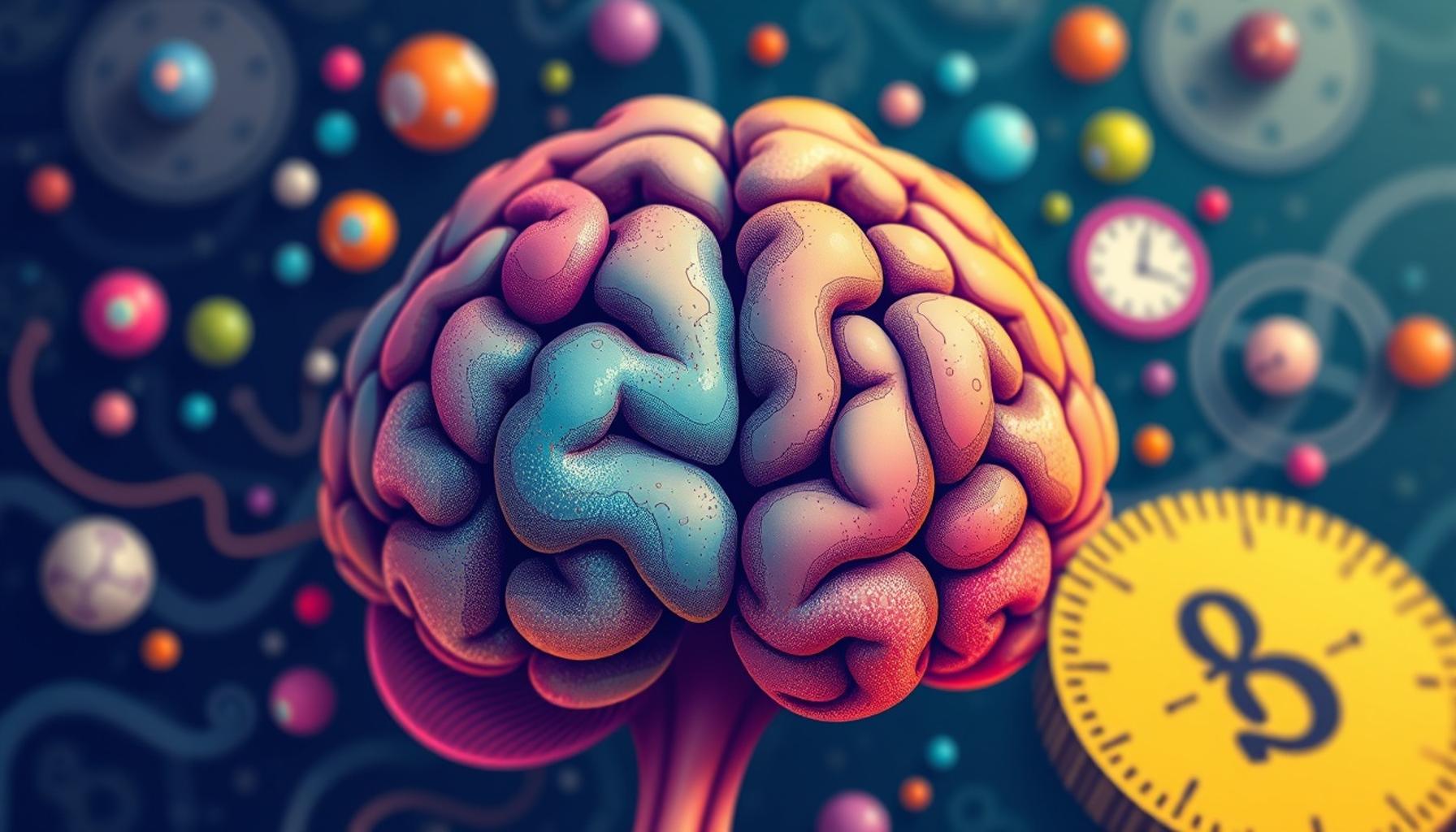
The human brain, often regarded as the command center of our body, is a complex and adaptable organ. Its ability to change and reorganize itself throughout life is known as neuroplasticity. This fascinating capability not only underpins our capacity to learn new things and adapt to changing circumstances, but it is also essential for enhancing our memory. Engaging in stimulating activities, particularly mind games, can significantly contribute to this cognitive flexibility.
Mind games, which range from puzzles to memory games and strategy board games, offer much more than mere amusement. They can actively promote brain health in various ways:
- Enhancing cognitive functions: Mind games challenge players to think critically and solve problems. For example, playing chess requires strategic planning and foresight, engaging various cognitive processes.
- Encouraging creativity: These games inspire innovative thinking by necessitating new approaches to challenges. For instance, a game like Sudoku can push players to think outside the box to find solutions.
- Improving concentration: The need to focus during gameplay helps to strengthen one’s attention span. Activities like crosswords demand sustained mental effort, which fortifies the brain’s ability to concentrate on tasks.
Research consistently shows that regular cognitive engagement can lead to both structural and functional changes in the brain, crucial for enhancing memory retention. This means that when you take time to participate in mind games, you’re not merely passing the time; instead, you’re giving your brain a thorough workout. This continual stimulation reinforces neural connections, making it easier to learn and remember information.
For those looking to improve their cognitive abilities and adapt to new challenges, incorporating mind games into daily routines can be particularly beneficial. Activities such as playing memory card games with family, solving jigsaw puzzles during a cozy evening, or even engaging with apps designed for brain training can all serve as effective tools in this regard. As research suggests, these simple yet engaging tasks can help unlock your brain’s incredible potential.
Diving Deeper into Mind Games and Neuroplasticity
The connection between mind games and neuroplasticity opens a multitude of intriguing avenues for enhancing mental functions. Consider the impact of a game like Lumosity, which is specifically designed to challenge various cognitive skills. Users from around the United States have noted improvements in memory and problem-solving skills after consistent gameplay.

As we continue to understand how neuroplasticity works, it becomes clear that even small changes to our daily routines can have profound effects on our cognitive health. By dedicating just a few minutes each day to brain exercises, anyone can promote a healthier, more adaptable mind. Delving into the engaging world of brain training could be one of the best decisions for your mental health as you embark on the journey to unlock your brain’s full potential.
DIVE DEEPER: Click here to discover more about memory improvement
Unlocking Cognitive Potential through Mind Games
As we explore the intricate relationship between mind games and neuroplasticity, it is essential to understand how engaging in these activities can not only sharpen our minds but also lay the groundwork for enhanced memory capabilities. The science of neuroplasticity demonstrates that our brains are not static; rather, they possess an incredible ability to reorganize and form new neural connections in response to learning and experiences. Thus, by consistently challenging ourselves with strategic and cognitive games, we can actively facilitate this rewiring process.
One of the most compelling aspects of mind games is their versatility in engaging various aspects of cognitive function. Here are some notable benefits of incorporating mind games into your daily routine:
- Boosting Memory Retention: Games designed to improve recall and recognition, such as memory matching games or apps like “Peak,” are proven to enhance memory capacity. They encourage players to utilize both short-term and working memory, effectively exercising the brain’s memory circuits.
- Building Problem-Solving Skills: Many mind games, such as strategy-based simulations and logic puzzles, push individuals to analyze situations, strategize solutions, and think critically under pressure. This process not only nurtures problem-solving capabilities but also enhances overall cognitive agility.
- Fostering Spatial Awareness: Games that require navigation, such as mazes or specific video games like “Portal,” challenge players to visualize and manipulate spatial environments. This enhanced spatial awareness contributes to improved memory and cognitive flexibility.
Beyond the immediate enjoyment of playing these games, research indicates they affect long-term brain health positively. Studies conducted by institutions such as the University of California, Berkeley, have shown that regular engagement with cognitive tasks leads to significant improvements in attention, long-term memory, and even emotional well-being. This compelling evidence highlights how a few moments of mental exercise can yield significant returns on our overall cognitive health.
Moreover, the social aspect of playing mind games with family and friends further enriches the experience. Games that foster collaboration and competition, such as trivia or card games, not only provide entertainment but also stimulate discussion and social interaction, both of which are proven to support emotional intelligence and resilience. This social engagement adds another layer to the countless benefits derived from mind games, making them all the more appealing for individuals seeking to improve their mental acuity.
In embracing mind games as a regular part of our lives, we can start to harness the profound benefits of neuroplasticity. By intertwining pleasure with cognitive challenges, we lay down the fundamental pathways for improving memory and enhancing various cognitive functions, ensuring that our brains remain vibrant and agile well into our later years.
Exploring the Benefits of Mind Games
Engaging in mind games has been increasingly recognized as a powerful tool in enhancing cognitive abilities. Numerous studies suggest that mind games not only improve memory but also promote neuroplasticity, the brain’s ability to reorganize itself by forming new neural connections. With this understanding, let’s delve into the specific advantages of incorporating mind games into your daily routine.
| Category | Details |
|---|---|
| Cognitive Enhancement | Mind games stimulate various cognitive functions including attention, problem-solving, and reasoning. |
| Memory Improvement | Regular practice of mind games enhances both short-term and long-term memory retention and recall. |
| Stress Reduction | Engaging in enjoyable mind games can reduce stress and anxiety, which positively affects memory function. |
| Social Interaction | Participating in group games fosters connections and social skills, both important for cognitive health. |
The interaction of these factors showcases how mind games can lead to significant cognitive developments, enhancing overall life quality while also participating in exciting and fun activities. The science behind neuroplasticity specifically supports these observations, encouraging a wider adoption of mind games in educational and therapeutic settings.
DISCOVER MORE: Click here to unlock your creative potential
Cognitive Challenges and Their Long-Term Impacts
The adaptability of the human brain is one of its most remarkable features, and mind games serve as an excellent tool for leveraging this potential. The principle of neuroplasticity denotes that engaging in novel experiences and challenges can strengthen existing neural pathways and create new ones. By playing mind games, we continually expose our brains to fresh stimuli that foster cognitive development. The more diverse these activities are, the more comprehensive the benefits.
Incorporating varied types of mind games can lead to a more well-rounded cognitive workout. For instance, crossword puzzles and Sudoku not only improve vocabulary and basic arithmetic skills but also activate multiple areas of the brain. Each letter or number placed in the correct spot contributes to a network of active synapses that communicate with one another, thereby enhancing memory retention. Furthermore, a recent study published in the journal “Experimental Aging Research,” found that older adults who participated in word puzzles exhibited slower cognitive decline compared to their peers who did not engage in similar activities.
Another aspect of mind games that is often overlooked is the significance of frequency and duration of play. Research suggests that regular engagement—playing mind games for a minimum of 15 to 30 minutes several times a week—can lead to measurable improvements in cognitive performance. Strategically designed games like chess require forward-thinking and planning, which not only engage the prefrontal cortex but also improve working memory. As players think several moves ahead, they activate neural circuits that are crucial for decision-making and problem-solving.
Additionally, certain mind games target different cognitive processes, such as attention and multitasking. For example, action video games have been shown to improve players’ ability to track multiple objects simultaneously, fostering enhanced attention and spacial awareness. A study conducted by the University of Toronto revealed that players who regularly engage in fast-paced action games demonstrate faster reaction times and improved spatial manipulative skills. This introduces an interesting cross-section of gaming and cognitive development, suggesting areas for further exploration into how different game types might provoke specific brain benefits.
The world of immersive technologies, like virtual reality (VR), further exemplifies potential advancements in cognitive training through mind games. VR experiences that simulate real-world challenges can create a dynamic learning environment that not only challenges the mind but also helps reinforce new memories by creating engaging and memorable contexts. As players navigate through virtual landscapes while solving problems, they are efficiently engaging in a form of cognitive training that can lead to lasting changes in brain function.
The integration of technology into mind games opens avenues for personalized training and enhanced memory performance. Apps that adapt to users’ skill levels provide tailored challenges, ensuring ongoing engagement and sustained cognitive growth. Studies on platforms like Lumosity have highlighted improvements in memory recall, attention, and even problem-solving abilities among consistent users, underscoring the tangible benefits of incorporating technology into cognitive games.
Overall, the combination of traditional mind games with technological advancements represents a promising frontier in cognitive health. As we delve deeper into understanding how these interactions stimulate neuroplasticity, one thing is clear: the potential for elevating memory performance through engaging cognitive challenges is vast and still largely untapped.
DIVE DEEPER: Click here to discover more
Conclusion
In summary, the exploration of mind games reveals a fascinating intersection between entertainment and cognitive enhancement through neuroplasticity. The brain’s remarkable ability to adapt and reorganize itself underscores the significant impact that engaging in diverse cognitive challenges can have on memory and overall mental agility. Regular participation in mind games such as crossword puzzles, chess, and action video games not only enriches our cognitive reservoir but also contributes to robust memory retention and improved problem-solving skills.
The evidence presented through various studies illustrates that individuals who embrace these mental exercises are better equipped to stave off cognitive decline, demonstrating the long-term benefits of sustaining brain activity. Additionally, the incorporation of technology, particularly through personalized apps and immersive virtual reality experiences, amplifies these effects, making cognitive training accessible and tailored to individual needs.
As we continue to uncover the mechanisms behind neuroplasticity, the potential applications of mind games in promoting mental health and enhancing memory capabilities are only beginning to be realized. For those eager to sharpen their minds, the recommendation is clear: integrate challenging cognitive activities into your daily routine. By doing so, you not only stand to improve your memory and cognitive skills but also participate in a proactive journey towards lifelong learning and mental resilience. The future promises further innovations in this field, making it an intriguing area for anyone curious about enhancing their cognitive prowess.
Related posts:
The Role of Memory Games in Cognitive Development Across Ages
Exploring the Effectiveness of Memory Training Apps: A Comparison of Popular Mind Games
Exploring the Connection Between Strategy Board Games and Long-Term Memory Development
Puzzles as Tools for Memory Retention: Strategies and Techniques
Cultural Variations in Puzzle Preferences and Their Impact on Memory Skills
How Visual Puzzles Enhance Spatial Memory and Cognitive Function

Linda Carter is a writer and puzzle expert specializing in mind games, brain teasers, and cognitive challenges. With extensive experience helping individuals enhance their problem-solving skills and think critically, Linda shares her knowledge on our platform. Her goal is to empower readers with practical advice, engaging puzzles, and strategies to sharpen their minds and achieve success in the captivating world of mind games and puzzles.