How Mind Games Improve Problem-Solving Abilities in Adults
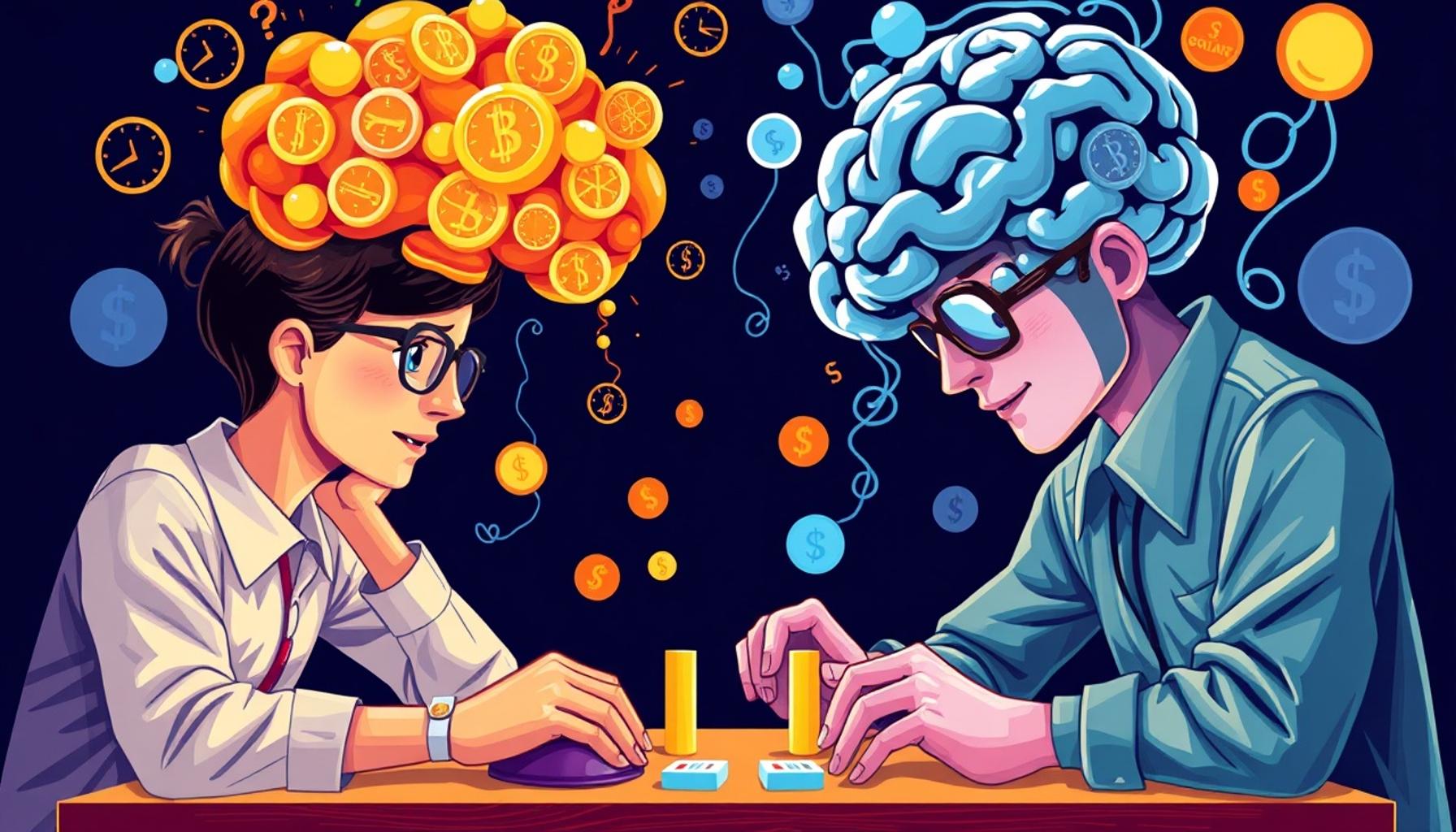
Mind Games and Their Impact on Problem-Solving Skills
In today’s fast-paced society, individuals face a multitude of challenges ranging from workplace obstacles to personal dilemmas. Navigating these situations successfully requires not just intelligence, but also a set of refined problem-solving abilities. Engaging with mind games presents an appealing and effective method to cultivate these vital skills while offering an enjoyable pastime.
But what precisely are mind games? These are activities designed to challenge the brain and stimulate mental agility. The scope of mind games is extensive, encompassing a variety of formats that can appeal to different interests and preferences. Here are some noteworthy examples:
- Puzzles: Traditional puzzles like Sudoku and crosswords, as well as jigsaw puzzles, require a regular analysis and synthesis of information, honing one’s ability to recognize patterns and develop strategies.
- Strategy games: Games such as chess and checkers call for forward-thinking and tactical maneuvering. Video games like “Civilization” or “StarCraft” further push players to make complex decisions in real-time, requiring a balance of short-term tactics and long-term strategies.
- Brain teasers: Riddles and other verbal challenges not only entertain but also encourage lateral thinking and creativity, prompting players to consider multiple perspectives and solutions to a single problem.
Participating in these activities can yield substantial cognitive benefits that extend well beyond mere leisure. Numerous studies indicate that engaging with mind games can:
- Enhance cognitive flexibility: This is the brain’s ability to adapt and switch between thinking about different concepts, a crucial skill in creative problem-solving.
- Improve memory retention: Regular engagement in mental challenges strengthens neural connections in the brain, which can result in better information recall.
- Strengthen logical reasoning: Many mind games require players to construct arguments or deduce outcomes based on limited information, reinforcing critical reasoning skills.
By activating and stimulating various areas of the brain, these games help individuals build a comprehensive toolkit for effectively addressing real-world problems. Beyond immediate cognitive gain, these skills can enhance one’s professional and personal interactions, leading to more successful collaboration and conflict resolution.
Interested in understanding how playing translates into practical skills? Consider how the strategy formulated in a game of chess can parallel negotiations in the workplace, where anticipating an opponent’s moves is crucial for success. Moreover, solving a difficult riddle can mirror everyday challenges that require innovative thinking under pressure. The link between mind games and enhanced problem-solving skills is not just theoretical; it is a pathway to improving how we think, act, and ultimately succeed in our multifaceted lives.

DISCOVER MORE: Click here to uncover the benefits of competitive mind games
The Cognitive Benefits of Engaging in Mind Games
Engaging in mind games acts as a robust exercise for the brain, fostering significant improvements in various problem-solving abilities that are essential in adult life. The dynamic nature of these games prompts individuals to think critically, strategize effectively, and approach challenges with creativity. Studies indicate that playing these games can enhance more than just one’s enjoyment; they can lead to profound cognitive transformations that translate into real-world applications.
Understanding the Role of Cognitive Flexibility
One of the most notable benefits of mind games is their ability to enhance cognitive flexibility. This skill allows individuals to adapt their thinking to new, unexpected, or diverse situations, which is vital in our constantly changing world. Research suggests that players who regularly engage in games like chess or strategy-based video games demonstrate improved ability to switch between tasks and consider multiple perspectives simultaneously. For example, a study published in the journal Cognitive Science revealed that strategy game players were significantly more adept at solving novel problems than their non-playing counterparts.
The Connection Between Mind Games and Memory Retention
Another crucial aspect to consider is how engaging with mind games can improve memory retention. Activities such as Sudoku or crossword puzzles require players to recall rules, sequences, and strategies, thereby reinforcing neural pathways associated with memory. The brain functions much like a muscle; the more it is exercised, the stronger it becomes. This practice can lead to improved information recall in both personal and professional contexts.
Building Logical Reasoning Through Gameplay
Moreover, many mind games hone logical reasoning skills. For instance, playing a game of logic puzzles or participating in trivia challenges requires players to construct robust arguments and deduce outcomes based on available information. This kind of structured thinking is invaluable in everyday life, where clear reasoning and evidence-based conclusions can lead to better decisions. A 2022 survey found that professionals who regularly engage in mind games report feeling more confident in their decision-making abilities and exhibit stronger analytical skills in the workplace.
Practical Applications Beyond Gameplay
The skills developed through mind games extend into practical applications that significantly impact adult life. The strategic thinking fostered in a game of chess can be directly applied to workplace negotiations, where anticipating the opposing side’s moves is critical to achieving favorable outcomes. Furthermore, solving a tricky riddle can mirror the innovative thinking required to tackle a project deadline or a challenging client interaction.
Thus, the relationship between engaging in mind games and enhancing problem-solving abilities is not merely theoretical; it is backed by scientific evidence and real-life applications. Adults who dedicate time to these activities are often better prepared to handle the complexities of modern life, making mind games a compelling choice for cognitive development.
Understanding the Cognitive Benefits of Mind Games
Mind games, also known as cognitive or mental games, span a variety of activities, from puzzles and strategy games to complex problem-solving scenarios. These engaging forms of entertainment do not just provide amusement; they serve as mental workouts for adults, akin to physical exercises that strengthen the body. Engaging in mind games has been shown to enhance several core cognitive functions, including memory, attention, and ultimately, problem-solving skills.Research indicates that consistent participation in mind games can lead to improved neural plasticity. This is the brain’s ability to adapt and reorganize itself by forming new neural connections. By challenging oneself with various mental exercises, adults can stimulate their brains similarly to how physical training enhances muscle strength. This stimulation encourages a more agile mindset that can efficiently navigate complex problem-solving situations, both in personal and professional lives.
The Role of Strategy and Planning
Incorporating strategy within mind games, like chess or Sudoku, encourages players to plan ahead and think critically. These activities compel individuals to consider multiple outcomes, analyze information, and develop actionable solutions—skills that are directly transferable to real-life problem-solving scenarios. For instance, adults often face multifaceted challenges in the workplace requiring swift analysis and comprehensive solution development. The strategies honed through mind games can significantly influence decision-making processes in these high-stakes environments.
Building Resilience Through Play
Moreover, mind games build mental resilience. They present a safe environment to encounter failure and success. This safe-to-fail mindset prepares adults to face difficult situations head-on, allowing them to remain calm and focused under pressure. This experiential learning enhances their ability to approach real-life problems with a balanced perspective, as they learn not just from victories but also from defeats. The lessons gained from such games fortify adults against the challenges of everyday life, fostering a greater sense of confidence and adaptability.
| Cognitive Benefit | Description |
|---|---|
| Enhanced Memory | Regular engagement in mind games can lead to significant improvements in memory recall. |
| Critical Thinking Skills | Mind games improve analytical thinking, which helps in assessing situations and making effective decisions. |
This connection between mental exercises and enhanced cognitive function enables both personal growth and professional development, making mind games an essential component of lifelong learning. Beyond just increasing entertainment value, understanding the profound effects of engaging in these activities can encourage more adults to incorporate them into their daily routines.
DIVE DEEPER: Click here to uncover the math behind problem-solving
Enhancing Emotional Intelligence Through Mind Games
Another fascinating aspect of engaging in mind games is their ability to enhance emotional intelligence (EQ), which is increasingly recognized as essential for successful problem-solving in adulthood. Emotional intelligence refers to the capacity to recognize, understand, and manage both our own emotions and those of others. Games that involve negotiation or collaboration, such as certain board games or team-based strategy games, create opportunities for players to practice empathy and effective communication. A study conducted by the University of California found that adults who played cooperative games showed improved emotional cohesion and greater consensus-building skills when faced with group challenges in real-world scenarios.
Strengthening Focus and Attention Control
In addition to boosting cognitive flexibility and emotional intelligence, mind games are instrumental in enhancing focus and attention control. The immersive nature of many games demands prolonged concentration, teaching players how to minimize distractions and cultivate a state of flow. This heightened level of focus can be particularly beneficial in a professional environment, where distractions abound. Research published in the journal Applied Cognitive Psychology indicates that adults who regularly engage in mind games exhibit notably higher attention spans and improved task completion rates, thereby enhancing overall productivity.
The Impact of Competitive Creativity
The element of competition found in various mind games fosters creative problem-solving. Games that encourage players to devise unique strategies or outsmart adversaries stimulate lateral thinking. For instance, players might need to come up with innovative solutions during a game of “Capture the Flag” or while navigating through a complex maze. Engaging in these creative exercises not only provides entertainment but also translates into better brainstorming sessions and enhanced innovation in the workplace. A study by the American Psychological Association found that adults who partake in competitive brain games reported an increase in creative ideas during team projects, leading to more dynamic outcomes.
Building Resilience Through Challenge
Mind games often present players with challenging scenarios that require persistence and resilience to overcome. This encourages a growth mindset, where individuals learn to view challenges as opportunities for growth rather than straightforward obstacles. Games such as Escape Rooms or complex puzzles cultivate this mindset by requiring players to navigate difficulties collaboratively. Research shows that adults who tackle challenging mind games demonstrate improved coping strategies in their personal and professional lives. The experience of trial and error in gameplay can lead to better risk-taking abilities and enhanced resilience in facing real-world challenges. According to a report from the National Institute of Health, players who consistently engage in these games show higher levels of adaptability and problem-solving under pressure.
In summary, the multiple facets of mental engagement that mind games provide extend well beyond entertainment. From strengthening emotional intelligence and focus to fostering creativity and resilience, these activities empower adults to develop essential problem-solving abilities that are crucial in today’s complex world. By integrating mind games into their routines, individuals can navigate life’s challenges with enhanced strategic thinking and ingenuity.
DIVE DEEPER: Click here to discover more
Conclusion
In conclusion, the impact of mind games on enhancing problem-solving abilities in adults is both profound and multifaceted. These activities not only sharpen cognitive skills but also foster essential traits such as emotional intelligence, resilience, and creativity. As demonstrated, engaging in various mind games can significantly improve one’s focus, allowing individuals to hone their attention control amidst distractions—a critical asset in our fast-paced world. Furthermore, the collaborative aspects of certain games promote emotional cohesion and effective communication, equipping players with the tools to navigate interpersonal conflicts and group challenges in everyday situations.
Moreover, the element of competition imbedded within these games fosters a culture of creative problem-solving, encouraging players to think outside the box and develop innovative strategies. By regularly engaging in these dynamic exercises, adults can cultivate greater adaptability and resilience, translating to enhanced performance in professional environments and personal endeavors alike. As the evidence suggests—from rigorous studies to anecdotal experiences—mind games serve not merely as a recreational outlet but as a vital training ground for the complex problem-solving skills required in today’s world.
As we push forward into an era filled with technological advancements and unpredictable challenges, the integration of mind games into daily routines offers a promising avenue for growth and enhancement of pivotal cognitive functions. Embrace the power of play, for it may just be the catalyst for unlocking new dimensions of your mind’s potential.
Related posts:
The Influence of Card Games on Mental Agility and Decision Making
Enhancing Memory Through Strategy-Based Puzzle Games
The Impact of Simulation Games on the Learning of Social and Cognitive Skills
The Effect of Board Games on Improving Memory and Attention in the Elderly
The Role of Mathematics Games in Stimulating Analytical and Problem-Solving Skills
The Importance of Logic Games in the Development of Cognitive Skills in Children

Linda Carter is a writer and puzzle expert specializing in mind games, brain teasers, and cognitive challenges. With extensive experience helping individuals enhance their problem-solving skills and think critically, Linda shares her knowledge on our platform. Her goal is to empower readers with practical advice, engaging puzzles, and strategies to sharpen their minds and achieve success in the captivating world of mind games and puzzles.