
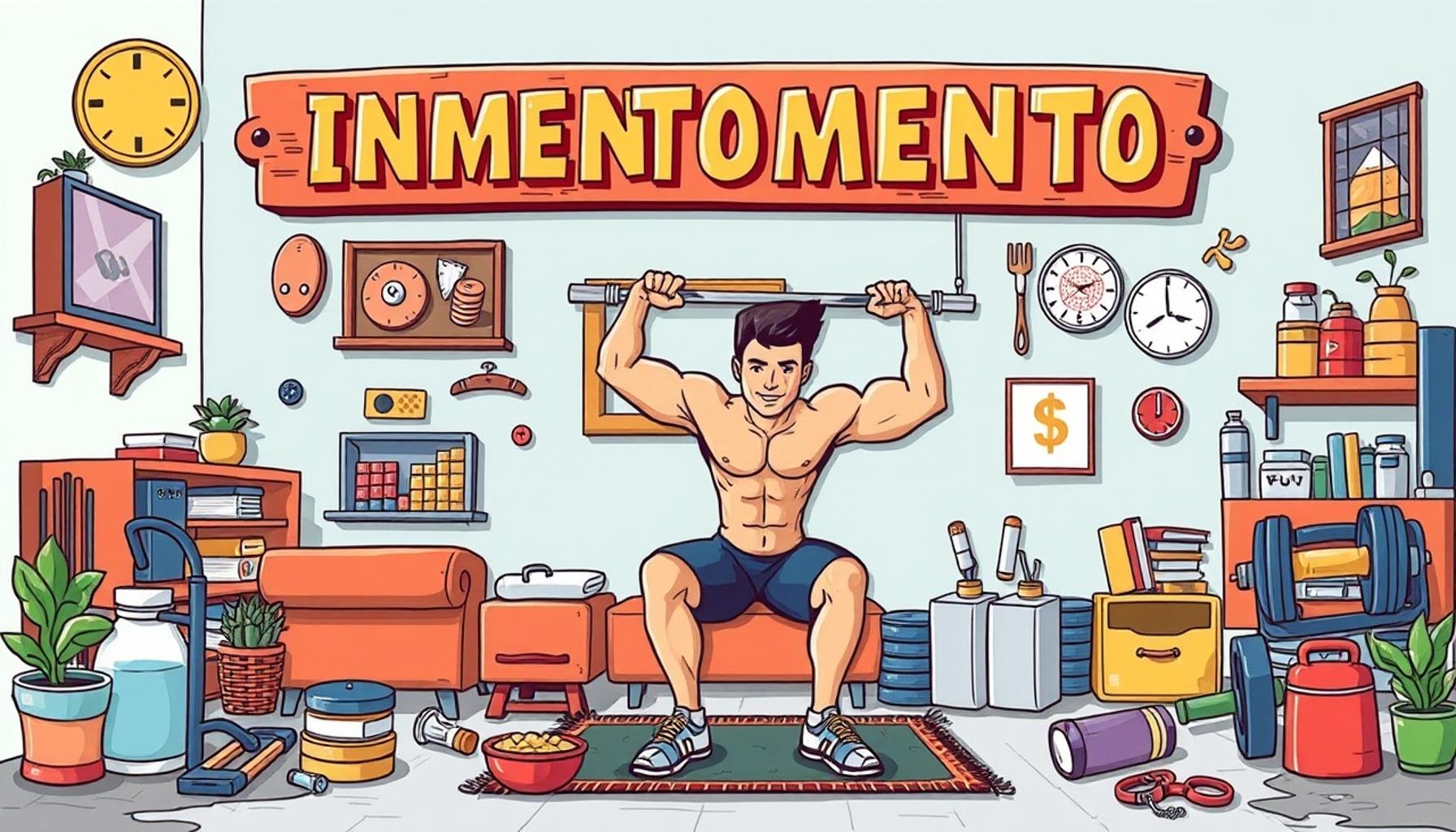
Strength Training: Embracing the At-Home Revolution
As the world embraces the digital age, fitness has not been left behind. With the advent of effective home strength training techniques, many enthusiasts are discovering the myriad benefits of staying fit without stepping foot in a gym. Home workouts present a viable solution for individuals who may face barriers to gym access, whether due to physical distance, financial constraints, or personal preferences that favor a more private environment.
Among the compelling reasons to embrace at-home workouts, cost-effectiveness is paramount. The reality is that traditional gym memberships can be burdensome, often featuring hefty monthly fees alongside charges for personal training and classes. In contrast, engaging in at-home strength training typically requires minimal to no investment. Simple items like resistance bands, a yoga mat, or even just your body weight serve as effective tools for building strength.
Convenience also plays a crucial role in the shift towards home workouts. Imagine fitting in a quick session around your schedule, whether it’s early in the morning before the day’s demands take hold, during a lunch break, or late at night when the house is quiet. This flexibility makes it significantly easier for many people to maintain a consistent workout routine amidst their busy lives.
The flexibility extends beyond scheduling; at-home workouts can also be customized to cater precisely to individual goals and fitness levels. Whether your aim is to lose weight, build muscle, or enhance endurance, designing a personalized program becomes an empowering experience. Beginners may focus on mastering form through bodyweight exercises, while more advanced individuals can increase workout intensity through varied routines.
Numerous exercises serve as cornerstones for effective strength training at home. Push-ups, for instance, are incredibly versatile, targeting not just the chest, shoulders, and triceps, but also engaging the muscles of the core. For those looking to engage the lower body, squats are an excellent option, focusing on the quadriceps and gluteal muscles while also bolstering overall balance and stability. Additionally, planks can be indispensable for core strength, enhancing functional fitness needed for everyday activities.
Lunges are another vital part of any at-home workout regimen, helping to develop leg strength and coordination while promoting balance. These exercises can easily be modified to suit varying fitness levels and can even be performed in different directions—forward, backward, or laterally—to target specific muscle groups and movement patterns.
To make the most of your at-home strength training journey, familiarizing yourself with proper techniques and workout structures is essential. This commitment not only maximizes effectiveness but also safeguards against injuries. As you delve deeper into the world of home fitness, look out for additional tips and comprehensive workout examples that ensure your training is both safe and productive. With dedication and the right information, you can achieve impressive results without ever needing a gym membership.
DISCOVER MORE: Click here for insightful details
Essential Exercises for Building Muscle at Home
When it comes to home strength training, understanding which exercises can effectively target muscle growth is crucial. While many people associate muscle-building routines with heavy weights, the truth is that a well-structured bodyweight workout can deliver impressive results. Focusing on multi-joint movements engages multiple muscle groups, promoting greater strength development and muscle mass increase. Here are some foundational exercises to incorporate into your regimen:
- Push-ups: A classic exercise, push-ups effectively work the chest, shoulders, and triceps while also recruiting core muscles for stabilization. Variations like incline or decline push-ups can add intensity.
- Squats: Primarily targeting the quadriceps and glutes, squats can be modified by changing the width of your stance or adding pauses to challenge balance and muscle endurance.
- Planks: Engaging both the core and back muscles, planks are essential for building a solid foundation. Variations like side planks or planks with leg lifts can further enhance strength.
- Lunges: With the versatility to work in multiple directions, lunges strengthen the legs and promote stability and coordination, making them perfect for any training program.
- Burpees: Combining strength and cardio, burpees engage the entire body and improve cardiovascular fitness while promoting muscular endurance.
Incorporating these foundational movements into a structured workout routine can enhance overall muscle development without any equipment. For a comprehensive workout plan, consider organizing these exercises into a circuit format, where you perform each exercise sequentially with minimal rest in between. This method not only amplifies workout intensity but also maximizes efficiency.
Understanding the Basics of Muscle Building
To build muscle at home effectively, it is important to grasp the principles of muscle hypertrophy. Muscle fibers undergo stress during resistance training, leading to micro-tears. The body repairs these tears, resulting in larger and stronger muscle fibers over time. Here are key factors to consider:
- Progressive Overload: Gradually increasing the intensity of your workouts is essential for muscle growth. This can be achieved by increasing the number of repetitions, changing the tempo of your movements, or adding more challenging variations of exercises.
- Nutrition: Adequate protein intake is vital for muscle repair and growth. Consuming a balanced diet rich in proteins, healthy fats, and carbohydrates will provide your body with the nutrients it needs to recover and build muscle.
- Rest and Recovery: Muscles need time to recover and grow. Ensure you schedule rest days into your training plan to prevent overtraining and injury.
By understanding these principles and integrating effective exercises, anyone can unlock their potential for muscle mass growth without the reliance on heavy gym equipment. Whether you are a seasoned athlete or just beginning your fitness journey, the flexibility of at-home workouts allows you to adapt your training to fit your lifestyle and goals.
| Advantage | Description |
|---|---|
| Accessibility | No gym membership or special equipment needed, allowing workouts anywhere. |
| Versatility | Multiple exercises targeting various muscle groups, fostering comprehensive fitness. |
| Cost-Effective | Eliminates the need for expensive equipment, making strength training affordable. |
| Time Efficiency | Short, effective workouts can be completed in your home, fitting easily into schedules. |
Home strength training harnesses the power of body weight to effectively build muscle mass without the need for traditional equipment. For those new to exercise or seasoned athletes, exercises like push-ups, squats, and lunges engage multiple muscle groups, providing a full-body workout right in your living room.Moreover, these bodyweight exercises promote not only muscle growth but also increase flexibility and core stability, enhancing overall fitness levels. The adaptability of these programs allows individuals to modify their routines easily, catering to all fitness levels and goals. Consistency is key in achieving the desired results, so developing a schedule keeps you on track while integrating these movements into daily life.Whether seeking weight loss or muscle gain, the benefits of home strength training extend beyond physical appearance, translating into increased energy and improved mental health. By committing to a no-equipment regimen, individuals empower themselves to achieve their fitness aspirations effectively and economically.
DISCOVER MORE: Click here to learn more
Creating a Home Strength Training Routine
Establishing a well-rounded home strength training routine is essential for maximizing muscle growth and ensuring that workouts remain engaging. A strategic approach not only enhances your progress but also helps maintain motivation. Here are some tips for designing an effective program that can lead to impressive results:
Structuring Your Workouts
To reap the benefits of your bodyweight efforts, consider how to structure each workout. A balance of strength, endurance, and mobility-focused sessions will yield the best results. Start by defining your weekly workout schedule. Aim for at least three to four sessions per week, allowing yourself adequate recovery time in between. Here’s a simple format to get started:
- Warm-up: Begin each workout with 5-10 minutes of dynamic stretching or light cardio to increase blood flow and prepare your muscles.
- Main Workout: Focus on performing the foundational exercises discussed earlier, ensuring to target different muscle groups. For example, you could dedicate one day to upper body (push-ups, planks) and another to lower body (squats, lunges).
- Cooldown: Finish with static stretches to alleviate muscle tension and promote flexibility, which is essential for ongoing progress.
Implementing Progression Techniques
To achieve muscle hypertrophy effectively, it’s crucial to incorporate progression techniques in your routine. This concept revolves around continuously challenging yourself, ensuring that your muscles do not plateau. Here are some methods to consider:
- Increasing Repetitions: Gradually raise the number of repetitions for each exercise. If you can comfortably perform 15 push-ups, aim for 20 in your next session.
- Modifying Exercise Variations: Progress to advanced variations of exercises as your strength improves. For instance, after mastering standard squats, transition to single-leg squats or pistol squats.
- Manipulating Tempo: Alter the duration of each repetition. Slowing down the eccentric (lowering) part of a movement can significantly increase the challenge and effectiveness of the exercise.
Staying Motivated and Accountable
Staying consistent with home strength training requires motivation, and incorporating accountability measures makes it easier to adhere to your routine. Here are a few strategies to keep you on track:
- Set Goals: Establish clear, achievable fitness goals—whether it’s performing a certain number of push-ups or reaching a specified fitness level. Documenting these goals will help you stay focused.
- Workout with a Partner: Invite a friend or family member to join you for workout sessions. A workout buddy can help maintain accountability and also enhance the fun factor.
- Keep a Journal: Track your workouts, noting exercises, repetitions, and improvements. This can serve as both motivation and a reflection of your progress.
Through these strategies, building muscle mass at home without equipment will not only become feasible but also enjoyable. Remember, adaptability is key; listen to your body and be willing to modify your routine as needed to ensure long-term success in your fitness journey.
DISCOVER MORE: Click here to dive deeper
Conclusion
In conclusion, home strength training offers a flexible and effective way to build muscle mass without the need for expensive equipment or gym memberships. By leveraging bodyweight exercises and tailoring your routine to include a variety of movements, you can create a comprehensive program that targets all major muscle groups. The importance of structured workouts cannot be understated; incorporating warm-ups, strength-focused sessions, and cooldowns will promote not only muscle growth but also overall fitness.
Moreover, to achieve continuous improvement, implementing progression techniques is essential. Gradually increasing repetitions, exploring advanced variations, and changing tempo can prevent plateaus and enhance the effectiveness of your workouts. Additionally, staying motivated and accountable through goal setting, partnership workouts, and keeping a workout journal can make the journey more enjoyable.
As you embark on your home strength training journey, remember that consistency is the key to success. Adapt your routine based on your personal progress and preferences, and don’t hesitate to explore various exercises to keep things fresh and exciting. With dedication and the right approach, transforming your body and strength from the comfort of your home is not only achievable but also immensely rewarding. Take the first step today and redefine your fitness experience without any equipment—your journey to building muscle begins now.