
The Growing Importance of Performance Monitoring
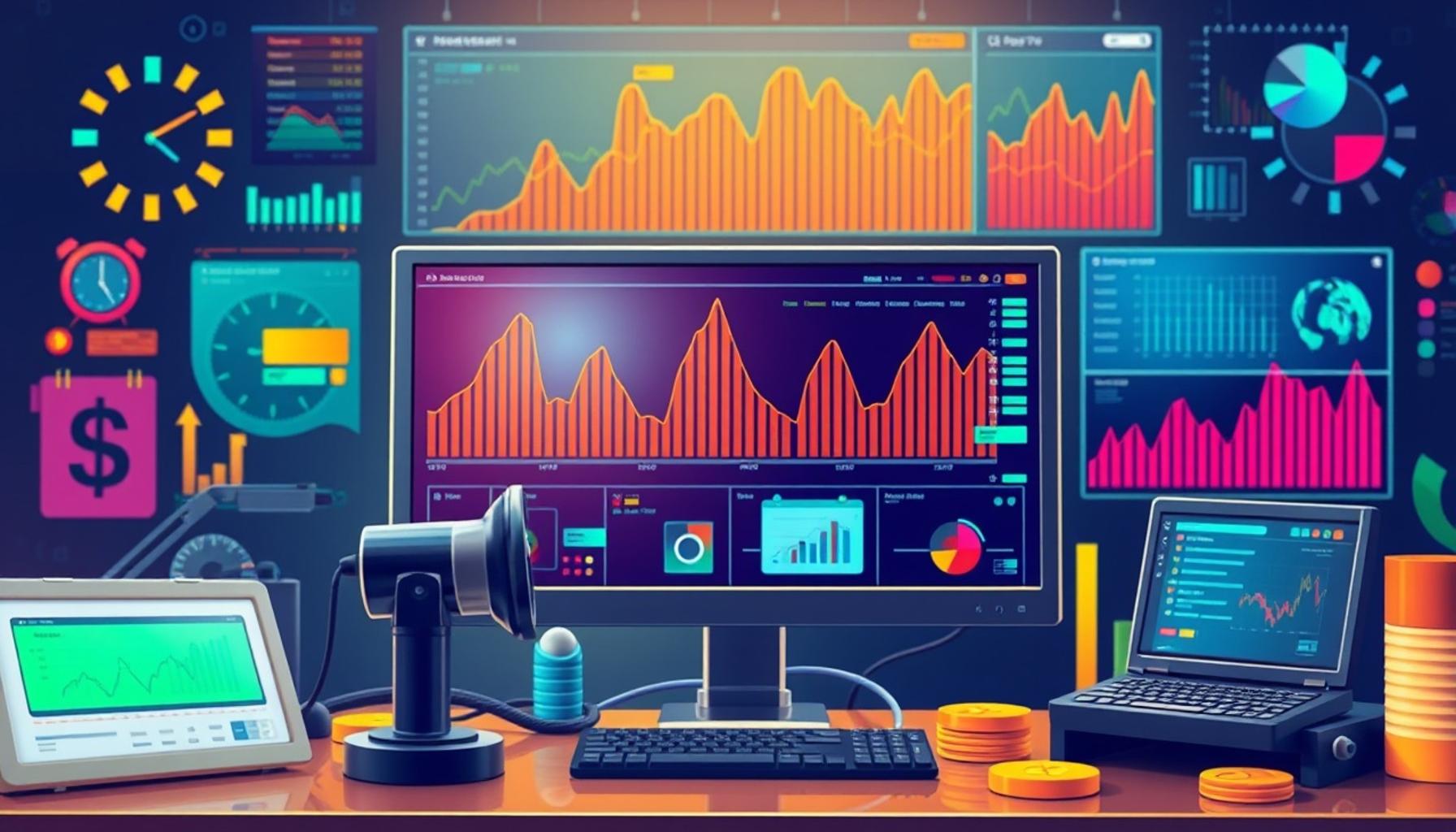
In an era characterized by rapid technological advancements and heightened competition, the value of precise and effective performance monitoring cannot be overstated. Organizations across various industries, from manufacturing to healthcare and beyond, are increasingly adopting high technology equipment to improve operational efficiency, spur innovation, and drive sustainable growth. These tools not only facilitate better decision-making but also empower businesses to respond dynamically to changing market conditions.
Wearable Devices: Revolutionizing Performance Tracking
One of the most visible manifestations of this trend is the rise of wearable devices. Fitness trackers and smartwatches are no longer just personal gadgets; they are becoming integral in the workplace. For example, companies like Fitbit and Apple have introduced products that measure a variety of physical performance metrics, from heart rate and sleep patterns to daily activity levels. Organizations are utilizing these devices to monitor employee well-being and promote a healthier work environment, leading to increased productivity. The integration of health metrics with employee performance data can help managers identify burnout risks and make adjustments before issues escalation.
The Role of IoT Sensors
IoT sensors represent another powerful technology in the performance monitoring toolkit. These devices continuously gather data from machinery and equipment in real-time, enabling predictive maintenance and reducing downtime. For instance, a manufacturing plant might use IoT sensors to monitor equipment health, predicting failures before they occur and thus avoiding costly interruptions. This not only enhances operational efficiency but also extends the life of expensive assets and improves safety by proactively identifying hazards.
Data Analytics Software: Harnessing Big Data for Insights
Furthermore, advanced data analytics software plays a crucial role in processing and interpreting performance data. These platforms utilize algorithms to uncover trends and generate insights that facilitate better decision-making. For example, a retail company may analyze sales data to identify peak shopping times and optimize staffing levels accordingly. The ability to make data-driven decisions in real-time is transforming how organizations operate, allowing for a proactive rather than reactive approach to management.
Mobile Applications: Accessibility on-the-Go
Mobile applications dedicated to performance monitoring also contribute significantly to this evolving landscape. They provide user-friendly interfaces that empower employees and managers to track and manage performance remotely. These apps often include features such as goal tracking, performance feedback, and communication tools, which enhance engagement and accountability. In industries like sales, where responsiveness is critical, being able to access performance metrics from a mobile device allows teams to stay aligned with corporate objectives while working from various locations.
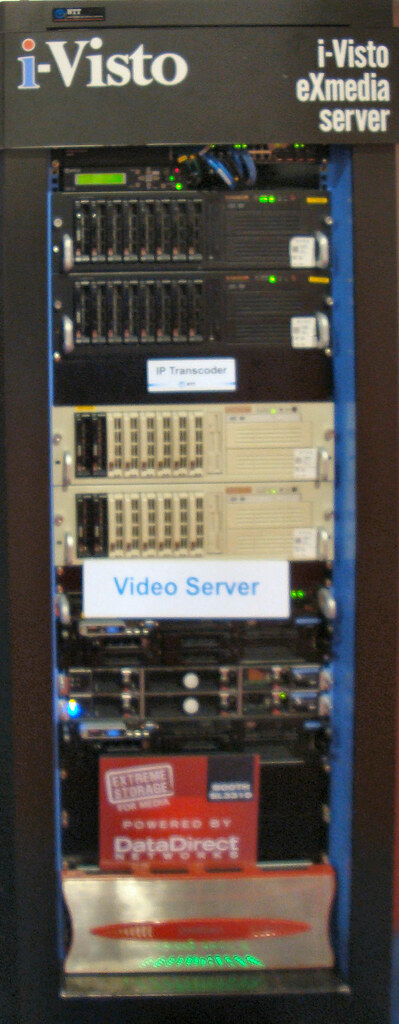
As the integration of artificial intelligence and machine learning continues to evolve, performance monitoring systems are becoming smarter and more responsive. These technologies enable a continual learning cycle, where systems adapt based on past performance, fostering a culture of ongoing improvement.
In conclusion, the landscape of performance monitoring is burgeoning with innovation. To remain competitive in an ever-changing market, organizations must stay informed about these technological advancements. The ongoing exploration of high technology equipment is not just a trend; it is a strategic imperative that holds the potential to transform businesses, enhance employee engagement, and ultimately boost productivity.
EXPLORE MORE: Click here for additional insights
Innovative Tools Enhancing Performance Monitoring
As companies strive to maintain a competitive edge, high technology equipment for performance monitoring has gained considerable traction. These innovations extend beyond simple data collection; they transform how organizations interpret information and implement actionable strategies. Key trends point to distinct categories of technology that ensure comprehensive tracking of both employee performance and operational efficiency.
The Rise of Automated Systems
Automated systems are at the forefront of performance monitoring technologies. From software dashboards to sophisticated algorithms, these systems aggregate data from various sources to provide real-time insights. Many organizations have turned to automated performance management systems that feature goal setting, performance reviews, and immediate feedback capabilities all in one platform. Popular options such as Workday and Oracle offer tailored solutions that cater to different organizational needs. The power of automation in these tools lies in their ability to standardize evaluations and minimize the human biases often present in traditional review processes.
Advanced Biometric Technology
Another interesting development is the integration of biometric technology into performance monitoring. Tools that utilize biometric data such as fingerprint or facial recognition not only enhance security but also streamline attendance tracking and employee engagement. For example, certain organizations employ biometric systems to monitor employee arrival and departure times, which, in turn, can influence productivity reports and payroll accuracy. These seamless and secure methods of attendance tracking are becoming increasingly popular as they provide a higher level of reliability compared to manual logging systems.
Integrating Performance Monitoring with Project Management Tools
Performance monitoring is taking on a new dimension through integration with project management tools. By merging systems like Asana, Trello, or Monday.com with performance analytics, teams can not only track project progress but also measure performance in real-time. This interconnectedness allows for more informed decision-making as team leaders can assess resource allocation and individual contributions effectively. As remote work becomes the norm, these integrated systems ensure that performance is monitored consistently, regardless of physical location.
Data Visualization Technologies: Making Sense of Complex Data
The ability to visualize data is crucial for effective performance monitoring. Data visualization technologies such as Tableau and Power BI enable organizations to represent complex performance metrics clearly and intuitively. By utilizing interactive dashboards, businesses can identify patterns, monitor progress, and even simulate different scenarios. These visual tools help stakeholders draw insights quickly and make data-driven decisions that can significantly impact organizational success.
- Automated performance management systems streamline evaluations and enhance feedback.
- Biometric technology ensures accurate employee engagement tracking.
- Integrating with project management tools creates a cohesive approach to monitoring performance.
- Data visualization simplifies complex data, making insights accessible to all stakeholders.
As these technologies continue to evolve, their roles in performance monitoring become increasingly critical. The integration of high technology equipment can lead organizations toward developing a robust framework for measuring and improving performance holistically. This not only bolsters productivity but also promotes a resilient workplace culture that values continuous improvement and informed decision-making.
| Advantages | Impact |
|---|---|
| Enhanced Accuracy | High-tech equipment significantly reduces the margin of error in performance monitoring, allowing for precise data collection. |
| Real-Time Data Analysis | Access to real-time insights helps organizations make immediate decisions that drive performance improvements. |
| Cost Efficiency | Investing in advanced technology minimizes costs associated with ineffective monitoring systems, leading to long-term savings. |
| Comprehensive Reporting | Detailed analytics and reporting capabilities empower teams to track performance metrics comprehensively. |
The advancements in high technology equipment for performance monitoring are reshaping industries by ensuring accuracy, cost efficiency, and insightful data analytics. This shift not only enhances the performance metrics that organizations can track but also provides a competitive edge in decision-making processes. The investments in these cutting-edge technologies result in measurable outcomes that continuously promote growth and innovation. As businesses transition to such sophisticated systems, they gain access to vital analytics that can direct strategic planning and operation enhancements. Recognizing the full scope of benefits is key for any organization eager to optimize their performance monitoring efforts. The future of monitoring is here, and it thrives on high technology.
DIVE DEEPER: Click here for more insights
Advanced Analytics and Artificial Intelligence
The emergence of advanced analytics paired with artificial intelligence (AI) is rapidly transforming the landscape of performance monitoring. Businesses are now adopting AI-driven analytics tools to sift through vast amounts of data and generate meaningful insights that can inform strategic initiatives. These systems use machine learning algorithms to identify patterns in employee performance and operational workflows, providing predictive analytics that allow organizations to anticipate issues before they arise. Companies leveraging AI technologies, such as IBM Watson or SAP Analytics Cloud, can refine their performance monitoring processes and target areas in need of intervention much more effectively.
Real-Time Feedback Mechanisms
In contemporary workplaces, the demand for real-time feedback has surged, leading to the development of instant feedback mechanisms. High technology equipment like mobile applications and dedicated feedback platforms facilitate immediate communication between employees and management. Tools such as 15Five and TINYpulse empower teams to provide and receive feedback on an ongoing basis, fostering a more dynamic performance management environment. Employees are increasingly prioritizing swift, constructive feedback over traditional annual reviews, which can often feel antiquated and disconnected from their current work challenges.
The Impact of Wearable Technology
Wearable technology is another powerful tool on the performance monitoring frontier. Devices like smartwatches or biometric bands can track various health and productivity metrics, enabling employers to understand their employees’ well-being and energy levels at a granular level. Organizations are utilizing wearables to not only enhance employee health but also to monitor workplace behaviors, such as time spent on tasks or engagement levels during meetings. While the incorporation of such technologies raises privacy concerns, companies like Google are navigating these complexities by ensuring transparency and supporting voluntary participation, thereby cultivating a health-conscious workplace culture.
Cloud-based Performance Monitoring Solutions
The shift to cloud-based performance monitoring solutions has democratized access to high technology equipment vital for performance assessment. Tools like Slack and Microsoft Teams now feature integrated analytics that allow for seamless performance evaluations among remote teams. Cloud solutions not only provide accessibility but also improve collaboration; team members can access performance metrics from anywhere, boosting accountability and transparency. Businesses are finding that cloud technology facilitates real-time data sharing, which is critical in today’s fast-paced work environments.
- AI-driven analytics allows for predictive insights and strategic decisions.
- Real-time feedback mechanisms enhance employee engagement and development.
- Wearable technology tracks health metrics, offering insights into productivity.
- Cloud-based solutions enable easy access and collaboration on performance metrics.
As these high technology equipment innovations continue to permeate the workplace, organizations that harness their capabilities are better positioned to achieve optimal performance outcomes. The evolution of performance monitoring tools is indicative of a broader trend emphasizing transparency, adaptability, and informed decision-making that reflects the growing complexity of today’s business environments.
DIVE DEEPER: Click here for more insights
Conclusion: Embracing High Technology for Enhanced Performance Monitoring
In the rapidly evolving landscape of modern business, the integration of high technology equipment for performance monitoring has become indispensable. As organizations strive to stay competitive, they are increasingly relying on solutions that not only streamline performance evaluations but also enhance employee engagement and productivity. From the impressive capabilities of AI-driven analytics that unveil predictive insights to the immediacy of real-time feedback mechanisms, businesses are fostering cultures that prioritize transparency and continuous improvement.
Moreover, the rise of wearable technologies underscores a proactive approach to employee well-being, allowing employers to gauge health metrics while also preserving respect for privacy through collaborative efforts. The advent of cloud-based performance monitoring solutions has revolutionized the way teams collaborate and assess performance, ensuring that valuable insights are accessible anytime, anywhere. As remote and hybrid work structures become the norm, these tools are more vital than ever, supporting not only performance assessments but also organizational coherence across geographically dispersed units.
Ultimately, the fusion of high technology with performance monitoring practices heralds a new era where informed decision-making is rooted in data-driven insights. Companies that fully embrace these innovations will not only optimize their operational strategies but will also nurture a workforce that feels valued and empowered. As we look ahead, the continued investment in advanced performance monitoring technologies will play a critical role in shaping successful, adaptable organizations prepared for the challenges of tomorrow.