Exploring the Logic of Escape Games: Strategies for Real-Time Problem Solving

Unlocking the Secrets Behind Escape Games
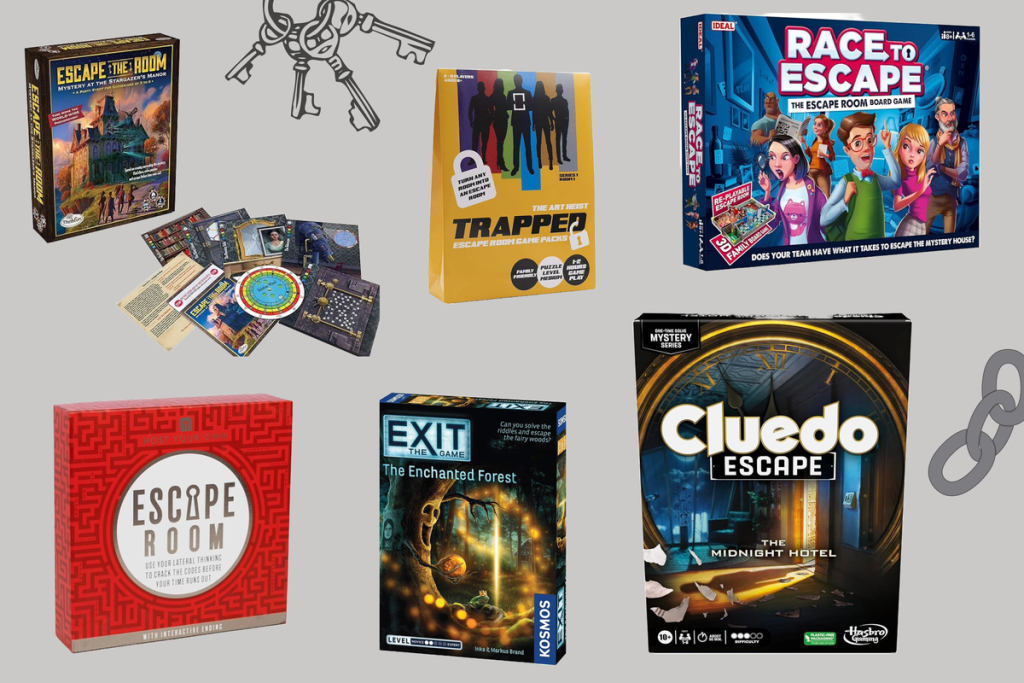
In recent years, escape games have surged in popularity across the United States, captivating audiences with their blend of mystery and teamwork. These immersive experiences challenge participants to solve puzzles, decipher clues, and exit locked rooms within a set time limit. The excitement of racing against the clock is only matched by the satisfaction of overcoming obstacles together. These games often incorporate elements of storytelling, immersive set designs, and thematic challenges that transport players into another world, enhancing the overall experience.
But beyond the thrill, there is a compelling logic at play that makes these games a treasure trove for real-time problem-solving strategies. Such games require a unique blend of skills and approaches to succeed, which can often mirror challenges faced in our everyday lives or workplaces.
Successful teams often exhibit key characteristics, including:
- Effective Communication: Sharing insights and ideas is crucial to deciphering complex clues. In many escape rooms, teams consist of a diverse mix of individuals, each bringing different perspectives. For example, a member skilled in math might be better suited to solve numerical puzzles, while another with a knack for wordplay can tackle encrypted messages. Creating an environment where every team member feels comfortable voicing their thoughts ultimately leads to a greater pool of ideas and solutions.
- Time Management: Knowing when to move on from one puzzle to tackle another enhances overall success. Escape games are typically designed with multiple puzzles that vary in difficulty. Here, the ability to assess the likelihood of solving a puzzle quickly can prevent teams from wasting precious time. For instance, if a puzzle is stumping a team, it may be more strategic to set it aside temporarily and focus on other clues, thereby maximizing efficiency and keeping the momentum going.
- Creative Thinking: Looking at problems from different angles often leads to unexpected solutions. Escape rooms frequently feature unconventional puzzles that require players to think outside the box. Creativity allows participants to approach challenges with innovative strategies, perhaps recognizing patterns or connections that others might overlook. For instance, a seemingly random object could serve a significant purpose if viewed from a different perspective.
Exploring these components not only makes for a more engaging gameplay experience but also offers valuable lessons applicable in everyday life and professional environments. For example, the ability to adapt quickly under pressure can significantly influence outcomes in high-stakes situations, whether in a corporate boardroom or while meeting deadlines for a project. As players delve into the intricacies of escape games, they uncover strategic techniques that enhance their overall performance.
This article will guide you through some invaluable strategies used in these games, showcasing how the logic behind them translates to real-time problem-solving. By analyzing the techniques that lead to successful escapes, players can cultivate and refine skills that are not only useful in a game setting but are equally applicable in various facets of life, such as teamwork, problem-solving, and quick decision-making. As the popularity of escape rooms continues to rise, it opens up intriguing opportunities for both personal development and team-building exercises, making them a fascinating topic worth exploring for anyone intrigued by the dynamics of human interaction and intelligence.
DIVE DEEPER: Click here to uncover the connection
Decoding the Dynamics of Escape Games
At the heart of every successful escape game lies a precise logic that demands keen observation, strategic thought, and swift collaboration. Each room presents a set of intriguing challenges designed to push the limits of players’ cognitive and social skills. Analyzing the framework of these games reveals how the dynamics enhance real-time problem-solving capabilities, which are instrumental not only in gaming but also in daily scenarios.
One of the foundational elements of effective problem-solving in escape games is critical thinking. Players are constantly bombarded with clues and puzzles that require immediate assessment and resolution. This scenario serves as a powerful exercise in honing one’s ability to evaluate information critically and make quick decisions. For example, when presented with an assemblage of objects in a room, players must identify which items are pertinent to solving a puzzle and which can be disregarded. This selective filtering mimics real-life situations, such as analyzing data before making business decisions or prioritizing tasks on a to-do list.
Another important strategy employed by successful teams is the concept of role allocation. Groups often consist of members with diverse skills and strengths, making it essential to assign roles that play to each individual’s abilities. Some players may excel in mathematical challenges, while others might thrive in decoding ciphers or designing logical sequences. By leaning into each person’s strengths, teams can navigate puzzles more efficiently. For instance, having one member focus on physical clues while another tackles the riddles can help maintain momentum within the game.
Furthermore, incorporating trial and error can significantly advance a team’s chances of escape. Many escape games intentionally design certain puzzles with elements that allow for experimentation. Players can often test their hypotheses, leading to “aha moments” that stem from unexpected results. This iterative approach encourages resilience and adaptability, qualities that are highly valued both in personal challenges and professional environments. For example, in workplace projects, teams might refine their strategies after testing various approaches until they find the one that works best.
To maximize success, being aware of common pitfalls is equally crucial. Teams that become fixated on a single clue often find themselves stuck and frustrated. Recognizing the need to move on is vital in maintaining a progressive flow towards the exit. Flexibility and patience become essential as teams learn to pivot and explore alternative solutions, a lesson that’s greatly beneficial when navigating complex situations in everyday life.
Among many escape games, certain recurring patterns emerge as teams progress, underscoring the importance of team synergy. Seamless collaboration motivates players to share discoveries and brainstorm together, which ultimately leads to enhanced group performance. In this regard, cultivating a sense of camaraderie plays a critical role, as mutual support can fuel creativity and idea-sharing.
As players embark on the intricate adventure of an escape room, they invariably gather insights and tactics that can be translated into their daily lives. The logic of escape games not only enhances their gaming experience but also equips them with essential real-time problem-solving skills applicable across various scenarios, from academics to major business projects. As we delve deeper into escape games, the intricacies of communication, creativity, and delegation will unveil powerful strategies for navigating challenges successfully.
Strategies for Effective Problem Solving in Escape Games
Escape games present players with a unique opportunity to engage their logic and critical thinking skills in a time-sensitive environment. Each puzzle or challenge within these games is designed not just for fun, but to cultivate essential skills that can be applied beyond the game setting. One notable strategy for effective problem solving is teamwork. Collaborating with a diverse group allows players to pool their strengths and insights, often leading to faster resolutions. Communication is crucial here, as sharing ideas and listening to others can spark innovative solutions.Another key approach is the use of analytical thinking. Players must assess clues systematically, breaking down complex problems into manageable components. By focusing on details and not overlooking seemingly minor hints, participants often unlock solutions that may remain hidden at first glance. In addition, time management plays a vital role in enhancing performance during the game. Allocating specific time frames to solve individual puzzles can keep the pace dynamic and ensure that the team stays on track toward the ultimate goal: escape.These strategies foster not only a sense of achievement within the game but also build skills beneficial for real-world problem solving, making escape games a worthy experience for everyone.
| Category | Advantages |
|---|---|
| Team Collaboration | Enhances communication and promotes sharing of ideas, leading to richer solutions. |
| Analytical Thinking | Encourages systematic evaluation of clues, improving problem refinement skills. |
| Time Management | Fosters a sense of urgency, training players to prioritize tasks effectively. |
The benefits found within the strategic frameworks of escape games not only amplify the enjoyment of the experience but also equip individuals with transferrable skills essential for tackling challenges in everyday life. As players delve deeper into these games, they uncover pathways that enhance cognitive flexibility and adaptability—skills vital in our swiftly changing world.
DISCOVER MORE: Click here to unlock your potential
Leveraging Communication and Creativity in Escape Games
In the exciting realm of escape games, effective communication stands as a cornerstone strategy that can significantly influence a team’s success. As players strive to escape within a limited timeframe, consistent and clear communication is essential. This environment emphasizes the need for individuals to articulate their thoughts concisely, whether they’re discussing clues, sharing observations, or suggesting potential strategies. Research has demonstrated that collaborative problem-solving often thrives on well-established lines of communication, akin to effective teamwork required in corporate settings. For example, team members might use specific terms or signals to indicate when they’ve identified a clue, streamlining discussions and preventing unnecessary back-and-forth conversations.
Moreover, fostering an atmosphere of creativity allows teams to explore unconventional solutions that may lead to breakthroughs. Escape games often require players to think outside the box, transforming mundane objects into vital tools for progression. This abstract thinking not only enhances gameplay but serves as a reminder of how creative approaches can bring fresh perspectives to challenges faced in everyday situations. Consider how brainstorming sessions at work often yield innovative strategies, driven by a willingness to explore varied ideas—not unlike the approach teams take in an escape room.
Another crucial element in the logic of escape games is the ability to prioritize tasks effectively. Numerous escape rooms present players with an array of puzzles and tasks, and determining which to tackle first can significantly impact the team’s efficiency. Players must evaluate clues based on complexity, urgency, and interdependencies—traits that mirror project management principles in business. By mastering the art of prioritization, individuals can navigate challenges with clarity, ensuring that critical tasks receive attention before moving on to secondary objectives.
Additionally, the role of motivation cannot be overlooked when examining escape game dynamics. The thrill of the countdown clock heightens the adrenaline, driving players to engage actively and invest in the game’s outcome. This sense of urgency often cultivates a focused environment, where players work together harmoniously towards a shared goal. In the workplace, recognizing and harnessing motivation—whether intrinsic or extrinsic—can lead to enhanced performance and job satisfaction. Taking lessons from escape games, teams can implement goal-oriented activities that build excitement and promote constructive competition.
As players navigate the myriad of puzzles and obstacles, the significance of time management becomes increasingly apparent. Escape games enforce strict time constraints, compelling teams to balance thorough analysis with prompt decision-making. Overthinking can hinder progress, while swift conclusions may lead to missed clues. Identifying this delicate balance provides insights into how individuals can better manage their time in high-pressure situations, from deadlines in academic projects to time-sensitive tasks in professional assignments.
Furthermore, participating in escape games cultivates a mindset of reflection and debriefing. Successful teams often take time after the game to discuss what worked well and what could improve in future challenges. This reflective practice encourages a growth mindset, enabling individuals to learn from both successes and failures. Regular debriefing sessions can enhance team cohesion, fostering a culture of continuous improvement essential in corporate settings.
By optimizing communication, encouraging creativity, and honing time management and task prioritization skills, escape games deliver valuable strategies that transcend the gaming world. Such principles not only enrich players’ experiences but empower them to apply these problem-solving skills effectively in their lives beyond the escape room.
DISCOVER MORE: Click here to learn about developing emotional skills
Conclusion: Unveiling the Lessons of Escape Games
In summary, the world of escape games offers a compelling lens through which we can examine effective problem-solving strategies applicable in real-time scenarios. By honing skills such as communication, creativity, and time management, players not only enhance their gaming experience but also acquire valuable tools for navigating complex challenges in everyday life. The dynamics of teamwork fostered in these high-stakes environments exemplify how collaborative efforts can lead to innovative solutions and successful outcomes.
Furthermore, the critical practice of prioritization empowers individuals to make informed decisions amid competing demands, mirroring essential strategies in professional contexts. As players engage in tasks under pressure, they learn to strike a balance between thoroughness and speed, skills that are crucial for meeting deadlines in academic and workplace settings alike. These insights underline the importance of maintaining motivation and cultivating a culture of reflection and debriefing, which can significantly enhance team performance and cohesion.
Ultimately, the principles derived from escape games extend far beyond recreation; they are transformative strategies that can revitalize approaches to problem-solving in various aspects of life. Whether in a corporate boardroom or a classroom, embracing the logic of escape games encourages individuals to think independently, work collaboratively, and emerge as effective problem solvers. As you delve deeper into the world of escape games, consider how you might apply these lessons in your own experiences, unleashing a newfound potential for success.
Related posts:
Developing Problem-Solving Skills Through Classic Puzzles
The Role of Logic Games in Improving Mental Resilience
The Psychology Behind Logic Games: How to Solve Problems with Creativity
The Influence of Word Games on the Improvement of Problem-Solving Skills
Digital Puzzles: The Impact of Video Games on Problem-Solving Ability
Mind Games: Strategizing Solutions in Board Games and Cognitive Challenges

Linda Carter is a writer and puzzle expert specializing in mind games, brain teasers, and cognitive challenges. With extensive experience helping individuals enhance their problem-solving skills and think critically, Linda shares her knowledge on our platform. Her goal is to empower readers with practical advice, engaging puzzles, and strategies to sharpen their minds and achieve success in the captivating world of mind games and puzzles.