Exploring the Connection Between Strategy Board Games and Long-Term Memory Development
The Cognitive Impact of Strategy Board Games
In an age where screens dominate the leisure landscape, a resurgence of interest in strategy board games is taking place. These games transcend mere entertainment and serve as valuable tools for cognitive enhancement, particularly affecting long-term memory. This profound connection raises compelling questions about how engaging in board games can contribute to mental agility and overall brain function.
Memory Engagement in Gameplay
One of the primary ways strategy board games stimulate cognitive development is through memory engagement. Players are often required to memorize intricate rules, understand complex strategies, and keep track of prior moves made by themselves and others. For instance, in games like “Settlers of Catan,” players must recall previous player strategies, trade routes, and resource allocations to make informed decisions. This continual mental exercise develops pathways in the brain that enhance long-term memory and recall.
Critical Thinking and Decision Making
The nature of strategy-based gameplay promotes critical thinking skills. Every choice—from resource management to player negotiation—can significantly influence the game’s outcome. In “Risk,” players must weigh the benefits of aggressive expansion against the dangers of overextension, demanding high-level cognitive processing. These strategic dilemmas cultivate analytical skills that translate into real-world problem-solving abilities.
Social Interaction’s Role
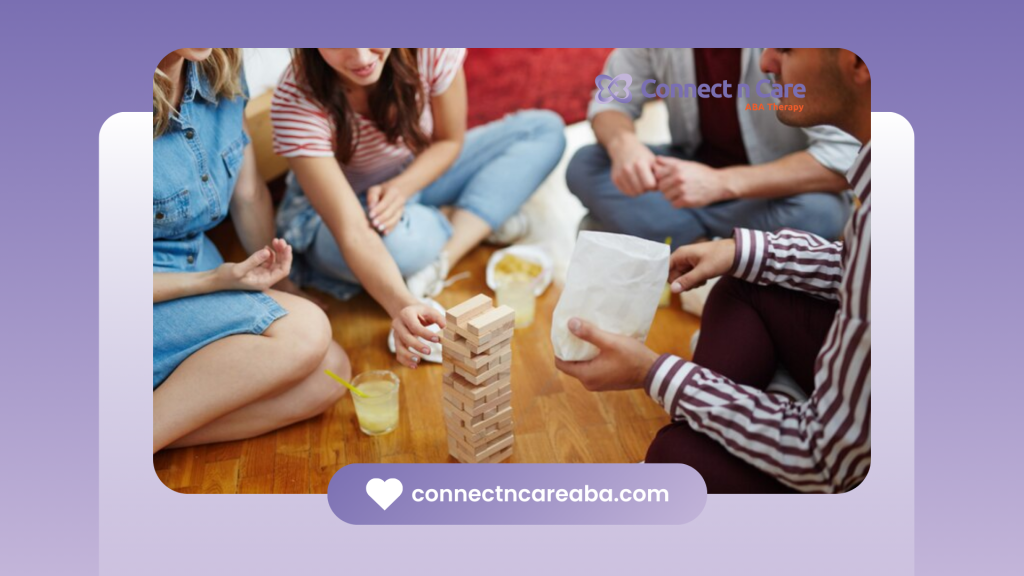
Moreover, playing board games often entails social interaction, which is crucial for enhancing memory retention and recall. Engaging in conversation and strategizing with fellow players creates shared experiences and narratives that deepen memory connections. During social game nights, like those commonly held across the United States, players frequently recount memorable moments from earlier games, reinforcing their cognitive frameworks. Studies have shown that social involvement not only mitigates feelings of loneliness but also serves as a catalyst for better cognitive function.
Research and Findings
Backing these observations, a variety of research has emerged linking strategic gameplay with improved cognitive capabilities. The process of playing these games can result in:
- Stronger neural connections that enhance overall brain functionality.
- Enhanced problem-solving skills that apply both in-game and in real-life scenarios.
- A boost in attention and concentration, beneficial in a world flooded with distractions.
This intriguing dynamic between strategy board games and cognitive development invites further exploration into how these activities enhance our everyday experiences. As communities across the United States gather around game tables, the possibility of enriching both mind and memory through play becomes an important dialogue, one worthy of ongoing investigation and appreciation.
DISCOVER MORE: Click here to learn about enhancing emotional skills
The Role of Strategy Board Games in Cognitive Memory Enhancement
Understanding the impact of strategy board games on cognitive functioning involves delving deep into the mental challenges these games present. Each session around a game table transcends mere entertainment; it acts as a cognitive workshop, sharpening various skills that contribute to brain health and memory. The complex structures and captivating narratives found in strategy board games create an atmosphere that’s conducive to cognitive development, making them invaluable tools for enhancing memory.
Memory Recall Through Repeated Engagement
A notable feature of strategy board games is their dependence on repeated engagement, which significantly refines players’ memory recall abilities. In games like “Chess,” players constantly recall their prior decisions and anticipate their opponents’ moves. This dynamic back-and-forth necessitates a high level of awareness and memory utilization, reinforcing the connections in the brain related to memory recall. Each game not only serves as a strategic challenge but also acts as a rehearsal space, honing the synaptic pathways that aid in long-term information storage. Research supports this idea, indicating that consistent practice in memory-demanding environments can lead to enhanced cognitive longevity.
Interlinking Memory and Strategy
In advanced games like “Pandemic” and “Catan,” the strategies incurred create a complex web where decisions are interconnected. Players must maintain an ongoing mental dialogue, weighing risks, considering probabilities, and predicting future moves. For example, in “Pandemic,” players work cooperatively to contain outbreaks, which requires them to remember not only their previous turns but also to anticipate how their partners will respond. This level of engagement exercises critical thinking, a mental workout that enhances memory retention. The ability to draw parallels from one game session to another can translate into improved decision-making abilities in real-world scenarios, making the skills acquired during gameplay universally applicable.
Benefits of Memory-Driven Gameplay
Engaging in memory-driven gameplay provides a trove of cognitive benefits:
- Strengthened Associative Memory: Players enhance their ability to connect new experiences with established knowledge, leading to a richer memory framework.
- Improved Information Retention: The mental rigor of remembering rules and strategies solidifies the retention of information across all domains of life.
- Increased Cognitive Flexibility: Adapting to shifting game environments fosters mental flexibility, benefiting players in their everyday memory tasks.
The profound impact of strategy board games underscores not only player engagement but also active brain engagement. The strategic choices players make necessitate a degree of cognitive intensity, yielding long-term gains in memory capabilities and cognitive function. As players immerse themselves in these strategic challenges, they weave a rich tapestry of experiences that fosters their ability to retain and utilize information effectively. Thus, strategy board games serve not solely as leisure activities but as powerful tools for cognitive enhancement, illustrating the deep connections between playful engagement and serious cognitive development.
| Cognitive Engagement | Memory Enhancement |
|---|---|
| Strategy board games require players to plan, analyze and adapt strategies in real-time. | Improvement in long-term memory retention due to constant practice in recalling game rules and previous moves. |
| Engaging in these games fosters critical thinking and problem-solving skills. | Players benefit from enhanced cognitive flexibility, aiding in better memory connections and retrieval. |
The effect of strategy board games on long-term memory development is underscored by the engaging nature of these games. The layers of strategy involved not only make them entertaining but also educational. Research suggests that consistent play can lead to substantial improvements in memory functions. Players often recall intricate details, such as the positioning of game pieces and the strategies deployed by opponents, thereby actively working out their cognitive capabilities.Moreover, these games encourage social interaction, adding a layer of emotional engagement that has been shown to aid memory retention. When players discuss strategies or recall past games, they reinforce their memory pathways, leading to enhanced long-term memory development. The interplay of social dynamics and cognitive challenges within a game empowers individuals to cultivate a sharper memory even outside of gaming contexts. Exploring these dimensions further can lead to intriguing insights into how leisure activities such as board gaming can have profound and positive effects on our mental faculties.
DIVE DEEPER: Click here to discover more
Social Interaction and Its Influence on Memory Retention
Another crucial aspect that highlights the relationship between strategy board games and memory development is the social interaction that accompanies gaming. Playing these games often involves multiple players, which creates a dynamic environment ripe for social engagement. This interactive atmosphere not only fosters teamwork and collaboration but also plays a pivotal role in memory enhancement. When individuals engage in discussions about strategies, share experiences, and reiterate game mechanics with one another, they reinforce the retention of this information.
The Impact of Collaborative Gameplay on Memory
Games such as “Dungeons and Dragons” present a fascinating case study in this area. Players collectively embark on adventures, where each participant must remember their character’s abilities, past encounters, and narrative choices. This collaborative storytelling element encourages participants to articulate thoughts and strategies, naturally enhancing verbal memory and information retention. The need for players to articulate their plans also reinforces neural connections, making recall more efficient over time. A study by neuroscientists indicates that social interaction can stimulate the release of neurotransmitters like oxytocin, which enhance memory encoding and retention. Thus, the social nature of board games amplifies their cognitive benefits.
Reducing Cognitive Decline Through Engagement
Strategy board games have proven beneficial, particularly for older adults, in staving off cognitive decline associated with aging. Games that demand strategic thought and memory—such as “Ticket to Ride” or “Acquire”—encourage retirees to keep their minds sharp while enjoying social interaction. A notable study by the University of North Dakota found that participants aged 60 and above who regularly engaged in strategy board games showed significant improvement in cognitive functions compared to those who did not. Regular play promotes neuroplasticity, meaning the brain continues to form new connections, thereby reducing the risk of memory-related diseases like Alzheimer’s and dementia.
Gamification of Memory Techniques
Additionally, the gamification of memory techniques within strategy board games exemplifies their role in enhancing long-term memory retention. Many games involve mnemonic devices, where players must use creative strategies to remember rules and objectives. For example, “Carcassonne” requires players to visualize the evolving landscape and remember how their tiles fit together based on past placements. Such practices hone spatial memory, allowing players to internalize information in a meaningful context. The combination of strategy and the necessity for memory aids players in employing similar techniques in other areas of learning, from academic settings to professional environments.
Furthermore, these games often incorporate elements of chance and unpredictability, requiring players to adapt their strategies on the fly. This dynamic fosters cognitive flexibility—the ability to switch between thinking about different concepts or to think about multiple concepts simultaneously. Such flexibility is pivotal in long-term memory retention as it encourages broader cognitive engagement. As players tackle unexpected challenges within the game, they become adept at navigating complexities, which not only helps them in gaming scenarios but also enriches their memory-related capabilities in everyday life.
DISCOVER MORE: Click here to learn how memory games can boost your focus
Conclusion: The Cognitive Benefits of Strategy Board Games
The exploration of the connection between strategy board games and long-term memory development reveals a compelling interplay of cognitive engagement, social interaction, and mental stimulation. As we’ve seen, the collaborative nature of gameplay not only cultivates teamwork but also enhances memory retention through verbal articulation and strategic discussions. This combination of factors serves to create a rich learning environment that empowers players of all ages to sharpen their cognitive skills.
Importantly, the role of strategy board games extends beyond mere entertainment. Research has demonstrated that consistent engagement in these games can significantly reduce cognitive decline in older adults, promoting neuroplasticity and buffering against memory-related diseases. These games serve as more than just a pastime; they act as a proactive approach to maintaining cognitive health, especially in senior populations.
Moreover, the incorporation of mnemonic devices and adaptable strategies found in many games not only hones specific memory skills but also enhances cognitive flexibility. By fostering the ability to think creatively and navigate complex situations, strategy board games prepare players for challenges beyond the gaming table, affecting academic and professional pursuits alike. As you consider diving into the diverse world of strategy board games, remember that you’re not just playing for leisure; you’re potentially enhancing your long-term memory and cognitive function in new and profound ways.
In summary, the connections explored underline the importance of incorporating strategy board games into various settings, be it educational institutions, family gatherings, or community spaces, to unlock their wealth of cognitive benefits. The future of memory development could very well lie in the spirit of friendly competition and collaborative thinking that these games encourage.
Related posts:
The Connection Between Mind Games and Neuroplasticity: Boosting Memory Through Cognitive Challenges
The Neuroscience Behind Memory Improvement Through Puzzle Solving
Integrating Mind Games into Daily Routines: A Practical Guide for Memory Enhancement
The Impact of Digital Mind Games on Memory Enhancement in Adults
How Visual Puzzles Enhance Spatial Memory and Cognitive Function
The Influence of Social Interaction in Group Puzzle Solving on Memory Recall

Linda Carter is a writer and puzzle expert specializing in mind games, brain teasers, and cognitive challenges. With extensive experience helping individuals enhance their problem-solving skills and think critically, Linda shares her knowledge on our platform. Her goal is to empower readers with practical advice, engaging puzzles, and strategies to sharpen their minds and achieve success in the captivating world of mind games and puzzles.