

The Rich Tapestry of Regional Ingredients
The culinary landscape around the globe is enriched by a multitude of regional ingredients, each contributing to the distinct taste and identity of local dishes. These ingredients not only excite our palates but also embody the culture and traditions of their origins. As food lovers, understanding the significance of these regional elements can deepen our appreciation for the artistry that goes into every dish we savor.
Take, for instance, the truffles from Umbria, Italy. These rare fungi, often referred to as “diamonds of the kitchen,” grow symbiotically with the roots of specific trees, making their harvest a labor-intensive endeavor. Their earthy richness finds its way into pasta, risottos, and even simple scrambled eggs, transforming mundane meals into extraordinary dining experiences. A single shaved truffle can elevate a dish, echoing the depth of Italian culinary traditions that place a strong emphasis on the quality of ingredients.
In Japan, the renowned wasabi from the Nagano region offers another intriguing example. Unlike the often-substituted imitation wasabi found in many Western sushi restaurants, genuine Nagano wasabi has a complex flavor profile, delivering a subtle heat that enhances the umami of fresh fish. Traditional Japanese chefs often advocate for using freshly grated wasabi, which can profoundly affect the sensory experience of sushi and sashimi. This practice connects diners not only to the ingredients but also to the ancient customs of Japanese cuisine.
Oaxacan cheese, hailing from Mexico, serves as a perfect complement to traditional dishes such as quesadillas and tlayudas. Known for its unique stretchy texture and mild flavor, Oaxacan cheese is a staple in many households throughout the country. Its artisanal production methods reflect community traditions and the significance of cheese in daily Mexican life. By incorporating this distinct cheese into your cooking, you can enjoy a taste of Mexican heritage, which is tightly interwoven with its food culture.
Culinary discovery is not merely about savoring flavors; it is a journey through history and geography. From the fiery spices of India that tell stories of ancient trade routes to the fresh seafood found in Mediterranean coastal towns, each ingredient carries a narrative ripe for exploration. This rich interplay of local resources, climate, and culinary practices allows us to experience the world through our taste buds.
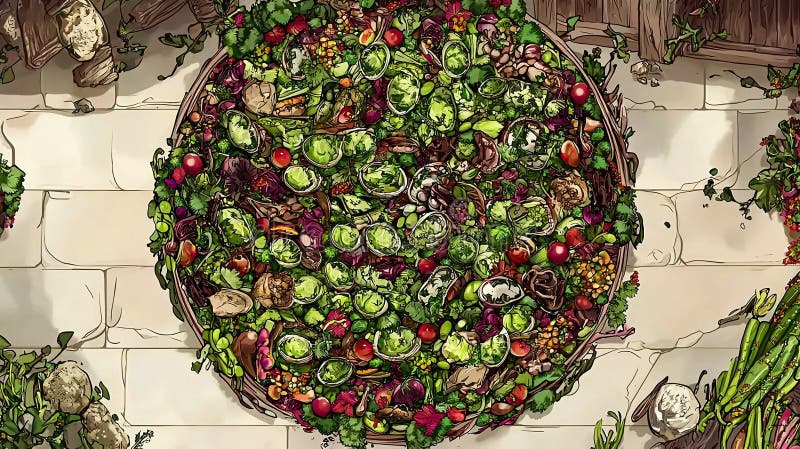
As you embark on your culinary adventures, let the tales of these ingredients inspire you. Experiment with new recipes that incorporate these regional treasures and invite others to discover the fascinating world of global cuisine. By doing so, you not only enhance your cooking skills but also build a stronger connection to the diverse cultural identities that shape our food systems.
DISCOVER MORE: Click here to dive deeper
Unearthing Unique Flavors: The Magic of Regional Ingredients
As we set foot on the culinary journey across diverse regions, we discover that each ingredient has a story worth telling. With every bite, we embrace the nuances of the land from which it originates—its soil, climate, and traditional practices. For instance, the saffron from Kashan, Iran, is a shining example of how nature and cultivation technique define flavor. Often referred to as the world’s most expensive spice by weight, saffron threads are derived from the delicate flowers of Crocus sativus. It takes over 150,000 flowers to produce just one kilogram of saffron, a testament to the patience and skill of the farmers. Once harvested, this golden spice infuses dishes with a warm, earthy aroma and a vivid hue, making it a key component in Persian rice dishes and other traditional meals.
Crossing the Mediterranean, we find ourselves entranced by harissa from Tunisia. This fiery chili paste is a blend of roasted red peppers, garlic, and spices, often enriched with fragrant olive oil. Harissa embodies the zest of North African cuisine, finding its way into tagines, couscous, and even as a zingy companion for grilled meats. Its robust flavor and versatility exemplify the rich culinary heritage of Tunisia, inviting not just locals but also food enthusiasts worldwide to dive deeper into this vibrant cuisine.
North America also boasts its own culinary treasures, such as maple syrup from Quebec, Canada. This liquid gold, harvested from sugar maple trees, plays an important role in Canadian culture and cuisine. The process involves tapping the trees to collect sap, which is then boiled down to create the sweet syrup enjoyed on pancakes, waffles, and even savory dishes. Beyond breakfast, maple syrup’s unique flavor has ignited creativity among chefs, who use it as a glaze for meats or as a key ingredient in desserts, blending traditional practices with modern gastronomy.
Exploring regional ingredients is about more than tasting local flavors; it is about understanding their cultural significance. Here are some notable ingredients that elevate world cuisines:
- Chili Peppers from Mexico: Integral to countless dishes, these peppers offer varying levels of heat and complexity, from the sweet poblano to the fiery habanero.
- Feta Cheese from Greece: This crumbly, tangy cheese made from sheep’s milk is a staple of Greek salads, bringing a creamy, salty dimension to the plate.
- Basmati Rice from India: Renowned for its long grains and fragrant aroma, Basmati is an essential part of many Indian dishes, lending a delicate flavor to biryanis and pilafs.
By exploring these regional ingredients and the stories behind them, we not only enhance our cooking but also pay homage to the rich tapestry of cultural practices that sustain our global food systems. This journey invites us to engage with foods in a meaningful way—whether it’s learning traditional harvesting methods or experimenting with new recipes rooted in ancient practices.
Exploring Regional Ingredients: Culinary Discoveries Around the World
In our voyage through the diverse culinary landscapes of the globe, we uncover how regional ingredients define not only the flavors of food but also the cultural narratives and traditions they embody. From the zest of local spices to the freshness of harvested produce, the ingredients sourced in specific regions play a pivotal role in crafting authenticity in dishes. This culinary adventure takes us from bustling markets in Morocco to tranquil farms in Tuscany, illustrating a rich tapestry of flavors that is deeply rooted in history and geography.
Regions often utilize ingredients that thrive in their respective climates, leading to distinctive dishes that showcase local biodiversity. For instance, the use of seafood in coastal regions contrasts sharply with the reliance on grains and meats in inland areas. Each locale’s natural resources shape the palate of its chefs, encouraging creativity and discovery. This not only preserves the culinary heritage but also promotes sustainability by emphasizing the importance of seasonal and local products.
Moreover, the stories tied to these regional ingredients add depth to the culinary experience. When we savor a dish made with locally grown heirloom tomatoes or artisan cheeses, we are not just tasting a meal; we are engaging with the history and the people behind those flavors. As we continue to explore these journeys beyond our kitchens, we gain an appreciation for the intricate connections between food, culture, and community—a crucial element of our global culinary heritage.
| Category | Advantages |
|---|---|
| Cultural Exchange | Encourages the sharing of culinary techniques and traditions between cultures. |
| Sustainability | Promotes local economies while reducing carbon footprints associated with food transportation. |
As we delve deeper into the world of regional ingredients, we uncover not only the delicious diversity of flavors but also a profound respect for the environment and the communities that nurture these treasures. This journey fosters a greater understanding and appreciation for the stories behind every ingredient, making every bite a meaningful experience.
DIVE DEEPER: Click here to discover the impact of spices
Flavorful Traditions: The Heart of Culinary Heritage
As we continue our exploration of regional ingredients, we unearth a world where food is not just sustenance but a reflection of history, identity, and regional pride. Take, for instance, quinoa from the Andean region of South America. Often hailed as a superfood, quinoa was a staple for the ancient Incas and is revered for its high protein content and versatility. Grown in harsh mountain conditions, this grain is a testament to the resilience of indigenous agricultural practices. Today, quinoa continues to be a culinary star, featured in salads, bowls, and even baked goods, blending South American heritage with contemporary diets around the globe.
In Asia, miso from Japan stands out as a flavorful ingredient deeply embedded in the country’s culinary fabric. This fermented soybean paste boasts a complex umami flavor that enhances everything from soups and marinades to dressings and glazes. Each region in Japan offers its own unique variation of miso—from the lighter, sweeter white miso of the Kyoto region to the darker, richer red miso of the north. The artistry of miso-making reflects centuries of tradition, showcasing the importance of fermentation in Japanese cuisine and its role in promoting health and longevity.
Meanwhile, the cacao from Ecuador shines a light on the origins of chocolate, one of the world’s most beloved treats. Renowned for its fine flavor varieties, Ecuadorian cacao has been cultivated since ancient times, initially revered by the indigenous people as a sacred drink. Today, artisanal chocolatiers are reintroducing this history to consumers, crafting small-batch chocolates that celebrate the nuanced notes present in the beans. From fruity to nutty undertones, each chocolate bar encapsulates the essence of its unique terroir, inviting chocolate lovers to appreciate the intricate relationship between place and flavor.
Even in Europe, the truffles from Périgord, France bring an air of luxurious indulgence to the culinary scene. These prized fungi, often referred to as “the diamonds of the kitchen,” require a symbiotic relationship with tree roots to thrive. The intense aroma and complex flavor profile of Périgord truffles elevate traditional French dishes to new heights, illustrating the sophisticated nature of regional gastronomy. Their rarity and the skill required to forage for them enhance their allure, making them a sought-after ingredient among chefs and food enthusiasts alike.
In the United States, we celebrate New England cranberries, an ingredient deeply steeped in American culinary tradition. Grown in bogs during the fall harvest, these tart berries provide a burst of flavor to various dishes, from Thanksgiving sauces to baked goods. Their vibrant color and health benefits, including high antioxidant properties, make cranberries a pantry staple. As chefs experiment with new culinary applications, cranberries find themselves incorporated into cocktails, salads, and savory dishes, seamlessly blending tradition with modern innovation.
This exploration of regional ingredients illuminates a path toward a deeper appreciation of global cuisines. Each ingredient tells a story rooted in cultural practices, agricultural methods, and local surroundings. This journey compels us to not only savor the flavors but also to seek out the narratives that enrich our dining experience, encouraging a connection between food and the diverse cultures that shape it.
DIVE DEEPER: Click here to uncover the science behind cooking methods
Bringing Flavor Home: The Significance of Regional Ingredients
In conclusion, our journey through the vibrant tapestry of regional ingredients reveals that food is far more than mere nourishment; it is a profound narrative filled with cultural significance and historical richness. Every ingredient, from quinoa to miso and from cacao to truffles, embodies the unique agricultural heritage and culinary practices of its region. This exploration allows us not only to appreciate the distinctive flavors that define various cuisines but also to acknowledge the stories and traditions that accompany them.
In the age of globalization, where culinary boundaries are constantly evolving, embracing these regional ingredients encourages consumers to connect with the land, pay homage to artisanal practices, and foster sustainable agricultural methods. As we seek to incorporate flavors from around the world into our kitchens, we should remain mindful of their origins and the narratives behind them.
American chefs and home cooks alike have a unique opportunity to innovate and experiment by incorporating these diverse ingredients into traditional dishes, thereby creating a fusion of flavors that celebrates both local commodities and international influences. Ultimately, whether it’s the tartness of a New England cranberry or the sophisticated earthiness of a Périgord truffle, each ingredient beckons us to explore, taste, and share the incredible culinary diversity found across the globe.
As we continue to discover and delight in these culinary treasures, let us honor the commitment and creativity of the farmers, artisans, and chefs dedicated to preserving and celebrating the vibrant heritage of their regional foods. The next time you savor a dish steeped in tradition, remember that you are partaking in a rich history—one flavor at a time.