
The Art of Cooking: Searing and Braising
Cooking transcends the mere act of combining ingredients; it is a symphony of flavors, aromas, and textures. Among the various culinary techniques, searing and braising hold a significant position in elevating dishes once thought mundane into extraordinary experiences. Understanding the nuances of these methods allows home cooks and culinary enthusiasts to explore a broader range of culinary possibilities.
Searing: The Flavor Booster
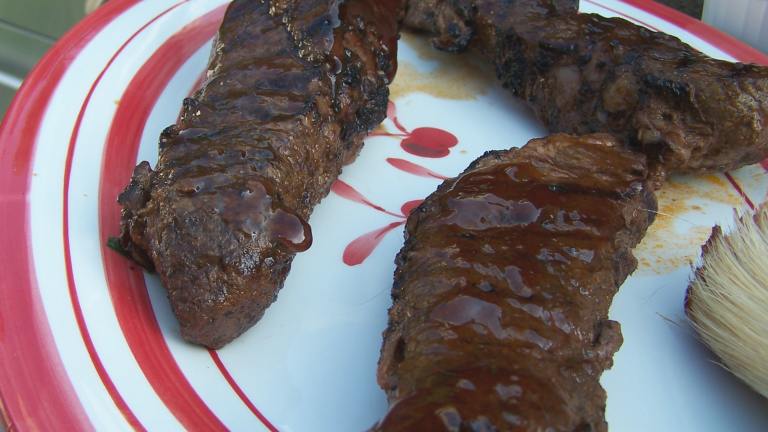
Searing is a high-heat technique used to create a beautiful, caramelized crust on the surface of meats. When you place a steak or pork chop into a hot skillet, the Maillard reaction occurs, producing a complex array of flavors that make every bite enticing. The quick cooking process effectively locks in moisture, making your meat succulent and tender. For instance, consider a New York strip steak; by searing it on high heat for a few minutes per side, you develop a beautifully browned exterior while keeping the interior juicy and flavorful.
Not limited to just meats, searing can also be applied to vegetables like bell peppers and asparagus, giving them a delightful char that adds depth to salads or side dishes. The technique can also serve as a base for sauces; after searing, deglazing the pan with broth or wine captures the flavorful remnants left behind, amplifying the dish’s complexity.
Braising: The Slow-Cooked Wonder
Braising, on the other hand, is perfect for transforming tougher cuts of meat—think brisket, chuck, or lamb shanks—into tender, flavorful creations. This method requires two stages: first, searing the meat to develop flavor and then cooking it slowly in a liquid, allowing the connective tissues to break down. A classic example is a pot roast simmered in beef broth, red wine, and aromatic vegetables like carrots and onions. The long cooking time ensures that the meat becomes fork-tender while absorbing the rich flavors of the cooking liquid.
This technique not only applies to meats but can also work wonders with hearty vegetables such as root vegetables, making them rich and flavorful. A braised dish can easily be a celebration of seasonal ingredients, perfect for hearty, comforting meals during colder months.
Flavor Development and Culinary Exploration
Employing both searing and braising in your cooking repertoire allows for an exploration of flavors that can truly redefine a meal. By taking the time to understand these techniques, you can unlock a world of culinary artistry, transforming everyday ingredients into meals that impress family and friends alike. Whether creating a savory seared scallop appetizer or a comforting bowl of braised short ribs, these methods encourage experimentation and can help you realize the tremendous potential of your kitchen.
In summary, mastering searing and braising not only enhances the taste and texture of dishes but also invites creativity into your cooking. These techniques offer countless opportunities to experiment with flavors, textures, and ingredients, allowing for a more enjoyable and rewarding culinary experience. So, ignite your passion, and dive into the delectable world of searing and braising, harnessing their potential for your next masterpiece.
DIVE DEEPER: Click here to discover sustainable culinary practices
Unlocking the Secrets of Cooking Techniques
To truly appreciate the culinary arts, one must delve into the specific techniques that can transform simple ingredients into remarkable dishes. Among these methods, searing and braising stand out for their ability to enhance flavors and textures, making them invaluable to both novice cooks and seasoned chefs. Understanding these techniques not only broadens your culinary skills but also deepens your appreciation for the intricacies involved in cooking.
The Science Behind Searing
Searing isn’t merely about adding a brown crust to meat; it’s a scientific process that creates complex flavors through the Maillard reaction. This occurs when proteins and sugars in the food react under high heat, resulting in a richly flavored crust. For many home cooks, mastering this technique starts with selecting the right pan—cast iron or stainless steel skillets are ideal as they retain heat well, allowing for optimal searing.
Incorporating some key factors can elevate the results of this cooking technique:
- Pat the meat dry: Moisture is the enemy of a good sear. Before cooking, ensure the surface of the meat is dry. This promotes a better crust.
- Preheat your pan: A hot pan is crucial. The right temperature ensures a quick sear, preventing the meat from overcooking while achieving that deep caramelization.
- Use the right fat: Choose oils with high smoke points—such as canola or grapeseed oil—so that you can reach higher temperatures without burning.
For instance, when pan-searing a salmon fillet, the skin can crisp beautifully while the fish remains moist inside. This technique not only locks in flavors but can also yield a stunning dish that rivals those found in upscale restaurants.
The Art and Soul of Braising
While searing fast-tracks the flavor experience, braising is the contemplative counterpart that rewards patience. This slow-cooking method is tailor-made for tougher cuts of meat—think osso buco or chuck roast—which, when prepared properly, yield mouthwatering tenderness. By combining both dry and moist heat, braising allows the meat to develop deep flavors as it cooks in its own juices, infused with aromatics from herbs, spices, and vegetables.
Several key aspects contribute to braising effectively:
- Initial searing: Start with a solid sear to build flavor before introducing the liquid, enhancing the dish’s depth.
- Choose your liquid wisely: Options range from broth and wine to even beer, each imparting its unique taste that transforms the final dish.
- Low and slow is the mantra: Cooking on low heat for a prolonged period (often several hours) allows the flavors to meld while making the meat incredibly tender.
Imagine a braised short rib dish served over creamy polenta; the meat’s richness marries harmoniously with the savory sauce, creating a comfort food experience that feels luxurious yet approachable. This technique not only enhances taste but also encourages you to utilize seasonal ingredients, inspiring creativity in your weekly meal planning.
In grasping the significance of both searing and braising, home cooks can transform their culinary endeavors, yielding delicious and memorable dishes that leave a lasting impression. Whether it’s reviving an old family recipe or experimenting with new flavors, these techniques elevate the act of cooking into an art form worth mastering.
| Cooking Technique | Benefits |
|---|---|
| Searing | Enhances flavor through caramelization, providing a rich crust. |
| Braising | Tenderizes meats and infuses moisture, resulting in melt-in-your-mouth dishes. |
Searing locks in the natural juices of the meat while creating a flavorful crust, a magic moment that infuses deep, aromatic complexity into your dishes. It’s the cornerstone of robust flavor development in various cuisines, making it a vital skill for both novice cooks and seasoned chefs. When you sear, high heat rapidly caramelizes the exterior, giving each bite a delightful taste profile that captivates the palate.On the other hand, braising is the art of slow cooking, where tougher cuts of meat transform into succulent, tender masterpieces over low heat. This technique allows for deeper flavors to meld, as ingredients simmer together, enriching the overall dish. The cooking process produces a rich sauce that can elevate any meal, making it an invaluable technique in kitchens around the world. Embracing these two methods not only enhances your culinary repertoire but deepens your understanding of how to wield heat in the kitchen for extraordinary results.
DISCOVER MORE: Click here to learn about the role of local markets
The Versatility of Searing and Braising in Modern Cuisine
As culinary enthusiasts seek new ways to elevate their cooking, the combined principles of searing and braising have emerged as crucial skills that cater to diverse dietary preferences and contemporary culinary trends. Utilizing these techniques allows home cooks and professional chefs alike to explore the full potential of their ingredients, expanding their repertoire while engaging in a form of cooking that touches upon tradition and innovation.
Expanding Ingredient Horizons
Both searing and braising enable the transformation of a wide variety of ingredients—even those considered unremarkable—into dishes bursting with flavor. Take vegetables, for example. When briskly seared, a medley of bell peppers and zucchini not only gains an attractive charred appearance but also develops a depth of flavor that can enhance both vegetarian and meat-based meals. Additionally, braising often includes root vegetables such as carrots or turnips, which soften and absorb the rich flavors of the cooking liquid, creating a satisfying dish regardless of dietary restrictions.
The excitement doesn’t stop there; searing can also be applied to seafood, while braising proves advantageous for plant-based proteins. Imagine searing tofu until golden brown to form a crust, followed by a braising process with miso broth and ginger, resulting in a flavorful fusion dish that delights the taste buds.
Cultural Inspirations Through Technique
Across cultures, variations of searing and braising tell a story of tradition and locality. From the classic French “coq au vin,” where chicken is browned and then braised in red wine, to the Asian-inspired “char siu,” where pork is seared with a complex glaze, these techniques offer a canvas for highlighting the flavors intrinsic to regional cuisine. Furthermore, in the southern United States, the method of braising is palpable in dishes like gumbo or jambalaya, where smoked sausage and vegetables create umami-rich bases that speak to the heart of comfort food.
Each culinary tradition bears unique techniques for searing and braising that enhance local flavors. Brazilian feijoada, a hearty stew of black beans and meats, is braised to perfection, allowing the components to meld into a delightful taste that embodies the essence of the dish. Such global influences offer endless opportunities for experimentation, inviting cooks to engage with diverse cultures through food.
Health Benefits and Sustainable Cooking
In a time where health-conscious cooking is at the forefront, searing and braising also support the use of less expensive, tougher cuts of meat, promoting sustainability and mindful eating. Cuts such as beef brisket or pork shoulder, when properly braised, become tender and flavorful, allowing cooks to create rich dishes without breaking the bank. Moreover, these methods of cooking require minimal added fats, making it easier to create meals that are both satisfying and health-conscious.
Additionally, incorporating fresh herbs, spices, and seasonal ingredients during the searing and braising processes can enhance dishes nutritionally, introducing beneficial compounds and antioxidants without sacrificing flavor. This aligns perfectly with the growing emphasis on farm-to-table dining experiences and reducing food waste, bringing sustainable practices front and center in home kitchens.
Venturing beyond conventional cooking methods, searing and braising pave the way for culinary exploration. Each technique offers a breadth of flavors and textures that showcase the versatility of food, enabling cooks to connect with their surroundings and embrace a world of gastronomic adventure.
DIVE DEEPER: Click here to discover more
Conclusion: Embracing Sear and Braise for Culinary Excellence
In the vast landscape of cooking techniques, searing and braising stand out as essential methods that not only enhance flavor but also encourage creativity in the kitchen. By understanding the importance of these techniques, cooks can transform routine meals into gourmet experiences, regardless of their skill level. Searing, with its ability to create a rich, caramelized crust, adds depth to meats and vegetables alike. Meanwhile, braising patiently melds flavors, resulting in tender dishes that echo the traditions of diverse cultures.
The versatility of these techniques is further underscored by their ability to cater to the modern cook’s desire for health-conscious and sustainable meals. Utilizing less expensive cuts and incorporating a variety of ingredients means that anyone can create memorable dishes without financial strain. Searing and braising invite us to experiment, to explore different flavor profiles, and to embrace global culinary influences, enriching our cooking repertoires.
In summary, honing the skills of searing and braising offers both practical benefits and a connection to our culinary roots. As we navigate the evolving food landscape, these techniques serve as bridges between tradition and innovation, unlocking endless possibilities for delicious, wholesome meals. It’s an exciting time to engage with food—so grab your pan, turn up the heat, and let your culinary journey begin.