
Unveiling the Richness of Indigenous Ingredients
Indigenous cultures across the globe, particularly in North America, possess an incredible wealth of knowledge regarding ingredients that are not only unique but also deeply intertwined with their history and identity. These traditional ingredients form the cornerstone of numerous ancestral recipes that have been preserved and refined over countless generations. Understanding these ingredients can significantly enhance our culinary experiences while allowing us to appreciate the cultural narratives that they embody.
One fascinating aspect of indigenous ingredients is the reliance on local flora and fauna. Many indigenous communities thrive on a diverse harvest sourced directly from their natural surroundings. For example, wild blueberries, often found in abundance in the Northeastern United States, are not only celebrated for their sweet and tangy flavor but are also revered by many Native American tribes for their medicinal properties, which are said to promote good health. Moreover, incorporating local ingredients, such as venison or salmon, into recipes reflects a deep-seated understanding of the ecosystem, ensuring the flavors are both vibrant and sustainable.
Seasonal ingredients play another vital role in indigenous cooking. Many indigenous recipes focus on the importance of harvesting at the right moment, a practice that enhances the taste profile of the foods while adhering to principles of sustainability. For instance, traditional Lakota preparations often include chokecherries when they are in season, ensuring that recipes retain the fruit’s maximum flavor while honoring the rhythm of nature. Cooking with seasonal ingredients not only supports local agriculture but also tells a story of place and time.
Beyond flavor and sustainability, cultural significance is etched deeply into indigenous foods. Ingredients often serve as narrative devices, connecting people to their ancestors. For instance, the “Three Sisters”—corn, beans, and squash—are more than just nutritional staples; they represent a holistic agricultural system viewed as a gift from the Creator in many Native American cultures. These crops are traditionally grown together, supporting one another and symbolizing resilience and community.
In the United States, exploring these indigenous ingredients can offer a rich culinary journey. For example, tribes in the Southwest have harvested ingredients like mesquite flour, which provides a naturally sweet flavor, ideal for baking and cooking. Similarly, the use of prickly pear cactus in salads and jams showcases the creativity and resourcefulness embedded in indigenous food systems.
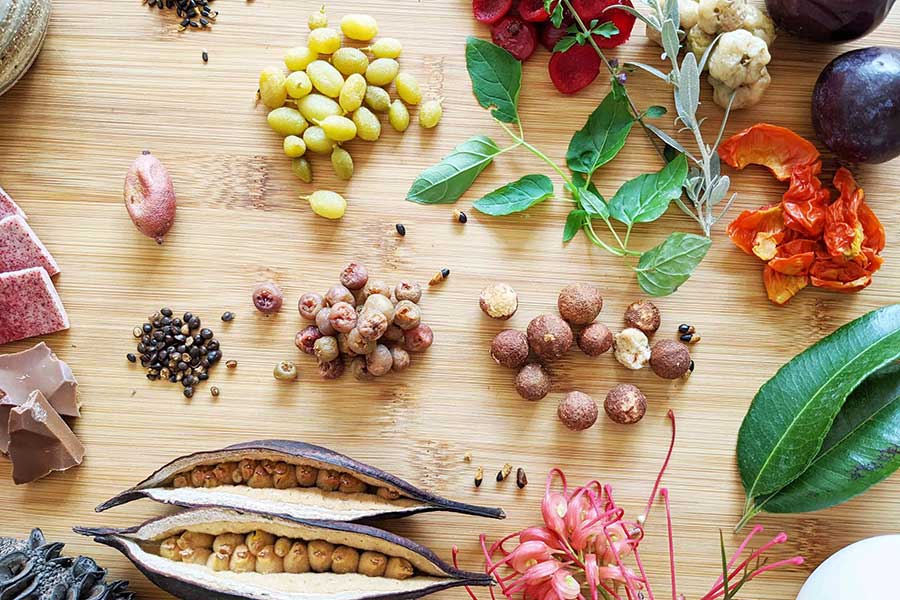
This article will immerse you in the captivating world of indigenous ingredients. It aims to showcase their fundamental role in traditional recipes and encourage an appreciation for the cultural narratives they convey. By exploring these rich practices, we can honor and recognize the invaluable contributions of indigenous communities to today’s culinary landscape, all while discovering the unique flavors that these time-honored ingredients have to offer.
DISCOVER MORE: Click here to uncover the art of braising
Connecting with Nature: The Heart of Indigenous Cuisine
The relationship between indigenous cultures and their environments is profound, shaping not only their identities but also their culinary practices. Many indigenous peoples have developed a symbiotic relationship with the land, leading to a rich tapestry of traditional ingredients that are both practical and spiritually significant. This connection invites those interested in culinary arts to not only discover new flavors but also to appreciate the stories behind them.
One of the hallmark features of indigenous cooking is the principle of foraging and utilizing what nature provides. This approach emphasizes a deep respect for the land and an understanding of natural ecosystems. For instance, the practice of wild crafting—harvesting edible plants and fungi that grow in the wild—allows communities to gather ingredients such as wild rice and acorns, which have historically been crucial food sources. These ingredients are celebrated for their rich flavors but are also imperative to local traditions. For instance, wild rice, known as “manoomin” to the Ojibwe people, is revered not just for its taste but for its cultural significance, being central to harvest ceremonies and community gatherings.
Engaging with indigenous ingredients is not merely about the act of cooking; it is also about understanding the traditions and methods that accompany these ingredients. Here are some key elements that reflect the culinary philosophy of many indigenous cultures:
- Respect for Seasons: Ingredients are harvested in their natural season, which maximizes their flavor and nutritional value. This seasonal approach influences what ingredients are used in recipes and ensures sustainability.
- Use of Techniques: Traditional cooking methods, such as smoking, drying, and fermenting, enhance the flavors and preserve the ingredients. The use of traditional techniques ensures that food is prepared in ways that have been passed down through generations.
- Celebration of Community: Cooking and sharing food play a pivotal role in social bonding. Many indigenous recipes are designed for communal gatherings, reinforcing the notion that food is a vehicle for culture and togetherness.
Furthermore, the stories tied to ingredients and the recipes that utilize them vary widely across different tribes and regions. For example, the use of sage for flavoring, ritual, and healing showcases its versatility, as it holds a vital place in spiritual practices for many tribes. Another example is the use of pumpkin, not only for its culinary applications in soups and breads but also as a symbol of the harvest and abundance. Such ingredients remind us of the delicate balance between the natural world and human sustenance.
Through this exploration, we can begin to see the layers of meaning embedded within traditional recipes. By savoring indigenous dishes prepared with these ingredients, we are not just tasting food; we are participating in a living history that honors the communities that have cultivated these practices for centuries. In the following sections, we will delve deeper into specific indigenous ingredients and their accompanying traditional recipes, shedding light on the culinary wisdom that shapes and sustains native cultures today.
| Culinary Heritage | Unique Ingredients |
|---|---|
| Historical Significance | Each ingredient tells a story of the land, traditions, and survival strategies of indigenous peoples. |
| Flavor Profiles | Indigenous ingredients offer distinct flavors that enhance traditional dishes, creating unique culinary experiences. |
| Nutritional Benefits | Many indigenous ingredients are packed with vitamins, minerals, and antioxidants, promoting health and well-being. |
| Environmental Sustainability | Utilizing local ingredients encourages sustainable practices and supports biodiversity. |
Indigenous cultures have long understood the importance of their unique ingredients, weaving them into the fabric of their culinary heritage. The stories behind these ingredients not only illuminate the rich cultural history of the people but also emphasize their connection to the land they inhabit. For instance, many native plants and grains have been staples for centuries, each contributing to distinctive regional dishes that reflect local geography and climate.The flavor profiles of these ingredients play a pivotal role in creating authentic traditional recipes, ensuring that each bite resonates with cultural significance. Moreover, the nutritional advantages of indigenous foods are becoming more recognized, as they are often more wholesome compared to processed alternatives. By incorporating these ingredients into modern cooking, we can access both a healthier diet and a deeper appreciation for the skills and knowledge passed down through generations.Lastly, prioritizing indigenous ingredients underscores the necessity of environmental stewardship. This not only revives ancient wisdom but also amplifies biodiversity, proving vital for the future of culinary practices and food security. Engaging with these aspects invites food enthusiasts and chefs alike to explore the captivating realm of indigenous cultures further.
DIVE DEEPER: Click here to discover festive flavors
Reviving Traditional Flavors: The Essence of Indigenous Ingredients
As we venture deeper into the kitchens of indigenous cultures, we encounter a myriad of unique ingredients that reflect not only the land’s biodiversity but also the rich tapestry of traditions that inform indigenous cooking. Ingredients such as tepary beans and cacti have long been staples in southwestern tribes, playing essential roles in their diets. Tepary beans, drought-resistant and nutrient-rich, are a testament to indigenous agriculture’s adaptive practices in arid environments. They can be incorporated into various dishes such as stews and salads, interweaving flavors and nutrition with history.
Another remarkable example is the prickly pear cactus, which has become emblematic of indigenous resourcefulness. Not only is its fruit sweet and delicious, but the cactus pads, when cleaned and cooked properly, provide a remarkable addition to salads and tacos. Indigenous peoples have used prickly pear for centuries, not just for sustenance but also for its medicinal properties, showcasing a holistic approach to health through food.
Moving further into the northern regions, we discover the significance of salmon within the diets of Pacific Northwest tribes. Known for its rich omega-3 fatty acids, this fish is culturally significant, representing abundance and connection to the water. Traditional methods such as smoking salmon enhance its flavor while preserving it for future gatherings. Indigenous recipes often honor the fish with ceremonial dishes, connecting the community through shared feasts that celebrate the rivers that have sustained them for generations.
Central to indigenous cooking is the concept of Three Sisters farming, a practice involving the cultivation of corn, beans, and squash together. This agricultural method, practiced by many Native American tribes, highlights how these crops support and nourish each other. Corn provides a natural pole for the beans to climb, beans enrich the soil with nitrogen, and squash spreads along the ground, acting as a natural weed barrier. This interdependent system creates a harmonious relationship between the crops, reinforcing the philosophy of balance seen in indigenous cultures. Recipes stemming from the Three Sisters often reflect this cooperation, combining the three ingredients into nourishing dishes that showcase their flavors and nutritional benefits.
Beyond these specific examples, the harvesting of wild game such as deer and bison further illustrates the connection between indigenous peoples and their land. For many tribes, these animals represent sustenance and are integral to cultural identity. Traditional recipes often feature slow-cooked stews and roasted meats, utilizing techniques passed down through generations, ensuring that the essence of the land is captured in every bite. Each meal can tell a story, a connection to the land and the life it sustains.
As we begin to appreciate these ingredients and the stories woven into each recipe, a greater understanding of indigenous cultures emerges. Engaging with these traditional recipes not only broadens our culinary horizons but also invites us to partake in a shared narrative of resilience and respect for the natural world. The revival and appreciation of indigenous ingredients are crucial steps in acknowledging the prosperity of native cultures, thus enriching the broader culinary landscape of the United States.
DISCOVER MORE: Click here to dive deeper
Embracing Culinary Heritage: A Journey Through Indigenous Ingredients
In wrapping up our exploration of indigenous ingredients and traditional recipes, it becomes evident that these elements are more than mere food items; they serve as portals into the rich histories and philosophies of the cultures that cultivated them. By delving into the culinary practices surrounding tepary beans, prickly pear cactus, salmon, and the Three Sisters farming method, we witness the symbiotic relationship between indigenous peoples and their environment. This connection fosters a profound respect for the land—an ethos that champions sustainability and harmony.
Engaging with indigenous ingredients not only enhances our culinary repertoire but also invites us to reflect on the resilience and ingenuity of native cultures. Through traditional recipes, we uncover stories that emphasize community, celebration, and the vital role of nature in our diets. These culinary narratives remind us that food is not just sustenance; it is a catalyst for connection and an expression of identity.
As modern consumers increasingly prioritize sustainability and ethical sourcing, embracing indigenous cooking offers a pathway to celebrate and revitalize these time-honored practices. By incorporating these incredible ingredients into our kitchens, we pay homage to the legacies of indigenous peoples while enriching our palates with diverse flavors and nutritional benefits.
Ultimately, the journey into discovering the ingredients of indigenous cultures is an invitation to broaden our understanding of food, culture, and community. It challenges us to honor and appreciate the vital lessons embedded in traditional recipes while recognizing the importance of preserving these culinary heritages for generations to come.