
Unlocking Productivity with Digital Organization
In today’s fast-paced world, staying organized is more crucial than ever. Many individuals struggle with effective note-taking and task prioritization, leading to decreased productivity and overwhelming feelings. Getting Things Done (GTD), a popular productivity method developed by David Allen, offers effective solutions to these challenges. This methodology has gained significant traction, especially among professionals grappling with demanding work schedules and personal commitments.
The Power of GTD
The GTD framework transforms how we approach our daily tasks by emphasizing clarity and control in our personal and professional lives. Here are some key features of the methodology:
- Capture: Collect all tasks and ideas into a trusted system. This could be a digital tool like Evernote, Microsoft OneNote, or even a simple spreadsheet. The goal is to ensure nothing slips through the cracks.
- Clarify: Define actionable steps and differentiate between projects. This stage involves asking yourself questions about each task, such as “Is it actionable?” If it requires multiple steps, it falls under project management.
- Organize: Sort tasks by context and priority for efficient management. Whether it’s categorizing tasks based on location (home, office) or urgency, proper organizing helps in streamlined execution.
- Reflect: Regularly review progress to stay aligned with goals. Weekly check-ins not only allow you to reassess priorities but also to celebrate completed tasks, reinforcing a sense of achievement.
- Engage: Focus on the most important tasks at any given time. Utilizing tools like the Eisenhower Matrix can help in identifying what is urgent versus what is important.
This systematic approach significantly aids in effective note-taking. It enhances digital organization, making it easier for users to prioritize tasks based on their significance and deadlines. The beauty of GTD lies in its adaptability, fitting seamlessly into various digital tools, ensuring efficacy across different platforms. From project managers to students, the methodology can be tailored to fit anyone’s lifestyle.
Why It Matters
With statistics showing that over 75% of people feel overwhelmed by their to-do lists, adopting strategies like GTD can bring renewed focus. This overwhelming sensation can lead to procrastination, missed deadlines, and increased stress levels. By harnessing digital organization and effective note-taking, one can transform chaotic workflows into streamlined processes. A well-organized approach not only maximizes personal productivity but also fosters a calmer and more proactive mindset.
Readers are invited to explore how the GTD methodology can redefine their approach to productivity. By implementing these principles, individuals can foster a workspace that enhances creativity and efficiency, turning the overwhelming sea of tasks into a manageable flow. In a world filled with distractions, it is vital to regain control and focus on what truly matters.
DIVE DEEPER: Click here to discover how visualization can elevate your organization
Transforming Your Note-Taking Process
Effective note-taking is not just about writing down information; it’s about systematically organizing thoughts, ideas, and tasks in a way that promotes clarity and prioritization. With the GTD methodology, individuals can elevate their note-taking by ensuring that every piece of information serves a purpose within their overall task management framework. This transformative approach emphasizes that every note you take should have a clear path to action, which significantly enhances productivity.
Utilizing Digital Tools
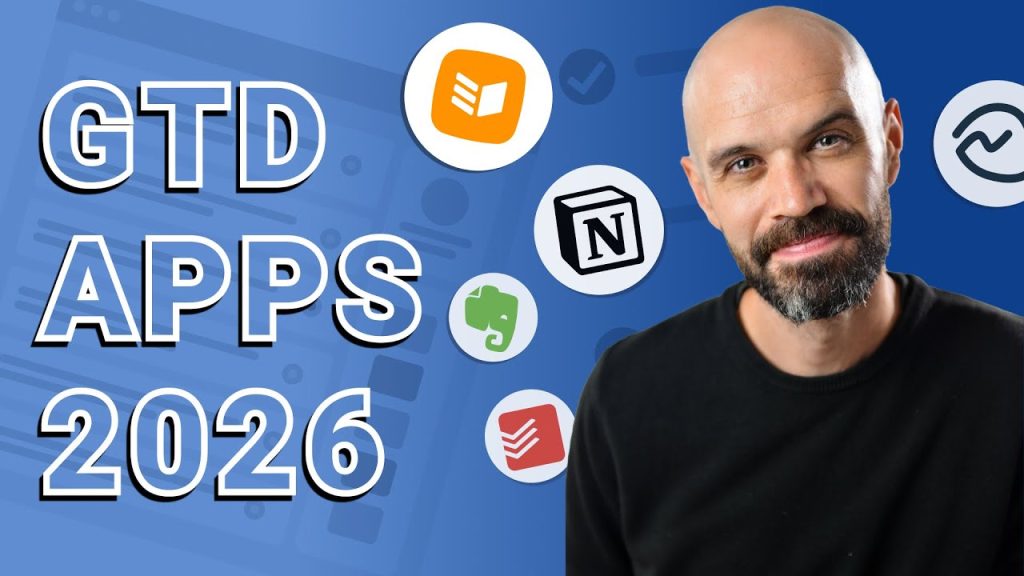
The rise of digital tools has revolutionized note-taking methods. Apps such as Notion, Trello, and Todoist allow users to integrate GTD principles directly into their process, making it easier to capture and manage tasks on the go. Here are some ways digital tools enhance your note-taking experience:
- Simplified Capture: Quickly jot down tasks or ideas using your smartphone or computer, ensuring you never forget important information. Voice-to-text features and integration with digital assistants like Siri or Google Assistant can further enhance this speed.
- Improved Accessibility: Digital notes can be accessed from multiple devices—be it a laptop, tablet, or smartphone—allowing users to stay organized wherever they are. This flexibility is particularly advantageous for busy professionals who must switch between different environments throughout the day.
- Collaboration Features: Many digital note-taking tools allow for shared notes, making it easier for teams to collaborate and keep everyone on the same page. This aspect is especially beneficial in remote working situations, where communication can become fragmented.
- Organizational Functions: Tagging, categorizing, and linking notes can allow users to establish connections between tasks and projects. This interconnectedness means you can easily find relevant information when needed, reducing time spent on searching for notes.
Furthermore, a well-structured note-taking system aligned with GTD can reduce decision fatigue. Each note becomes a checkbox on your path to completion, guiding you through the steps required to transform ideas into action. This clarity leads to better task prioritization: you can quickly identify which tasks are urgent, which are important, and which can wait.
GTD and the Psychology of Productivity
Understanding the psychological impacts of note-taking within the GTD framework is crucial for embracing this productivity method. Psychologically, the act of writing down tasks can alleviate mental clutter. A study from the Dominican University of California found that writing down goals significantly increases the likelihood of achieving them. When integrated into a GTD system, this can empower individuals to commit to their notes more confidently and take action.
Ultimately, restructuring your note-taking process through the lens of digital organization and the GTD methodology is a step towards increased productivity. It not only allows for clearer task prioritization but also nurtures a mindset where productivity is both achievable and sustainable. The next section will delve into practical applications of GTD that can enhance your note-taking and task management even further.
Leveraging GTD for Enhanced Productivity
In the realm of digital organization, the Getting Things Done (GTD) framework provides a systematic approach to break down tasks and streamline note-taking. One of the core principles of GTD is to capture everything you need to do, whether it’s a simple grocery list or a complex project. This method not only helps in decluttering your mind but also ensures that you don’t miss important tasks. By maintaining a reliable system, your focus shifts from remembering tasks to executing them.
The Power of Contextual Task Lists
With GTD, tasks are categorized based on context. This means that during your planning sessions, you can create lists such as “Calls to Make,” “Emails to Send,” or “Work Projects.” This categorization allows you to approach your tasks based on your current environment and available tools, which enhances efficiency. For instance, when you are at your desk, you can tackle tasks that require your computer, while your “Errands” list can be executed while you are out.
Integrating Digital Tools
Digital tools play a crucial role in implementing GTD. Applications like Trello, Evernote, and Todoist are designed to support the GTD methodology by allowing you to create, categorize, and prioritize tasks easily. These tools enable effective collaboration, allowing teams to sync their efforts and manage workflow seamlessly. Utilizing such applications not only aids in effective note-taking but also creates a transparent environment for tracking progress and accountability.
Reflection and Review
Another vital element of GTD is the weekly review process. This step encourages you to scrutinize your lists, assess progress, and reorganize priorities based on changing circumstances. This reflection time fosters adaptability in task management and reinforces your commitment to your goals, ensuring that your approach to task prioritization remains fluid and dynamic.
| Category 1 | Category 2 |
|---|---|
| Task Organization | Streamlined task management through contextual lists aids in focus. |
| Note-Taking Efficiency | Digital tools enhance organization and tracking of tasks in real time. |
Exploring these aspects of GTD will not only transform individual productivity but also foster an environment of collective efficiency, making it a vital strategy for anyone looking to improve their approach to task prioritization.
DIVE DEEPER: Click here to enhance your productivity with SMART goals
Practical Applications of GTD in Digital Note-Taking
Implementing the GTD methodology in your digital note-taking not only enhances your organizational skills but also helps streamline your workflow. It establishes a structured approach that can be tailored to fit your unique tasks and commitments. Let’s explore some practical applications that can invigorate your note-taking process through GTD.
Creating Actionable Next Steps
One of the cornerstones of GTD is the notion of defining actionable next steps for every task or project. When you take notes, always ask yourself, “What is the next action I can take for this item?” This could be anything from “send an email to the team” to “schedule a meeting.” Digital tools, like Evernote or Microsoft OneNote, support task lists directly within your notes, which makes it easy to align these next steps with your overall goals. By ensuring that every note triggers an actionable item, you eliminate ambiguity and enhance task prioritization.
Exclusive Focus with Single-Tasking
The digital landscape is often cluttered with distractions, which can hinder effective note-taking and prioritization of tasks. Implementing the GTD method encourages a focus on one task at a time—known as single-tasking. Tools like Forest or Focus@Will can help create a distraction-free environment to help you concentrate on writing down your notes or completing a task aligned with your notes. This focused approach eventually leads to a more organized digital workspace, where each note contributes meaningfully to your productivity.
Reviewing and Reflecting
A vital component of GTD is the weekly review, which allows individuals to reflect on their progress and realign their priorities. Digital platforms can facilitate this reflection process by compiling notes, actions, and projects in a consolidated view. Using tools like Notion or Asana, you can create dashboards that showcase your tasks and deadlines, allowing for a comprehensive overview of your commitments. This continuous cycle of review and reflection helps ensure that your note-taking process adapts to changes and remains relevant to your immediate needs.
Utilizing Templates for Consistency
To maintain consistency in your note-taking, consider developing customizable templates that align with the GTD framework. Whether it’s a meeting note template, a project briefing, or a brainstorming session setup, utilizing templates can save time and standardize the capture of key information. Tools such as Google Docs or Notion allow users to create reusable templates, reducing the friction involved in capturing information and making it easier to prioritize tasks based on established categories or urgency.
Data Visualization and Tracking
For those looking to elevate their digital note-taking experience, integrating data visualization can be remarkably powerful. Using tools like Trello or Asana, you can convert actionable notes into visual tasks or timelines. Visual aids can enhance decision-making and task prioritization by displaying the nuances of various projects, deadlines, and dependencies at a glance. The clarity brought by visual organization can foster a more effective way of tackling tasks and projects.
As you implement these practical applications of GTD in your digital note-taking, you’ll find that not only is your task prioritization more efficient, but your overall productivity and satisfaction with your workflow can also significantly improve. The marriage of digital organization and effective note-taking unlocks new pathways to success and fulfillment, motivating you to delve deeper into productivity methodologies.
DISCOVER MORE: Click here to learn about effective task classification methods
Conclusion: Unlocking Your Productivity Potential
In a world where digital clutter competes for our attention, the Getting Things Done (GTD) methodology emerges as a beacon of clarity and efficiency. Through the practical applications of GTD in digital note-taking, we have explored innovative ways to enhance task prioritization and streamline workflows. By crafting actionable next steps, fostering an environment of single-tasking, and emphasizing regular review, individuals can transform chaotic notes into organized action plans that support their broader goals.
The strategies discussed—ranging from utilizing customizable templates to integrating data visualization—highlight the richness of tools available for those seeking to elevate their organization skills. A consistent approach can significantly improve not only the efficiency of managing tasks but also the overall satisfaction derived from productivity. As you integrate these techniques into your daily routine, you will not only gain better control over your workload but also discover that productivity is no longer a fleeting goal, but an attainable state of being.
Ultimately, embracing the GTD methodology for digital organization and note-taking opens new avenues for enhanced focus and results. Whether you’re a student, a professional, or simply someone looking to harness their time better, the transformative impact of GTD cannot be overstated. As you embark on this journey toward improved productivity and efficiency, remember that the key lies in personalization and persistence. Engage with these principles, and witness how your approach to task prioritization evolves, leading to a more productive and fulfilling life.
Related posts:
The Art of Saying No: How to Prioritize Important Tasks in a World Full of Distractions
The Importance of Flexibility in Task Prioritization in Dynamic Work Environments
Smart Notes and the Eisenhower Matrix: A Method to Organize Tasks and Increase Productivity
Transforming Your Routine with Task Batching: The Key to Deep and Efficient Work
Task Prioritization Strategies for Remote Workers
How to Create a Task Prioritization System that Works for You

Beatriz Johnson is a seasoned productivity strategist and writer with a passion for simplifying the complexities of time management and personal organization. With over a decade of experience in efficiency optimization, she specializes in topics like workflow design, habit formation, and productivity systems for modern professionals. Through her work, Beatriz empowers readers to take control of their schedules, eliminate overwhelm, and stay ahead in today’s fast-paced world.