Developing Creativity Through Mental Challenges and Puzzles

The Art of Nurturing Creativity
In today’s fast-paced world, where the pace of change is relentless, the ability to think creatively is one of the most sought-after skills across various fields. Whether you’re an artist, an entrepreneur, or a corporate leader, the power of innovative thinking can set you apart from the competition. One surprisingly effective way to enhance your creative skills is through engaging in mental challenges and puzzles. These activities do more than merely occupy your time; they actively stimulate your cognitive processes and provoke new ways of thinking.
Consider the following benefits of incorporating puzzles into your daily routine:
- Enhanced Problem-Solving Skills: Engaging with puzzles encourages you to think outside the box, prompting unconventional approaches to problem-solving. For instance, working on a complex jigsaw puzzle might teach you to break larger tasks into manageable parts, a skill applicable in project management.
- Improved Focus: Puzzles require intense concentration. When you’re working on a Sudoku or a crossword, the need to maintain focus sharpens your attention span, which can translate to productivity in work and personal projects.
- Increased Brain Connectivity: Tackling complex tasks stimulates various areas of the brain. Research indicates that engaging different cognitive functions while doing puzzles can lead to improved neural pathways, which enhance overall mental dexterity.
Whether it’s a classic crossword puzzle, a Sudoku challenge, or a mind-bending riddle, these activities can significantly transform your cognitive flexibility. Consider setting aside even just 15 minutes each day to engage with a mental exercise; the cumulative effect over time may lead to surprising insights and innovative solutions in everyday situations.
Moreover, studies suggest that consistent puzzle-solving can yield long-term benefits. Not only can puzzles enhance memory retention and logical thinking, but they also contribute to better emotional health. For instance, the joy and accomplishment found in completing a particularly challenging puzzle can release dopamine, a neurotransmitter associated with feelings of motivation and pleasure. This sense of achievement can further boost your confidence and inspire you to tackle more ambitious creative projects.
As we delve deeper into the relationship between mental challenges and creativity, you will uncover how these seemingly simple activities can pave the way for innovation and imagination in both your personal and professional life. So the next time you find yourself in need of a creativity boost, consider reaching for a puzzle—it may provide the spark you need to unlock your creative potential.
DIVE DEEPER: Click here for insights on card games and mental agility
Unlocking Creative Potential Through Puzzles
Engaging in mental challenges and puzzles is not merely an enjoyable pastime; it is an effective strategy for everyone looking to sharpen their creative faculties. The cognitive process involved in solving puzzles, whether they are strategic games like chess or brainteasers found in a popular magazine, stimulates mental flexibility and encourages divergent thinking, which is crucial for creativity.
The complexity and variety of puzzles can cater to different aspects of cognitive development. Below are several types of puzzles that can significantly aid in developing creativity:
- Logic Puzzles: Logic puzzles, such as those seen in magazines or online, require individuals to reason and make connections. These challenges promote clear, analytical thought processes that allow for innovative ideas to emerge where strict deduction is involved.
- Crossword Puzzles: When you engage with crosswords, you not only expand your vocabulary but also enhance your associative thinking skills. This helps in making new connections and fostering a rich pool of ideas that can lead to creative breakthroughs.
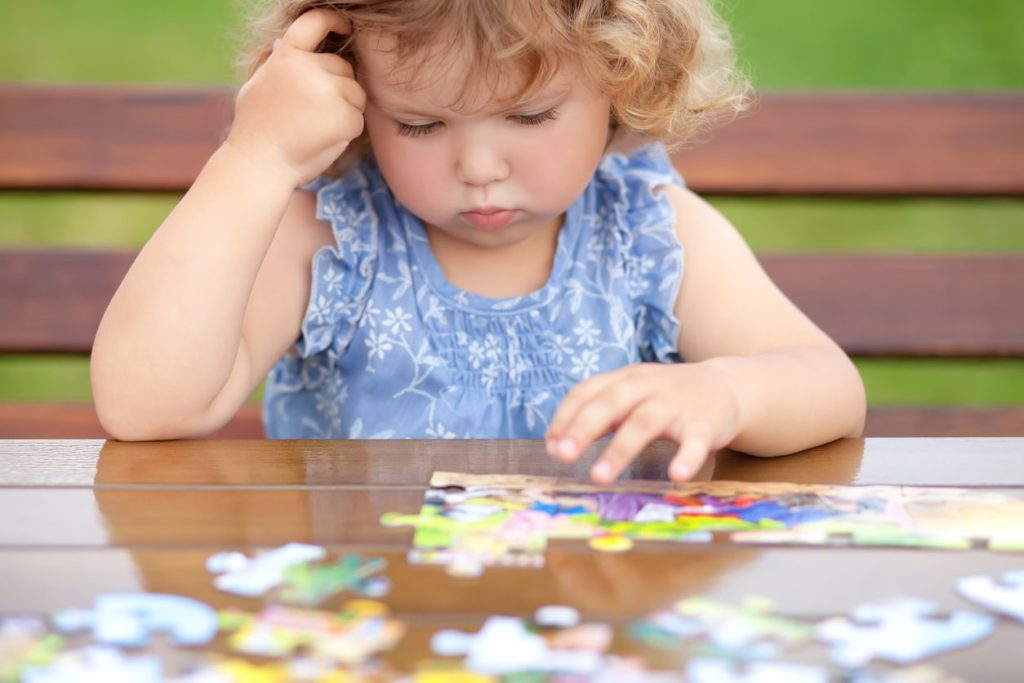
- Spatial Puzzles: Jigsaw puzzles and building blocks push the boundaries of spatial reasoning. This type of play encourages visual thinking, which is essential for artists and designers, enabling them to conceptualize and execute their visions effectively.
- Math Puzzles: Mathematics is often viewed as a rigid discipline, but engaging with math puzzles can reveal its creative side. Solving numerical challenges enhances logical reasoning while sparking creative approaches to problem formulation and solution-finding.
Additionally, puzzles serve as excellent tools for fostering teamwork and collaboration. Group puzzle-solving can lead to shared insights, highlighting how collective brainstorming can also inspire individuality within a creative process. In corporate environments, for example, team-building activities focused on problem-solving can build team cohesion and creative synergy, leading to enhanced project outcomes.
Another significant advantage of regularly engaging with mental challenges is the impact on emotional well-being. Tackling a tricky puzzle can serve as a form of mental exercise, much like physical workouts. It can alleviate stress, which often inhibits creativity. When your mind is clear and engaged, the floodgates of inspiration can open, allowing fresh ideas to flow unhindered.
To maximize the creative benefits of puzzles, consider integrating them into your daily routine. This could be as simple as dedicating a few minutes each day to complete a puzzle or explore new types that challenge your thinking in different ways. Over time, these small, consistent efforts can lead to significant improvements in both your creativity and problem-solving skills.
In summary, the intersection of creativity and mental challenges is a vibrant space where innovation can flourish. By making puzzles a part of your everyday life, you’re not just engaging in a pastime; you’re actively nurturing a mindset that embraces creativity, adaptability, and complex problem-solving. As you delve deeper into this dynamic relationship, you’re likely to discover a treasure trove of insights that can illuminate various paths in your personal and professional endeavors.
The integration of mental challenges and puzzles in daily life goes beyond just entertainment; it is a powerful catalyst for enhancing creativity and cognitive functions. Engaging with puzzles can stimulate various mental processes, leading to innovative thinking and problem-solving skills. As individuals navigate through complex challenges, they exercise their neural pathways, promoting original thought and a flexible mindset. This stimulation can foster not only personal growth but also improve collaboration when individuals share creative solutions.
Moreover, the use of puzzles spans across different age groups and can adapt to various skill levels, making them accessible and effective for anyone eager to refine their creative potential. Whether through crosswords, Sudoku, or logic-based games, each challenge presents an opportunity to think critically, embrace failure as a learning tool, and discover unique approaches to situations.
Furthermore, mental challenges encourage a playful attitude towards problem-solving, which is essential in nurturing creativity. This playful mindset fosters resilience and curiosity, empowering individuals to explore uncharted territories in thought and creativity. Engaging in these mental workouts can build confidence in one’s creative abilities, further igniting a passion for learning and exploration.
| Category 1 | Category 2 |
|---|---|
| Cognitive Enhancement | Engagement in puzzles stimulates brain activity, boosting memory and learning capabilities. |
| Creative Problem Solving | Puzzles promote innovative thinking and effective strategies to approach challenges. |
These advantages make the realm of mental challenges and puzzles an intriguing area for anyone looking to enhance their creativity effectively. Not only do they provide immediate gratification, but their long-term benefits can significantly contribute to personal and professional development. Exploring various types of puzzles and challenges can transform the way individuals approach creativity, leading to groundbreaking ideas and solutions.
DISCOVER MORE: Click here to learn about the impact of mind games on memory
Enhancing Cognitive Skills through Diverse Strategies
The world of puzzles is a myriad of possibilities that extends beyond the conventional challenges found in workbooks or recreational magazines. Engaging in varied types of mental challenges stimulates different areas of the brain, enhancing cognitive skills that are crucial for creativity. By diving into new kinds of puzzles, individuals can discover uncharted territories of thought and problem-solving, leading to innovative ideas and a richer creative reservoir.
Let’s delve into how specific categories of puzzles not only challenge the mind but also encourage creative thinking:
- Sudoku: This number-placement puzzle may seem straightforward, but it demands logical reasoning and strategic planning. As players delve deeper into Sudoku, they develop an “if-then” reasoning approach that fosters creative problem-solving. The patterns involved in Sudoku solutions can inspire out-of-the-box thinking that translates well into artistic endeavors or innovative business concepts.
- Word Searches: Beyond being an entertaining challenge, word searches hone skills in visual discrimination and pattern recognition. The ability to see connections between obscure words can spark creative associations, enabling individuals to link seemingly unrelated concepts in their work, be it in writing, advertising, or design.
- Brain Teasers: Whether riddles or lateral thinking puzzles, brain teasers encourage participants to approach challenges from different angles. The process of concocting unique solutions pushes the boundaries of conventional thought, thus fostering a mindset receptive to novel ideas and innovative solutions. This is especially beneficial for those in creative fields who need to constantly produce new content.
Moreover, engaging in collaborative puzzle-solving can enhance creativity in a group setting. Activities such as escape rooms or team-based puzzle games cultivate interpersonal skills such as communication, negotiation, and compromise. These skills are essential for brainstorming sessions where teams need to converge on a single concept drawn from diverse perspectives. In such collaborative environments, fresh ideas are often birthed from discussions surrounding shared challenges.
Incorporating puzzles into educational settings can provide enlightening insights as well. Research indicates that students who interact with challenging cognitive tasks are more adaptable in their thinking. For instance, educators can employ problem-based learning strategies using puzzles, ultimately fostering an environment where students not only learn subject matter but also develop critical thinking and creativity through direct engagement.
Moreover, the emotional benefits of engaging with puzzles can’t be overlooked. Presenting your brain with a challenge can lead to a release of dopamine, which can enhance mood and motivation. Many people find that overcoming obstacles in puzzles imbues them with a sense of accomplishment, which can be a significant catalyst for further creative endeavors. Regular engagement with mental challenges can create a positive feedback loop, enhancing mental resilience and stimulating a productive mind.
Maintaining a puzzle habit is not a course restricted to occasional bursts of engagement; it can permeate daily life. From dinner table games to mobile puzzle applications designed for commutes, the opportunities for incorporating puzzles into everyday routines are endless. By intentionally choosing to solve different types of puzzles regularly, individuals can cultivate a lasting impact on their cognitive abilities and innovative capacities.
Exploring puzzles as a means of developing creativity thus opens up new pathways for both personal growth and professional development. The act of consistently challenging one’s mind with diverse puzzles transforms creative potential from an abstract idea into a tangible skill.
DIVE DEEPER: Click here to uncover more about the art of solving puzzles
Unlocking Creative Potential Through Mental Engagement
In an age where innovation and creativity are paramount, developing creativity through mental challenges and puzzles presents a uniquely powerful approach. As we’ve explored, the variety of cognitive tasks—from Sudoku to brain teasers—offers a comprehensive way to stimulate both individual and collective creativity. These engaging challenges not only sharpen critical thinking and problem-solving skills but also promote emotional well-being, reinforcing a positive mindset conducive to creative exploration.
The transformative power of puzzles extends beyond mere entertainment. By integrating these mental challenges into daily routines, whether through solo gaming or collaborative problem-solving sessions, individuals can create enriching environments for themselves and others. Furthermore, the educational implications are significant. Educators can leverage the benefits of puzzles, equipping students with the intellectual agility needed to navigate an increasingly complex world.
As you embark on your journey to enhance creativity, consider diversifying the puzzles you tackle. Explore different genres and formats, challenge yourself with unfamiliar tasks, and do not shy away from collaborative experiences. This multifaceted approach ensures that creativity is not merely an occasional spark of inspiration, but rather a cultivated skill that has the potential to transform personal and professional landscapes. Embrace the adventure of puzzles, and discover how they can become a stepping stone toward unlocking your full creative potential.
Related posts:
Unraveling Enigmas: How Solving Puzzles Stimulates Original Thinking
Creativity in Action: How Word Games Can Stimulate Innovative Thinking
The Importance of Puzzles in Stimulating Creative Thinking
Building Narratives: The Role of Logic Games in Expanding Imagination
Logic Games: How They Can Boost Your Creativity
The Influence of Board Games on Creativity and Problem Solving

Linda Carter is a writer and puzzle expert specializing in mind games, brain teasers, and cognitive challenges. With extensive experience helping individuals enhance their problem-solving skills and think critically, Linda shares her knowledge on our platform. Her goal is to empower readers with practical advice, engaging puzzles, and strategies to sharpen their minds and achieve success in the captivating world of mind games and puzzles.